Urban Composting 2026: The Ultimate Guide for U.S. Homes
Urban Composting 2026: The Ultimate Guide for U.S. Homes
Welcome to 2026, where sustainable living isn’t just a trend, it’s a necessity. If you’re a U.S. resident living in an urban or suburban environment, you might be wondering how you can contribute to a greener planet right from your own home. The answer is simple yet profound: urban home composting. This comprehensive guide will walk you through everything you need to know to transform your kitchen scraps and yard waste into nutrient-rich soil, reducing landfill waste and enriching your garden in the process. Get ready to embrace the future of eco-conscious living!
What is Composting and Why is it Essential for Urban Homes?
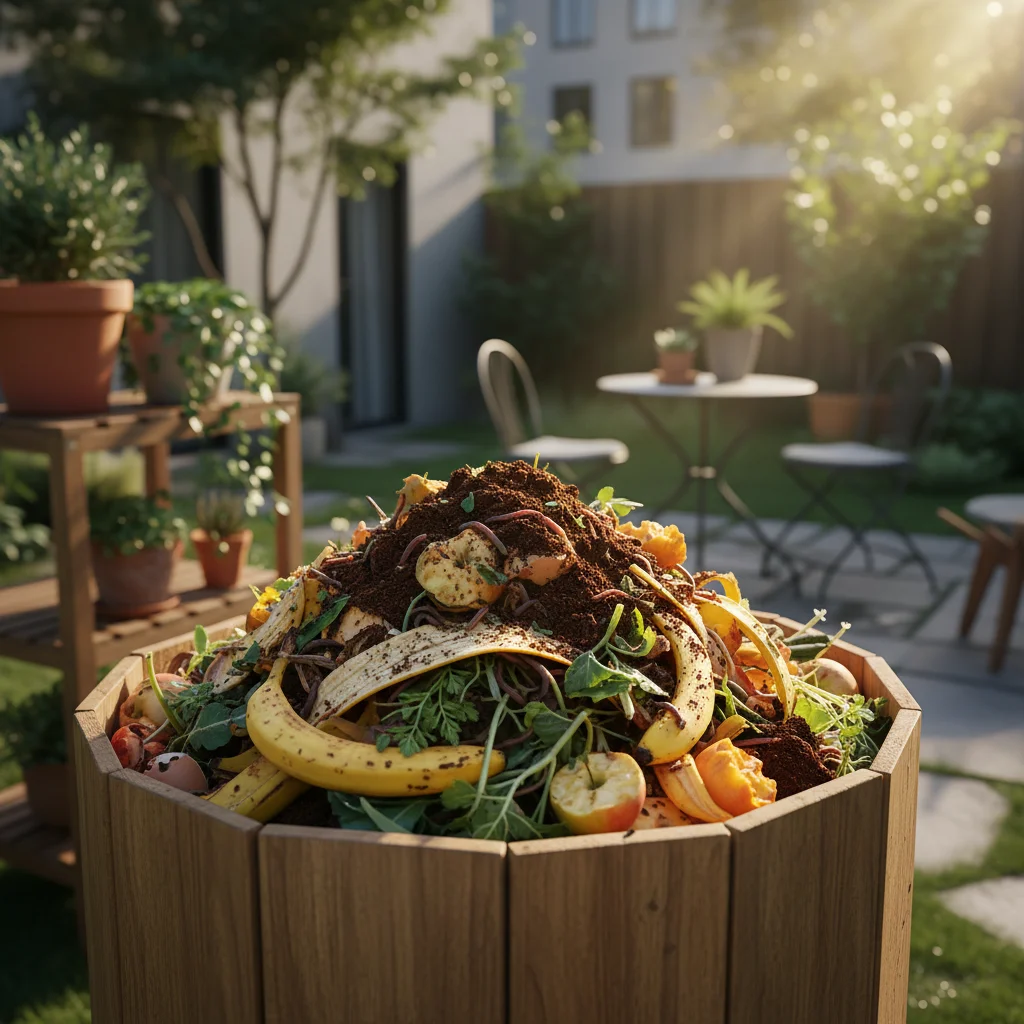
At its core, composting is the natural process of recycling organic matter, such as food scraps and yard waste, into a valuable soil amendment called compost. This dark, crumbly material is often referred to as ‘black gold’ by gardeners due to its incredible ability to improve soil structure, retain moisture, and provide essential nutrients to plants. For urban and suburban homes, where space might be limited and connection to nature sometimes feels distant, urban home composting offers a direct, tangible way to engage with environmental stewardship.
The Environmental Imperative: Reducing Landfill Waste
Consider this: organic waste constitutes a significant portion of what ends up in U.S. landfills. When organic materials decompose in anaerobic (oxygen-free) conditions within landfills, they produce methane, a potent greenhouse gas that contributes significantly to climate change. By diverting these materials through urban home composting, you directly reduce methane emissions. It’s a powerful statement against wastefulness and a step towards a circular economy where resources are continually reused.
Enriching Your Urban Garden (or Even Just Your Potted Plants!)
Even if you only have a small balcony garden or a few houseplants, compost is an invaluable resource. It enhances soil fertility, promotes healthy root growth, and reduces the need for chemical fertilizers. For those with more extensive urban gardens, the benefits are even greater, leading to healthier, more vibrant plants and potentially higher yields. The beauty of urban home composting is that it provides a self-sustaining cycle for your green spaces.
Fostering a Connection to Nature
Beyond the scientific and practical advantages, composting offers a unique opportunity to connect with natural cycles. Watching kitchen scraps transform into life-giving soil is a profoundly satisfying experience. It instills a deeper appreciation for the resources we consume and encourages mindful living, which is particularly valuable in the often-fast-paced urban environment.
Benefits of Urban Home Composting for U.S. Residents
The advantages of integrating urban home composting into your daily routine are manifold, touching upon environmental, economic, and personal well-being. Let’s delve deeper into why this practice is becoming increasingly popular and necessary.
- Waste Reduction: Significantly decreases the amount of garbage sent to landfills, reducing your carbon footprint.
- Soil Enrichment: Creates a natural, nutrient-rich soil amendment that improves soil structure, water retention, and aeration.
- Reduced Chemical Use: Lessens the need for synthetic fertilizers and pesticides in your garden.
- Cost Savings: Saves money on purchasing soil amendments and fertilizers.
- Water Conservation: Compost-enriched soil holds water more efficiently, reducing irrigation needs.
- Support for Local Ecosystems: Attracts beneficial insects and microorganisms, fostering a healthier mini-ecosystem in your immediate surroundings.
- Educational Opportunity: A fantastic way to teach children about environmental responsibility and the natural world.
- Community Engagement: Can lead to shared composting initiatives with neighbors or community gardens, building stronger local bonds.
These benefits collectively paint a clear picture of why urban home composting is not just a chore, but a rewarding endeavor for any U.S. household committed to sustainable living.
Choosing the Right Urban Home Composting Method for You
The beauty of urban home composting is its adaptability. There’s a method suitable for almost every living situation, from a small apartment balcony to a suburban backyard. The key is to assess your available space, the amount of waste you generate, and your comfort level with different processes.
1. Vermicomposting (Worm Composting): Ideal for Apartments and Small Spaces
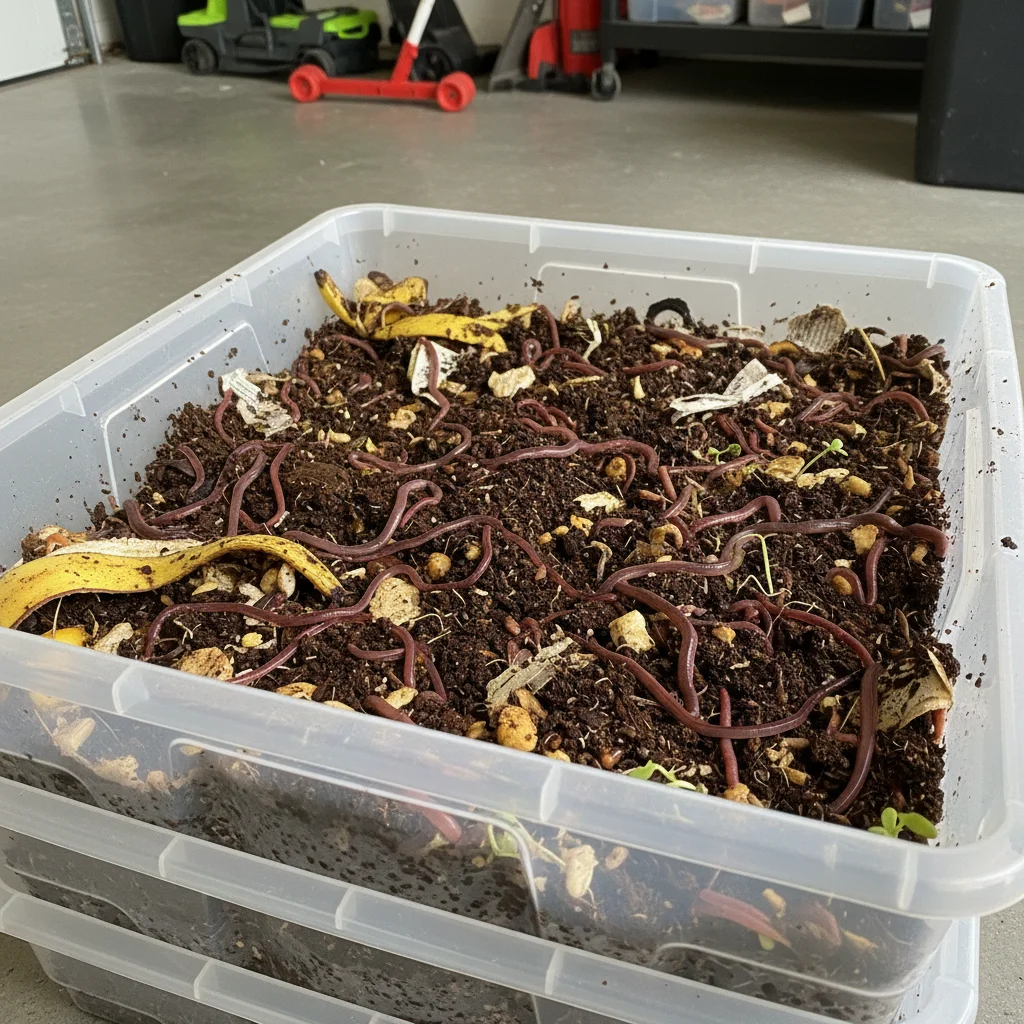
Vermicomposting utilizes red wiggler worms (Eisenia fetida) to break down food scraps into nutrient-rich worm castings. This method is exceptionally efficient, relatively odorless when properly managed, and perfect for indoor use or small outdoor spaces.
- How it Works: Worms eat organic waste and excrete nutrient-rich castings.
- What You Need: A multi-tiered worm bin (easily purchased or DIY), red wiggler worms, bedding material (shredded newspaper, cardboard), and food scraps.
- Pros: Compact, fast, produces excellent soil amendment, can be done indoors, minimal odor.
- Cons: Requires careful management of moisture and food types, some people are uncomfortable with worms.
- Best for: Apartment dwellers, small patios, beginners.
2. Bokashi Composting: A Fermentation Approach for All Spaces
Bokashi is a unique anaerobic (oxygen-free) composting method that ferments food waste, including items not typically suitable for traditional composting like meat and dairy. It uses an inoculant (bokashi bran) containing beneficial microorganisms.
- How it Works: Food waste is layered with bokashi bran in an airtight bucket, fermenting it. The fermented material is then buried in soil (a garden bed or a large planter) to complete decomposition, or added to a traditional compost pile.
- What You Need: Airtight bokashi bucket with a spigot (to drain ‘bokashi tea’), bokashi bran.
- Pros: Can compost all food types (including meat, dairy, cooked foods), fast fermentation, produces ‘bokashi tea’ liquid fertilizer, minimal odor during fermentation.
- Cons: Requires a secondary burial or composting step, initial cost for specialized buckets and bran.
- Best for: Urban dwellers wanting to compost all food waste, those with limited outdoor space but access to some soil for burial.
3. Cold Composting (Passive Composting): Simple and Low-Effort
This is the simplest form of urban home composting, often just a pile or a basic bin where organic materials are added over time. It’s less hands-on but takes longer to produce finished compost.
- How it Works: Organic materials slowly decompose over months or even a year without much intervention.
- What You Need: A dedicated space for a pile or a simple compost bin (wire mesh, plastic bin).
- Pros: Very little effort required, good for larger volumes of yard waste.
- Cons: Slow decomposition, may attract pests if not managed well, less suitable for food scraps in urban settings due to potential odor and pest issues.
- Best for: Suburban homes with larger yards, those generating mostly yard waste.
4. Hot Composting (Active Composting): Fast and Efficient
Hot composting involves actively managing the compost pile to maintain high temperatures (130-160°F or 54-71°C), which speeds up decomposition and kills pathogens and weed seeds. This requires a good balance of ‘greens’ and ‘browns’, moisture, and regular turning.
- How it Works: Materials are combined in specific ratios, moistened, and turned frequently to aerate and maintain high temperatures.
- What You Need: A sturdy compost bin (tumbler, three-bin system), pitchfork or aerator, thermometer.
- Pros: Produces finished compost quickly (weeks to months), kills pathogens and weed seeds.
- Cons: Requires more active management (turning, monitoring temperature and moisture), needs a larger volume of material to heat up.
- Best for: Suburban homes with a steady supply of yard and food waste, dedicated gardeners.
What Can and Cannot Be Composted in Urban Homes?
Understanding the right ingredients is crucial for successful urban home composting. A balanced mix of ‘greens’ (nitrogen-rich) and ‘browns’ (carbon-rich) is essential for rapid decomposition and a healthy compost pile.
‘Greens’ (Nitrogen-Rich):
- Fruit and vegetable scraps (peels, cores, wilted produce)
- Coffee grounds and tea bags (paper only)
- Fresh grass clippings (in moderation, can get slimy)
- Green leaves and plant trimmings
- Algae and seaweed
- Manure (from herbivores like rabbits, chickens, horses – avoid pet waste)
‘Browns’ (Carbon-Rich):
- Dry leaves
- Shredded newspaper and cardboard (non-glossy, non-colored)
- Sawdust and wood chips (untreated wood)
- Straw and hay
- Pine needles
- Dryer lint (natural fibers only)
- Eggshells (crushed)
What NOT to Compost (Especially in Urban Settings):
Avoiding these items is vital to prevent odors, attract pests, and ensure a healthy compost pile for urban home composting.
- Meat, poultry, fish, and bones: Attracts pests, creates foul odors, and can harbor pathogens. (Bokashi is an exception for fermentation stage).
- Dairy products: Attracts pests and creates odors.
- Oils, fats, and grease: Attracts pests and slows decomposition.
- Diseased plants: Can spread diseases to your garden.
- Weeds with seeds: Unless hot composting, seeds can survive and sprout in your garden.
- Pet waste (dog, cat): Contains harmful pathogens and parasites.
- Treated wood: Contains chemicals that can harm your plants.
- Coal ash or charcoal briquettes: Contains substances harmful to plants.
- Glossy paper/magazines: May contain heavy metals or toxic inks.
- Sticker labels from fruit: Non-biodegradable plastic.
Setting Up Your Urban Home Composting System
Once you’ve chosen your method, the next step is to set up your system. This section provides general advice applicable to most urban home composting setups, with specific considerations for different methods.
Location, Location, Location
- Outdoor Bins: Choose a spot that’s relatively shady to prevent drying out, well-drained, and easily accessible. Keep it a reasonable distance from your home and neighbors to avoid potential nuisance (though a well-managed pile should not smell).
- Indoor Bins (Vermicomposting/Bokashi): A laundry room, garage, basement, or even a quiet corner in a kitchen can work. Ensure it’s not in direct sunlight and maintains a consistent, moderate temperature.
Gathering Your Supplies
- Compost Bin: Purchase a suitable bin for your chosen method (worm bin, bokashi bucket, tumbler, stationary bin).
- Kitchen Collector: A small, lidded container for your kitchen counter to collect scraps throughout the day.
- Tools: A small hand trowel or fork for mixing, a watering can, and possibly a compost thermometer for hot composting.
- Bedding/Bran: Shredded newspaper/cardboard for worm bins, bokashi bran for bokashi systems.
The ‘Green’ to ‘Brown’ Ratio: The Golden Rule
For traditional composting (cold or hot), aim for a 2:1 or 3:1 ratio of ‘browns’ to ‘greens’ by volume. This balance is crucial for efficient decomposition and preventing odors. Too many greens lead to a smelly, slimy pile; too many browns lead to a slow, dry pile.
Layering and Moisture
When starting your pile or adding new materials, layer them. Start with a base of coarser browns for aeration, then alternate greens and browns. Each layer should be moistened to the consistency of a wrung-out sponge. Too wet, it becomes anaerobic; too dry, decomposition stops.
Maintaining Your Urban Home Composting System
Successful urban home composting is an ongoing process that requires a little attention, but the rewards are well worth the effort. Regular maintenance ensures your compost breaks down efficiently and remains odor-free.
Turning and Aeration (for Traditional Composting)
Regular turning (with a pitchfork or by rotating a tumbler) introduces oxygen, which is vital for aerobic decomposition. For hot composting, turn every few days to maintain high temperatures. For cold composting, turn every few weeks or months. Proper aeration prevents compaction and foul odors.
Moisture Management
Keep your compost pile consistently moist, but not soaking wet. If it’s too dry, decomposition will slow down dramatically. If it’s too wet, it can become anaerobic and smelly. In dry climates, you may need to add water periodically, especially to outdoor bins. In rainy areas, ensure your bin has good drainage or is covered to prevent waterlogging.
Troubleshooting Common Composting Issues
- Smells like ammonia: Too many ‘greens’ (nitrogen). Add more ‘browns’ (carbon) and turn the pile.
- Rotten egg smell: Too wet and anaerobic. Turn the pile, add dry ‘browns’, and ensure good drainage.
- Attracting pests (flies, rodents): Usually due to exposed food scraps, meat/dairy, or an imbalanced pile. Bury food scraps deeply, avoid prohibited items, and cover the pile. For worm bins, ensure food isn’t rotting before worms can eat it.
- Not breaking down: Lack of moisture, insufficient ‘greens’, or not enough aeration. Check moisture, add more nitrogen-rich materials, and turn the pile more frequently.
- Worms escaping (vermicomposting): Often a sign that conditions are too wet, too dry, too acidic, or too much food. Adjust moisture, check pH, and reduce feeding.
Harvesting and Using Your Urban Home Compost
The most satisfying part of urban home composting is seeing the fruits of your labor: rich, dark, earthy-smelling compost. Knowing when and how to harvest it, and then how to best use it, maximizes its benefits.
When is Compost Ready?
Finished compost will be dark brown or black, crumbly, and have an earthy smell. You should no longer be able to identify the original food scraps or yard waste. The temperature inside the pile will have returned to ambient temperature. Depending on your method, this can take anywhere from a few weeks (hot composting) to several months (cold composting).
Harvesting Techniques
- Traditional Bins: Remove the finished compost from the bottom or sides of the pile. You can use a screen to sift out any larger, unfinished pieces, returning them to the active pile.
- Tumblers: Once the entire batch is finished, simply empty the tumbler.
- Worm Bins: There are several methods, including ‘side-to-side’ (feeding on one side, harvesting from the other), ‘stacking’ (worms migrate up to new food), or ‘dump and sort’ (emptying the bin and manually separating worms from castings).
- Bokashi: The fermented material is not finished compost. It needs to be buried in soil for 2-4 weeks to fully break down before planting.
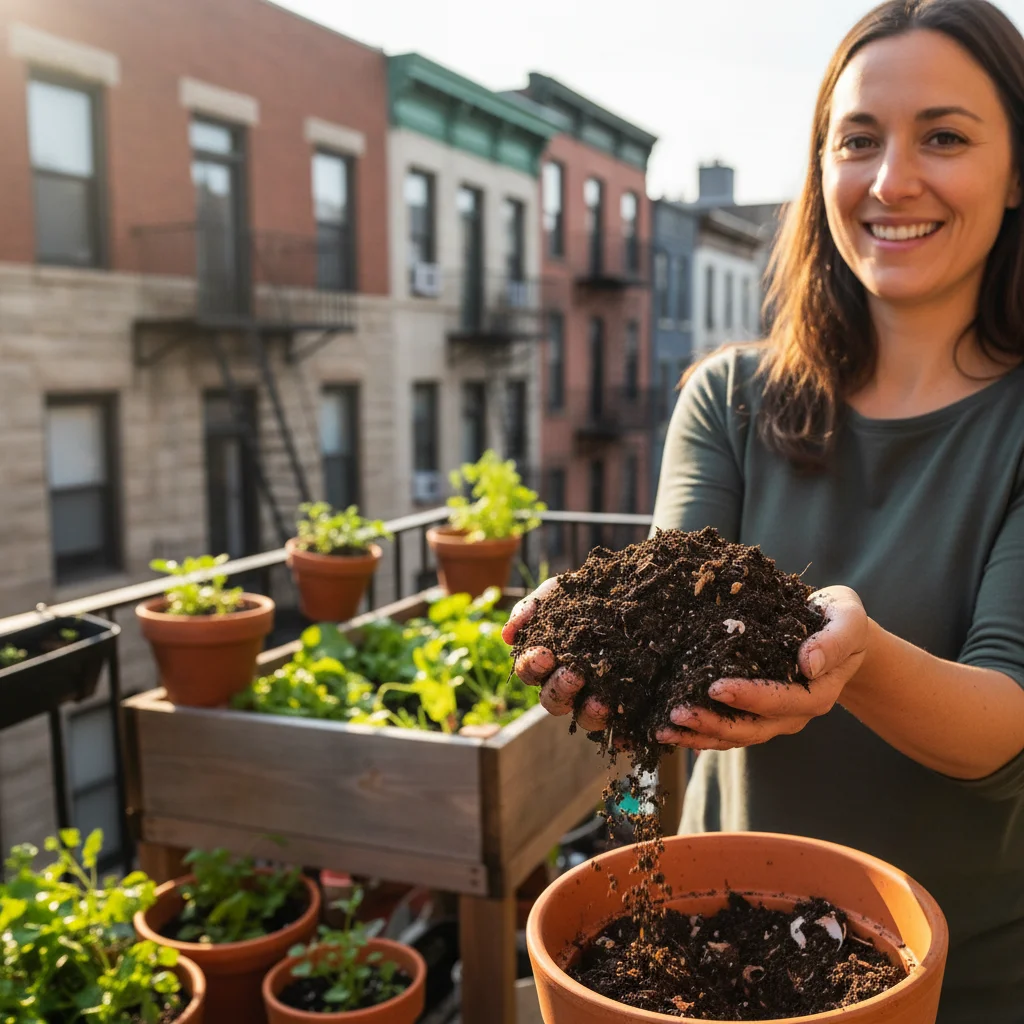
Ways to Use Your ‘Black Gold’
Your homemade compost is incredibly versatile and beneficial for all your gardening needs:
- Soil Amendment: Mix 1-3 inches of compost into the top 4-6 inches of your garden beds or raised planters before planting.
- Potting Mix: Blend compost with existing potting soil or create your own mix for containers and houseplants (e.g., 1 part compost, 1 part perlite/vermiculite, 1 part coconut coir).
- Top Dressing: Sprinkle a thin layer (1/2 to 1 inch) of compost around the base of established plants. This slowly releases nutrients and retains moisture.
- Compost Tea: Steep finished compost in water for a day or two to create a liquid fertilizer. Dilute and use to water plants, providing a nutrient boost.
- Seed Starting: Mix fine compost with a seed-starting mix for a nutrient-rich and disease-resistant medium.
Advanced Urban Home Composting Tips for 2026
As you become more comfortable with the basics, you might want to explore advanced techniques and considerations to optimize your urban home composting efforts.
Community Composting and Drop-off Programs
Many U.S. cities and towns are expanding their composting infrastructure. Look for local community composting drop-off sites, curbside organic waste collection programs, or partnerships with local farms. These can be excellent options for materials you can’t compost at home (like meat/dairy for traditional systems) or for when you have an excess of organic waste.
Investing in Smart Composting Technology
The year 2026 brings with it advancements in home composting technology. While not essential, smart composters can automate aspects like turning, aeration, and even temperature regulation. Some models offer app-based monitoring, making urban home composting even more convenient and efficient.
Compost pH and Nutrient Testing
For serious gardeners, understanding the pH and nutrient profile of your finished compost can be beneficial. Simple home testing kits or professional lab services can provide insights, allowing you to tailor your compost use to specific plant needs.
Integrating with Rainwater Harvesting
Pairing your composting efforts with rainwater harvesting can create a truly sustainable urban ecosystem. Use collected rainwater to moisten your compost pile, reducing reliance on municipal water and further closing the loop on resource management.
Educating Your Community
Become an advocate for urban home composting! Share your knowledge and experience with neighbors, friends, and local community groups. Organize workshops or share resources to inspire others to adopt this impactful practice. Collective action amplifies individual efforts, leading to broader environmental benefits.
Conclusion: Your Role in a Greener Urban Future
Embracing urban home composting in 2026 is more than just a garden chore; it’s a commitment to a more sustainable, resilient urban future. By diverting organic waste from landfills, enriching your soil naturally, and fostering a deeper connection to the environment, you play a vital role in creating healthier communities and a healthier planet.
Whether you choose vermicomposting for your apartment, bokashi for your small patio, or a hot composting system for your suburban yard, every scrap diverted and every handful of ‘black gold’ produced makes a difference. Start your composting journey today, and witness the transformative power of nature, right in your own urban home.