Energy Audit Benefits: Uncover 25% Hidden Waste & Boost Efficiency
In an era where energy costs are constantly rising and environmental consciousness is at an all-time high, understanding and optimizing your property’s energy consumption is no longer a luxury but a necessity. Many property owners, both residential and commercial, are unknowingly losing a significant portion of their energy budget to inefficiencies and waste. This is where the profound energy audit benefits come into play. A professional energy audit is a systematic inspection and analysis of your property’s energy usage, designed to identify areas of inefficiency and recommend practical solutions to reduce consumption and costs. It’s an investment that typically pays for itself many times over, revealing an astonishing 25% or more of hidden energy waste that can be easily addressed.
Imagine discovering that a quarter of your energy bill is essentially being thrown away each month. That’s a significant sum over a year, and even more over the lifetime of your property. This comprehensive guide will delve deep into the multifaceted energy audit benefits, illustrating how this critical assessment can transform your property into a more efficient, comfortable, and sustainable space. We’ll explore everything from understanding what an energy audit entails to the long-term financial, environmental, and comfort advantages it provides. By the end of this article, you’ll have a clear understanding of why an energy audit is an indispensable tool for any property owner looking to gain control over their energy future.
What Exactly is an Energy Audit? Unpacking the Process
Before we dive into the specific energy audit benefits, it’s crucial to understand what an energy audit actually is. Far from a simple walk-through, a professional energy audit is a detailed, scientific examination of your building’s energy performance. It’s conducted by certified energy auditors who use a combination of advanced tools and expert knowledge to assess various aspects of your property.
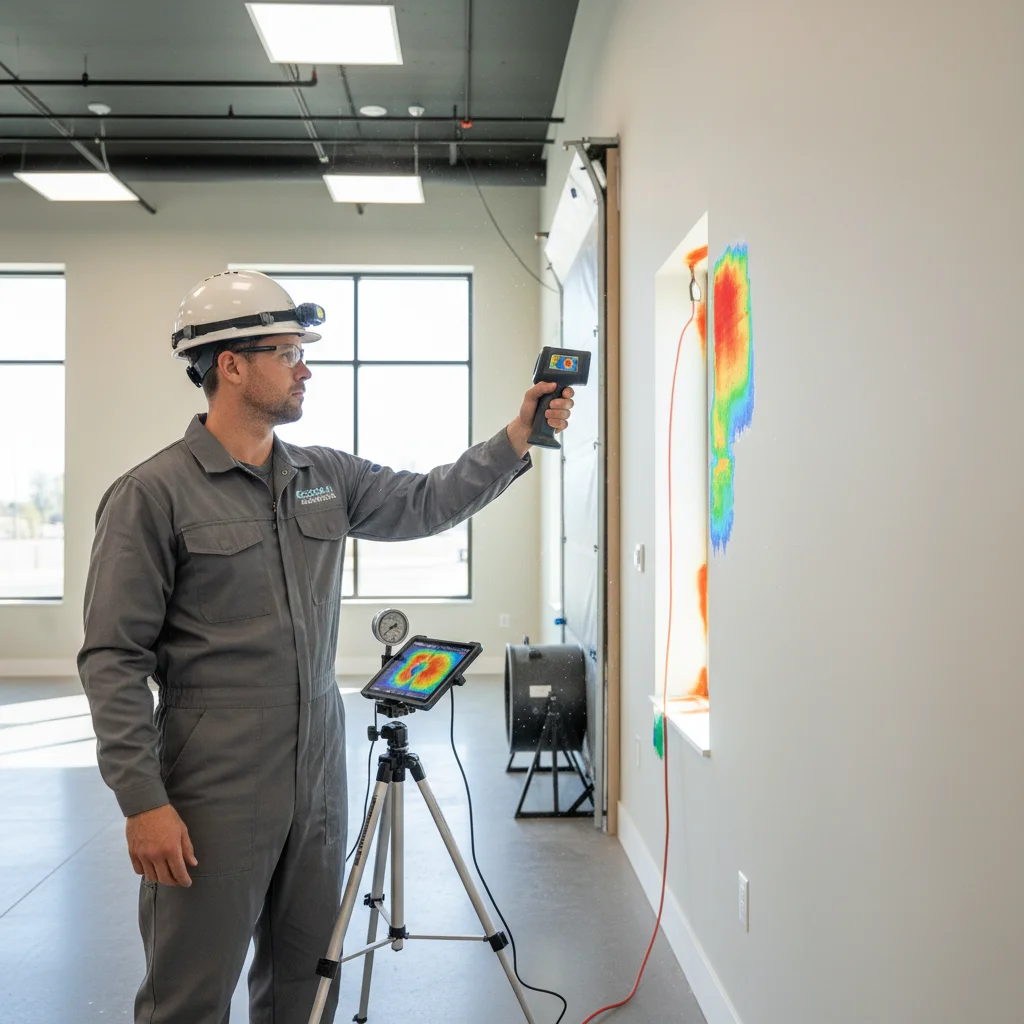
The process typically begins with a thorough review of your historical energy bills to understand consumption patterns. This initial data provides a baseline and helps identify peak usage periods or anomalies. Following this, the auditor will conduct an on-site inspection, employing a suite of specialized equipment:
- Thermal Imaging Cameras: These cameras detect temperature differences, revealing areas of heat loss or gain due to inadequate insulation, air leaks, or inefficient windows. They make invisible problems visible.
- Blower Door Tests: A blower door is a powerful fan that measures the airtightness of a building. By depressurizing the house, it exaggerates air leaks, allowing the auditor to pinpoint exactly where conditioned air is escaping or unconditioned air is entering.
- Duct Leakage Testers: HVAC systems can lose a significant amount of energy through leaky ducts. These testers measure the amount of air escaping from the ductwork, indicating where repairs are needed.
- Combustion Analyzers: For properties with combustion appliances (furnaces, water heaters), these tools assess efficiency and safety, ensuring proper ventilation and preventing carbon monoxide leaks.
- Visual Inspections: Auditors meticulously inspect insulation levels in walls, attics, and crawl spaces, check window and door seals, evaluate appliance efficiency ratings, and assess lighting systems.
The goal is to create a comprehensive picture of how your property uses and loses energy. This detailed analysis forms the foundation upon which tailored recommendations for improvement are built, directly contributing to the numerous energy audit benefits we will discuss.
The Primary Energy Audit Benefits: Uncovering Hidden Waste (The 25% Secret)
One of the most compelling energy audit benefits is its ability to expose hidden energy waste, often amounting to 25% or more of a property’s total energy consumption. This isn’t just a hypothetical number; it’s a conservative estimate based on industry experience and countless audit results. This waste manifests in various ways, often unseen and unaddressed by the untrained eye.
Identifying Air Leaks and Inadequate Insulation
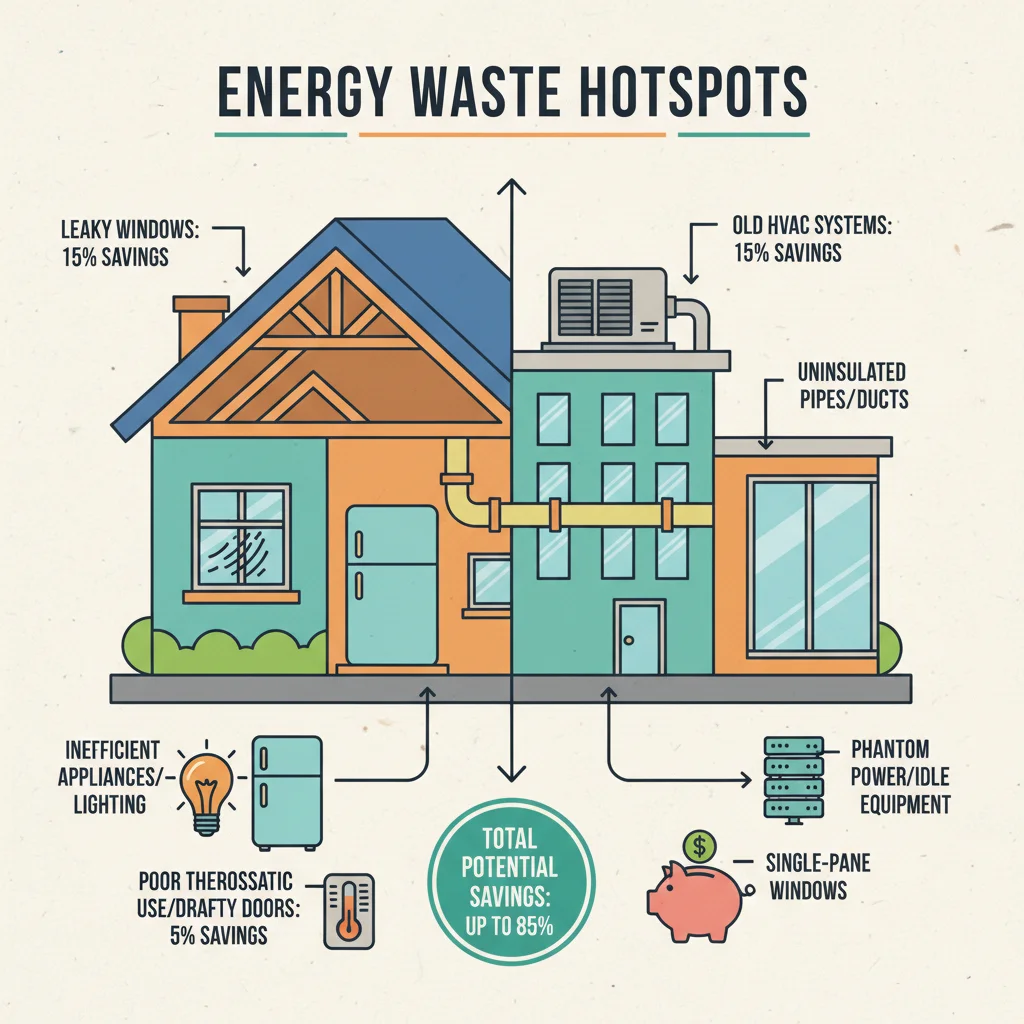
The biggest culprits of hidden energy waste are often air leaks and insufficient insulation. Cracks around windows and doors, gaps in the building envelope, unsealed electrical outlets, and poorly insulated attics or crawl spaces act like sieves, allowing conditioned air to escape in winter and enter in summer. This forces your heating and cooling systems to work harder, consuming more energy and driving up bills. An energy audit uses tools like blower doors and thermal cameras to precisely locate these hidden leaks and areas of poor insulation, providing actionable data to seal them up.
Revealing Inefficient HVAC Systems
Your heating, ventilation, and air conditioning (HVAC) system is likely the largest energy consumer in your property. An aging, improperly sized, or poorly maintained HVAC system can be a major source of waste. Auditors can assess the efficiency of your existing system, identify issues like leaky ducts, and recommend necessary repairs, tune-ups, or even replacement with more energy-efficient models. This direct attack on your largest energy consumer is a significant energy audit benefit.
Pinpointing Appliance and Lighting Inefficiencies
While individual appliances and light bulbs may seem minor, their cumulative effect can be substantial. An audit can identify energy-guzzling older appliances, incandescent lighting, or phantom loads (devices drawing power even when turned off). Recommendations might include upgrading to ENERGY STAR® certified appliances, switching to LED lighting, or using smart power strips.
By systematically identifying and quantifying these areas of waste, an energy audit provides a clear roadmap for significant energy savings. This is the cornerstone of why understanding and leveraging the energy audit benefits is so crucial for any property owner.
Financial Advantages: Beyond Just Lower Bills
While lower energy bills are arguably the most immediate and tangible of the energy audit benefits, the financial advantages extend much further, impacting your property’s value and long-term financial health.
Reduced Utility Costs
This is the most obvious benefit. By implementing the recommendations from an energy audit, you can expect a noticeable reduction in your monthly utility bills. The 25% hidden waste mentioned earlier translates directly into 25% or more savings on your energy consumption. Over months and years, these savings accumulate into substantial sums, often offsetting the initial cost of the audit and recommended upgrades relatively quickly.
Increased Property Value
An energy-efficient home or business is more attractive to potential buyers or tenants. Properties with lower utility costs, newer HVAC systems, and improved insulation often command higher resale values. Energy efficiency upgrades, prompted by an audit, are increasingly seen as valuable assets, making your property stand out in the market. This long-term increase in asset value is a significant, often overlooked, energy audit benefit.
Access to Rebates, Incentives, and Tax Credits
Many governments, utility companies, and local organizations offer financial incentives for energy efficiency improvements. These can include rebates for upgrading to energy-efficient appliances, insulation, or HVAC systems, as well as tax credits for certain renewable energy installations. An energy audit report often serves as documentation required to qualify for these programs, helping to further reduce the cost of improvements and accelerate your return on investment. Leveraging these financial aids is a key aspect of maximizing energy audit benefits.
Improved Budgeting and Financial Planning
Understanding your energy consumption patterns and having a clear plan for efficiency improvements allows for better financial forecasting. Reduced and more predictable energy expenses free up capital that can be allocated to other investments or operational needs, providing greater financial stability.
Enhanced Comfort and Health: A More Livable Space
Beyond the financial savings, the energy audit benefits also significantly contribute to a more comfortable and healthier indoor environment. This often translates into improved quality of life for residents and enhanced productivity for employees.
Eliminating Drafts and Temperature Imbalances
Air leaks and poor insulation are not just energy drains; they are also major contributors to uncomfortable drafts and uneven temperatures throughout a property. An energy audit identifies these problem areas, allowing for targeted sealing and insulation improvements. The result is a more consistent indoor temperature, fewer cold spots in winter, and a cooler environment in summer, making every room more enjoyable and usable.
Improved Indoor Air Quality
Sealing air leaks not only prevents conditioned air from escaping but also stops unconditioned, often unfiltered, outside air from entering. This means less dust, pollen, allergens, and pollutants infiltrating your living or working space. Additionally, an energy audit will assess ventilation systems, ensuring proper air exchange without excessive energy loss, which is crucial for maintaining good indoor air quality and preventing issues like mold growth, contributing to better respiratory health. This health aspect is a vital, though sometimes underestimated, energy audit benefit.
Reduced Noise Pollution
The same improvements that seal out air and maintain temperature also act as sound barriers. Upgraded insulation and better-sealed windows and doors can significantly reduce external noise pollution, creating a quieter and more peaceful indoor environment. This is especially valuable in urban areas or properties located near busy roads.
Increased Appliance Lifespan and Reliability
When HVAC systems and other appliances don’t have to work as hard to maintain desired conditions, they experience less wear and tear. This can extend their operational lifespan, reducing the frequency and cost of repairs and replacements. This indirect financial benefit adds to the overall energy audit benefits.
Environmental Impact: Contributing to a Sustainable Future
For many property owners, the environmental energy audit benefits are as important, if not more so, than the financial ones. Reducing your energy consumption directly translates into a smaller carbon footprint and a more sustainable way of living or operating a business.
Lower Carbon Emissions
The majority of electricity and heating fuels are generated from fossil fuels, which release greenhouse gases into the atmosphere. By using less energy, you reduce the demand for these fossil fuels and, consequently, lower your property’s contribution to carbon emissions. This direct impact on climate change mitigation is a powerful energy audit benefit for environmentally conscious individuals and organizations.
Reduced Resource Consumption
Beyond carbon, energy production consumes vast amounts of natural resources, including water and various raw materials. By improving energy efficiency, you contribute to the conservation of these precious resources, promoting a more responsible and sustainable use of our planet’s limited supplies.
Leadership in Sustainability
For businesses, demonstrating a commitment to energy efficiency and sustainability can enhance brand reputation, attract environmentally conscious customers and employees, and even open doors to new market opportunities. Residential property owners can take pride in knowing their homes are part of the solution to global environmental challenges. This leadership in sustainability is an intangible yet significant energy audit benefit.
Long-Term Investment and Strategic Planning
An energy audit isn’t just about immediate fixes; it’s a strategic tool for long-term property management and investment. The insights gained provide a foundation for informed decision-making.
Prioritized Improvement Plan
A professional energy audit doesn’t just list problems; it prioritizes them based on cost-effectiveness and potential impact. This allows property owners to make strategic decisions about which improvements to undertake first, ensuring the best return on investment and avoiding unnecessary expenses. This structured approach to improvements is a key energy audit benefit.
Informed Renovation and Maintenance Decisions
If you’re planning renovations, an energy audit can guide your choices. For example, if the audit reveals significant heat loss through old windows, prioritizing window replacement during a renovation makes excellent financial and environmental sense. Similarly, it can inform your maintenance schedule, highlighting systems that need attention before they fail completely.
Future-Proofing Your Property
As energy codes become stricter and the cost of energy continues to rise, an energy-efficient property is better positioned for the future. Proactive energy improvements, guided by an audit, can help future-proof your investment against increasing operational costs and evolving regulatory landscapes. This foresight is a crucial energy audit benefit.

Choosing the Right Energy Auditor: Maximizing Your Benefits
To fully realize the energy audit benefits, it’s essential to choose a qualified and reputable energy auditor. Not all audits are created equal, and the quality of the assessment directly impacts the effectiveness of the recommendations.
Look for Certifications
Ensure your auditor is certified by recognized industry organizations such as the Building Performance Institute (BPI) or the Residential Energy Services Network (RESNET). These certifications indicate that the auditor has undergone rigorous training and meets high standards of expertise.
Experience Matters
An experienced auditor will have a deeper understanding of building science and a broader range of solutions to offer. Ask about their experience with properties similar to yours.
Comprehensive Reporting
A good energy audit culminates in a detailed, easy-to-understand report that outlines findings, quantifies energy waste, and provides prioritized recommendations with estimated costs and payback periods. The report should be actionable and serve as a clear guide for improvements.
References and Reviews
Always ask for references or check online reviews. A reputable auditor will have a track record of satisfied clients and successful energy-saving projects.
Common Misconceptions About Energy Audits
Despite the clear energy audit benefits, some misconceptions can deter property owners from pursuing this valuable service.
“It’s Too Expensive”
While there is an upfront cost, an energy audit is an investment with a high return. The savings generated often recoup the audit cost within a short period, and the long-term financial, comfort, and environmental benefits far outweigh the initial outlay. Many utility companies also offer rebates or subsidies for audits, further reducing the cost.
“I Can Do It Myself”
While DIY energy checks can identify obvious issues, they lack the precision and comprehensive analysis of a professional audit. Specialized tools like thermal cameras and blower doors reveal hidden problems that are impossible to detect with the naked eye. A professional auditor also brings expert knowledge of building science and the most effective solutions.
“My Property is New, So It’s Efficient”
Even newly constructed properties can have energy inefficiencies due to design flaws, poor construction practices, or overlooked details. An energy audit can identify these issues early, preventing long-term problems and ensuring your new property performs as efficiently as possible from day one.
Implementing Recommendations: Turning Insights into Action
The true value of the energy audit benefits is realized only when the recommendations are acted upon. The audit report provides a roadmap, but execution is key.
Prioritize Based on ROI
The audit report will often rank recommendations by their potential savings and payback period. Start with the ‘low-hanging fruit’ – improvements that offer the quickest return on investment, such as sealing air leaks or upgrading specific insulation areas. These early successes can fund further, larger projects.
Seek Qualified Contractors
For more complex improvements like HVAC upgrades or extensive insulation work, hire qualified and experienced contractors. Ensure they understand the audit recommendations and are committed to implementing them correctly to maximize efficiency gains.
Monitor and Re-evaluate
After implementing changes, continue to monitor your energy consumption. Many smart thermostats and utility providers offer tools to track usage. Over time, you might consider a follow-up audit to assess the impact of your improvements and identify any new areas for optimization, ensuring you continue to reap the energy audit benefits.
Conclusion: Embracing the Full Spectrum of Energy Audit Benefits
The decision to conduct a professional energy audit is one of the smartest investments a property owner can make. The energy audit benefits are extensive and far-reaching, touching upon every aspect of property ownership and management. From the immediate financial relief of reduced utility bills to the long-term advantages of increased property value and a smaller environmental footprint, an energy audit empowers you with the knowledge and actionable insights needed to transform your property.
By uncovering that elusive 25% (or more) of hidden energy waste, you’re not just saving money; you’re creating a more comfortable, healthier, and sustainable environment for everyone within your walls. In a world increasingly focused on efficiency and responsibility, embracing the full spectrum of energy audit benefits is not just a smart business decision or a responsible homeowner choice; it’s a commitment to a better, more efficient future.
Don’t let hidden energy waste continue to drain your resources. Take the proactive step towards energy independence and efficiency. Schedule a professional energy audit today and unlock the full potential of your property’s energy performance.