Energy Audits 2026: Uncovering Hidden Waste & Boosting Business Savings

Energy Audits 2026: Uncovering Hidden Waste and Saving 20-30% Annually for Businesses
In an increasingly competitive and environmentally conscious world, businesses are constantly seeking innovative ways to reduce operational costs and enhance their sustainability credentials. One of the most effective, yet often overlooked, strategies is a comprehensive business energy audit. As we move into 2026, the imperative for such audits has never been stronger. With energy prices fluctuating, regulatory pressures mounting, and the demand for corporate social responsibility growing, understanding and optimizing your energy consumption is no longer just a good idea—it’s a business necessity.
This in-depth guide will explore the profound impact a well-executed business energy audit can have, detailing how it uncovers hidden waste, identifies avenues for significant savings (often ranging from 20-30% annually), and positions your enterprise for long-term success. We will delve into the intricacies of the audit process, the technologies driving modern energy assessments, the tangible benefits businesses can expect, and how to effectively implement the recommendations to achieve maximum return on investment.
The Unseen Drain: Why Businesses Need a 2026 Energy Audit
Many businesses operate under the assumption that their energy consumption is a fixed cost, an unavoidable overhead that simply needs to be paid. However, this perspective overlooks a critical truth: a significant portion of energy usage is often inefficient, wasteful, and entirely preventable. This ‘unseen drain’ on resources can silently erode profit margins, hinder competitiveness, and contribute unnecessarily to environmental impact.
Consider the typical commercial or industrial facility. It’s a complex ecosystem of HVAC systems, lighting, production machinery, IT infrastructure, and office equipment. Each component consumes energy, but without a systematic analysis, identifying where inefficiencies lie is akin to finding a needle in a haystack. A business energy audit acts as a powerful magnifying glass, bringing these hidden inefficiencies into sharp focus.
In 2026, several factors amplify the urgency for businesses to conduct thorough energy audits:
- Rising Energy Costs: Geopolitical events, supply chain disruptions, and increased demand continue to drive energy prices upwards, making every wasted kilowatt-hour more expensive.
- Stricter Regulations: Governments worldwide are implementing more stringent energy efficiency standards and carbon emission targets. Non-compliance can lead to hefty fines and reputational damage.
- Technological Advancements: New energy-saving technologies and smart building management systems are constantly emerging, offering unprecedented opportunities for optimization. An audit helps identify which technologies are best suited for a specific business.
- Investor and Consumer Pressure: Stakeholders are increasingly demanding transparency and action on environmental, social, and governance (ESG) metrics. Demonstrating a commitment to energy efficiency can attract investors and environmentally conscious consumers.
- Competitive Advantage: Businesses that manage their energy consumption effectively gain a significant competitive edge through lower operating costs, allowing for more aggressive pricing or increased investment in other areas.
Ignoring these dynamics means leaving money on the table and potentially falling behind competitors. A proactive approach, spearheaded by a detailed business energy audit, is essential for navigating the modern economic landscape.
What is a Business Energy Audit? A Deep Dive into the Process
At its core, a business energy audit is a systematic inspection and analysis of energy flows within a building, process, or system. Its primary goal is to identify opportunities to reduce energy consumption without compromising operational efficiency or occupant comfort. While the specifics can vary based on the scale and complexity of the business, a typical audit generally follows several key stages:
Stage 1: Initial Assessment and Data Collection
The first step involves gathering historical energy consumption data, typically utility bills for electricity, gas, and water over the past 12-36 months. This provides a baseline understanding of energy usage patterns and costs. Auditors will also collect information about the building’s characteristics, operational schedules, equipment inventory, and any existing energy management practices. Interviews with facility managers and key personnel are crucial to understand daily operations and potential areas of concern.
Stage 2: On-Site Inspection and Data Logging
This is where the auditors physically inspect the facility. They use specialized equipment such as thermal cameras to detect heat loss, power meters to measure electricity consumption of individual equipment, light meters to assess illumination levels, and airflow meters to evaluate HVAC system performance. Data loggers may be installed temporarily to monitor energy usage trends over several days or weeks, capturing real-world operational data.
Stage 3: Analysis and Identification of Energy Conservation Measures (ECMs)
Once the data is collected, a detailed analysis begins. Auditors use sophisticated software to model energy consumption, identify anomalies, and pinpoint areas of inefficiency. They then develop a list of potential Energy Conservation Measures (ECMs). These ECMs can range from simple, low-cost behavioral changes (e.g., adjusting thermostat settings, turning off lights) to more significant capital investments (e.g., upgrading to LED lighting, installing high-efficiency HVAC systems, optimizing motor controls, implementing building automation systems).
Stage 4: Financial Analysis and Prioritization
For each identified ECM, the auditor performs a financial analysis, estimating the implementation cost, projected energy savings, and the payback period. This allows businesses to prioritize improvements based on their return on investment (ROI). Projects with short payback periods (e.g., 1-3 years) are often recommended for immediate action, while longer-term investments are evaluated based on their overall strategic value and potential for substantial long-term savings.
Stage 5: Report Generation and Recommendations
The final output of a business energy audit is a comprehensive report. This document details the current energy consumption profile, identifies all ECMs, provides a thorough financial analysis for each, and offers a prioritized list of recommendations. The report should be clear, actionable, and tailored to the specific needs and budget of the business. It often includes an executive summary for quick review by decision-makers.
The Power of Modern Technology in Energy Audits (2026 Perspective)
The landscape of energy auditing has been revolutionized by technological advancements. In 2026, auditors leverage a suite of cutting-edge tools and methodologies to provide more accurate, detailed, and actionable insights:
- IoT Sensors and Smart Meters: Pervasive deployment of Internet of Things (IoT) sensors and smart meters allows for real-time, granular data collection on energy consumption across various systems and equipment. This eliminates guesswork and provides a precise understanding of energy flows.
- Artificial Intelligence (AI) and Machine Learning (ML): AI and ML algorithms can analyze vast datasets of energy consumption, weather patterns, operational schedules, and equipment performance to identify complex correlations and predict future energy needs. This enables more sophisticated optimization strategies.
- Thermal Imaging and Drone Technology: High-resolution thermal cameras, often mounted on drones, can quickly and safely identify insulation gaps, air leaks, and overheating equipment in large or hard-to-reach areas, which are major sources of energy waste.
- Building Information Modeling (BIM) and Digital Twins: Integrating energy audit data with BIM models or creating digital twins of facilities allows for virtual simulations of different ECMs, predicting their impact on energy consumption and costs before physical implementation.
- Advanced Analytics Platforms: Cloud-based analytics platforms provide dashboards and reporting tools that make complex energy data accessible and understandable, facilitating better decision-making and ongoing monitoring.
These technologies empower auditors to move beyond basic assessments, offering predictive insights and dynamic optimization strategies that were once impossible. Businesses engaging in a business energy audit in 2026 can expect a level of detail and precision that maximizes their potential for savings.
Tangible Benefits: Saving 20-30% Annually and Beyond
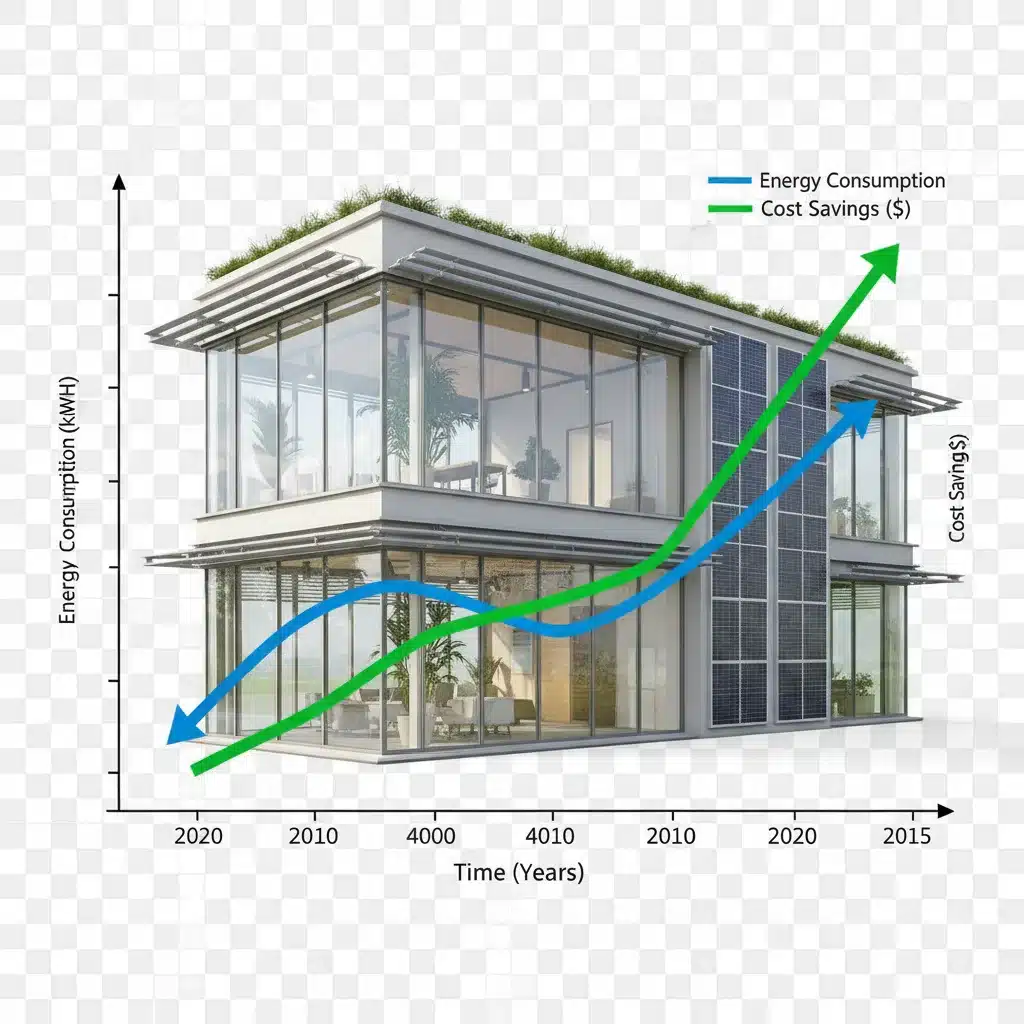
The most compelling reason for any business to undertake an energy audit is the significant financial savings it can unlock. Industry data consistently shows that businesses can reduce their energy consumption by 20-30% annually through effective implementation of audit recommendations. For larger enterprises, this translates into millions of dollars saved each year, directly impacting the bottom line.
Let’s break down the key benefits:
- Substantial Cost Reduction: This is the primary driver. Lower energy bills directly reduce operational expenses, freeing up capital that can be reinvested into growth, product development, or employee benefits. The 20-30% savings are often a conservative estimate, with some businesses achieving even higher reductions, especially those with historically inefficient operations.
- Improved Operational Efficiency: Identifying and rectifying energy waste often goes hand-in-hand with improving the overall efficiency of equipment and processes. Optimized systems run better, last longer, and require less maintenance, leading to further indirect savings.
- Enhanced Sustainability and ESG Performance: Reducing energy consumption directly lowers a business’s carbon footprint, contributing to environmental protection. This is crucial for meeting corporate sustainability goals, appealing to eco-conscious consumers, and satisfying investor demands for strong ESG performance.
- Increased Asset Value and Lifecycle: Upgrading to more energy-efficient equipment not only saves energy but also extends the lifespan of assets. Furthermore, buildings with higher energy efficiency ratings often command higher market values and lower vacancy rates.
- Regulatory Compliance and Risk Mitigation: Proactive energy management ensures compliance with evolving environmental regulations, avoiding potential fines and legal issues. It also mitigates the risk of future energy price volatility impacting profitability.
- Improved Employee Comfort and Productivity: Optimizing HVAC and lighting systems often results in a more comfortable and well-lit working environment, which can positively impact employee morale, health, and productivity.
- Positive Public Image and Brand Reputation: Demonstrating a commitment to energy efficiency and sustainability enhances a company’s public image, attracting talent, customers, and partners who value responsible business practices.
These multifaceted benefits illustrate why a business energy audit is not just an expense, but a strategic investment that yields significant returns across various aspects of a business.
Implementing Recommendations: Turning Insights into Action
Receiving a comprehensive energy audit report is only the first step. The real value comes from effectively implementing the recommended Energy Conservation Measures (ECMs). This requires a structured approach and commitment from leadership.
1. Prioritization Based on ROI and Strategic Goals
As mentioned, the audit report will typically include a financial analysis for each ECM. Businesses should prioritize projects with the shortest payback periods and highest ROI first. However, strategic goals also play a role. For instance, a company committed to carbon neutrality might prioritize a more expensive renewable energy installation over a quicker-payback lighting upgrade if it aligns better with their long-term vision.
2. Securing Funding and Incentives
Explore various funding options. Many governments and utility companies offer grants, rebates, tax credits, and low-interest loans for energy efficiency upgrades. Researching these incentives can significantly reduce the upfront cost of implementation and accelerate payback periods. A qualified energy auditor can often assist in identifying and applying for these programs.
3. Phased Implementation and Project Management
For larger facilities, it’s often practical to implement ECMs in phases. This allows businesses to spread out costs, minimize disruption to operations, and learn from initial projects. Robust project management is crucial to ensure that upgrades are completed on time, within budget, and to the required specifications.
4. Monitoring and Verification (M&V)
After implementing ECMs, it’s vital to monitor their performance and verify the actual energy savings. This involves tracking energy consumption post-implementation and comparing it against the baseline data. M&V ensures that the expected savings are realized and helps identify any further adjustments needed. This ongoing monitoring can be greatly facilitated by smart metering and energy management software.
5. Employee Engagement and Behavioral Changes
Many energy savings come from simple behavioral changes. Educating employees about energy-saving practices (e.g., turning off lights, unplugging electronics, proper thermostat usage) can yield significant results with minimal cost. Creating an energy-conscious culture within the organization is a powerful, ongoing ECM in itself.

Future Trends in Business Energy Auditing (Beyond 2026)
The field of energy auditing is not static; it’s continuously evolving. Looking beyond 2026, we can anticipate several key trends that will further enhance the effectiveness and scope of a business energy audit:
- Predictive Analytics and AI-driven Optimization: Expect even more sophisticated AI models that not only identify inefficiencies but also predict potential future problems and suggest proactive maintenance or optimization strategies before issues arise.
- Integration with Renewable Energy Systems: Audits will increasingly encompass the optimal integration of on-site renewable energy sources (solar, wind) and battery storage systems, analyzing their interaction with grid consumption and peak demand management.
- Focus on Circular Economy Principles: Beyond just reducing consumption, audits will consider the embodied energy in materials and equipment, promoting the use of recycled materials and longer product lifecycles to minimize overall energy footprint.
- Cybersecurity for Smart Buildings: As building management systems become more interconnected, energy audits will also need to incorporate assessments of cybersecurity vulnerabilities to protect critical infrastructure.
- Decentralized Energy Management: The rise of microgrids and peer-to-peer energy trading will introduce new complexities and opportunities for optimization that future energy audits will address.
- Human-Centric Design: Audits will increasingly consider the impact of energy efficiency measures on occupant well-being, leveraging data from environmental sensors (air quality, temperature, light) to ensure comfort and productivity are maintained or enhanced.
These trends highlight a future where energy management is not just about cost-cutting but about creating resilient, sustainable, and intelligent business environments. Staying ahead of these developments will be crucial for businesses aiming for long-term success.
Choosing the Right Energy Auditor for Your Business
The success of your business energy audit hinges significantly on selecting a qualified and experienced auditor or firm. Here are key considerations when making your choice:
- Experience and Credentials: Look for auditors with recognized certifications (e.g., Certified Energy Manager – CEM, Professional Engineer – PE) and a proven track record in your industry sector.
- Comprehensive Approach: Ensure the auditor offers a holistic assessment, covering all major energy-consuming systems and not just a superficial review.
- Technological Capability: Inquire about the tools and technologies they utilize (e.g., thermal imaging, data logging, advanced software) to ensure a modern and thorough audit.
- Clear Reporting and Actionable Recommendations: The audit report should be easy to understand, provide clear financial justifications, and offer practical, prioritized recommendations.
- Post-Audit Support: Some firms offer support during the implementation phase, including project management, M&V services, and assistance with incentive applications.
- References and Case Studies: Request references from previous clients and review case studies to gauge their effectiveness and client satisfaction.
Investing in a reputable energy auditor is an investment in the accuracy and effectiveness of your energy-saving initiatives. Don’t simply choose the cheapest option; prioritize expertise and comprehensive service.
Conclusion: The Imperative of a Business Energy Audit in 2026
As businesses navigate the complexities of 2026 and beyond, the strategic importance of a business energy audit cannot be overstated. It is a powerful tool for uncovering hidden waste, significantly reducing operational costs by 20-30% annually, and bolstering a company’s commitment to sustainability.
Beyond the immediate financial gains, an energy audit fosters a culture of efficiency, enhances brand reputation, ensures regulatory compliance, and positions businesses as leaders in responsible corporate citizenship. In an era where every dollar counts and environmental responsibility is paramount, a thorough energy audit is not just an option—it’s an imperative for sustainable growth and long-term profitability.
By embracing modern auditing techniques, leveraging advanced technologies, and committing to the implementation of recommendations, businesses can transform their energy consumption from a silent drain into a powerful lever for competitive advantage and a greener future.