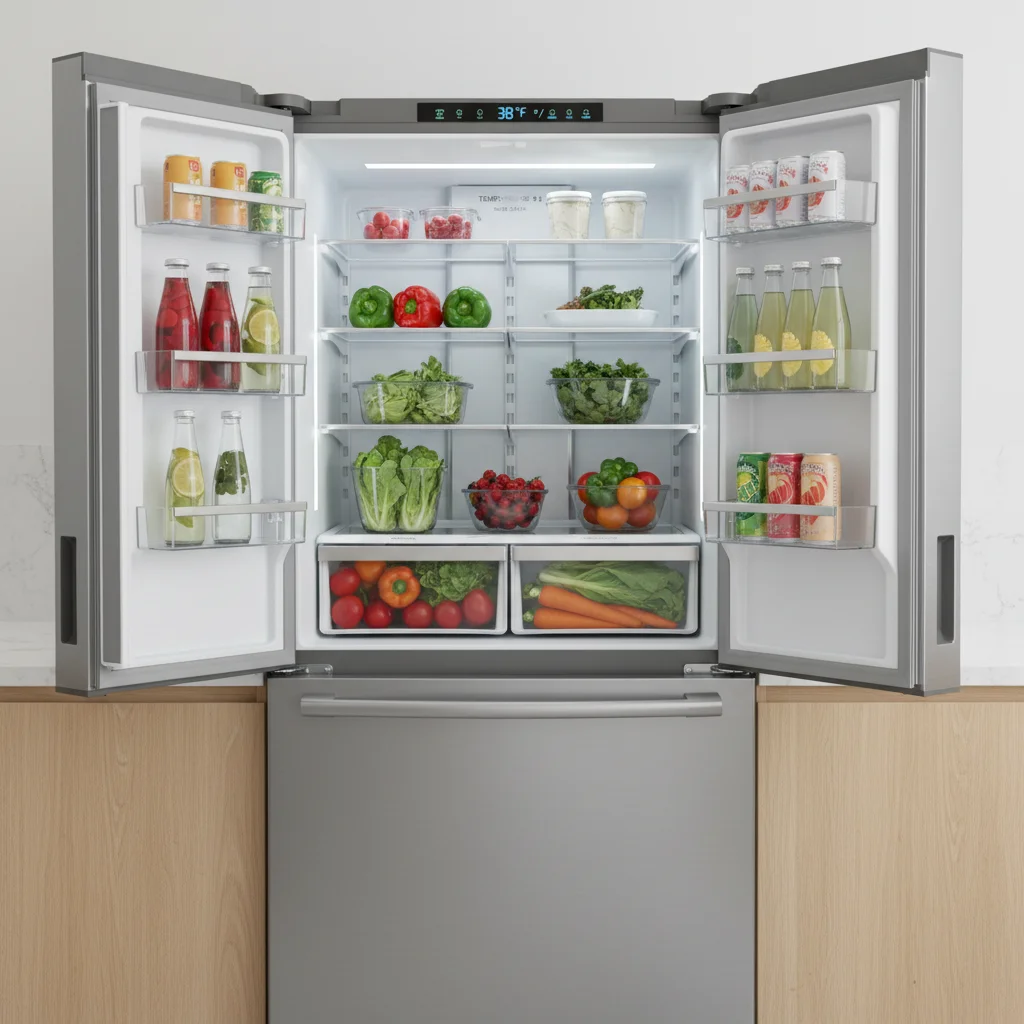
Unlock Significant Refrigerator Energy Savings Annually: A Comprehensive Guide
In an era where energy costs are constantly on the rise and environmental consciousness is paramount, every household is looking for ways to cut down on electricity consumption. One of the most significant energy culprits in any home is often the refrigerator. Running 24/7, 365 days a year, your refrigerator can account for a substantial portion of your electricity bill. However, what many people don’t realize is that with a few simple adjustments and consistent habits, you can achieve remarkable refrigerator energy savings, potentially reducing your annual energy consumption by up to 5% or even more. This isn’t just about saving money; it’s about contributing to a more sustainable planet.
This comprehensive guide will delve deep into the practical solutions and expert tips you need to optimize your refrigerator settings, improve its efficiency, and ultimately, put more money back into your pocket. From understanding the ideal temperature settings to mastering proper maintenance techniques and smart usage habits, we’ll cover everything you need to know to transform your refrigerator from an energy guzzler into an energy saver. Let’s embark on this journey to maximize your refrigerator energy savings and embrace a more energy-efficient lifestyle.
The Foundation of Refrigerator Energy Savings: Ideal Temperature Settings
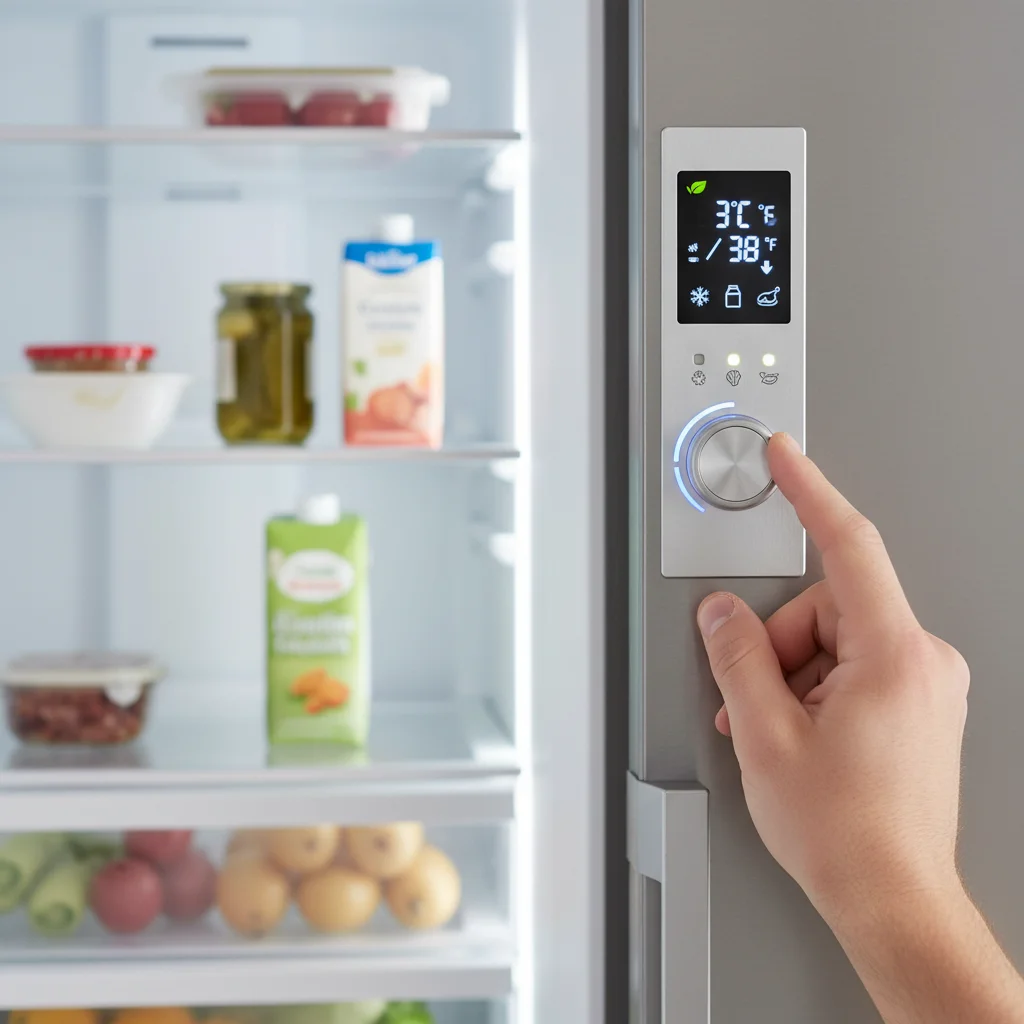
The first and most crucial step in achieving substantial refrigerator energy savings is ensuring your appliance is set to the correct temperature. Many people either set their refrigerator too cold, wasting energy, or not cold enough, risking food spoilage. Finding that sweet spot is key.
Understanding Recommended Temperatures
For the refrigerator compartment, the ideal temperature range is between 35°F (1.7°C) and 38°F (3.3°C). Any colder than this and you’re expending unnecessary energy without significant food preservation benefits. Any warmer, and you risk bacterial growth and premature spoilage of your perishables. For the freezer compartment, the recommended temperature is 0°F (-18°C). Maintaining this temperature ensures that food remains safely frozen, preserving its quality and preventing freezer burn.
Why These Temperatures Matter for Refrigerator Energy Savings
- Energy Efficiency: Every degree colder the refrigerator or freezer is set, the more energy it consumes. By adhering to the recommended range, you prevent your appliance from working harder than necessary.
- Food Safety: These temperatures are scientifically determined to inhibit the growth of most harmful bacteria, ensuring your food remains safe to eat for longer periods.
- Food Quality: Proper temperatures help maintain the texture, flavor, and nutritional value of your food, reducing waste.
It’s worth noting that temperature fluctuations can also impact energy use. Try to keep the door closed as much as possible and avoid placing hot food directly into the refrigerator, as this forces the compressor to work harder to bring the internal temperature back down.
Beyond Temperature: Strategic Placement for Maximum Efficiency
Where your refrigerator is located in your home can significantly impact its energy consumption. Often overlooked, strategic placement is a simple yet effective way to boost your refrigerator energy savings.
Avoiding Heat Sources
Your refrigerator works by removing heat from its interior. If it’s placed near a heat source, such as an oven, dishwasher, direct sunlight, or even a heating vent, it has to work much harder to maintain its internal temperature. This constant battle against external heat leads to increased energy consumption and wear and tear on the compressor. Ideally, position your refrigerator in the coolest part of your kitchen, away from direct heat and sunlight.
Ensuring Proper Air Circulation
Refrigerators generate heat as they operate, and this heat needs to dissipate. Modern refrigerators typically have condenser coils either at the back or underneath the unit. If there isn’t enough space around the refrigerator for air to circulate freely, this heat gets trapped, forcing the compressor to run longer and more frequently. Aim for at least 1-2 inches of space between the back of the refrigerator and the wall, and a few inches on the top and sides, if possible. This allows for efficient heat exchange, contributing to significant refrigerator energy savings.
Maintenance is Key: Unlocking Hidden Refrigerator Energy Savings
Like any appliance, regular maintenance is crucial for your refrigerator’s optimal performance and energy efficiency. Neglecting simple upkeep can lead to your refrigerator consuming far more energy than necessary.
Clean the Condenser Coils Regularly
The condenser coils are responsible for releasing heat from the refrigerant. Over time, these coils can accumulate dust, pet hair, and debris, especially if they are located at the back or underneath the unit. A layer of grime acts as an insulator, making it harder for the coils to dissipate heat. This forces the compressor to work harder and longer, consuming more energy. Cleaning the coils at least once or twice a year can yield noticeable refrigerator energy savings. Simply unplug the unit, locate the coils (usually at the back or behind a kick plate at the front), and use a vacuum cleaner with a brush attachment or a coil brush to remove the debris.
Check and Clean Door Gaskets
The door gaskets (the rubber seals around the refrigerator and freezer doors) are vital for maintaining a tight seal and preventing cold air from escaping. Over time, these gaskets can become brittle, cracked, or dirty, leading to air leaks. A leaky seal means your refrigerator has to constantly work to replace the lost cold air, significantly increasing energy consumption. Test your gaskets by closing the door on a dollar bill or a piece of paper; if it slips out easily, the seal is compromised. Clean the gaskets regularly with mild soap and water, and replace them if they are damaged. This simple check can prevent considerable energy waste and boost your refrigerator energy savings.
Defrost Your Freezer (Non-Frost-Free Models)
If you have an older, non-frost-free freezer, ice buildup is a common issue. A thick layer of ice reduces the freezer’s efficiency by insulating its contents and making the compressor work harder. Defrosting your freezer when the ice layer reaches about a quarter-inch thick is essential. This not only improves energy efficiency but also creates more storage space. While modern frost-free freezers handle this automatically, regular checks are still beneficial.
Smart Usage Habits for Enhanced Refrigerator Energy Savings
Beyond settings and maintenance, your daily habits play a significant role in your refrigerator’s energy consumption. Adopting smart usage practices can lead to surprising refrigerator energy savings.
Don’t Overfill, Don’t Underfill
There’s a delicate balance to strike when it comes to filling your refrigerator and freezer. An overstuffed refrigerator restricts air circulation, preventing cold air from reaching all items efficiently. This forces the unit to work harder. Conversely, an empty refrigerator also isn’t ideal. Food items act as thermal masses, helping to absorb and retain cold air. When the refrigerator is opened, these cold items help bring the temperature back down faster. Aim for a moderately full refrigerator and a relatively full freezer. If your freezer is often sparse, consider filling empty spaces with jugs of water or ice packs; they help maintain cold temperatures.
Plan Your Openings
Every time you open your refrigerator door, warm air rushes in, and cold air escapes. This forces the compressor to kick in and work to bring the internal temperature back down. Try to minimize the frequency and duration of door openings. Plan your meals and retrieve all necessary ingredients in one go rather than opening the door multiple times. This simple habit can significantly reduce the workload on your refrigerator and contribute to your refrigerator energy savings.
Cool Food Before Refrigerating
Placing hot or even warm food directly into the refrigerator is a major energy drain. The refrigerator has to expend a lot of energy to cool that food down to its internal temperature, making the compressor run longer. Always allow hot food to cool down to room temperature before storing it in the refrigerator. This not only saves energy but also helps prevent raising the internal temperature of the refrigerator, which could affect other stored items.
Organize for Efficiency
A well-organized refrigerator means less time spent rummaging for items with the door open. Group similar items together, use clear containers, and designate specific shelves for certain types of food. This allows you to quickly grab what you need and close the door, minimizing cold air loss and maximizing your refrigerator energy savings.

Advanced Tips for Maximizing Refrigerator Energy Savings
For those looking to go the extra mile, these advanced tips can further boost your refrigerator energy savings and ensure your appliance is performing at its peak.
Monitor Humidity Levels
Some refrigerators, especially older models, might struggle with humidity control. High humidity can lead to increased frost buildup in the freezer and condensation in the refrigerator, both of which can impact efficiency. While modern refrigerators often have humidity-controlled crisper drawers, ensure they are used correctly. For older models, you might consider using moisture absorbers if humidity is a persistent issue, though this is less common.
Consider a Second Refrigerator’s Location and Necessity
Many households have a second refrigerator, often in the garage or basement. While convenient, these secondary units can be massive energy hogs, especially if they are older models. If you have a second refrigerator, ensure it’s not an ancient, inefficient model. Furthermore, if it’s in an unconditioned space like a garage, extreme temperature fluctuations can force it to work overtime, consuming even more energy. Consider if you truly need a second refrigerator, or if you can manage with just one optimized unit. If you do keep one, ensure it’s an Energy Star certified model and consider its placement carefully to avoid excessive heat.
Utilize Energy Saver Features
Many modern refrigerators come with energy saver modes or features. These might include vacation modes, adaptive defrost, or external display shut-off options. Familiarize yourself with your refrigerator’s manual and activate any available energy-saving features. Adaptive defrost, for instance, monitors usage patterns and defrosts only when necessary, rather than on a fixed schedule, saving considerable energy.
Check for Leveling
A refrigerator that isn’t level can put undue stress on its components, particularly the compressor, as well as compromise the door seal. Use a level to check if your refrigerator is sitting evenly on the floor. Most refrigerators have adjustable feet that can be twisted to raise or lower corners, ensuring the unit is stable and the doors close properly, contributing to better refrigerator energy savings.
Understand Your Refrigerator’s Age and Efficiency
While optimizing settings and maintenance can significantly improve the efficiency of any refrigerator, there comes a point where an old unit simply cannot compete with the energy efficiency of newer models. Refrigerators made before 1993 can use twice as much energy as newer, Energy Star certified models. If your refrigerator is more than 10-15 years old, even with perfect maintenance, you might be losing out on substantial refrigerator energy savings. Investing in a new, energy-efficient model could lead to considerable long-term savings on your electricity bill and a reduced carbon footprint. Look for the Energy Star label, which indicates that the appliance meets strict energy efficiency guidelines set by the U.S. Environmental Protection Agency.
The Economic and Environmental Impact of Refrigerator Energy Savings
The cumulative effect of implementing these tips extends far beyond just a slightly lower electricity bill. The impact of focused refrigerator energy savings is both economic and environmental, offering benefits that resonate throughout your household and the wider community.
Direct Financial Benefits
By achieving even a modest 5% annual reduction in your refrigerator’s energy consumption, you’re looking at tangible savings on your utility bills. Over the lifespan of the appliance, these savings can add up to hundreds of dollars. This freed-up capital can then be allocated to other household needs or savings goals. Furthermore, reducing energy demand helps to stabilize electricity prices in the long run, benefiting all consumers.
Reduced Carbon Footprint
Every kilowatt-hour of electricity saved means less energy needs to be generated, which in turn means fewer greenhouse gas emissions from power plants. Your efforts in optimizing refrigerator energy savings directly contribute to combating climate change and reducing air pollution. It’s a small but significant step towards a greener, more sustainable planet, demonstrating a commitment to environmental stewardship.
Extended Appliance Lifespan
When your refrigerator operates efficiently, its components, especially the compressor, work less strenuously. This reduced wear and tear can extend the overall lifespan of your appliance, delaying the need for costly repairs or premature replacement. An appliance that lasts longer is also a win for the environment, as it reduces waste in landfills and the resources needed for manufacturing new units.
Improved Food Preservation
Optimal temperature settings and proper maintenance ensure your food stays fresh and safe for longer. This reduces food waste, which is not only an economic benefit (less money spent on replacing spoiled food) but also an environmental one, as food waste in landfills contributes to methane emissions, a potent greenhouse gas.
Increased Comfort and Peace of Mind
An efficiently running refrigerator is often a quieter refrigerator. Reduced compressor cycles can lead to a less noisy kitchen environment. Moreover, knowing that you are doing your part to save energy and money provides a sense of accomplishment and peace of mind, contributing to a more comfortable and responsible home life.
Conclusion: Your Path to Sustainable Refrigerator Energy Savings
Achieving significant refrigerator energy savings is not a daunting task, but rather a series of simple, actionable steps that anyone can implement. From setting the ideal temperature and ensuring proper placement to diligent maintenance and smart usage habits, every effort contributes to a more efficient appliance and a healthier planet. By consistently applying the tips outlined in this guide, you can confidently expect to see a noticeable reduction in your electricity bill, a smaller carbon footprint, and an extended lifespan for your refrigerator.
Embrace these practical solutions not just as a means to save money, but as an integral part of a sustainable lifestyle. Your refrigerator, a silent workhorse in your kitchen, holds immense potential for energy optimization. By unlocking this potential, you’re not only investing in your financial well-being but also in the health of our planet. Start today, and witness the tangible benefits of smart refrigerator energy savings firsthand.