Solar Panel Longevity: Expert Maintenance for 10+ Years
Solar Panel Longevity: Expert Maintenance for 10+ Years of Residential Power
As homeowners increasingly turn to renewable energy, solar panel systems have become a cornerstone of sustainable living and significant long-term savings. The initial investment in solar panels is substantial, and naturally, every owner wants to ensure their system delivers maximum performance and lasts for its projected lifespan, and even beyond. While many manufacturers offer warranties of 20-25 years, the actual longevity and efficiency of your solar array heavily depend on consistent and effective solar panel maintenance. This comprehensive guide will delve into the essential practices, tips, and considerations to help you extend your residential solar system’s life by a decade or more, ensuring you continue to harness clean energy and reap financial benefits for years to come.
Understanding the importance of proactive care is the first step. Think of your solar panels like any other significant home appliance or vehicle; without regular upkeep, performance degrades, and costly issues can arise. With proper solar panel maintenance, you’re not just protecting your investment; you’re optimizing your energy production, enhancing your home’s value, and contributing more effectively to a greener planet. Let’s explore how to achieve this.
The Fundamentals of Solar Panel Longevity: Why Maintenance Matters
Before diving into specific tasks, it’s crucial to grasp why regular solar panel maintenance is non-negotiable. Your solar panels are constantly exposed to the elements: sun, rain, wind, dust, pollen, bird droppings, and even snow. Over time, these environmental factors can diminish their efficiency and accelerate wear and tear. A well-maintained system, however, can consistently convert sunlight into electricity at optimal levels, leading to:
- Maximized Energy Production: Clean panels absorb more sunlight. Even a thin layer of dust can reduce efficiency by 5-20%.
- Extended Lifespan: Regular inspections can catch minor issues before they escalate into major, expensive problems, prolonging the system’s operational life.
- Higher Return on Investment (ROI): Consistent efficiency means more electricity generated, directly translating to lower utility bills and faster payback on your initial investment.
- Preserved Warranty: Many solar panel warranties require proof of regular maintenance to remain valid. Neglecting care could void your warranty, leaving you exposed to repair costs.
- Increased Home Value: A well-maintained, high-performing solar system is an attractive feature for potential homebuyers, adding significant value to your property.
- Environmental Impact: A more efficient system means a greater reduction in your carbon footprint, contributing more significantly to environmental sustainability.
Given these compelling reasons, it’s clear that neglecting solar panel maintenance is a false economy. Investing time and effort into upkeep now will pay dividends for decades.
DIY Solar Panel Cleaning: A Step-by-Step Guide for Homeowners
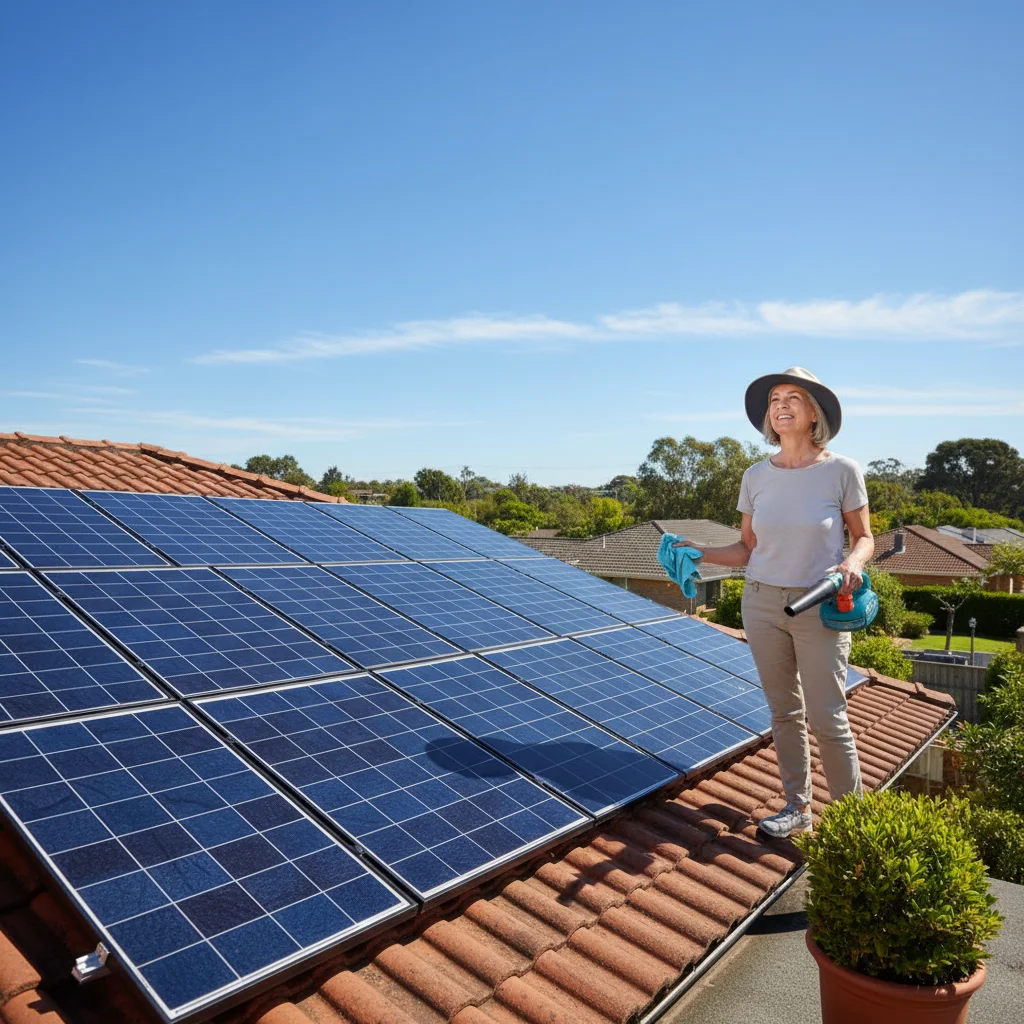
One of the most straightforward and impactful aspects of solar panel maintenance is regular cleaning. While some homeowners prefer professional cleaning services, many can safely perform this task themselves, provided they take the necessary precautions. The frequency of cleaning depends on your local environment – areas with high dust, pollen, or frequent bird activity will require more frequent cleaning than those with less environmental pollution.
When to Clean Your Solar Panels
- Visual Inspection: If you can see a noticeable layer of dirt, dust, leaves, or bird droppings, it’s time to clean.
- Performance Monitoring: If your energy monitoring system shows a sudden, unexplained dip in power production, dirt could be the culprit.
- Seasonal Cleaning: A good rule of thumb is to clean your panels 2-4 times a year, typically after pollen season, after heavy winds, or before seasons with peak sunlight (e.g., spring/early summer).
- Post-Event Cleaning: After a dust storm, heavy snowfall (once melted), or any significant environmental event, check your panels for debris.
What You’ll Need for DIY Cleaning
- Safety Gear: Non-slip shoes, safety goggles, and gloves are essential. If working at height, always use a stable ladder and consider a safety harness.
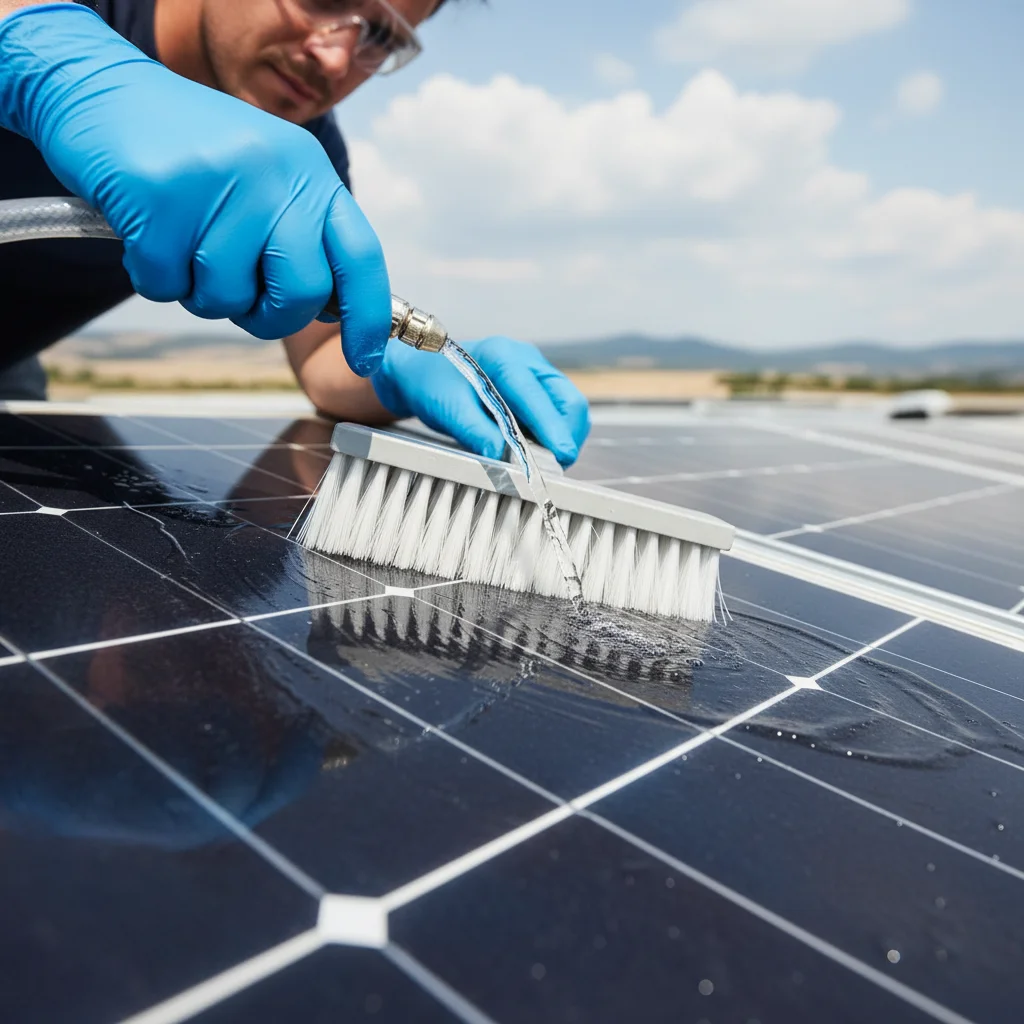
- Soft Brush or Squeegee: Never use abrasive materials that could scratch the panel surface. A soft-bristled brush or a squeegee with a soft rubber blade is ideal.
- Garden Hose with a Spray Nozzle: For rinsing. Avoid high-pressure washers, as they can damage seals or force water into electrical components.
- Purified or Deionized Water: Tap water can leave mineral deposits (streaks or spots) that reduce efficiency. If purified water isn’t feasible, clean on an overcast day or early morning/late evening to allow panels to air dry slowly without spotting.
- Mild, Biodegradable Soap (Optional): Only if panels are heavily soiled. Ensure it’s non-abrasive and specifically designed for solar panels or glass.
- Extension Pole: To reach panels safely from the ground or a secure ladder.
The DIY Cleaning Process
- Safety First: Choose a safe time to clean. Avoid direct hot sun, as water will evaporate too quickly, leaving spots. Early morning or late evening, or an overcast day, is best. Ensure the panels are cool to the touch.
- Turn Off the System (Optional but Recommended): While generally safe to clean live panels, turning off the inverter or disconnecting the system from the grid adds an extra layer of safety, especially if you’ll be working near wiring. Consult your installer’s manual.
- Initial Rinse: Use your garden hose to spray down the panels, removing loose dirt, dust, and debris. Start from the top and work your way down.
- Gentle Scrub (If Needed): If stubborn dirt remains, apply a small amount of mild, biodegradable soap to your soft brush or squeegee. Gently scrub the panel surface. Do not apply excessive pressure.
- Thorough Rinse: Rinse the panels thoroughly with purified water until all soap residue and loosened dirt are gone. Again, work from top to bottom.
- Air Dry: Allow the panels to air dry. If you used purified water on a non-sunny day, spotting should be minimal or non-existent.
Important Considerations:
- Never stand on your solar panels. This can damage the glass, cells, or mounting structure.
- Do not use abrasive cleaning tools or chemicals. This includes scouring pads, harsh detergents, or window cleaners containing ammonia, which can degrade the panel’s anti-reflective coating.
- Be mindful of electrical components. Avoid spraying water directly into the junction boxes, wiring, or inverter.
Professional Solar Panel Maintenance: Beyond Basic Cleaning
While DIY cleaning is essential, it only covers one aspect of comprehensive solar panel maintenance. For a truly robust system, professional inspections and maintenance are invaluable. Experts can identify issues that are invisible to the untrained eye and perform tasks that require specialized tools and knowledge. It’s recommended to have a professional inspection at least once every 1-3 years, depending on your system’s age and environmental exposure.
What Professional Maintenance Typically Includes:
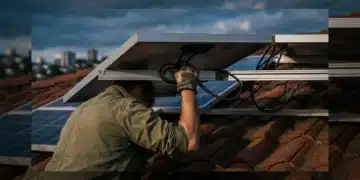
- Thorough Visual Inspection: Technicians will inspect panels for cracks, delamination, hot spots (which can indicate cell damage), discoloration, or any physical damage. They’ll also check the mounting hardware for corrosion or loosening.
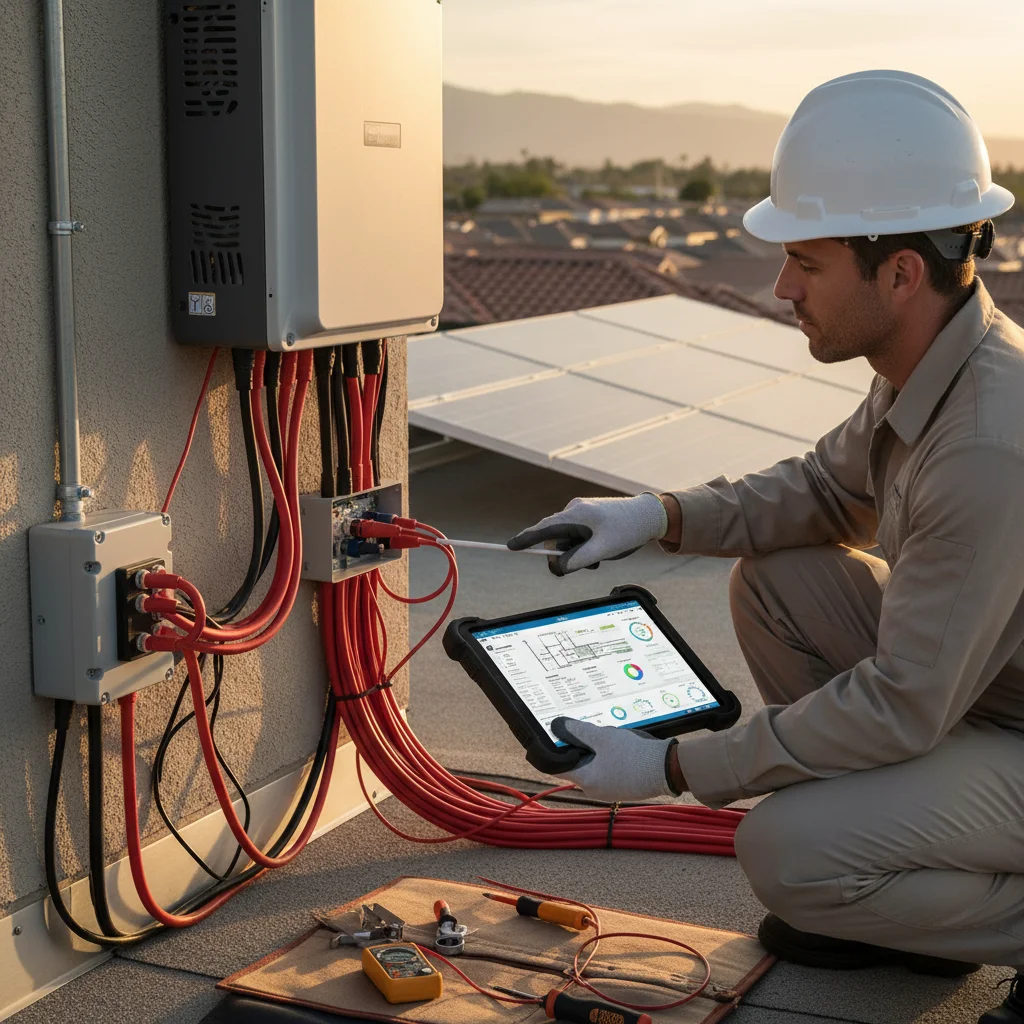
- Wiring and Electrical Component Check: This is critical. Professionals will inspect all wiring for fraying, rodent damage, loose connections, and proper grounding. They will also examine the inverter(s), optimizers, and monitoring equipment for proper functionality and signs of wear.
- Inverter Performance Analysis: The inverter is the heart of your system, converting DC power to AC power. Professionals will use diagnostic tools to ensure it’s operating efficiently and detect any potential faults or underperformance.
- Shading Analysis: Over time, trees can grow, or new structures can be built that cast shadows on your panels. A professional can re-evaluate shading and suggest solutions if necessary (e.g., tree trimming).
- Performance Testing: Using specialized equipment, technicians can test individual panel output and overall system performance to ensure it meets expected benchmarks. This helps identify underperforming panels or components.
- Module-Level Optimization Check: For systems with microinverters or power optimizers, professionals will verify that each module is performing optimally and communicating correctly within the system.
- Pest and Debris Removal: While you can remove some debris, professionals are equipped to handle larger accumulations, nests (birds, wasps), or pest infestations that might be affecting your system.
- Reporting and Recommendations: A reputable professional will provide a detailed report of their findings, including any identified issues, recommended repairs, and suggestions for optimizing your system’s performance.
Benefits of Professional Solar Panel Maintenance:
- Early Detection of Issues: Experts can spot subtle problems (e.g., micro-cracks, electrical faults) that could lead to significant failures if left unaddressed.
- Safety: Working on rooftops and with electrical systems carries inherent risks. Professionals are trained and equipped to handle these tasks safely.
- Optimized Performance: Regular professional checks ensure your system consistently operates at its peak efficiency, maximizing your energy savings.
- Warranty Compliance: Documented professional maintenance can be crucial for honoring warranty claims.
- Peace of Mind: Knowing your system is in expert hands provides assurance that your investment is protected.
When choosing a professional, look for certified solar technicians or companies with a strong track record and good reviews. Inquire about their specific services, pricing, and whether they offer maintenance contracts.
Common Issues and How Proactive Maintenance Prevents Them
Understanding the common culprits behind solar panel degradation can help you be more proactive in your solar panel maintenance efforts. Many issues can be mitigated or prevented with regular care:
1. Dirt, Dust, and Debris Accumulation
- Problem: Reduces sunlight absorption, leading to decreased energy output.
- Prevention/Solution: Regular DIY cleaning (2-4 times a year or as needed) and professional cleaning for stubborn grime.
2. Bird Droppings and Nests
- Problem: Highly corrosive bird droppings can etch panel surfaces if left for extended periods; nests can cause shading or even fire hazards near wiring.
- Prevention/Solution: Prompt removal of droppings during cleaning. Consider installing bird deterrents or mesh around the panels to prevent nesting.
3. Shading
- Problem: Even partial shading can significantly reduce the output of an entire string of panels, especially with older inverter technologies.
- Prevention/Solution: Regularly trim nearby trees and vegetation. Professional installers can also re-evaluate shading patterns during maintenance.
4. Loose or Damaged Wiring
- Problem: Can lead to reduced power flow, intermittent production, or even electrical hazards. Rodents are often culprits.
- Prevention/Solution: Professional electrical inspections are crucial. Consider rodent-proofing measures around wiring and conduits.
5. Inverter Malfunctions
- Problem: The inverter is a complex electronic component and a common point of failure. A failing inverter means no power conversion.
- Prevention/Solution: Regular professional checks of inverter performance and diagnostics. Ensure proper ventilation around the inverter to prevent overheating.
6. Hot Spots and Cell Degradation
- Problem: Hot spots are localized areas of higher temperature on a panel, often caused by shading, manufacturing defects, or accumulated debris. They can lead to permanent cell damage and reduced efficiency.
- Prevention/Solution: Regular cleaning to prevent debris accumulation. Professional thermal imaging during inspections can detect hot spots early.
7. Physical Damage
- Problem: Cracks, delamination (separation of layers), or hail damage can severely compromise panel integrity and performance.
- Prevention/Solution: While some damage is unavoidable (e.g., severe hail), regular visual inspections can catch minor issues before they worsen. Ensure your home insurance covers solar panel damage.
Monitoring Your Solar System’s Performance
Beyond physical solar panel maintenance, actively monitoring your system’s performance is a critical, often overlooked, aspect of ensuring its longevity and efficiency. Most modern solar systems come with monitoring capabilities, often accessible via a smartphone app or web portal. This allows you to track real-time and historical energy production.
What to Look For in Your Monitoring Data:
- Consistent Output: Your system’s output should generally align with expected production based on weather conditions and time of year.
- Sudden Dips: An unexpected, significant drop in production on a clear, sunny day is a red flag. This could indicate dirt accumulation, a faulty panel, or an inverter issue.
- Individual Panel Performance (if applicable): Systems with microinverters or power optimizers allow you to monitor individual panel output. This is invaluable for pinpointing underperforming modules.
- Error Messages: Pay attention to any error codes or alerts generated by your monitoring system.
By regularly checking your monitoring data (even a quick glance once a week can be beneficial), you can quickly identify potential problems and address them before they impact your energy savings significantly. This proactive approach is a cornerstone of effective solar panel maintenance.
Extending Your Solar Panel Warranty and Life
Understanding and adhering to your solar panel and inverter warranties is vital for long-term protection. Most manufacturers offer:
- Product Warranty: Covers defects in manufacturing, typically 10-12 years.
- Performance Warranty: Guarantees that the panels will produce a certain percentage of their rated power output for 20-25 years (e.g., 90% after 10 years, 80% after 25 years).
To ensure these warranties remain valid, it’s crucial to:
- Follow Manufacturer Guidelines: Adhere to their recommendations for cleaning and maintenance.
- Document Maintenance: Keep records of all cleaning, inspections, and repairs, whether DIY or professional. This documentation can be invaluable for warranty claims.
- Use Certified Professionals: For any repairs or complex maintenance, ensure you use technicians certified by the manufacturer or reputable solar companies.
By diligently following these guidelines, you not only protect your warranty but also actively contribute to extending the actual operational life of your solar system. Many well-maintained solar arrays continue to produce significant power well beyond their 25-year warranty period, often reaching 30 years or more.
The Environmental and Financial Rewards of Diligent Maintenance
The commitment to regular solar panel maintenance extends far beyond the immediate financial savings on your utility bills. It’s an investment in sustainable living and a testament to responsible homeownership.
Environmental Benefits:
- Maximized Carbon Reduction: An efficiently running solar system offsets more carbon emissions, contributing more significantly to combating climate change.
- Reduced Resource Consumption: By prolonging the life of your panels, you reduce the demand for new manufacturing and the associated resource extraction and waste generation.
- Role Model for Sustainability: A well-maintained, high-performing solar home serves as an example for neighbors and communities, encouraging broader adoption of renewable energy.
Financial Rewards:
- Consistent Energy Savings: Optimal performance translates directly to lower or even zero electricity bills for decades.
- Increased Property Value: A solar system that is demonstrably well-maintained and performing optimally is a major selling point, often commanding a higher resale value for your home.
- Avoidance of Costly Repairs: Proactive maintenance catches small issues before they become expensive problems, saving you significant repair or replacement costs.
- Potential for Energy Credits/Incentives: In some regions, a highly efficient system might qualify for ongoing performance-based incentives or credits.
Conclusion: Your Path to a Decade-Plus of Solar Power
Investing in a residential solar panel system is a smart financial and environmental decision. However, the true return on that investment—both in terms of energy savings and environmental impact—is directly tied to your commitment to solar panel maintenance. From simple DIY cleaning routines to comprehensive professional inspections, every step you take contributes to the longevity and efficiency of your system. By adopting a proactive approach to care, monitoring performance, and understanding your warranty, you can confidently expect your solar panels to not only meet their projected lifespan but to exceed it, potentially powering your home for 10, 15, or even 20+ years beyond the standard warranty period. Embrace these maintenance tips, and enjoy the abundant, clean energy your solar system provides for decades to come.