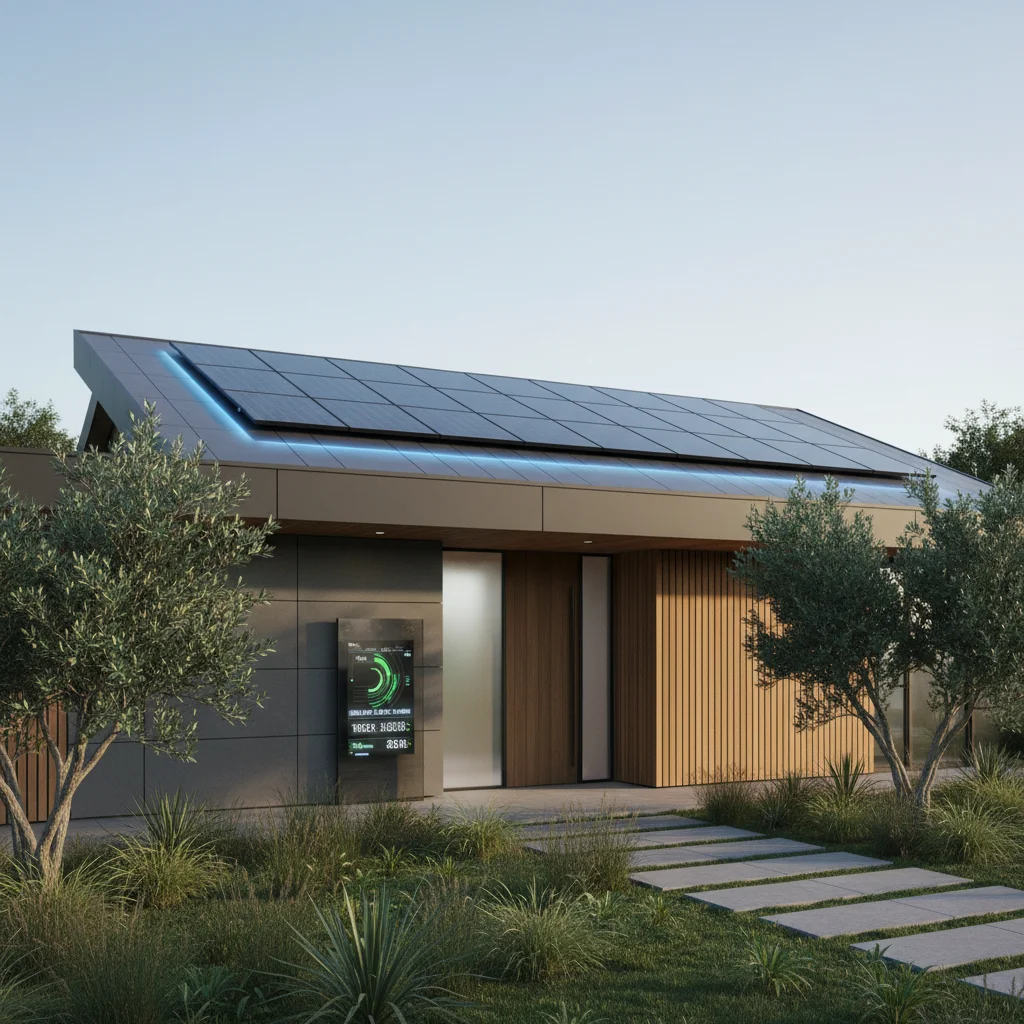
Residential Solar System Upgrades 2026: What’s New for Your Home?
The dawn of 2026 brings with it a wave of innovation, especially in the realm of sustainable living and home energy. For homeowners considering a leap into renewable energy or looking to enhance their existing setups, understanding the latest Residential Solar Upgrades is paramount. The landscape of solar technology is evolving at an unprecedented pace, offering more efficiency, better aesthetics, and smarter integration than ever before. This comprehensive guide will delve into the cutting-edge advancements, essential considerations, and future trends shaping residential solar systems in 2026.
Gone are the days when solar panels were bulky, inefficient, and a significant investment with slow returns. Today, we stand at the precipice of a solar revolution, where advanced materials, sophisticated software, and innovative financing models are making solar power more accessible and appealing to a broader audience. Whether you’re a first-time solar adopter or an existing owner looking to boost your system’s performance, these Residential Solar Upgrades promise a brighter, more sustainable future for your home.
The Evolution of Solar Panels: Beyond Basic Photovoltaics
At the heart of any solar system are the panels themselves. For 2026, the focus for Residential Solar Upgrades is firmly on maximizing efficiency, durability, and aesthetic integration. Here’s what’s new:
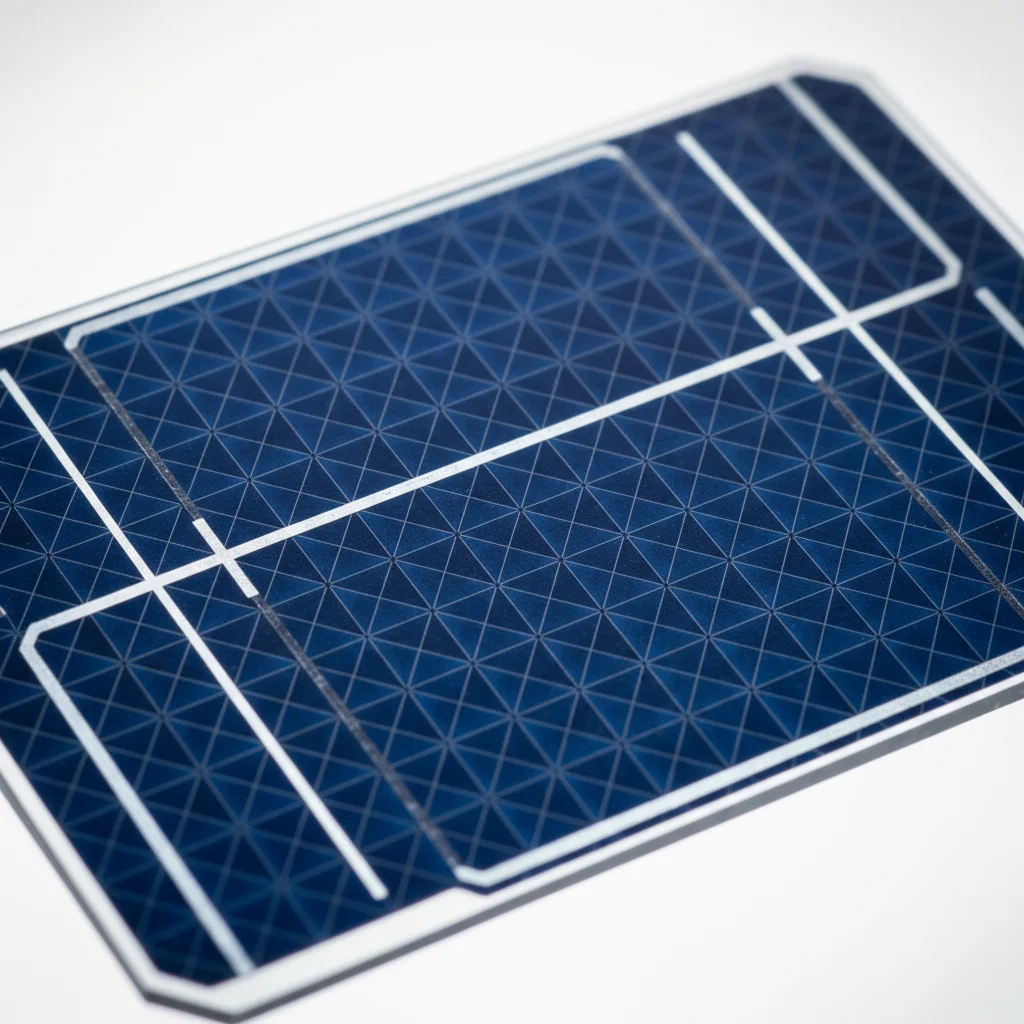
- Perovskite and Tandem Cells: While silicon-based panels remain the industry standard, perovskite technology is rapidly maturing. Perovskite cells boast higher efficiencies, especially in low-light conditions, and are more flexible and lightweight. Tandem cells, which combine perovskite and silicon layers, are pushing theoretical efficiency limits, allowing homeowners to generate more power from a smaller footprint. This means fewer panels needed for the same energy output, or significantly more power from your existing roof space.
- Improved Monocrystalline PERC Panels: Polycrystalline panels are largely being phased out in favor of monocrystalline panels, particularly those utilizing Passivated Emitter and Rear Cell (PERC) technology. These panels offer superior efficiency and performance in warmer climates due to better temperature coefficients. For 2026, expect even more refined PERC designs, leading to incremental but significant gains in energy conversion.
- Bifacial Solar Panels: Once primarily for commercial applications, bifacial panels are gaining traction in residential settings. These panels can capture sunlight from both their front and rear sides, increasing overall energy production. When installed on reflective surfaces or elevated structures, they can boost energy yield by an additional 5-20%, making them a compelling option for maximizing energy capture.
- Integrated Solar Roof Tiles and Shingles: For homeowners prioritizing aesthetics, integrated solar roof tiles and shingles are becoming virtually indistinguishable from traditional roofing materials. Companies are perfecting designs that offer the durability and weather resistance of conventional roofs while seamlessly generating electricity. These solutions are ideal for new constructions or complete roof replacements, offering a clean, modern look without visible panels.
- Enhanced Durability and Warranties: Manufacturers are continually improving the resilience of solar panels against extreme weather conditions, including hail, high winds, and heavy snow. Coupled with longer and more comprehensive warranties (often 25-30 years for performance and product), these advancements provide greater peace of mind for homeowners investing in Residential Solar Upgrades.
The Power of Storage: Advanced Battery Solutions
Solar energy is most valuable when it’s available when you need it most. This is where battery storage comes into play, and 2026 is seeing significant leaps in this critical component of Residential Solar Upgrades.
- Higher Capacity and Power Output: New battery technologies, particularly advancements in lithium-ion chemistries (e.g., LFP – Lithium Iron Phosphate), are delivering higher energy densities, meaning more stored power in a smaller, lighter package. This translates to longer backup times and the ability to power more appliances during outages.
- Faster Charging and Discharging Rates: Modern batteries can charge and discharge more rapidly, allowing for more efficient capture of excess solar generation and quicker deployment of stored energy when demand peaks.
- Improved Cycle Life and Warranties: The lifespan of solar batteries is extending significantly. Many new models come with warranties guaranteeing thousands of charge cycles, ensuring reliable performance for over a decade. This reduces the long-term cost of ownership and enhances the overall value proposition of battery storage as a Residential Solar Upgrade.
- Modular and Scalable Systems: Battery systems are becoming more modular, allowing homeowners to start with a smaller capacity and easily expand their storage as their energy needs grow or as budget permits. This flexibility makes battery integration more accessible.
- Enhanced Safety Features: Safety remains a top priority. Manufacturers are incorporating advanced thermal management systems, fire suppression, and robust enclosures to ensure the safe operation of residential battery storage units.
- Vehicle-to-Grid (V2G) and Vehicle-to-Home (V2H) Integration: For electric vehicle (EV) owners, the synergy between EVs and home solar is a game-changer. V2G and V2H technologies allow your EV battery to act as a mobile power bank for your home or even feed surplus energy back to the grid, further maximizing your energy independence and potentially generating revenue.
Smart Energy Management: The Brains Behind Your Solar System
A powerful solar system is only as good as its management. In 2026, smart energy management systems are becoming indispensable Residential Solar Upgrades, offering unparalleled control and optimization.
- AI-Powered Optimization: Artificial Intelligence (AI) is at the forefront of energy management. AI algorithms analyze historical energy consumption patterns, weather forecasts, and electricity pricing (including time-of-use rates) to intelligently manage energy flow. This means your system can automatically decide whether to use solar power directly, store it in batteries, or sell it back to the grid for maximum financial benefit.
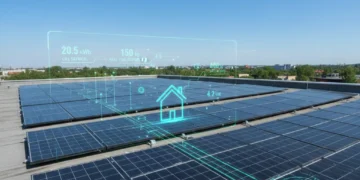
- Integrated Home Energy Management Systems (HEMS): HEMS platforms are evolving into comprehensive dashboards that integrate solar production, battery storage, EV charging, smart appliances, and even HVAC systems. Homeowners can monitor and control their entire energy ecosystem from a single interface, often via a smartphone app.
- Predictive Analytics: These systems can predict future energy needs and solar output, allowing for proactive adjustments. For instance, if a storm is predicted, the system might prioritize fully charging the battery from the grid (if cheaper) or solar, ensuring backup power.
- Load Shifting and Demand Response: Smart systems can automatically shift energy-intensive tasks (like running a dishwasher or charging an EV) to times when solar production is high or electricity rates are low. They can also participate in demand response programs, where utilities pay homeowners to reduce their energy consumption during peak grid stress, further monetizing your solar investment.
- Cybersecurity Enhancements: As smart homes become more interconnected, cybersecurity is critical. New systems incorporate advanced encryption and security protocols to protect your data and prevent unauthorized access to your home’s energy infrastructure.
Installation and Integration: Streamlined Processes
The process of installing and integrating Residential Solar Upgrades is also becoming more efficient and less disruptive.
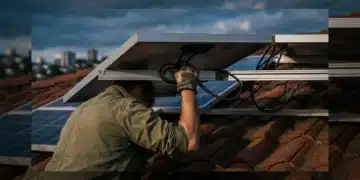
- Modular and Pre-fabricated Components: Many system components are now modular and pre-fabricated, reducing on-site installation time and labor costs. This leads to quicker project completion and less inconvenience for homeowners.
- Advanced Mounting Systems: New mounting technologies are designed for faster installation, improved roof protection, and enhanced aesthetics. These systems often require fewer penetrations into the roof, reducing the risk of leaks and preserving roof integrity.
- Digital Permitting and Design Tools: The administrative side of solar installation is also getting an upgrade. Digital permitting platforms and advanced 3D design software help streamline the approval process and ensure optimal system design, leading to fewer delays.
Financial Incentives and Models: Making Solar More Affordable
The financial landscape for Residential Solar Upgrades continues to be favorable, with various incentives and innovative financing options making solar more accessible than ever.
- Federal Tax Credits (ITC): The Investment Tax Credit (ITC) remains a significant incentive, offering a substantial percentage of the system cost back as a tax credit. While the exact percentage may fluctuate, it continues to be a cornerstone of solar affordability. Homeowners should always check the latest federal guidelines for the most current information.
- State and Local Incentives: Beyond federal programs, many states and local municipalities offer their own incentives, including rebates, property tax exemptions, and performance-based incentives (PBIs) like Solar Renewable Energy Credits (SRECs). These can significantly reduce the net cost of your solar system.
- Net Metering and Buyback Programs: Net metering policies, where homeowners receive credit for excess electricity fed back to the grid, are evolving. While some areas are transitioning to ‘net billing’ or ‘buyback’ programs, these still provide financial benefits for generating more power than you consume. Understanding your local utility’s policies is crucial.
- Innovative Financing Options:
- Solar Loans: Traditional loans are becoming more competitive, with lower interest rates and longer repayment terms, making ownership more attainable without a large upfront investment.
- Power Purchase Agreements (PPAs) and Solar Leases: For those who prefer not to own their system, PPAs and leases allow homeowners to pay a fixed monthly rate for electricity generated by panels installed on their property by a third party. This removes the upfront cost and maintenance responsibilities.
- Community Solar Programs: For homes unsuitable for rooftop solar, community solar initiatives allow residents to subscribe to a share of a larger, off-site solar project and receive credits on their electricity bills.

Future Trends and Considerations for Your Residential Solar Upgrades
Looking ahead, several trends will continue to shape the residential solar market, influencing future Residential Solar Upgrades:
- Grid Modernization and Decentralization: The grid is becoming smarter and more decentralized. Residential solar, especially when paired with storage, plays a crucial role in creating a more resilient and efficient energy infrastructure. This means greater opportunities for homeowners to participate in grid services and earn revenue.
- Electrification of Everything: As homes electrify (EVs, heat pumps, induction cooktops), the demand for electricity will rise. Solar systems, particularly those with storage, become even more critical for managing these increased loads sustainably and cost-effectively.
- Circular Economy Principles: The solar industry is increasingly focusing on the entire lifecycle of solar products, from sustainable manufacturing to recycling and end-of-life management. Expect more transparency and options for recycling old panels and batteries.
- Enhanced Resilience and Energy Independence: With increasing climate-related disruptions, the ability of a solar-plus-storage system to provide backup power during outages is a primary driver for many homeowners. These Residential Solar Upgrades offer a significant step towards true energy independence and resilience.
- AI and Machine Learning Integration: As mentioned, AI will continue to deepen its integration into every aspect of solar management, making systems more autonomous, efficient, and responsive to real-time conditions and homeowner preferences.
Choosing the Right Residential Solar Upgrades for You
Navigating the options for Residential Solar Upgrades can seem daunting, but a strategic approach can simplify the process:
- Assess Your Energy Needs: Start by understanding your current and projected electricity consumption. Factor in any future plans like EV purchases or appliance upgrades.
- Evaluate Your Property: Consider your roof’s age, condition, orientation, and shading. These factors will dictate the optimal panel type and system size.
- Research Local Incentives: Thoroughly investigate all federal, state, and local incentives available in your area. These can significantly impact the financial viability of your project.
- Compare Technologies: Don’t just look at cost. Compare panel efficiency, battery capacity, inverter technology, and smart management features.
- Get Multiple Quotes: Obtain detailed quotes from several reputable solar installers. Ensure they provide a comprehensive breakdown of equipment, labor, warranties, and estimated energy production.
- Consider Long-Term Goals: Are you aiming for complete energy independence, reducing your carbon footprint, or simply saving on electricity bills? Your goals will influence the ideal configuration of your Residential Solar Upgrades.
Conclusion: Powering Your Home into a Sustainable Future
The year 2026 marks an exciting period for residential solar energy. With advancements in panel technology, sophisticated battery storage, intelligent energy management, and supportive financial models, there has never been a better time to invest in Residential Solar Upgrades. These innovations not only promise significant savings on electricity bills and a reduced carbon footprint but also offer enhanced energy security and a more comfortable, technologically advanced home.
By carefully considering the options and partnering with experienced professionals, homeowners can confidently embark on their journey towards a more sustainable and energy-independent future. The future of home energy is here, and it’s powered by the sun.