Unlock Savings: The Power of Energy Monitoring for 15% Behavioral Savings
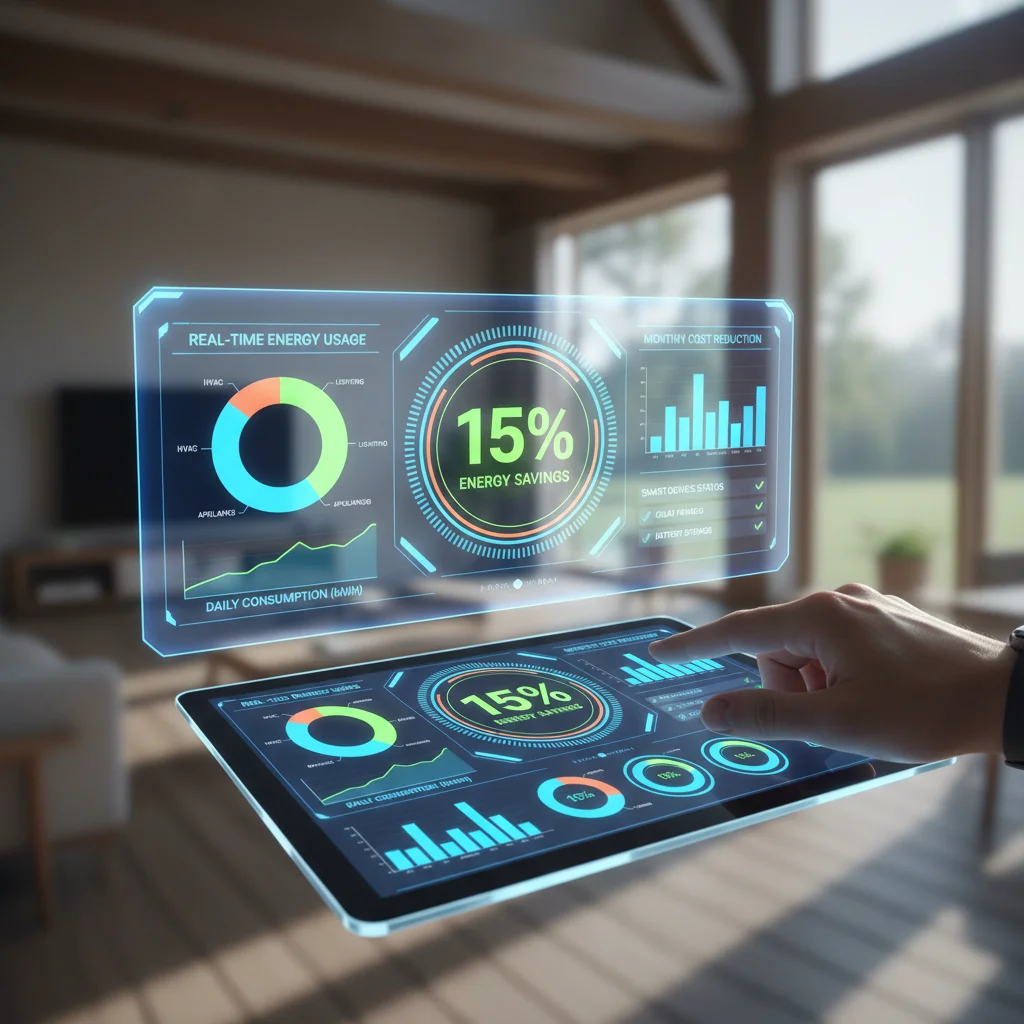
In an era where sustainability and cost-efficiency are paramount, understanding and managing our energy consumption has never been more critical. The concept of energy monitoring savings is not just a theoretical ideal; it’s a tangible reality that, when implemented effectively, can lead to substantial reductions in energy use and, consequently, significant financial savings. This comprehensive guide will delve deep into the power of energy monitoring, revealing how tracking your energy usage can foster behavioral changes that translate into an impressive 15% or more in savings.
Many individuals and businesses operate under the assumption that their energy consumption is a fixed cost, an unavoidable expense. However, this perspective overlooks the immense potential for optimization inherent in virtually every energy-consuming activity. The key to unlocking this potential lies in visibility — knowing where, when, and how energy is being used. This is precisely where energy monitoring savings comes into play, transforming abstract energy bills into actionable insights.
Imagine having a clear, real-time picture of your electricity, gas, or water usage, broken down by appliance, by hour, or even by specific activity. This level of detail empowers you to identify energy vampires, understand peak consumption periods, and make informed decisions that directly impact your bottom line and environmental footprint. The behavioral changes spurred by such awareness are often the most impactful, proving that sometimes, the simplest adjustments can yield the greatest returns.
The Foundation of Energy Monitoring: What It Is and Why It Matters
At its core, energy monitoring involves the systematic measurement and tracking of energy consumption within a given environment, be it a residential property, a commercial building, or an industrial facility. This is achieved through various devices, from smart meters provided by utility companies to sophisticated sub-metering systems and individual smart plugs. The data collected is then presented in an accessible format, often through a dedicated app or web portal, allowing users to visualize their energy footprint.
The ‘why’ behind energy monitoring savings is multifaceted. Firstly, there’s the undeniable financial benefit. Reduced energy consumption directly translates to lower utility bills. For businesses, this can mean improved operational efficiency and increased profitability. For homeowners, it frees up disposable income that can be allocated elsewhere.
Secondly, environmental stewardship is a significant driver. By reducing energy usage, we lessen our reliance on fossil fuels and decrease greenhouse gas emissions, contributing to a healthier planet. Energy monitoring provides the hard data needed to quantify these environmental impacts and celebrate progress.
Thirdly, there’s the aspect of comfort and control. Understanding how different activities and appliances affect your energy usage allows for more intelligent management of your environment. You can optimize heating and cooling schedules, identify inefficient appliances that need replacement, and even pinpoint potential electrical issues before they become major problems.
Finally, the psychological impact of seeing your energy usage in real-time is profound. It creates a feedback loop that encourages more mindful consumption. This immediate feedback transforms abstract energy costs into tangible actions, reinforcing positive habits and making the pursuit of energy monitoring savings a rewarding endeavor.
The Psychology of Savings: How Monitoring Drives Behavioral Change
The human element is arguably the most crucial factor in achieving significant energy monitoring savings. While technological advancements provide the tools, it’s the behavioral shifts they inspire that truly move the needle. This phenomenon is often referred to as the ‘feedback effect’ or ‘observational effect,’ where simply being aware of one’s actions can lead to changes in behavior.
The Power of Real-Time Feedback
Traditional energy bills arrive monthly, offering a retrospective view of consumption that is often too late to influence immediate habits. Energy monitoring systems, however, provide real-time or near real-time data. This instant feedback loop is incredibly powerful. When you switch on an appliance and immediately see your energy consumption spike on a monitor, it creates a direct connection between action and consequence. This immediacy makes the impact of your choices much more apparent and motivates you to make more energy-conscious decisions.
Goal Setting and Gamification
Many energy monitoring platforms incorporate features that allow users to set energy-saving goals. This could be a financial target (e.g., reduce my bill by $50 this month) or a consumption target (e.g., use 10% less electricity than last month). The act of setting a goal, coupled with the ability to track progress towards it, can be a strong motivator. Some systems even introduce gamification elements, allowing users to compare their energy usage with neighbors or friends, fostering a healthy competition to reduce consumption.
Identification of Energy Hogs
Without detailed monitoring, it’s often difficult to pinpoint which appliances or activities are consuming the most energy. Is it the old refrigerator? The constantly running desktop computer? The inefficient water heater? Energy monitoring systems can break down consumption by individual circuit or even by specific appliance (with smart plugs), revealing the ‘energy hogs’ in your home or business. Once identified, these culprits can be addressed — perhaps by replacing an old appliance with an energy-efficient model, adjusting usage patterns, or ensuring they are turned off when not needed.
The “Phantom Load” Phenomenon
One of the insidious drains on energy is the ‘phantom load’ or ‘vampire draw,’ where appliances consume power even when turned off or in standby mode. These seemingly small draws can add up significantly over time. Energy monitoring makes these invisible consumptions visible, empowering users to unplug devices or use smart power strips to eliminate phantom loads, contributing directly to energy monitoring savings.
Tools and Technologies for Effective Energy Monitoring
The market for energy monitoring solutions has expanded rapidly, offering a range of options to suit different needs and budgets. Understanding the various tools available is the first step towards implementing a successful energy monitoring strategy.
Smart Meters
Many utility companies are deploying smart meters that automatically record and report energy consumption. While these are primarily for billing purposes, many utilities offer online portals or apps that allow customers to access their detailed usage data. This is often the most basic form of energy monitoring and a great starting point for understanding overall consumption patterns.
Whole-Home/Building Energy Monitors
These devices typically attach to your electrical panel and measure the total electricity consumption of your entire property. They provide real-time data that can be viewed on a dedicated display or through a smartphone app. Some advanced models can even break down consumption by major circuits, offering more granular insights. Examples include Sense, Emporia Vue, and Curb.
Smart Plugs and Outlets
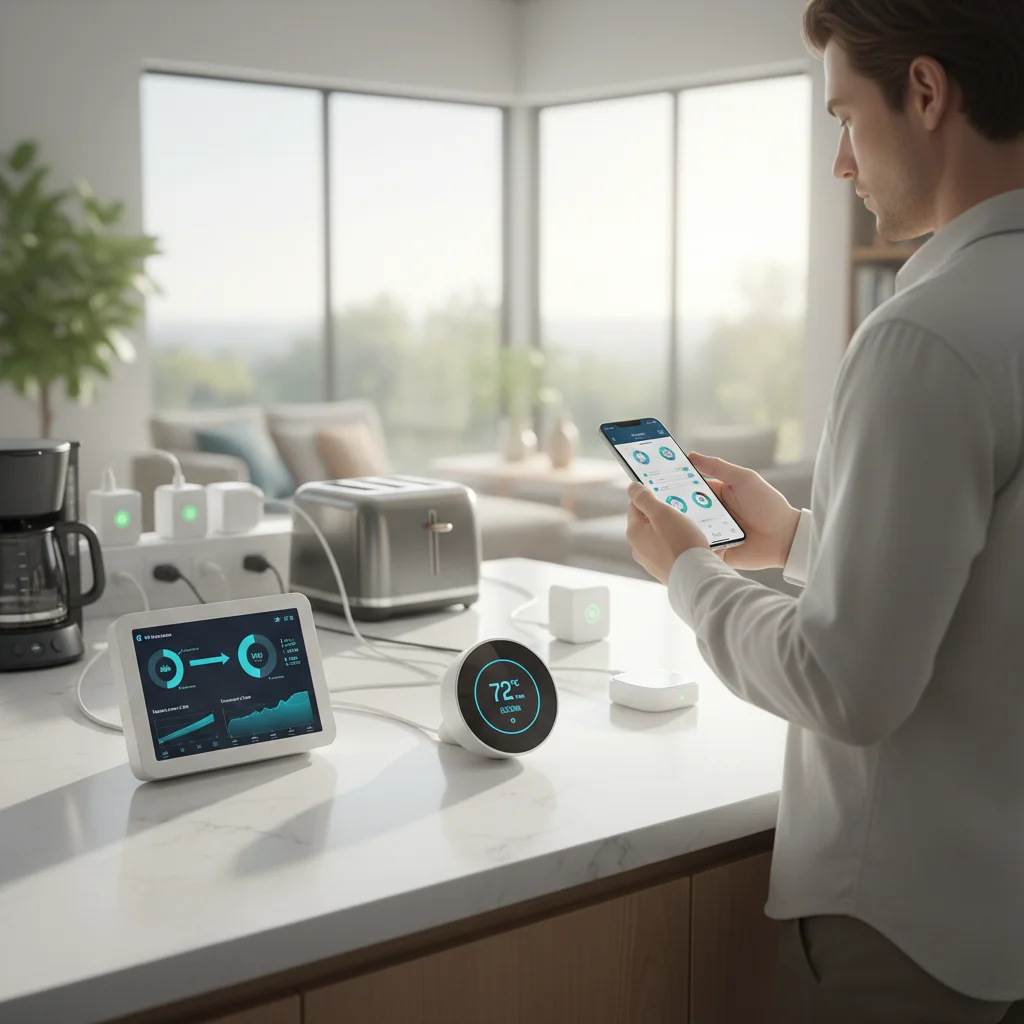
For more specific monitoring, smart plugs allow you to track the energy consumption of individual appliances plugged into them. They also often come with remote control capabilities, enabling you to turn devices on or off from anywhere using your smartphone. This is particularly useful for identifying and managing energy-intensive devices or for eliminating phantom loads. Popular brands include TP-Link Kasa, Wemo, and Philips Hue smart plugs.
Sub-Metering Systems
For larger commercial or industrial settings, sub-metering systems provide highly detailed data on energy consumption within specific zones, departments, or even individual machines. This level of granularity is crucial for identifying inefficiencies in complex operations and for allocating energy costs accurately.
Energy Management Software (EMS)
Beyond hardware, robust Energy Management Software (EMS) platforms aggregate data from various monitoring devices, analyze trends, identify anomalies, and provide actionable recommendations. These platforms are particularly valuable for businesses and institutions looking to optimize their energy strategy across multiple buildings or complex operations. They often include features for demand response, peak shaving, and reporting.
Smart Thermostats
While primarily focused on heating and cooling, smart thermostats like Nest or Ecobee also provide valuable insights into energy consumption related to climate control, which often accounts for a significant portion of a property’s energy usage. They learn your preferences and can be programmed to optimize temperature settings for energy efficiency.
Strategies for Maximizing Energy Monitoring Savings
Simply installing an energy monitoring system isn’t enough; the real gains come from actively using the data and implementing strategies based on the insights gained. Here’s how to maximize your energy monitoring savings:
1. Baseline Your Consumption
Before making any changes, establish a baseline of your typical energy usage. This will serve as a benchmark against which you can measure the effectiveness of your saving efforts. Monitor your consumption for a week or a month to understand your normal patterns.
2. Identify and Address Energy Hogs
Use your monitoring data to pinpoint the appliances or systems that consume the most energy. Once identified, consider replacing old, inefficient appliances with ENERGY STAR certified models. If replacement isn’t feasible, adjust their usage — perhaps by running dishwashers or washing machines during off-peak hours if your utility offers time-of-use pricing.
3. Tackle Phantom Loads
Go through your home or office and identify devices that draw power even when not in active use. Use smart plugs or power strips that can be easily switched off to eliminate these phantom loads. Think about phone chargers, TVs, gaming consoles, and computer peripherals.
4. Optimize HVAC Settings
Heating and cooling are often the largest energy consumers. Use your smart thermostat’s data to optimize schedules. Set higher temperatures in summer and lower temperatures in winter when you’re away or asleep. Even a small adjustment of a few degrees can lead to substantial savings.
5. Educate and Engage Occupants
For businesses, engaging employees in energy-saving initiatives is crucial. Share monitoring data, set collective goals, and offer incentives for meeting them. For families, involve everyone in understanding energy usage and making conscious choices. Behavioral change is a collective effort.
6. Leverage Off-Peak Hours
If your utility company offers time-of-use (TOU) pricing, schedule energy-intensive activities like laundry or charging electric vehicles during off-peak hours when electricity rates are lower. Your energy monitor can help you track these periods and their impact on your bill.
7. Regular Review and Adjustment
Energy saving is an ongoing process. Regularly review your monitoring data, identify new patterns, and adjust your strategies accordingly. What works one month might need tweaking the next. Continuous improvement is key to sustained energy monitoring savings.
Beyond the 15%: Long-Term Benefits and Future Trends
While achieving a 15% reduction in energy consumption through behavioral changes is a significant and attainable goal, the benefits of energy monitoring extend far beyond this initial saving. The long-term implications are profound, touching upon financial stability, environmental responsibility, and technological advancement.
Increased Property Value
Homes and businesses with integrated energy management systems and a proven track record of energy efficiency are often more attractive to buyers and tenants. Energy efficiency translates to lower operating costs, a significant selling point in today’s market, thereby increasing property value.
Enhanced Sustainability Credentials
For businesses, demonstrating a commitment to energy efficiency through robust monitoring and reduction initiatives can significantly enhance their corporate social responsibility (CSR) profile. This can attract environmentally conscious customers, investors, and talent, fostering a more positive public image.
Proactive Maintenance and Problem Detection
Consistent energy monitoring can help identify anomalies in consumption patterns that might indicate equipment malfunction or impending failure. For instance, a sudden spike in the energy draw of a specific machine could signal a need for maintenance, allowing for proactive intervention before a costly breakdown occurs. This predictive capability adds another layer of financial and operational benefit to energy monitoring savings.
Integration with Renewable Energy Sources
As more homes and businesses adopt renewable energy sources like solar panels, energy monitoring becomes even more critical. It allows users to track their energy generation versus consumption, optimize self-consumption, and understand their net energy balance, further maximizing savings and accelerating the return on investment for renewable systems.
The Rise of AI and Machine Learning in Energy Management
The future of energy monitoring savings is increasingly intertwined with artificial intelligence (AI) and machine learning (ML). These advanced technologies can analyze vast amounts of energy data to identify complex patterns, predict future consumption, and even automate energy-saving actions without human intervention. AI-powered systems can optimize HVAC settings based on weather forecasts, occupancy patterns, and real-time energy prices, taking energy efficiency to unprecedented levels.
For example, AI could learn that a specific office area is typically empty on Friday afternoons and automatically adjust lighting and temperature settings accordingly. In a residential setting, it could learn your daily routine and pre-heat or pre-cool your home just in time for your arrival, ensuring comfort while minimizing energy waste.
Demand Response Programs
Energy monitoring plays a vital role in participation in demand response programs offered by utilities. These programs incentivize consumers to reduce energy consumption during peak demand periods, helping to stabilize the grid and avoid costly infrastructure upgrades. With detailed monitoring, participants can precisely control their energy use to meet program requirements and earn financial rewards, adding another dimension to energy monitoring savings.
Overcoming Challenges in Energy Monitoring Implementation
While the benefits are clear, implementing an effective energy monitoring system can present some challenges. Awareness of these hurdles allows for proactive planning and smoother adoption.
Initial Investment Costs
Some advanced energy monitoring systems, particularly for commercial applications, can involve significant upfront investment. However, it’s crucial to view this as an investment that yields substantial returns over time through reduced energy bills. Many systems also offer tiered pricing or modular installations, allowing users to start small and expand as needed.
Data Overload and Interpretation
With the abundance of data generated by monitoring systems, users can sometimes feel overwhelmed. The key is to choose a system with an intuitive interface that presents data in an understandable and actionable way. Focus on key metrics and trends rather than getting lost in every data point. Many platforms offer customizable dashboards and automated reporting to simplify interpretation.
Integration with Existing Systems
In larger buildings or industrial settings, integrating new energy monitoring hardware and software with existing building management systems (BMS) can be complex. Choosing open-standard solutions or working with experienced integrators can mitigate these challenges, ensuring seamless data flow and centralized control.
Maintaining Engagement
The initial enthusiasm for energy monitoring can wane over time. To maintain engagement, it’s important to continuously highlight the savings achieved, celebrate milestones, and regularly share new insights or tips derived from the data. Gamification, regular challenges, and educational campaigns can help keep the momentum going.
Security and Privacy Concerns
Energy monitoring systems collect sensitive data about consumption patterns, which can raise privacy concerns. It’s essential to choose reputable providers who prioritize data security and adhere to strict privacy policies. Understanding how your data is collected, stored, and used is paramount.
Conclusion: Embrace the Power of Informed Energy Decisions
The journey towards greater energy efficiency and sustainability begins with awareness. Energy monitoring savings are not a myth; they are a proven outcome of providing individuals and organizations with the insights they need to make smarter, more responsible energy choices. The 15% behavioral savings often cited is not an upper limit but a realistic starting point for those committed to understanding and optimizing their energy footprint.
By leveraging the readily available tools and technologies, from smart meters to AI-powered energy management platforms, we can transform our relationship with energy. We move from being passive consumers to active managers, capable of influencing our energy bills and contributing positively to the environment. The investment in energy monitoring is an investment in a more sustainable, cost-effective, and intelligent future.
So, whether you’re a homeowner looking to trim down your monthly expenses or a business striving for operational excellence and environmental leadership, embracing energy monitoring is a strategic imperative. Start tracking, start understanding, and start saving. The power to transform your energy usage — and reap the significant benefits — is quite literally at your fingertips.