Attic Insulation in 2026: Comparing R-Values for Maximum 30% Energy Efficiency Gains
In the evolving landscape of home energy efficiency, the attic remains a critical frontier for maximizing savings and comfort. As we look towards 2026, understanding the nuances of attic insulation R-values is more important than ever. Homeowners are constantly seeking ways to reduce their carbon footprint, lower utility bills, and enhance indoor living environments. The good news is that with the right approach to attic insulation, achieving up to 30% energy efficiency gains is not just a pipe dream but a tangible reality.
This comprehensive guide delves into the world of attic insulation in 2026, focusing specifically on R-values, their implications, and how to choose the best insulation strategy for your home. We’ll compare various materials, discuss their performance characteristics, and provide insights into making an informed decision that will pay dividends for years to come.
Understanding R-Values: The Core of Insulation Performance
Before diving into specific materials and their benefits, let’s clarify what an R-value truly represents. The R-value is a measure of thermal resistance, indicating how well a material resists the conductive flow of heat. The higher the R-value, the greater the insulating power. This metric is crucial because it allows homeowners and contractors to compare the effectiveness of different insulation products objectively.
The R-value required for your attic depends heavily on your geographic location, specifically your climate zone. The U.S. Department of Energy (DOE) provides recommendations for R-values based on these zones. For instance, homes in colder climates (Zone 6-8) will require significantly higher R-values than those in warmer regions (Zone 1-3) to achieve optimal energy efficiency. As we approach 2026, these recommendations are continually refined, often leaning towards higher R-values as building codes evolve and energy conservation becomes a higher priority.
It’s also important to note that the R-value is not just about the material itself but also its thickness. Two inches of a material with an R-value of R-3 per inch will provide an R-6, while four inches will provide an R-12. This cumulative effect is vital when considering the total R-value of your attic insulation system. Moreover, the installation quality plays a significant role; even the highest R-value material will underperform if installed poorly, leaving gaps or compressions that create thermal bridges.
The goal is to create a continuous thermal envelope that minimizes heat transfer between your living space and the attic. In winter, this means keeping warm air inside, and in summer, preventing hot attic air from radiating into your home. A well-insulated attic acts as a crucial barrier, regulating indoor temperatures and reducing the workload on your HVAC system, directly translating to those coveted energy efficiency gains.
The 2026 Landscape: Why Attic Insulation Matters More Than Ever
The year 2026 brings with it an increased awareness of climate change, rising energy costs, and a collective push towards sustainable living. Homeowners are not just looking for comfort; they’re looking for smart investments that improve their property value and reduce their environmental impact. Attic insulation sits at the intersection of all these priorities.
With advancements in building science and materials technology, insulation products are becoming more effective and environmentally friendly. New regulations and incentives are also likely to emerge, further encouraging homeowners to upgrade their insulation. Staying ahead of these trends by understanding the best attic insulation R-values for 2026 will ensure your home is not only comfortable but also compliant and cost-effective.
Beyond the immediate financial benefits of lower energy bills, a properly insulated attic contributes to a healthier indoor environment by reducing drafts, moisture issues, and even noise pollution from outside. It’s an investment that enhances the overall quality of life within your home, making it a more desirable and sustainable place to live. The long-term durability and low maintenance of modern insulation materials also add to their appeal, offering peace of mind for decades.
Furthermore, the resale value of a home with superior energy efficiency is consistently higher. Prospective buyers are increasingly prioritizing homes that offer lower operating costs and a smaller environmental footprint. Upgrading your attic insulation can be a significant selling point, demonstrating a commitment to quality and sustainability that resonates with today’s market.
Comparing Insulation Materials and Their R-Values for 2026
Let’s explore the most common attic insulation materials available in 2026 and compare their typical R-values and characteristics:
Fiberglass Batts and Rolls
- Description: Made from fine glass fibers, available in pre-cut batts or rolls that fit between joists.
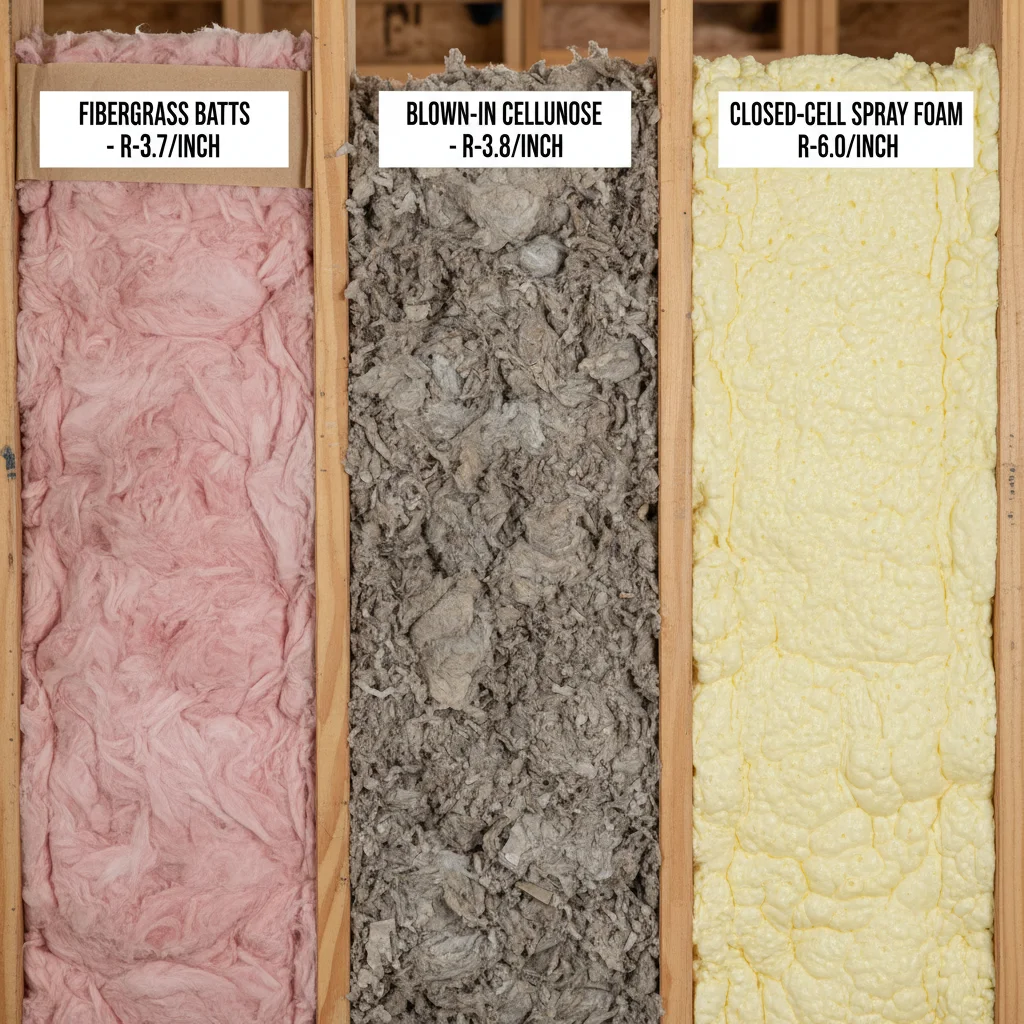
- Typical R-value: R-2.9 to R-3.8 per inch.
- Pros: Relatively inexpensive, easy to install for DIY enthusiasts, non-combustible.
- Cons: Can be itchy and irritating to skin/lungs during installation, less effective at sealing air leaks compared to blown-in options, R-value can be reduced if compressed.
- 2026 Considerations: Still a popular choice due to cost-effectiveness, but often requires careful installation to avoid thermal bridging. Improvements in manufacturing may lead to slightly higher R-values or reduced irritants.
Blown-in Fiberglass
- Description: Loose-fill fiberglass blown into the attic space using specialized equipment.
- Typical R-value: R-2.2 to R-2.7 per inch.
- Pros: Fills irregular spaces effectively, good for existing attics, relatively quick installation by professionals.
- Cons: Requires professional equipment, can settle over time slightly reducing R-value.
- 2026 Considerations: Excellent for filling hard-to-reach areas and achieving consistent coverage. When combined with air sealing, it offers significant improvements in overall attic insulation R-values.
Blown-in Cellulose
- Description: Made from recycled paper products, treated with fire retardants. Also installed as loose-fill.
- Typical R-value: R-3.2 to R-3.8 per inch.
- Pros: Environmentally friendly (high recycled content), excellent at filling cavities and sealing air leaks, good sound dampening properties.
- Cons: Can settle more than fiberglass, susceptible to moisture if not properly vented, requires professional installation.
- 2026 Considerations: A strong contender for eco-conscious homeowners. Its ability to conform to spaces makes it highly effective for improving overall attic performance and achieving desired attic insulation R-values.
Spray Foam Insulation (Open-Cell and Closed-Cell)
- Description: A liquid foam applied with a spray gun that expands and hardens, creating an airtight seal.
- Typical R-value:
- Open-Cell: R-3.5 to R-3.7 per inch (less dense, more flexible).
- Closed-Cell: R-6.0 to R-7.0 per inch (denser, rigid, also acts as a vapor barrier).
- Pros: Superior air sealing capabilities, high R-value per inch (especially closed-cell), adds structural rigidity (closed-cell), excellent moisture barrier (closed-cell).
- Cons: Most expensive option, requires professional installation, specific safety precautions during application, irreversible once applied.
- 2026 Considerations: While pricier, spray foam offers unparalleled performance in terms of air sealing and high attic insulation R-values. It’s often the go-to for maximizing energy efficiency in new constructions or major renovations where budget allows. The significant energy savings can often offset the higher upfront cost over time.
Rigid Foam Boards (Polystyrene, Polyisocyanurate)
- Description: Panels of foam insulation, often used for sealing and insulating attic hatches, knee walls, or cathedral ceilings.
- Typical R-value: R-3.8 to R-8.0 per inch (depending on material: EPS, XPS, Polyiso).
- Pros: High R-value per inch, lightweight, easy to cut and install in specific applications, moisture resistant.
- Cons: Not ideal for large, irregularly shaped attic floors, requires careful sealing of seams.
- 2026 Considerations: Excellent for targeted insulation needs and achieving very high attic insulation R-values in specific areas. Often used in conjunction with other insulation types.
Calculating Your Optimal R-Value for Maximum Efficiency
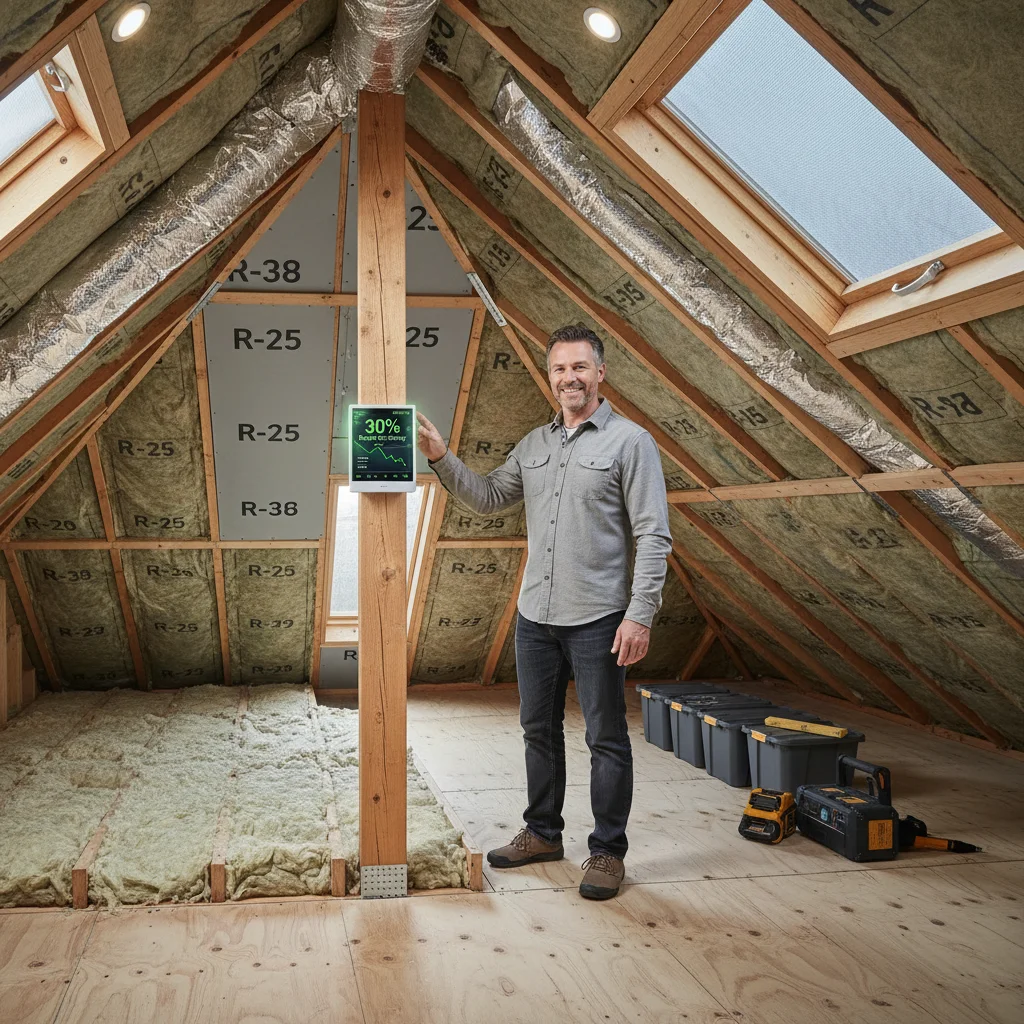
Determining the ideal R-value for your attic isn’t a one-size-fits-all scenario. It involves considering your climate zone, your home’s existing insulation, and your energy efficiency goals. The DOE recommends target R-values for different regions, and these are a great starting point. For example, many northern climates (Zones 4-8) recommend R-values between R-38 and R-60 for attics, while southern climates (Zones 1-3) might recommend R-30 to R-49.
To achieve the maximum 30% energy efficiency gains, it’s often necessary to exceed the minimum recommendations, especially if your current insulation is significantly below par. A professional energy audit can precisely identify areas of heat loss and recommend a tailored insulation strategy, including the specific R-value needed for your attic.
When calculating the required thickness, remember that R-values are additive. If you have existing R-19 insulation and want to reach R-49, you’ll need to add another R-30 of insulation. This could be achieved with several inches of blown-in material or a combination of batts and loose-fill. Always aim for continuous coverage without gaps or compressions to ensure the stated R-value is achieved in practice.
Consider the total cost of installation versus the projected energy savings. While higher R-values and more advanced materials might have a higher upfront cost, their superior performance can lead to quicker payback periods through reduced utility bills. Many local utility companies also offer rebates or incentives for insulation upgrades, which can further reduce the net cost of your project.
Beyond R-Value: The Importance of Air Sealing
While attic insulation R-values are crucial, they are only one piece of the puzzle. Air leakage is often a far greater culprit for energy loss than poor insulation. Gaps, cracks, and penetrations in your attic floor (where plumbing pipes, electrical wires, and chimneys pass through) allow conditioned air to escape and unconditioned attic air to enter your living space.
Before adding or upgrading insulation, it is paramount to thoroughly air seal your attic. This involves sealing all penetrations, gaps, and cracks with caulk, expanding foam, or weather stripping. Common areas for air leaks include:
- Around plumbing stacks and electrical wires.
- Where framing meets drywall.
- Around recessed light fixtures (ensure they are IC-rated for insulation contact).
- Attic hatches and pull-down stairs.
- Chimneys and flue pipes (use fire-rated materials).
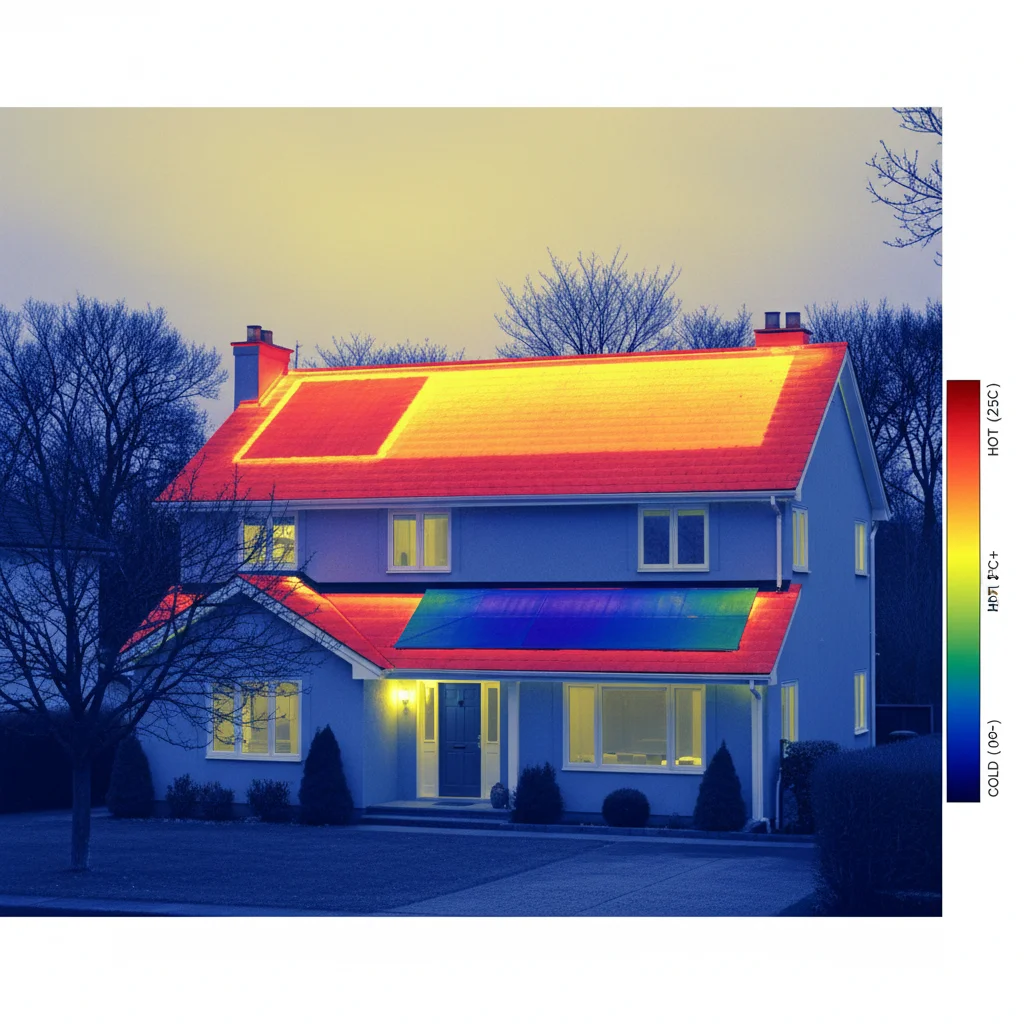
An effective air barrier works in tandem with your insulation to prevent heat transfer via convection. Without proper air sealing, even the highest R-value insulation will not perform optimally, significantly reducing your potential for those 30% energy efficiency gains. Many professionals recommend air sealing as the first step in any attic insulation project, as it provides the most bang for your buck.
Ventilation: The Unsung Hero of Attic Performance
Another critical, yet often overlooked, aspect of a high-performing attic is proper ventilation. A well-ventilated attic works to remove excess heat and moisture, which can otherwise compromise the effectiveness of your insulation and lead to structural issues. In summer, ventilation helps dissipate superheated air, preventing it from radiating into your living space. In winter, it helps prevent moisture buildup that can lead to mold, mildew, and rot, and can also make your insulation damp, reducing its R-value.
Common ventilation strategies include:
- Soffit Vents: Located under the eaves, allowing fresh air to enter.
- Ridge Vents: Located at the peak of the roof, allowing hot, moist air to escape.
- Gable Vents: Located on the end walls of the attic.
- Roof Vents: Individual vents installed on the roof surface.
A balanced ventilation system, typically using a combination of intake (soffit) and exhaust (ridge or roof) vents, creates a continuous airflow that maintains a consistent temperature and humidity level in the attic, protecting your insulation and prolonging the life of your roof. Without adequate ventilation, even the best attic insulation R-values can be compromised, leading to inefficiencies and potential problems.
DIY vs. Professional Installation: What to Consider in 2026
For some homeowners, adding insulation might seem like a manageable DIY project, especially for fiberglass batts. However, achieving optimal energy efficiency, particularly when aiming for significant gains like 30%, often benefits from professional expertise.
DIY Advantages:
- Lower labor costs.
- Sense of accomplishment.
DIY Disadvantages:
- Risk of improper installation (gaps, compression, poor air sealing).
- Safety concerns (working in confined, hot spaces, handling insulation materials).
- Requires rental of specialized equipment for blown-in insulation.
- May not identify or properly seal all air leaks.
- Potential for missing out on local rebates or incentives that require professional verification.
Professional Installation Advantages:
- Expert knowledge of R-value requirements for your climate zone.
- Proper air sealing techniques.
- Efficient and safe installation.
- Access to higher-performance materials like spray foam.
- Warranty on labor and materials.
- Ability to identify and address underlying issues like moisture or ventilation problems.
- Assistance with navigating rebates and incentives.
In 2026, with the increasing complexity of energy codes and the desire for maximum efficiency, hiring a reputable insulation contractor is often the best investment. They can provide a comprehensive assessment, recommend the most suitable materials and R-values, and ensure the job is done right the first time, guaranteeing those significant energy savings.
Financing Your Attic Insulation Upgrade
The upfront cost of upgrading your attic insulation can be a concern for some homeowners. However, several options are available in 2026 to make these vital improvements more accessible:
- Energy Efficiency Loans: Many banks and credit unions offer specific loan products for home energy improvements, often with favorable interest rates.
- Government Rebates and Tax Credits: Federal, state, and local governments frequently offer incentives for energy-efficient upgrades. These can significantly reduce the net cost of your project. Research programs like the Energy Efficient Home Improvement Credit in the U.S., which might apply to insulation.
- Utility Company Programs: Many utility providers offer rebates, low-interest loans, or on-bill financing for insulation upgrades, recognizing that reduced energy consumption benefits everyone.
- Home Equity Loans or HELOCs: If you have equity in your home, these can be a flexible way to finance improvements.
- Contractor Financing: Many insulation companies partner with financing providers to offer payment plans to their customers.
When considering financing, always factor in the long-term savings on your energy bills. The money saved each month can often offset a significant portion, if not all, of your loan payments, making the upgrade a financially sound decision rather than just an expense. The return on investment for attic insulation R-values improvements is consistently high, often ranking among the best home improvement projects for ROI.
The Future of Attic Insulation and R-Values
As we move further into the 21st century, innovation in insulation technology continues. Researchers are exploring new materials like vacuum insulated panels (VIPs) for extremely high R-values in thin profiles, phase-change materials (PCMs) that absorb and release heat to regulate temperature, and even advanced aerogels. While some of these might not be mainstream for residential attics by 2026, their development indicates a future where even higher R-values and more dynamic insulation solutions will be available.
Expect to see continued emphasis on integrated systems that combine insulation with advanced air sealing and smart ventilation. The focus will shift from just adding material to creating a holistic, high-performance attic system that is optimized for your home’s unique climate and construction. Predictive analytics and smart home technology will also play a role, allowing homeowners to monitor and optimize their energy usage in real-time, further maximizing the benefits of their superior attic insulation R-values.
The trend towards sustainable and eco-friendly materials will also accelerate, with more recycled content, bio-based insulations, and products with lower embodied energy becoming widely available. This not only benefits the environment but also often leads to healthier indoor air quality.
Conclusion: Investing in Your Home’s Future with Optimal Attic Insulation R-Values
Upgrading your attic insulation to the optimal R-values for 2026 is one of the most effective home improvements you can undertake. It’s a strategic investment that delivers immediate benefits in terms of comfort and significant long-term returns through reduced energy bills and increased home value. By understanding the different materials, the importance of air sealing and ventilation, and the value of professional installation, you can confidently navigate the options and achieve those impressive 30% energy efficiency gains.
Don’t let your attic be a forgotten space that silently drains your energy budget. Take proactive steps now to assess your current insulation, consult with experts, and make the necessary upgrades. Your wallet, your comfort, and the planet will thank you for it. The future of energy-efficient homes starts in the attic, and with the right attic insulation R-values, your home can be a beacon of comfort and sustainability in 2026 and beyond.