Enhancing Indoor Air Quality: Sustainable Solutions for U.S. Homes in 2026
Enhancing Indoor Air Quality: Sustainable Solutions for U.S. Homes in 2026
The air we breathe indoors is often far more polluted than the air outside. As Americans spend approximately 90% of their time indoors, the quality of this indoor air directly impacts our health, comfort, and overall well-being. From volatile organic compounds (VOCs) off-gassing from furniture and building materials to allergens, mold spores, and particulate matter, the invisible threats lurking in our homes are numerous. The good news is that by 2026, significant strides in sustainable solutions are making it easier than ever to achieve superior Indoor Air Quality in U.S. homes. This comprehensive guide will explore three pivotal sustainable solutions that can transform your living environment into a healthier, more breathable space.
The Silent Threat: Why Indoor Air Quality Matters More Than Ever
Before diving into solutions, it’s crucial to understand the magnitude of the problem. Poor Indoor Air Quality is linked to a wide array of health issues, ranging from mild discomforts like headaches, fatigue, and irritated eyes to severe long-term conditions such as respiratory diseases (asthma, allergies), cardiovascular problems, and even certain types of cancer. Children, the elderly, and individuals with pre-existing health conditions are particularly vulnerable to the adverse effects of indoor air pollutants.
Modern homes, designed for energy efficiency, often seal in pollutants by reducing natural ventilation. While this is great for heating and cooling bills, it can inadvertently create a ‘sick building syndrome’ if not properly managed. Sources of indoor air pollution are diverse and include:
- Building Materials and Furnishings: Plywood, particleboard, adhesives, paints, carpets, and upholstery can release VOCs like formaldehyde.
- Combustion Sources: Gas stoves, fireplaces, and unvented space heaters produce carbon monoxide, nitrogen dioxide, and particulate matter.
- Biological Contaminants: Mold, mildew, bacteria, viruses, dust mites, and pet dander thrive in warm, humid environments.
- Household Products: Cleaning supplies, air fresheners, pesticides, and personal care products often contain harmful chemicals.
- Outdoor Pollutants: Pollen, pesticides, and industrial emissions can infiltrate homes.
Addressing Indoor Air Quality is not just about avoiding illness; it’s about promoting a higher quality of life, improving cognitive function, enhancing sleep, and boosting overall productivity. As we look towards 2026, the focus is increasingly on sustainable, long-term solutions that benefit both human health and the planet.
Solution 1: Advanced & Energy-Efficient Ventilation Systems
One of the most effective strategies for improving Indoor Air Quality is ensuring adequate ventilation. While simply opening windows helps, it’s not always practical due to outdoor allergens, noise, security concerns, or extreme weather. Modern, energy-efficient ventilation systems offer a controlled and continuous exchange of indoor and outdoor air, without compromising thermal comfort or energy efficiency.
Heat Recovery Ventilators (HRVs) and Energy Recovery Ventilators (ERVs)
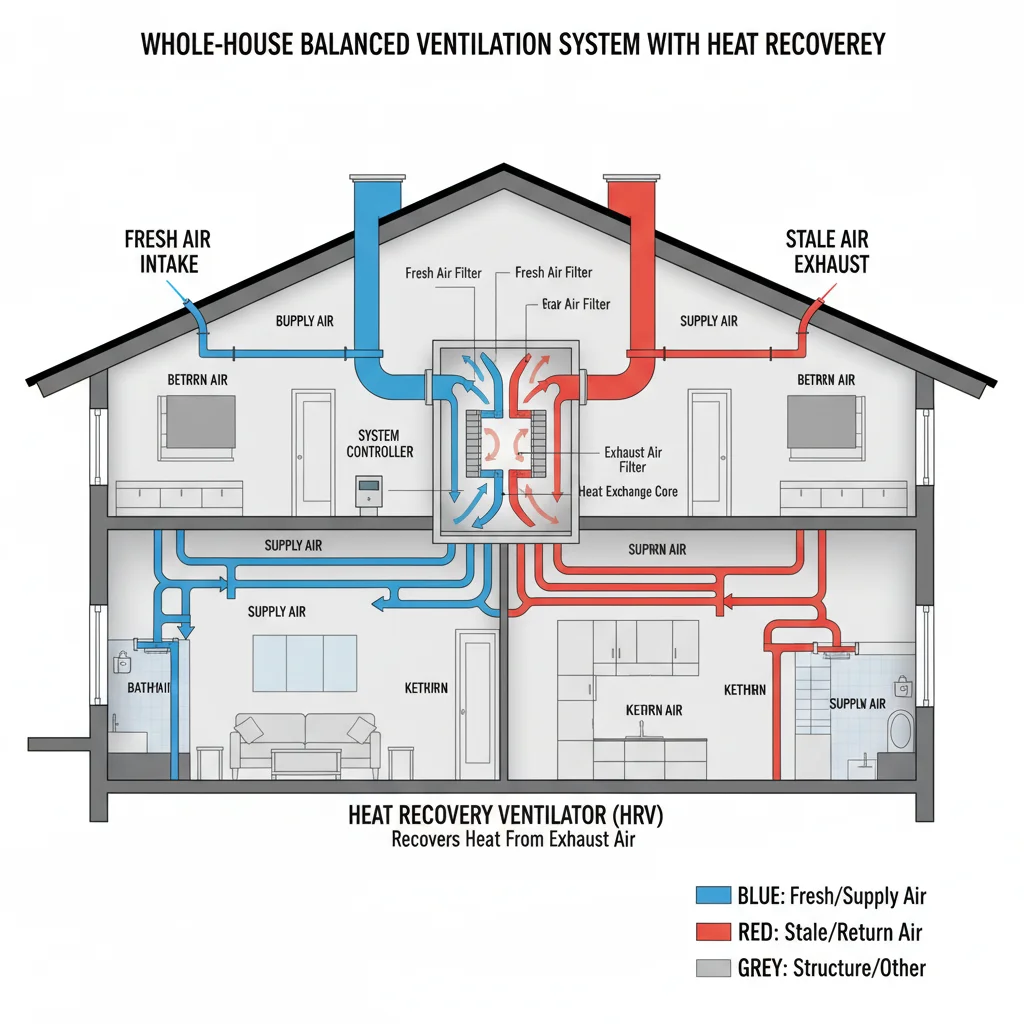
HRVs and ERVs are at the forefront of sustainable ventilation technology. These systems work by continuously exhausting stale indoor air and bringing in fresh outdoor air. Crucially, they recover a significant portion of the energy (heat in winter, coolness in summer) from the outgoing air and transfer it to the incoming fresh air. This means you get fresh air without the penalty of higher energy bills.
- How they work: HRVs primarily transfer heat, while ERVs transfer both heat and humidity. This humidity transfer capability makes ERVs particularly beneficial in climates with high humidity, as they can help manage indoor moisture levels, reducing the risk of mold and mildew.
- Benefits for Indoor Air Quality: By continuously replacing indoor air, HRVs and ERVs dilute and remove a wide range of pollutants, including VOCs, carbon dioxide, odors, and airborne particles. This proactive approach ensures a constant supply of fresh, filtered air, significantly enhancing overall Indoor Air Quality.
- Sustainability Aspect: Their energy recovery mechanism makes them highly sustainable. They reduce the workload on your HVAC system, leading to lower energy consumption and a smaller carbon footprint. Many modern units are also designed with smart controls, allowing for optimized operation based on occupancy or real-time air quality monitoring.
Smart Ventilation & Demand-Controlled Systems
The next generation of ventilation goes beyond simple on/off cycles. Smart ventilation systems utilize sensors to monitor various parameters like CO2 levels, VOCs, and humidity. When pollutant levels rise, the system automatically increases ventilation rates. This demand-controlled approach ensures that ventilation is provided precisely when and where it’s needed, maximizing energy efficiency while maintaining optimal Indoor Air Quality.
- Integration with Smart Home Systems: These systems can be integrated with broader smart home platforms, allowing for remote monitoring and control, and even predictive ventilation based on routines or weather forecasts.
- Targeted Air Exchange: Some advanced systems can even target specific zones within a home, providing localized ventilation in areas like kitchens (to remove cooking odors and fumes) or bathrooms (to manage humidity), further optimizing air quality throughout the entire dwelling.
Investing in an advanced ventilation system is a foundational step towards achieving superior Indoor Air Quality. It’s a long-term solution that provides continuous benefits for health and energy efficiency.
Solution 2: Eco-Friendly & High-Efficiency Air Purification
While ventilation brings in fresh air, air purification systems actively remove pollutants from the air that’s already inside your home. For optimal Indoor Air Quality, these two approaches often work best in tandem. The key is to choose eco-friendly and highly efficient purifiers that don’t introduce new pollutants or consume excessive energy.
HEPA Filtration Systems
High-Efficiency Particulate Air (HEPA) filters are the gold standard for removing airborne particles. A true HEPA filter can capture at least 99.97% of airborne particles 0.3 micrometers in diameter, which includes dust, pollen, pet dander, mold spores, and even some bacteria and viruses. When considering HEPA filtration for improved Indoor Air Quality:
- Whole-House HEPA Filters: These are integrated into your HVAC system, filtering all the air that circulates through your home. They are highly effective but require professional installation and regular maintenance.
- Portable HEPA Air Purifiers: For targeted purification in specific rooms, portable units with true HEPA filters are an excellent choice. Look for models with a high Clean Air Delivery Rate (CADR) for the size of your room.
- Sustainability Aspect: While filters need to be replaced, many manufacturers are moving towards more sustainable filter materials and longer-lasting designs. The energy consumption of modern HEPA purifiers has also significantly decreased.
Activated Carbon Filters for VOCs and Odors
While HEPA filters excel at capturing particles, they are not effective against gases, odors, or VOCs. This is where activated carbon filters come in. Activated carbon is a porous material that absorbs gas molecules through a process called adsorption. For comprehensive Indoor Air Quality improvement, it’s ideal to use air purifiers that combine both HEPA and activated carbon filtration.
- Targeting Chemical Pollutants: These filters are crucial for removing common household odors from cooking, pets, and cleaning products, as well as harmful VOCs emitted by paints, plastics, and furnishings.
- Sustainability Aspect: The effectiveness of activated carbon depends on its quantity and quality. Look for purifiers with substantial amounts of granular activated carbon. Some advanced systems are exploring regenerative carbon filters to reduce waste.
UV-C Light and Photocatalytic Oxidation (PCO)
Beyond filtration, advanced purification technologies are emerging for addressing biological contaminants and ultra-fine particles:
- UV-C Germicidal Irradiation: UV-C lights installed in HVAC systems or portable purifiers can neutralize airborne viruses, bacteria, and mold spores by damaging their DNA. This is a powerful tool for preventing the spread of airborne pathogens and improving Indoor Air Quality.
- Photocatalytic Oxidation (PCO): PCO technology uses UV light in conjunction with a titanium dioxide catalyst to break down VOCs, odors, and other gaseous pollutants into harmless substances like water vapor and carbon dioxide. While effective, it’s important to choose PCO systems that do not produce ozone, a respiratory irritant.
- Sustainability Aspect: These technologies offer chemical-free disinfection and decomposition of pollutants. Energy consumption is generally low, and their targeted action reduces the need for other, more resource-intensive cleaning methods.
When selecting air purification systems, always prioritize third-party certifications (like CADR ratings from AHAM or CARB certification for ozone safety) and consider the overall energy consumption to ensure you’re choosing a truly sustainable solution for your home’s Indoor Air Quality.
Solution 3: Green Building Materials & Furnishings
The adage "prevention is better than cure" perfectly applies to Indoor Air Quality. One of the most impactful long-term strategies is to minimize the introduction of pollutants into the home in the first place. This involves a conscious choice of green building materials and furnishings that are low-VOC (volatile organic compound) or VOC-free.
Low-VOC and VOC-Free Products
Many conventional building materials, paints, adhesives, sealants, and even carpets can off-gas harmful VOCs for years after installation. These chemicals contribute significantly to poor Indoor Air Quality. By 2026, the availability and affordability of low-VOC and VOC-free alternatives have greatly expanded, making them a viable choice for any homeowner.
- Paints and Finishes: Opt for zero-VOC paints and low-VOC stains and sealants. Manufacturers are increasingly offering high-performance, durable options that don’t compromise on aesthetics.
- Flooring: Choose natural materials like solid hardwood, bamboo, cork, or ceramic tile. If carpet is desired, look for options made from natural fibers or recycled content with low-VOC adhesives and backings. Certifications like Green Label Plus are good indicators.
- Adhesives and Sealants: Select low-VOC versions for all construction and DIY projects. Even small amounts of off-gassing from these products can accumulate over time.
- Insulation: Consider insulation materials like recycled denim, mineral wool, or formaldehyde-free fiberglass, which have a lower environmental impact and better Indoor Air Quality profile.
Sustainable and Non-Toxic Furnishings
The furniture and textiles in your home also play a crucial role in Indoor Air Quality. Many conventional pieces are made with particleboard or MDF that contain formaldehyde, and upholstered items can be treated with flame retardants or stain repellents that off-gas harmful chemicals.
- Solid Wood Furniture: Prioritize furniture made from solid wood with natural finishes. If engineered wood is used, ensure it’s certified low-VOC.
- Natural Fiber Textiles: Choose upholstery, curtains, and bedding made from organic cotton, linen, wool, or hemp, which are free from synthetic dyes and chemical treatments.
- Avoid Flame Retardants: Many flame retardants are persistent organic pollutants. Look for furniture and mattresses that are naturally flame-resistant or certified free of added flame retardants.
- Mattresses: Given the amount of time spent sleeping, investing in an organic or natural latex mattress free from petrochemicals and synthetic fire retardants is a significant step towards improving bedroom Indoor Air Quality.
The Role of Biophilic Design and Indoor Plants
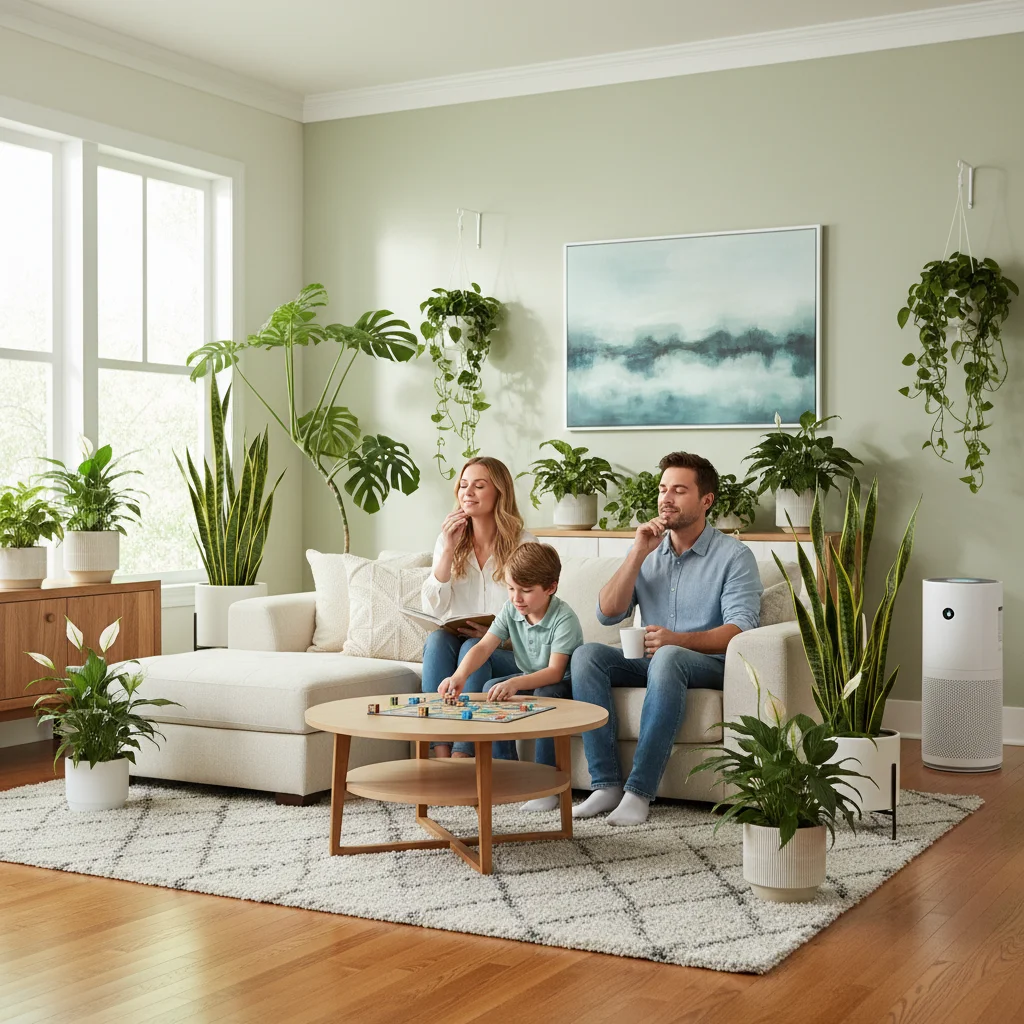
While not a substitute for proper ventilation and filtration, incorporating biophilic design principles and indoor plants can complement efforts to improve Indoor Air Quality. Certain plants, such as spider plants, snake plants, and peace lilies, are known to absorb some airborne toxins. Beyond their air-purifying capabilities, plants contribute to a healthier indoor environment by boosting humidity levels, reducing stress, and enhancing overall well-being.
The conscious selection of green building materials and furnishings is an investment in your family’s health and a testament to sustainable living. It reduces the pollutant load at its source, making other Indoor Air Quality solutions even more effective.
Integrating Solutions for a Holistic Approach to Indoor Air Quality
Achieving optimal Indoor Air Quality by 2026 isn’t about implementing a single solution; it’s about adopting a holistic approach that integrates these strategies. Consider the following for a comprehensive plan:
- Audit Your Home: Start by identifying potential sources of pollution in your home. This might involve professional air quality testing or simply a thorough inspection of materials and practices.
- Prioritize Source Reduction: Before investing in technology, eliminate or reduce pollutant sources. This includes choosing low-VOC products, proper storage of chemicals, and regular cleaning to control dust and allergens.
- Install and Maintain Ventilation: A well-designed and properly maintained HRV or ERV system is the backbone of excellent Indoor Air Quality. Ensure filters are changed regularly and ducts are cleaned periodically.
- Supplement with Air Purification: Use high-efficiency air purifiers (HEPA + activated carbon) in key areas, especially bedrooms and living spaces. Consider UV-C or PCO for specific needs like pathogen control.
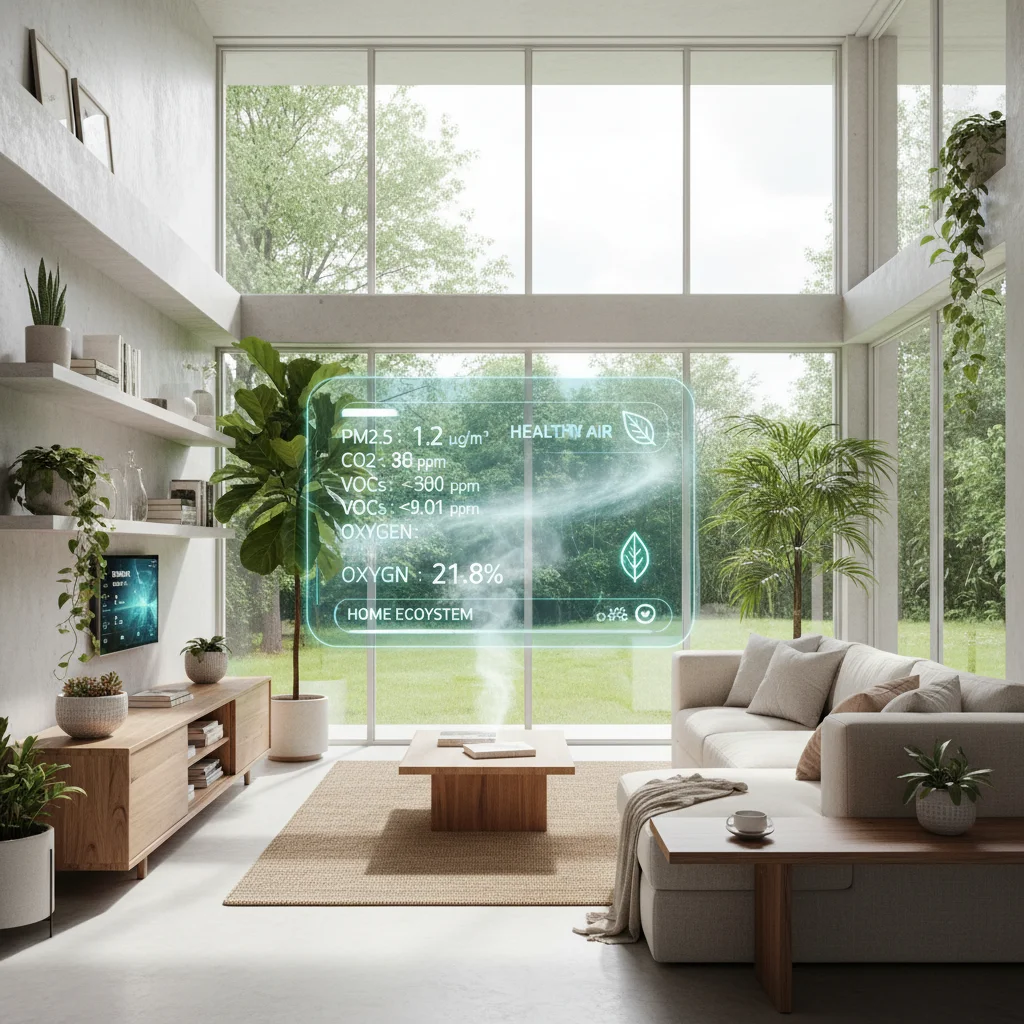
- Monitor Continuously: Smart home air quality monitors provide real-time data on pollutants like PM2.5, VOCs, and CO2, allowing you to react quickly and understand the effectiveness of your solutions.
- Educate and Adapt: Stay informed about new technologies and best practices. Small changes in daily habits, such as using exhaust fans during cooking or showering, can also make a big difference.
The Economic and Health Benefits of Superior Indoor Air Quality
While the initial investment in some of these sustainable solutions might seem substantial, the long-term benefits far outweigh the costs. Improved Indoor Air Quality leads to:
- Reduced Healthcare Costs: Fewer respiratory illnesses, allergies, and other health issues mean fewer doctor visits and medication expenses.
- Enhanced Productivity and Cognitive Function: Studies show that better air quality can significantly improve concentration, decision-making, and overall productivity, especially for those working from home.
- Increased Property Value: Homes with integrated sustainable ventilation and air purification systems are becoming increasingly attractive to buyers who prioritize health and environmental responsibility.
- Energy Savings: Modern ventilation systems and energy-efficient purifiers contribute to lower utility bills.
- Greater Comfort and Well-being: A home free from odors and irritants is simply a more pleasant and comfortable place to live.
The Future of Healthy Homes: Beyond 2026
As we approach and move beyond 2026, the focus on Indoor Air Quality will only intensify. Innovations in nanotechnology for filtration, advanced sensor technology, and even bio-engineered solutions (like specialized plants or microbes) are on the horizon. The convergence of smart home technology, sustainable design, and health-conscious living is paving the way for truly resilient and healthy homes.
Homeowners, builders, and policymakers are increasingly recognizing that the quality of our indoor environments is not a luxury but a fundamental right. By embracing sustainable solutions for Indoor Air Quality today, we are not only protecting our health but also contributing to a more sustainable future for all.
Conclusion: Breathing Easier, Living Healthier
The journey to superior Indoor Air Quality in U.S. homes by 2026 is an achievable and worthwhile endeavor. By strategically implementing advanced ventilation systems, embracing eco-friendly and high-efficiency air purification, and making conscious choices about green building materials and furnishings, homeowners can create environments that actively promote health and well-being. These sustainable solutions not only mitigate the risks associated with indoor air pollution but also align with broader environmental goals, fostering homes that are both healthy for their occupants and gentle on the planet. Invest in your home’s air, and you invest in your life.