Smart Home Solar Integration: Future-Proofing Your Energy in 2026
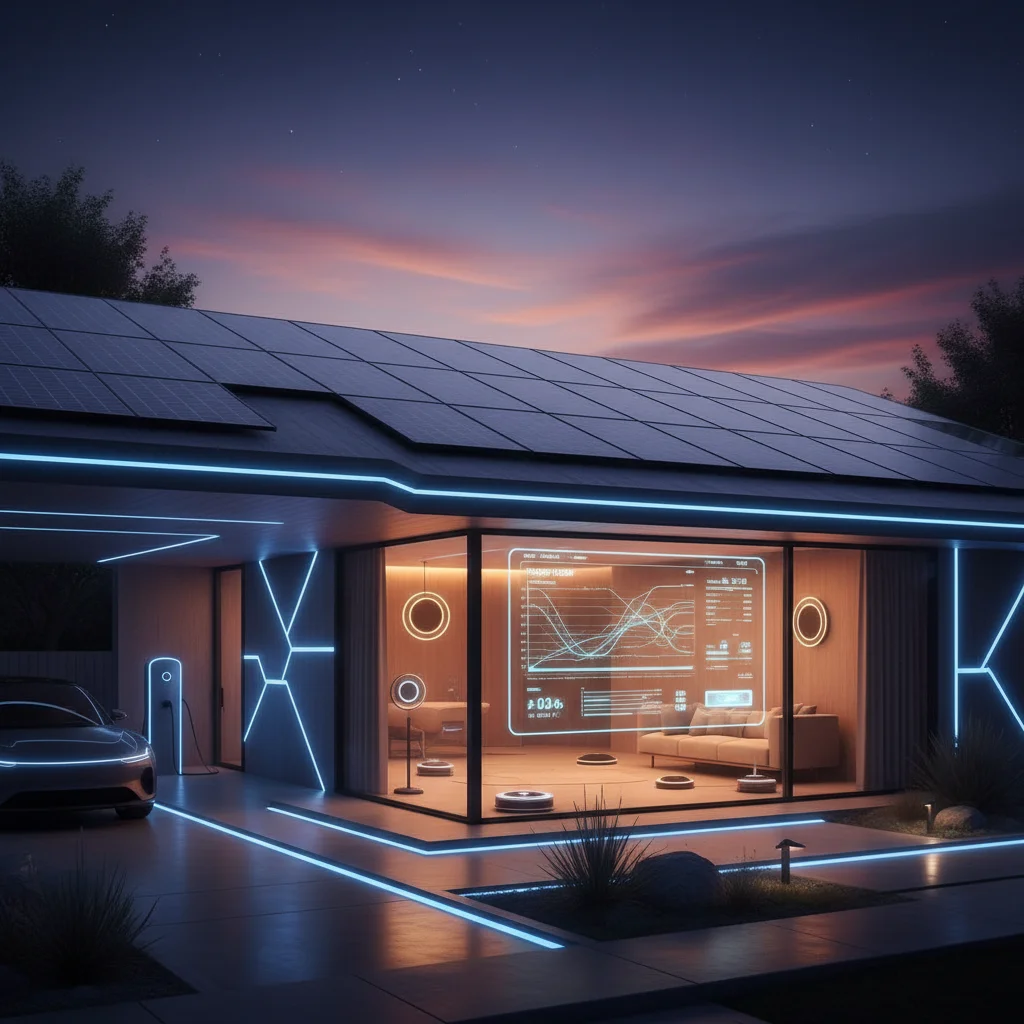
In an era defined by technological advancement and a growing imperative for sustainability, the concept of the smart home has transcended mere convenience to become a cornerstone of modern living. As we navigate through 2026, the integration of residential solar systems into smart home ecosystems is no longer a futuristic pipe dream but a tangible reality, offering unprecedented control, efficiency, and environmental benefits. This comprehensive guide explores the multifaceted world of Smart Home Solar Integration, detailing how homeowners can harness the power of the sun and intelligent technology to create a truly optimized and sustainable living environment.
The convergence of solar power and smart home technology represents a pivotal shift in how we consume and manage energy. No longer are solar panels just about generating electricity; they are now integral components of a larger, interconnected network designed to maximize energy independence, minimize utility bills, and reduce carbon footprints. The sophistication of these integrated systems in 2026 allows for real-time monitoring, predictive analytics, and automated decision-making, transforming homes into dynamic energy hubs.
The Evolution of Residential Solar: Beyond Basic Generation
For many years, residential solar installations primarily focused on generating electricity and feeding excess back into the grid. While effective, these early systems often operated in isolation from the home’s internal energy demands. The landscape of residential solar in 2026, however, is dramatically different. Today, solar systems are designed with integration in mind, acting as intelligent energy producers that communicate seamlessly with a home’s various smart devices and energy management platforms.
This evolution is driven by several key factors: advancements in battery storage technology, the proliferation of IoT (Internet of Things) devices, sophisticated energy management software, and a greater consumer demand for control and efficiency. Homeowners are no longer content with simply offsetting their energy consumption; they want to actively manage it, optimize it, and even profit from it. Smart Home Solar Integration makes this level of control not only possible but also intuitive.
Key Components of a Modern Integrated Solar System
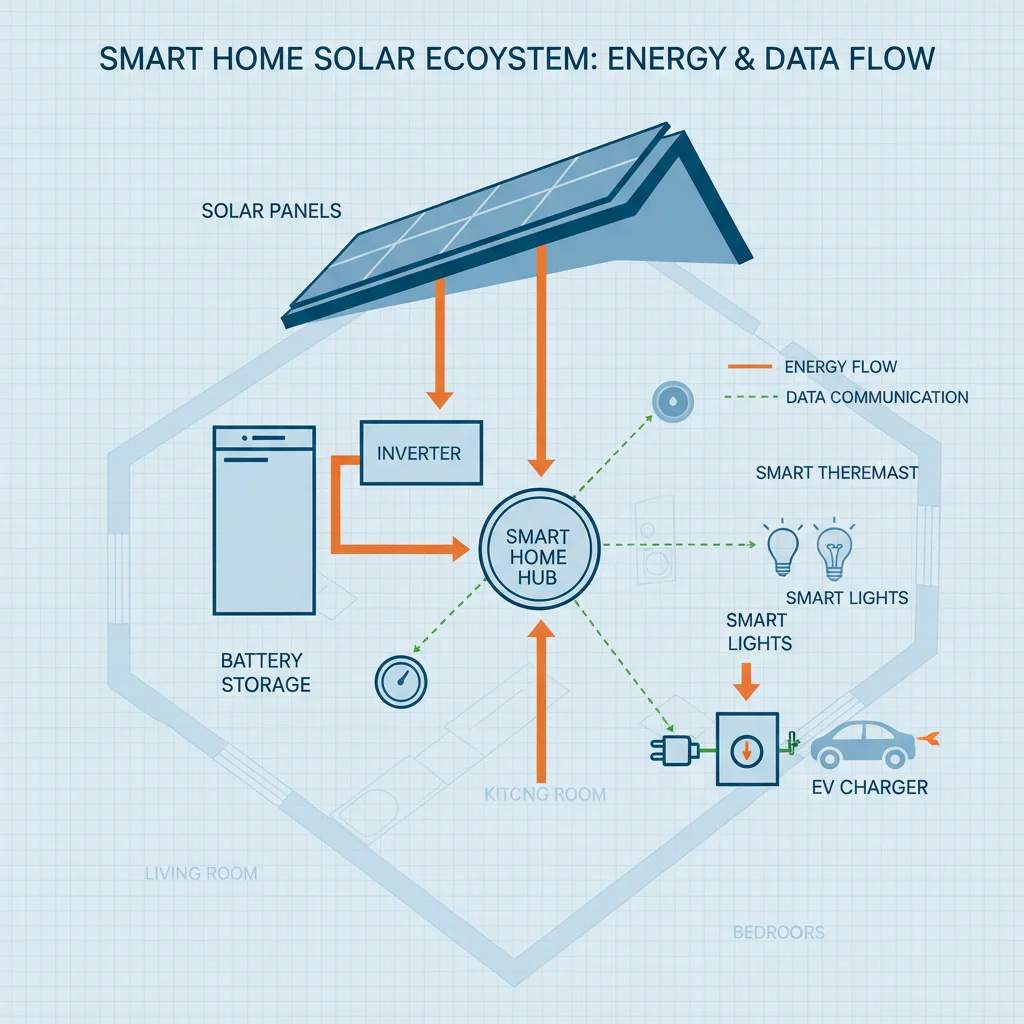
- High-Efficiency Solar Panels: The foundation remains the solar panels themselves, which have become more efficient, durable, and aesthetically pleasing.
- Smart Inverters: These are the brains of the solar system, converting DC power from the panels into AC power for the home. Modern smart inverters also facilitate communication with home energy management systems (HEMS) and the grid.
- Battery Storage Systems: Crucial for energy independence, battery systems store excess solar energy for use during peak demand, at night, or during power outages. They are now highly intelligent, capable of learning consumption patterns and optimizing charge/discharge cycles.
- Home Energy Management Systems (HEMS): The central hub for monitoring and controlling energy flow. HEMS platforms integrate data from solar panels, batteries, smart appliances, and the grid to provide comprehensive insights and automation.
- Smart Appliances and Devices: From thermostats and lighting to EV chargers and water heaters, smart appliances can be programmed to consume energy when solar production is high or electricity rates are low.
- Smart Meters: Essential for two-way communication with the utility grid, enabling net metering, time-of-use (TOU) billing, and participation in demand response programs.
The "Smart" in Solar: How Integration Works
At its core, Smart Home Solar Integration is about creating a symbiotic relationship between your solar energy generation and your home’s energy consumption. This is achieved through a network of interconnected devices and software that communicate and make decisions in real-time. Imagine a scenario where your solar panels are generating abundant electricity on a sunny afternoon. Instead of simply sending all the excess back to the grid for a minimal credit, your smart home system can intelligently direct that energy.
It might prioritize charging your electric vehicle (EV) if it’s plugged in, pre-cooling your home before you arrive, or running your dishwasher during peak solar production. When the sun sets, the system can seamlessly switch to drawing power from your battery storage, only pulling from the grid as a last resort, or during off-peak hours when electricity is cheaper. This dynamic management not only maximizes the value of your solar investment but also significantly reduces your reliance on the grid.
Real-Time Monitoring and Control
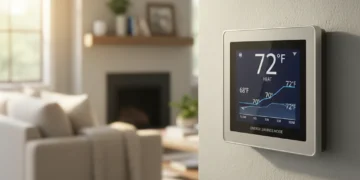
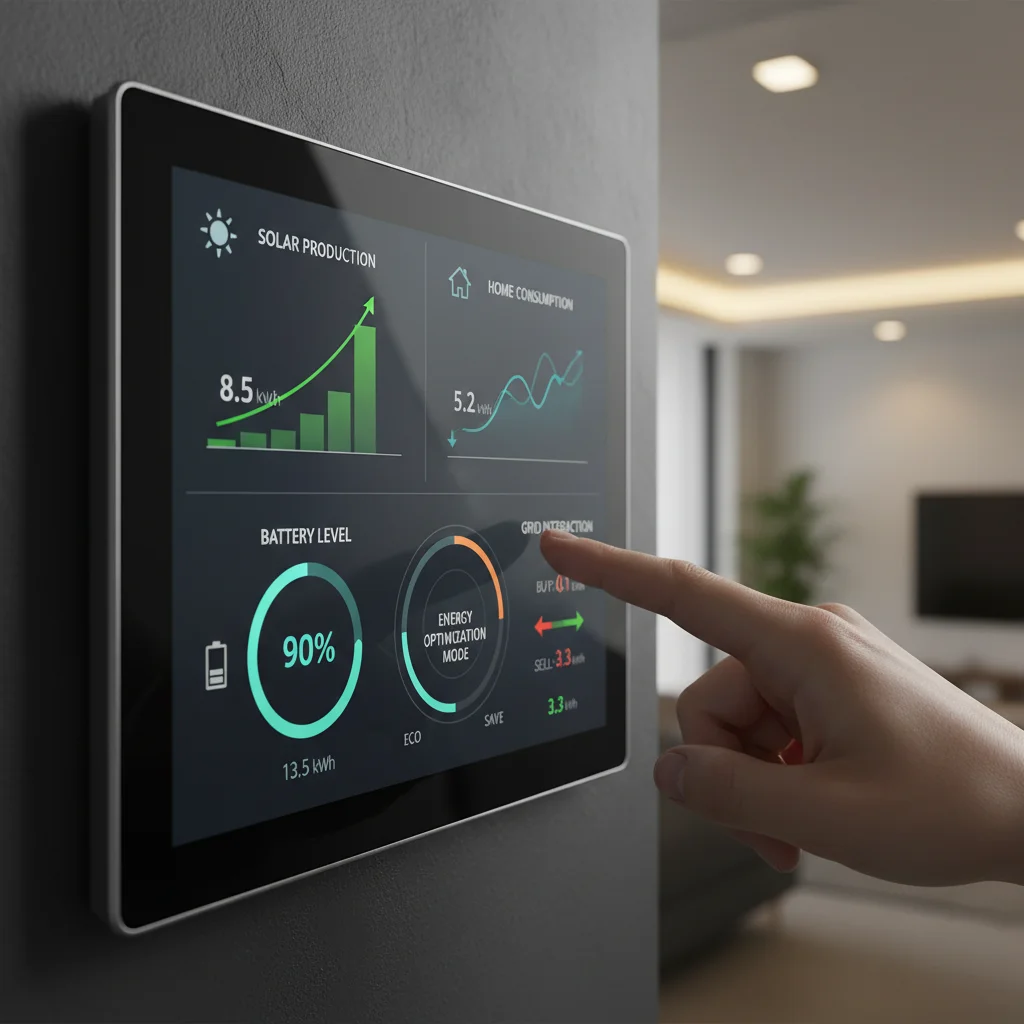
One of the most compelling aspects of integrated solar systems is the ability to monitor your energy usage and production in real-time, often through intuitive mobile applications or dedicated wall displays. These interfaces provide a wealth of data, including:
- Current solar power generation (kW)
- Home energy consumption (kW)
- Battery charge/discharge status
- Energy flow to and from the grid
- Historical data and trend analysis
- Estimated savings and environmental impact
This transparency empowers homeowners to make informed decisions about their energy habits, identifying energy vampires and optimizing appliance usage. Furthermore, many systems offer remote control capabilities, allowing you to adjust settings, activate appliances, or monitor your home’s energy performance from anywhere in the world.
Benefits of Smart Home Solar Integration in 2026
The advantages of integrating your residential solar system with smart home technology extend far beyond simple energy generation. In 2026, these integrated systems offer a holistic approach to home energy management, delivering a multitude of benefits for both the homeowner and the environment.
Maximized Energy Efficiency and Savings
By intelligently managing energy flow, integrated systems ensure that every watt of solar power is utilized efficiently. This reduces reliance on expensive grid electricity, especially during peak demand periods, leading to substantial savings on utility bills. Automated scheduling of high-consumption appliances during periods of high solar production or low grid rates further optimizes these savings.
Increased Energy Independence and Resilience
With integrated battery storage, your home becomes less dependent on the utility grid. This not only provides a sense of energy independence but also offers critical backup power during outages, ensuring that essential appliances remain operational. In 2026, advanced battery management systems can even prioritize which circuits receive power during an outage, extending backup duration.
Enhanced Comfort and Convenience
Smart Home Solar Integration contributes to a more comfortable living environment. Imagine your home automatically adjusting its temperature based on solar availability and occupancy, or your EV charging precisely when solar generation is at its peak. These automated processes remove the need for manual intervention, making energy management effortless.
Reduced Carbon Footprint
By maximizing the use of clean, renewable solar energy and minimizing reliance on fossil-fuel-generated grid electricity, integrated systems significantly reduce your home’s carbon footprint. This aligns with global sustainability goals and contributes to a healthier planet.
Future-Proofing Your Home
As energy markets evolve and smart grid technologies become more prevalent, an integrated solar home is well-positioned to adapt. These systems are often designed to be modular and upgradeable, allowing for the addition of new smart devices, energy storage, or participation in future energy programs like virtual power plants (VPPs).
Increased Home Value
Homes equipped with advanced solar and smart home integration systems are increasingly attractive to buyers. The promise of lower utility bills, energy independence, and a modern, sustainable lifestyle adds significant value to a property.
Key Technologies Driving Integration in 2026
The seamless connectivity and intelligent decision-making capabilities of today’s integrated solar homes are powered by several cutting-edge technologies:
Artificial Intelligence (AI) and Machine Learning (ML)
AI and ML algorithms are at the heart of advanced HEMS. They learn your household’s energy consumption patterns, predict future energy needs based on weather forecasts and historical data, and optimize energy flow accordingly. This allows for proactive energy management, such as pre-charging batteries during anticipated cloudy days or adjusting HVAC settings based on predicted occupancy.
Internet of Things (IoT) Connectivity
IoT devices form the backbone of the smart home, enabling communication between disparate systems. Solar inverters, battery management systems, smart thermostats, lighting controls, and appliances all communicate over a common network, often wirelessly, allowing for centralized control and data exchange.
Advanced Battery Management Systems (BMS)
Modern BMS not only monitor the health and performance of battery packs but also intelligently manage charge and discharge cycles to maximize battery lifespan and efficiency. They communicate with the HEMS to ensure optimal energy storage and retrieval based on real-time conditions and homeowner preferences.
Open API and Interoperability Standards
The industry is moving towards more open Application Programming Interfaces (APIs) and interoperability standards, making it easier for different brands of smart devices and solar components to communicate with each other. This reduces vendor lock-in and provides homeowners with greater flexibility in building their integrated systems.
Grid-Interactive Inverters and Smart Meters
These devices facilitate sophisticated two-way communication with the utility grid. They enable functionalities like demand response, where your home can automatically reduce its energy consumption or discharge stored energy to the grid during periods of high grid stress, often in exchange for financial incentives.
Steps to Achieve Smart Home Solar Integration
Implementing a fully integrated smart home solar system might seem complex, but with careful planning and the right partners, it’s an achievable goal for many homeowners in 2026. Here’s a step-by-step guide:
1. Assess Your Energy Needs and Goals
Before installing any equipment, understand your current energy consumption. Review past utility bills, identify peak usage times, and consider your future energy needs (e.g., adding an EV, expanding your family). Define your goals: are you aiming for maximum savings, energy independence, or environmental impact?
2. Choose the Right Solar Provider and Integrator
Look for solar companies that specialize in or have strong partnerships with smart home integrators. They should be able to design a system that not only generates sufficient power but also seamlessly connects with your desired smart home ecosystem. Ask about their experience with HEMS, battery storage, and specific smart home platforms.
3. Select Compatible Smart Home Platforms and Devices
Research smart home platforms (e.g., Apple HomeKit, Google Home, Amazon Alexa, or dedicated energy management platforms) and ensure they are compatible with your chosen solar inverter and battery system. Prioritize devices that support open standards for better long-term flexibility.
4. Consider Battery Storage
For true energy independence and optimized integration, battery storage is almost essential. Discuss battery sizing and chemistry options with your solar provider. Ensure the battery management system integrates with your HEMS.
5. Plan for Smart Appliance Integration
Identify which of your appliances you want to integrate. Start with high-consumption items like HVAC systems, water heaters, and EV chargers. Ensure these appliances are "smart" and can communicate with your HEMS.
6. Professional Installation and Configuration
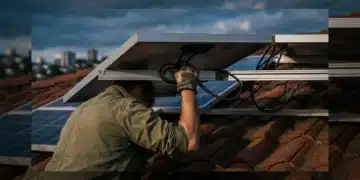
Always use certified professionals for solar and smart home installations. They will ensure all components are correctly installed, wired, and configured to communicate effectively. Proper configuration of your HEMS is crucial for optimal performance.
7. Monitor, Analyze, and Optimize
Once installed, actively use your HEMS to monitor your energy usage and production. Analyze the data to identify areas for further optimization. Many systems offer learning capabilities, but your active engagement can further refine their performance.
Challenges and Considerations for Smart Home Solar Integration
While the benefits are substantial, there are a few challenges and considerations to keep in mind when embarking on Smart Home Solar Integration:
Initial Investment Cost
Integrated systems, especially those with significant battery storage and advanced HEMS, can represent a higher upfront investment than basic solar installations. However, long-term savings and increased home value often offset this cost.
Complexity and Interoperability
Ensuring all components from different manufacturers communicate seamlessly can sometimes be a challenge. Opting for systems from a single ecosystem or working with experienced integrators who understand various protocols can mitigate this.
Cybersecurity Risks
As more devices connect to the internet, the risk of cyber threats increases. It’s crucial to choose reputable brands with strong security protocols and to maintain good cybersecurity practices within your home network.
Evolving Technology
The smart home and renewable energy sectors are rapidly evolving. While this means continuous improvements, it also means that technologies can become outdated. Choosing modular, updateable systems with open standards can help future-proof your investment.
Grid Regulations and Incentives
Net metering policies, grid connection regulations, and available incentives (federal, state, and local) vary significantly. It’s essential to understand the regulatory landscape in your area to maximize your financial benefits.
The Future is Bright: Trends in Smart Home Solar Integration
Looking ahead, the trajectory of Smart Home Solar Integration is one of increasing sophistication and accessibility. Several key trends are shaping the future:
Virtual Power Plants (VPPs)
Home battery systems integrated with smart HEMS will increasingly participate in VPPs. These networks aggregate the stored energy from thousands of homes to provide grid services, helping balance supply and demand, and offering homeowners financial compensation.
Enhanced Predictive Analytics
AI and ML will become even more advanced, offering highly accurate predictions of energy generation and consumption. This will enable ultra-precise energy optimization, potentially even coordinating with local weather patterns at a hyper-local level.
Seamless EV Integration
Electric vehicles will become even more intertwined with home energy systems, not just as consumers but potentially as mobile battery storage units (Vehicle-to-Home or V2H, and Vehicle-to-Grid or V2G). This will unlock new levels of energy flexibility and resilience.
"Energy as a Service" Models
New business models may emerge where homeowners subscribe to "energy as a service," paying a monthly fee for a fully integrated solar and smart home system, with maintenance and upgrades included. This could lower the upfront cost barrier for many.
Standardization and Simplified User Experience
As the market matures, expect greater standardization of communication protocols and more intuitive, plug-and-play solutions. This will make it easier for homeowners to install and manage their integrated systems without extensive technical knowledge.
Conclusion: Embracing the Intelligent Energy Future
Smart Home Solar Integration in 2026 represents a transformative leap in residential energy management. It’s about more than just installing solar panels; it’s about creating an intelligent, responsive, and sustainable living environment that adapts to your needs and the demands of the modern energy grid. By embracing these advanced technologies, homeowners can unlock unprecedented energy savings, enhance their comfort, increase their energy independence, and contribute significantly to a greener future.
The journey towards a fully integrated smart solar home is an investment in both your property and the planet. As technology continues to evolve, the benefits will only grow, solidifying the position of Smart Home Solar Integration as a cornerstone of the sustainable home of tomorrow. Take the first step today to explore how you can connect your residential solar system and become a part of this exciting energy revolution.