Building a Green Home: Essential Considerations for U.S. Construction in 2026
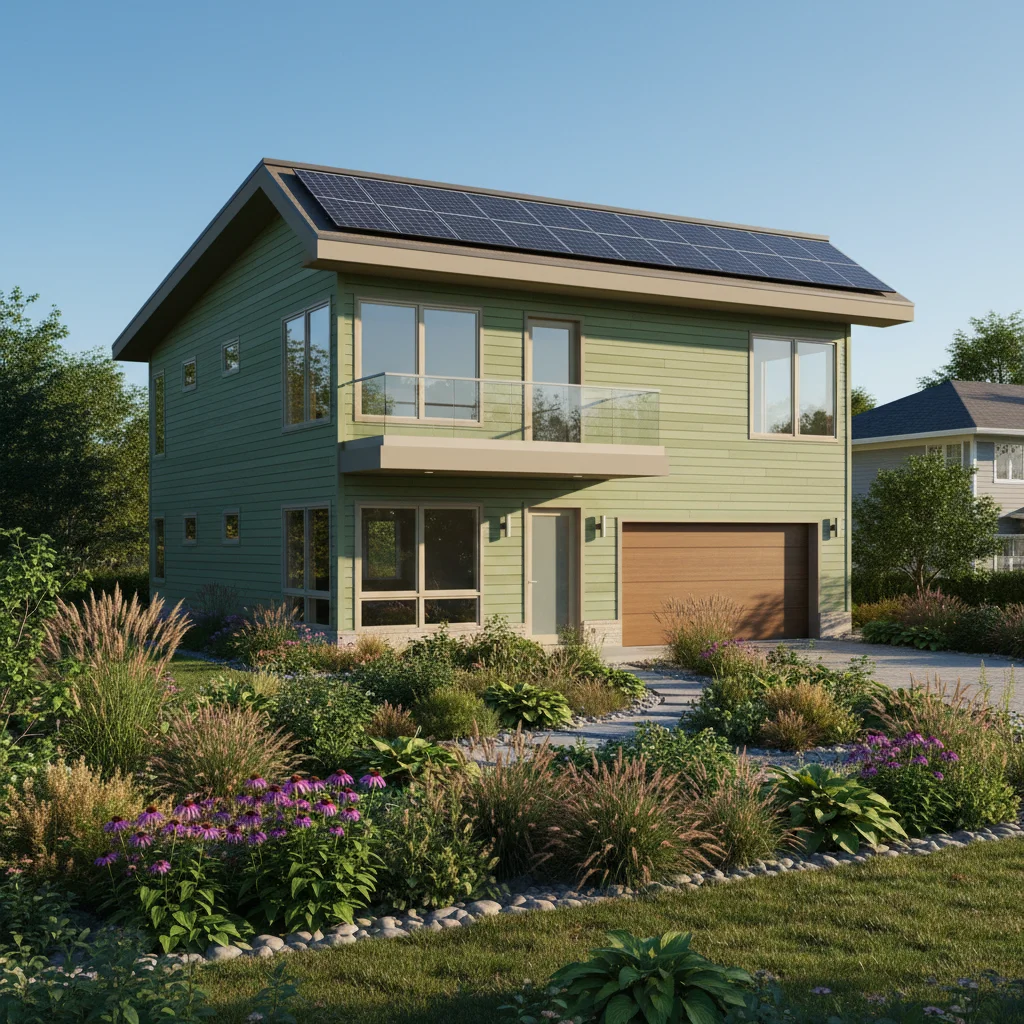
In an era defined by increasing environmental awareness and the urgent need for sustainable practices, the concept of building a green home has evolved from a niche trend into a mainstream imperative. As we look towards 2026, the landscape of U.S. construction is rapidly transforming, driven by technological advancements, evolving regulations, and a growing consumer demand for eco-friendly living spaces. Building a green home today means more than just adding a few solar panels; it encompasses a holistic approach to design, materials, energy, water, and waste management, all aimed at minimizing environmental impact while maximizing occupant health and comfort. This comprehensive guide will delve into the essential considerations for anyone planning to embark on green home construction in the United States by 2026, providing insights into the latest trends, technologies, and best practices.
The Imperative of Green Home Construction in 2026
The reasons to prioritize green home construction are multifaceted and compelling. Environmentally, green homes significantly reduce carbon footprints, conserve natural resources, and mitigate pollution. Economically, they offer substantial long-term savings through reduced utility bills, potential tax incentives, and increased property values. Socially, they contribute to healthier living environments, improve indoor air quality, and foster a greater connection to nature. As climate change continues to present significant challenges, the role of sustainable building practices becomes ever more critical. The U.S. government, alongside state and local authorities, is increasingly introducing policies and incentives to encourage green building, making 2026 a pivotal year for adopting these practices.
Understanding Green Building Standards and Certifications
Before breaking ground, it’s crucial to understand the various green building standards and certifications available in the U.S. These programs provide frameworks and benchmarks for sustainable design and construction, ensuring that a home meets specific environmental performance criteria. Key certifications include:
- LEED (Leadership in Energy and Environmental Design): Developed by the U.S. Green Building Council (USGBC), LEED is one of the most recognized green building certification programs globally. It covers various aspects, including sustainable site development, water efficiency, energy and atmosphere, materials and resources, and indoor environmental quality. Achieving LEED certification demonstrates a commitment to high-performance green building.
- ENERGY STAR: This program, jointly administered by the U.S. Environmental Protection Agency (EPA) and the U.S. Department of Energy (DOE), certifies homes that meet strict energy efficiency guidelines. ENERGY STAR certified homes are typically 10-20% more energy-efficient than standard homes, leading to significant utility savings.
- National Green Building Standard (NGBS): Developed by the National Association of Home Builders (NAHB) and the International Code Council (ICC), NGBS provides a comprehensive green building standard for residential construction. It covers energy, water, resource efficiency, indoor environmental quality, and lot design.
- Passive House: While originating in Europe, Passive House standards are gaining traction in the U.S. These homes are designed to be ultra-low energy buildings that require little energy for space heating or cooling. They focus on superior insulation, airtight construction, high-performance windows, and heat recovery ventilation.
- Living Building Challenge: This is perhaps the most rigorous green building standard, aiming for truly regenerative buildings that produce more energy than they consume, capture and treat their own water, and are free of toxic materials. While ambitious, it serves as an inspirational benchmark for the most sustainable projects.
Choosing the right certification depends on your goals, budget, and desired level of sustainability. Consulting with a green building professional can help navigate these options and determine the best fit for your green home construction project.
Sustainable Site Selection and Design
The journey to building a green home begins long before construction, with careful site selection and thoughtful design. The location of your home can significantly impact its environmental footprint and energy performance. Consider factors such as:
- Proximity to Amenities: Building near existing infrastructure, public transportation, and community services reduces reliance on personal vehicles and minimizes transportation-related emissions.
- Preservation of Natural Features: Choose a site that allows for the preservation of existing trees, natural habitats, and local ecosystems. Minimizing site disturbance during construction is crucial.
- Solar Orientation: Design your home to maximize passive solar heating in winter and minimize solar heat gain in summer. This often involves orienting the longest side of the house towards the south, with appropriate shading strategies.
- Water Management: Consider the site’s natural hydrology. Implement strategies for stormwater management, such as permeable paving, rain gardens, and swales, to reduce runoff and replenish groundwater.
- Local Climate Considerations: Design should be tailored to the specific climate zone. For example, homes in hot climates will prioritize shading and cooling, while those in cold climates will focus on insulation and airtightness.
A well-designed green home integrates seamlessly with its environment, taking advantage of natural light and ventilation, and minimizing the need for artificial heating and cooling. This thoughtful approach in the early stages of green home construction can yield substantial long-term benefits.
Embracing Energy Efficiency: The Core of Green Homes
Energy efficiency is arguably the most critical component of green home construction. A truly green home aims to significantly reduce its energy consumption for heating, cooling, lighting, and appliances. This involves a multi-pronged approach:
Advanced Building Envelope
The building envelope – the roof, walls, windows, and foundation – is the primary barrier between your home and the elements. A high-performance envelope is essential for minimizing energy loss and gain.
- Superior Insulation: Utilize high R-value insulation materials such as spray foam, rigid foam boards, cellulose, or mineral wool. Ensure continuous insulation to minimize thermal bridging.
- High-Performance Windows and Doors: Install windows with multiple panes (double or triple-glazed), low-emissivity (Low-E) coatings, and insulated frames. Look for low U-factor and SHGC (Solar Heat Gain Coefficient) ratings.
- Airtight Construction: Seal all cracks, gaps, and penetrations in the building envelope to prevent air leakage. Blower door tests are used to measure and verify airtightness, which is crucial for energy efficiency and indoor air quality.
Efficient HVAC Systems
Heating, ventilation, and air conditioning (HVAC) systems are major energy consumers. Opt for high-efficiency systems to reduce energy use.
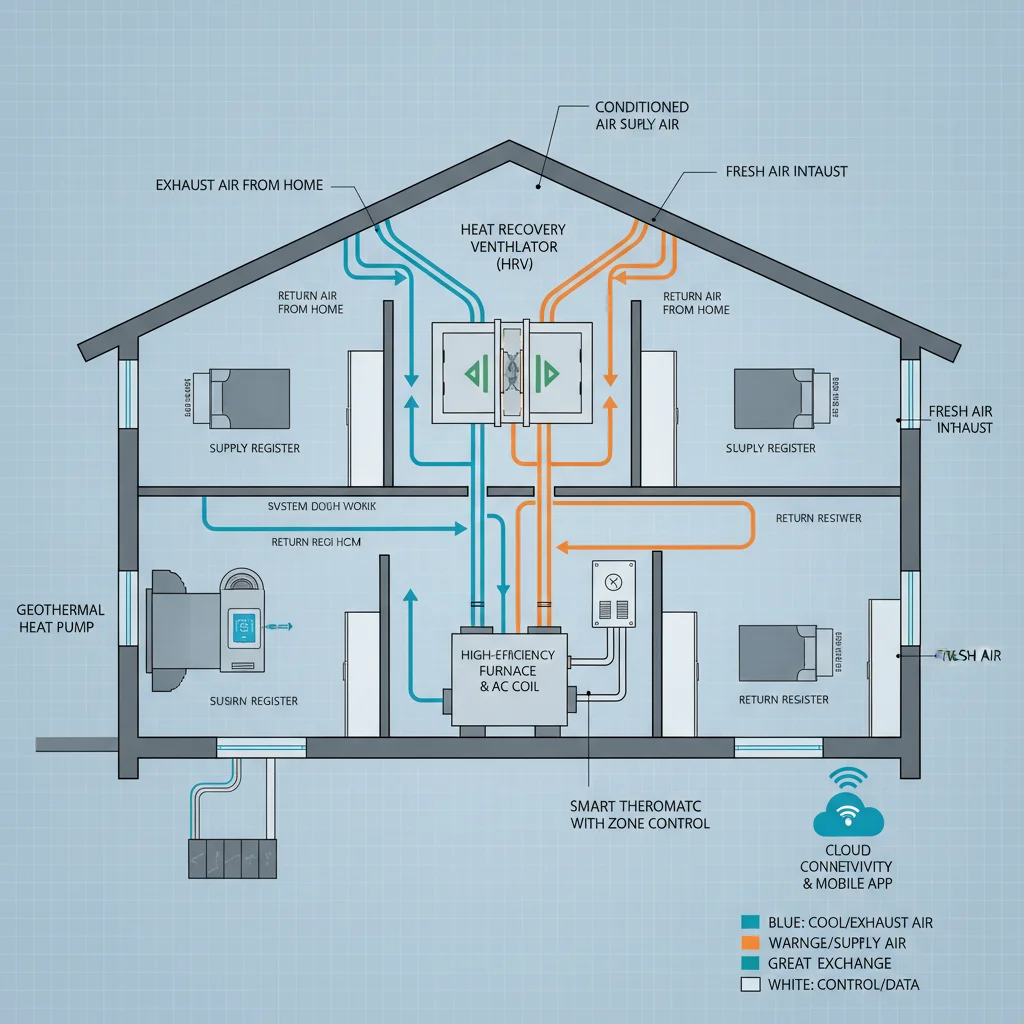
- Heat Pumps: Air-source and ground-source (geothermal) heat pumps are highly efficient for both heating and cooling, transferring heat rather than generating it.
- Energy Recovery Ventilators (ERVs) and Heat Recovery Ventilators (HRVs): These systems provide fresh air while recovering energy from exhaust air, reducing the energy needed to condition incoming air. Essential for airtight homes.
- Ductwork Design and Sealing: Ensure ducts are properly sized, insulated, and sealed to prevent energy loss.
- Smart Thermostats: Programmable and smart thermostats learn your preferences, optimize temperature settings, and can be controlled remotely, further enhancing efficiency.
Renewable Energy Integration
Generating your own energy on-site is a hallmark of green home construction.
- Solar Photovoltaic (PV) Panels: Install solar panels to generate electricity. Advances in technology have made PV systems more efficient and affordable, with battery storage becoming increasingly common for energy independence.
- Solar Water Heaters: Use solar thermal systems to heat water, significantly reducing reliance on conventional water heaters.
Energy-Efficient Appliances and Lighting
Every appliance and light fixture contributes to your home’s energy consumption. Choose wisely:
- ENERGY STAR Certified Appliances: Select appliances (refrigerators, dishwashers, washing machines, etc.) that bear the ENERGY STAR label.
- LED Lighting: Replace traditional incandescent bulbs with energy-efficient LED lighting throughout the home. LEDs consume significantly less energy and have a much longer lifespan.
Sustainable Materials and Resource Efficiency
The materials used in green home construction have a profound impact on the environment, from extraction and manufacturing to transportation and disposal. Prioritizing sustainable materials is key.
Recycled and Reclaimed Materials
Reduce demand for virgin resources by incorporating materials with recycled content or reclaimed materials.
- Recycled Steel and Aluminum: Common in framing and roofing.
- Reclaimed Wood: Sourced from old barns, factories, or demolished buildings, reclaimed wood adds character and reduces deforestation.
- Recycled Glass Countertops: An aesthetic and eco-friendly option for kitchens and bathrooms.
Locally Sourced Materials
Minimizing transportation distances reduces the embodied energy of materials (the energy consumed during production and transport).
- Local Wood: Utilize timber harvested from sustainable local forests.
- Regional Stone and Masonry: Reduces transport costs and supports local economies.
Low-Impact and Renewable Materials
Choose materials that are renewable, rapidly renewable, or have a low environmental footprint.
- Bamboo Flooring: A rapidly renewable resource that is durable and attractive.
- Cork Flooring: Harvested from cork oak trees without harming the tree, cork is renewable, insulating, and comfortable underfoot.
- Natural Linoleum: Made from linseed oil, pine rosin, wood flour, cork dust, and pigments, it’s biodegradable and durable.
- Recycled Denim Insulation: Made from post-industrial denim scraps, it’s non-toxic and offers excellent thermal performance.
- Straw Bale Construction: An ancient building technique experiencing a modern resurgence, offering superior insulation and using an agricultural waste product.
Durability and Longevity
Investing in durable, high-quality materials that last longer reduces the need for frequent replacements and minimizes waste over the home’s lifespan. Consider materials that are resistant to pests, moisture, and extreme weather.
Waste Reduction During Construction
Implement a comprehensive waste management plan to divert construction and demolition debris from landfills. This includes recycling, reusing, and salvaging materials whenever possible. Prefabrication and modular construction can also significantly reduce on-site waste.
Water Conservation Strategies
Water is a precious resource, and green homes are designed to minimize water consumption both indoors and outdoors.
Efficient Fixtures and Appliances
- Low-Flow Toilets, Faucets, and Showerheads: Install WaterSense labeled fixtures, which meet EPA criteria for water efficiency and performance.
- ENERGY STAR Dishwashers and Washing Machines: These appliances are designed to use less water in addition to less energy.
Rainwater Harvesting
Collect rainwater from the roof in cisterns or barrels for non-potable uses like irrigation, toilet flushing, and laundry. This reduces reliance on municipal water supplies.
Greywater Recycling Systems
Treat and reuse water from sinks, showers, and laundry (greywater) for irrigation or toilet flushing. This requires careful planning and adherence to local regulations.
Drought-Tolerant Landscaping (Xeriscaping)
Design your landscape with native and drought-tolerant plants that require minimal irrigation once established. Use mulching to retain soil moisture and reduce evaporation. Drip irrigation systems are also highly efficient for outdoor watering.
Indoor Environmental Quality (IEQ)
A green home is not just good for the planet; it’s also good for its occupants. IEQ focuses on creating a healthy and comfortable indoor environment.
Ventilation and Air Quality
- Proper Ventilation: Ensure adequate fresh air circulation to dilute indoor pollutants. ERVs/HRVs are crucial for this in airtight homes.
- Low-VOC Materials: Use paints, adhesives, sealants, flooring, and furniture that are low in Volatile Organic Compounds (VOCs), which can off-gas harmful chemicals into the air.
- Natural Light: Maximize daylighting to reduce the need for artificial lighting, improve mood, and enhance visual comfort.
- Moisture Control: Prevent mold and mildew growth through proper flashing, drainage, and humidity control within the home.
Thermal Comfort
Achieve consistent and comfortable indoor temperatures without relying excessively on active heating and cooling systems. This is a direct result of a well-designed building envelope and efficient HVAC.
Acoustic Comfort
Incorporate sound-dampening materials and design strategies to minimize noise pollution from both external sources and within the home, contributing to a more peaceful living environment.
Smart Home Technology Integration
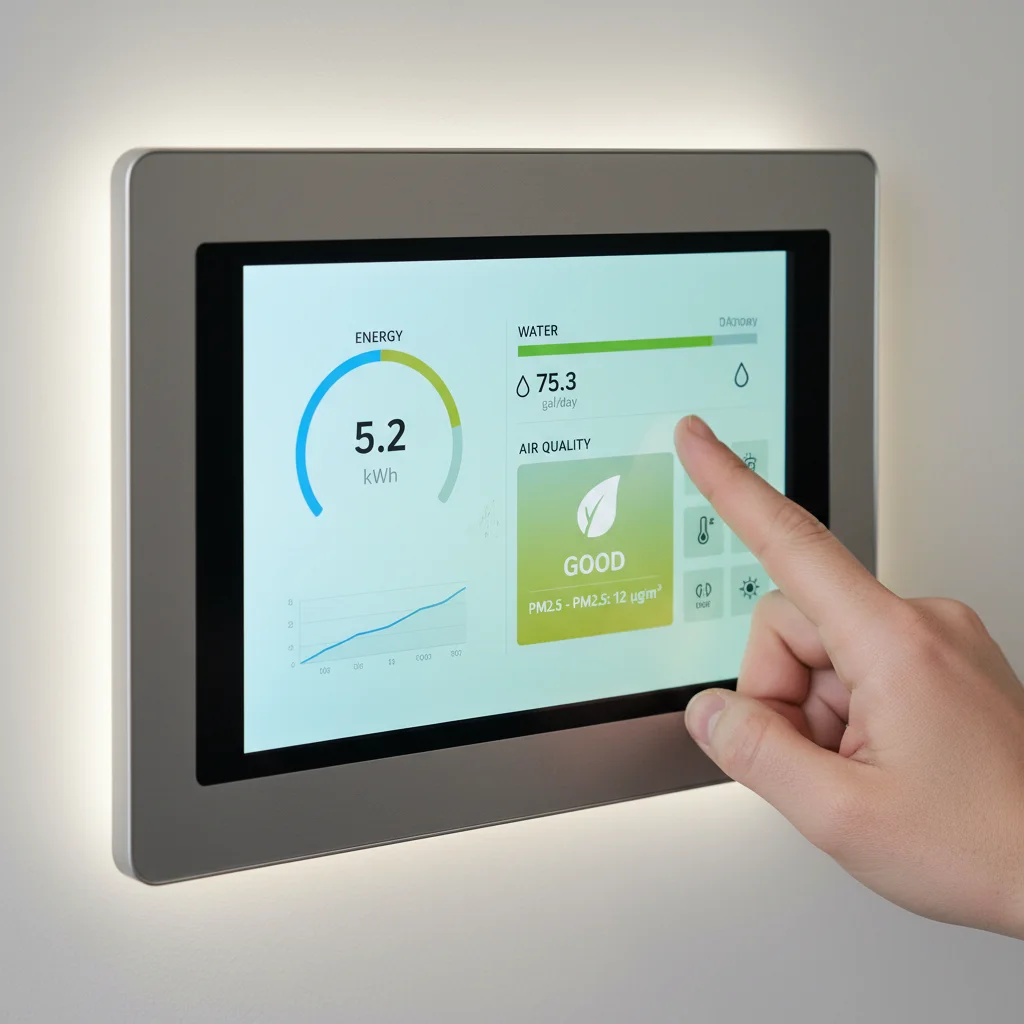
The integration of smart home technology is becoming an increasingly vital aspect of green home construction in 2026. These technologies enhance efficiency, convenience, and control over a home’s environmental performance.
- Energy Monitoring Systems: Track real-time energy consumption for various appliances and systems, allowing homeowners to identify energy hogs and make informed adjustments.
- Automated Lighting and Shading: Smart lighting systems can adjust brightness based on natural light levels or occupancy, while automated blinds or shades can optimize daylighting and prevent unwanted solar heat gain.
- Smart HVAC Control: Advanced thermostats and zoning systems learn occupancy patterns and can be controlled remotely, ensuring heating and cooling are only used when and where needed.
- Water Leak Detection: Sensors can detect leaks early, preventing costly damage and conserving water.
- Integrated Systems: A central smart home hub can integrate all these systems, allowing for seamless control and optimization of the home’s environmental footprint.
These technologies not only contribute to energy and water savings but also provide homeowners with greater awareness and control over their resource usage, empowering them to live more sustainably.
Financial Incentives and Return on Investment
While the initial cost of green home construction can sometimes be higher than conventional building, the long-term financial benefits and available incentives often outweigh these upfront expenses.
- Federal Tax Credits: The U.S. government offers various tax credits for energy-efficient home improvements and renewable energy installations, such as solar panels.
- State and Local Incentives: Many states and municipalities provide additional rebates, grants, and tax incentives for green building practices, including property tax abatements for certified green homes.
- Utility Company Rebates: Local utility companies often offer rebates for installing energy-efficient appliances, HVAC systems, and insulation.
- Increased Property Value: Green homes often command higher resale values and sell more quickly than conventional homes, as buyers increasingly seek energy-efficient and healthy living spaces.
- Lower Operating Costs: The most significant financial benefit comes from drastically reduced energy and water bills, providing continuous savings over the lifespan of the home.
- Green Mortgages: Some lenders offer special ‘green mortgages’ with more favorable terms for energy-efficient homes, recognizing the lower operating costs and reduced risk.
It’s essential to research the specific incentives available in your region and factor these into your financial planning for green home construction. A detailed cost-benefit analysis will often reveal that investing in green features is a financially sound decision in the long run.
Challenges and Future Outlook for Green Home Construction
Despite the growing momentum, green home construction still faces certain challenges. These include the perception of higher upfront costs, a shortage of skilled labor trained in green building techniques, and sometimes, a lack of consistent regulatory frameworks across different jurisdictions. However, these challenges are being actively addressed through education, government initiatives, and market forces.
Looking ahead to 2026 and beyond, the future of green home construction in the U.S. is bright. We can anticipate:
- Further Integration of Renewable Energy: More homes will be designed to be net-zero or even net-positive, producing more energy than they consume.
- Advanced Material Science: Development of new, even more sustainable, and high-performance building materials, including bio-based composites and self-healing materials.
- Increased Automation and AI: Smart home systems will become even more sophisticated, using AI to predict and optimize energy usage based on occupancy, weather patterns, and even personal preferences.
- Circular Economy Principles: Greater emphasis on designing homes for deconstruction, allowing materials to be easily reused or recycled at the end of their life cycle.
- Resilience: Green homes will increasingly incorporate features that make them more resilient to climate change impacts, such as extreme weather events, through robust construction and water management.
The commitment to green home construction is not just about building houses; it’s about building a more sustainable and resilient future for generations to come. By carefully considering all these essential aspects, homeowners and builders in the U.S. can contribute significantly to environmental stewardship while creating beautiful, comfortable, and highly efficient living spaces.
Conclusion: Your Green Home Journey in 2026
Building a green home in the U.S. in 2026 is an investment in your future, your health, and the planet. It requires a thoughtful and integrated approach, from initial site selection and design to the choice of materials, energy systems, and water conservation strategies. Understanding the various certifications, leveraging smart home technology, and exploring available financial incentives are all crucial steps in this journey. While the process may seem complex, the long-term rewards – lower utility bills, a healthier indoor environment, increased property value, and the satisfaction of living sustainably – are immeasurable.
As the construction industry continues to evolve, embracing green home construction is no longer an option but a responsibility. By making informed choices and working with experienced green building professionals, you can create a home that not only meets the demands of modern living but also stands as a testament to environmental responsibility and innovation. Start planning your green home today and be a part of shaping a sustainable tomorrow.