Sustainable Food Choices: 5 Ways U.S. Consumers Can Impact the Environment in 2026
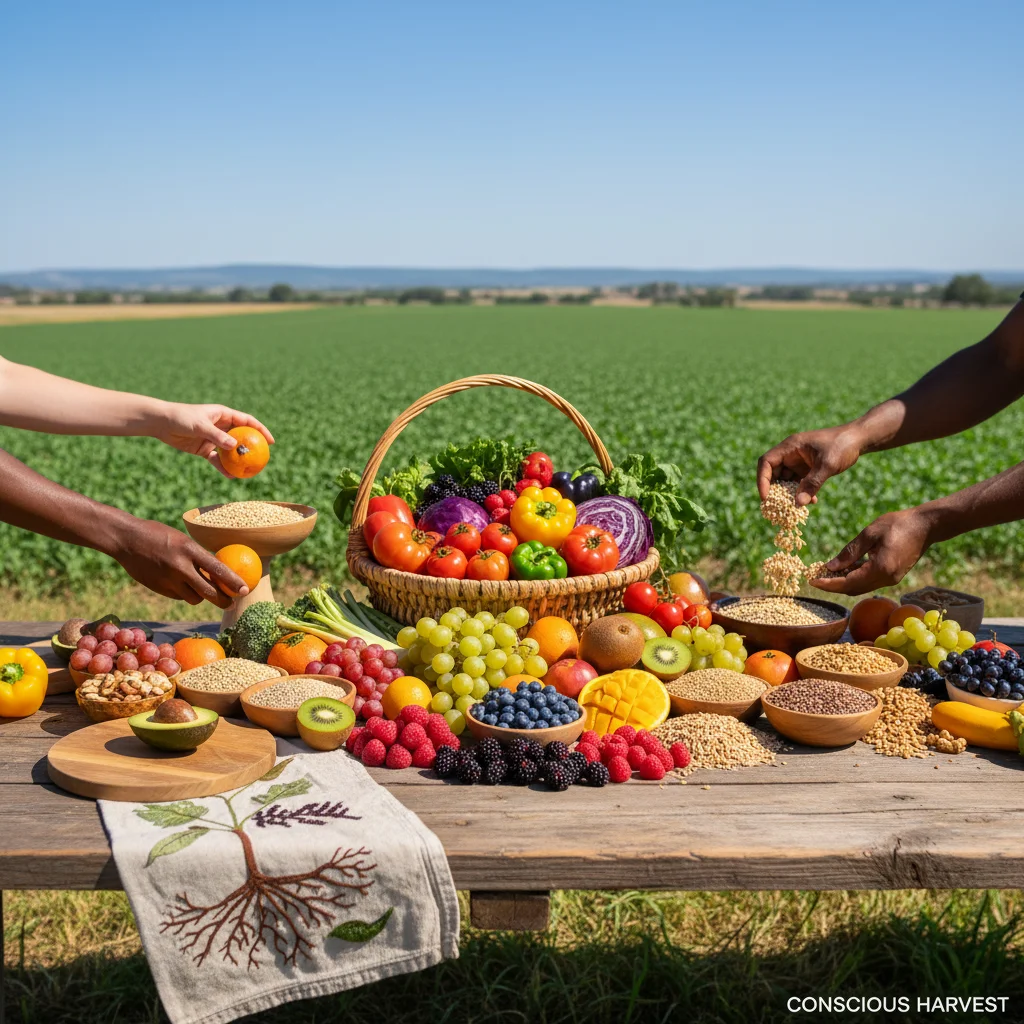
Sustainable Food Choices: 5 Ways U.S. Consumers Can Impact the Environment in 2026
As the world grapples with escalating environmental challenges, the spotlight increasingly turns to our daily habits, especially what we eat. The food we consume, from its origin to its disposal, carries a significant environmental footprint. For U.S. consumers, making sustainable food choices in 2026 isn’t just a trend; it’s a critical step towards a healthier planet and a more resilient future. This comprehensive guide will delve into five pivotal ways you can transform your eating habits to reduce your environmental impact, contribute to a more sustainable food system, and empower yourself as a conscious consumer.
The global food system is a complex web of production, processing, distribution, consumption, and waste. Each stage has environmental implications, including greenhouse gas emissions, water depletion, land degradation, biodiversity loss, and pollution. Conventional agriculture, for instance, is a major contributor to climate change, accounting for a significant portion of global emissions. It often relies heavily on synthetic fertilizers and pesticides, which can harm soil health, contaminate water sources, and reduce biodiversity. Animal agriculture, particularly industrial livestock farming, is another significant driver of environmental damage, demanding vast amounts of land and water, and producing substantial methane emissions.
However, the power to instigate change lies squarely in the hands of consumers. Every purchasing decision, every meal prepared, and every scrap of food managed represents an opportunity to make a difference. By consciously opting for sustainable food choices, you become an active participant in fostering a food system that respects ecological boundaries, promotes social equity, and ensures long-term viability. This isn’t about radical deprivation but rather informed and intentional shifts that collectively create a powerful ripple effect.
In 2026, with growing awareness and accessibility, it’s easier than ever to integrate sustainability into your diet. This article aims to equip you with actionable strategies, backed by a deeper understanding of their environmental benefits, allowing you to confidently navigate the grocery aisles and restaurant menus with an eco-conscious mindset. Let’s explore how your plate can become a powerful tool for environmental stewardship.
1. Prioritize Plant-Based Diets and Reduce Meat Consumption
One of the most impactful sustainable food choices U.S. consumers can make is to shift towards more plant-based diets and reduce their overall meat consumption, particularly red meat. The environmental footprint of meat production, especially beef and lamb, is disproportionately high compared to plant-based alternatives. This is primarily due to several factors:
- Greenhouse Gas Emissions: Livestock, especially ruminants like cattle, produce significant amounts of methane, a potent greenhouse gas, through their digestive processes. Additionally, emissions arise from manure management and the production of feed.
- Land Use: Vast tracts of land are required for grazing livestock and for cultivating crops to feed them. This often leads to deforestation, habitat loss, and degradation of ecosystems.
- Water Consumption: Producing meat is incredibly water-intensive. From growing feed crops to providing drinking water for animals and processing meat, the water footprint of animal products is substantially higher than that of plant-based foods.
- Pollution: Runoff from factory farms containing animal waste, antibiotics, and hormones can pollute waterways, leading to eutrophication and dead zones.
By consciously opting for more plant-based meals, even just a few times a week, you can significantly reduce your personal environmental impact. This doesn’t necessarily mean becoming a strict vegetarian or vegan overnight, but rather adopting a “flexitarian” approach. Incorporate more legumes (beans, lentils, chickpeas), whole grains, fruits, vegetables, nuts, and seeds into your diet. These foods are not only environmentally friendly but also packed with essential nutrients and fiber, contributing to better personal health.
Consider exploring meat alternatives available in the market, from plant-based burgers to tofu and tempeh. Many cuisines around the world are inherently plant-forward, offering a wealth of delicious and diverse recipes to explore. Start by identifying your favorite plant-based meals and gradually expand your repertoire. Even replacing one meat-heavy meal a day with a plant-based option can make a substantial difference over time. This mindful approach to your plate is a powerful step towards making sustainable food choices a daily reality.
2. Embrace Local and Seasonal Eating
Another crucial aspect of making sustainable food choices is to embrace local and seasonal eating. This practice involves consuming foods that are grown or produced close to where you live and are in season. The benefits are multifaceted:
- Reduced Food Miles: When food travels shorter distances from farm to fork, fewer fossil fuels are consumed for transportation, leading to a reduction in greenhouse gas emissions. This minimizes the “food miles” associated with your diet.
- Support for Local Economies: Buying from local farmers and producers directly supports your community, helping to sustain small businesses and agricultural livelihoods. This fosters a more resilient and localized food system.
- Fresher, More Nutritious Food: Produce that is harvested at its peak ripeness and doesn’t need to endure long transit times often tastes better and retains more of its nutritional value.
- Reduced Packaging: Local produce often comes with less packaging compared to items shipped from far away, further reducing waste.
- Connection to Food: Eating seasonally helps you reconnect with the natural cycles of food production and appreciate the bounty of your local region.
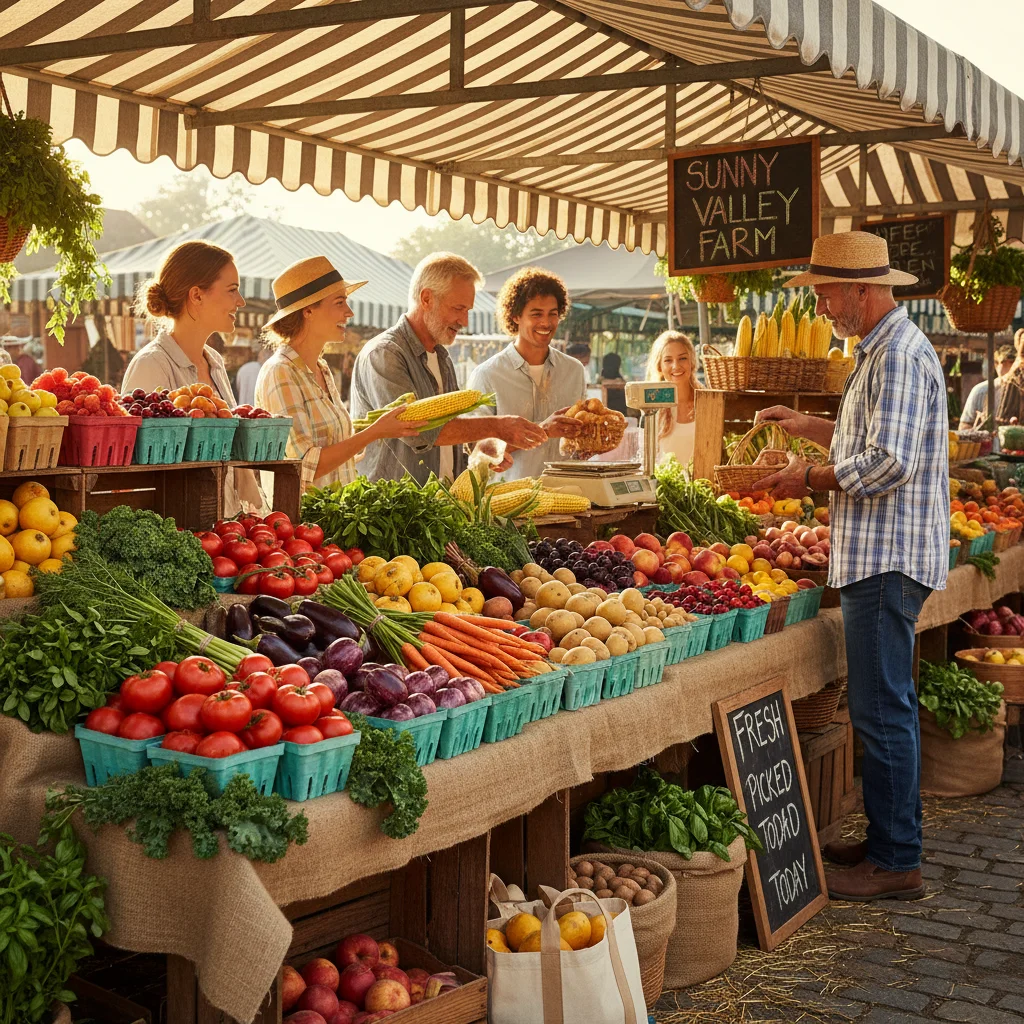
To incorporate local and seasonal eating into your routine, start by visiting local farmers’ markets. These vibrant hubs offer a direct connection to the people who grow your food and provide an excellent opportunity to discover what’s currently in season. Many communities also have Community Supported Agriculture (CSA) programs, where you can subscribe to receive a weekly box of fresh, seasonal produce directly from a local farm. Look for local produce sections in your grocery store and ask where products are sourced from. Online resources and local agricultural extension offices can also provide seasonal eating guides specific to your region.
Embracing local and seasonal eating may require a slight adjustment to your meal planning, as you’ll be guided by what’s available rather than what’s always on the supermarket shelf. However, this challenge often sparks creativity in the kitchen and introduces you to new ingredients and flavors. By making these sustainable food choices, you’re not only benefiting the environment but also enjoying fresher, tastier, and often more nutritious food while bolstering your local economy.
3. Minimize Food Waste at Home and When Dining Out
Food waste is a colossal environmental problem. Globally, an estimated one-third of all food produced for human consumption is lost or wasted. In the U.S. alone, approximately 30-40% of the food supply goes to waste. This waste has profound environmental consequences:
- Resource Depletion: All the resources used to produce, process, and transport that food – land, water, energy, labor – are also wasted.
- Greenhouse Gas Emissions: When food rots in landfills, it produces methane, a potent greenhouse gas that contributes significantly to climate change.
- Economic Loss: Wasting food means wasting money, both for consumers and for the entire food supply chain.
Minimizing food waste is one of the most direct and effective sustainable food choices you can make. Here are actionable strategies:
- Plan Your Meals: Before grocery shopping, plan your meals for the week. Make a shopping list and stick to it to avoid impulse buys that might go uneaten.
- Store Food Properly: Learn the best ways to store different types of food to maximize their shelf life. For example, some fruits and vegetables last longer in the refrigerator, while others prefer room temperature. Understand “best by” vs. “use by” dates – many foods are still perfectly safe to eat after their “best by” date.
- Portion Control: Cook and serve appropriate portions to avoid leftovers that might be forgotten. If you do have leftovers, store them properly and make an effort to eat them.
- Get Creative with Leftovers: Transform leftovers into new meals. Yesterday’s roasted vegetables can become today’s soup or stir-fry. Stale bread can be made into croutons or bread pudding.
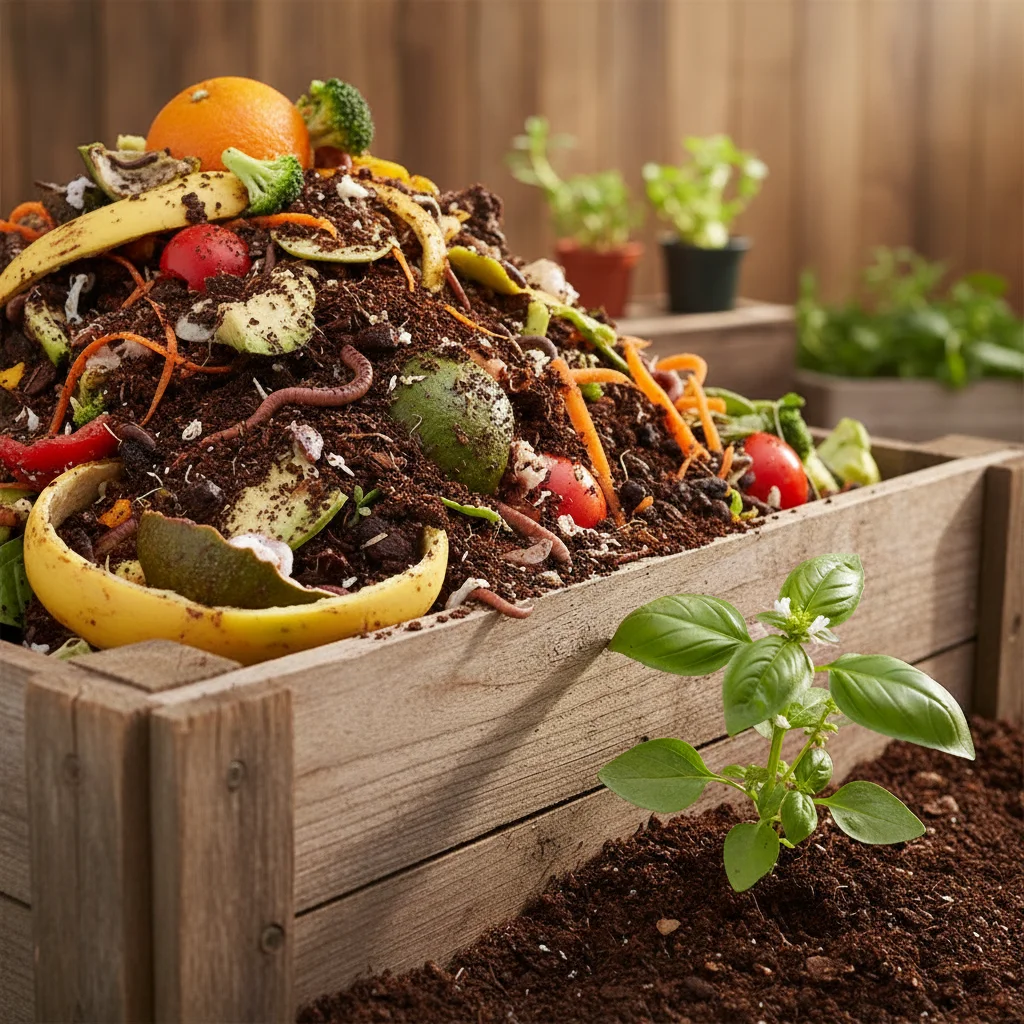
- Compost Food Scraps: For unavoidable food waste (e.g., fruit peels, vegetable scraps, coffee grounds), consider composting. Composting diverts organic matter from landfills, reduces methane emissions, and creates nutrient-rich soil for gardens. Many communities offer municipal composting programs, or you can start a backyard compost bin.
- Be Mindful When Dining Out: Order only what you can eat. If portions are large, ask for a doggy bag to take home leftovers.
By adopting these habits, you not only reduce your environmental footprint but also save money and gain a greater appreciation for the food you consume. Making conscious efforts to minimize food waste is a powerful demonstration of making sustainable food choices.
4. Choose Sustainably Sourced Seafood and Support Regenerative Agriculture
The choices we make regarding seafood and agricultural products beyond produce also have significant environmental implications. To make truly sustainable food choices, U.S. consumers should consider the sourcing practices of these items.
Sustainably Sourced Seafood
Overfishing, destructive fishing practices, and aquaculture (fish farming) can severely damage marine ecosystems, deplete fish populations, and impact biodiversity. When choosing seafood:
- Consult Seafood Guides: Organizations like the Monterey Bay Aquarium Seafood Watch program provide science-based recommendations on which seafood is “Best Choice,” “Good Alternative,” or “Avoid.” These guides help you make informed decisions based on fishing methods, population health, and environmental impact.
- Look for Certifications: Labels like the Marine Stewardship Council (MSC) certify wild-caught seafood that meets rigorous sustainability standards. For farmed seafood, look for certifications like the Aquaculture Stewardship Council (ASC).
- Ask Questions: Don’t hesitate to ask your fishmonger or restaurant staff about the origin and fishing methods of their seafood.
Support Regenerative Agriculture
Beyond organic, regenerative agriculture is a holistic farming approach focused on improving soil health, biodiversity, and ecosystem services. It aims to reverse climate change by rebuilding soil organic matter and restoring degraded soil biodiversity, resulting in both carbon drawdown and improved water cycles. Key practices include:
- No-Till Farming: Minimizes soil disturbance, preserving soil structure and organic matter.
- Cover Cropping: Planting non-cash crops between main crop cycles to protect soil, add nutrients, and prevent erosion.
- Crop Rotation: Varying the crops grown in a field to improve soil health and break pest cycles.
- Rotational Grazing: Moving livestock frequently to allow pastures to recover, mimicking natural grazing patterns and improving soil fertility.
By choosing products from farms that practice regenerative agriculture, you are directly supporting methods that sequester carbon, enhance biodiversity, and build more resilient food systems. Look for labels like “Regenerative Organic Certified” or research brands that openly communicate their commitment to these practices. While these products might sometimes come at a slightly higher price, it’s an investment in the long-term health of our planet and a powerful way to make sustainable food choices.
5. Reduce Packaged Food Consumption and Embrace Reusables
The packaging that surrounds our food contributes significantly to waste streams and environmental pollution. From plastics that can take centuries to decompose to energy-intensive manufacturing processes, food packaging has a substantial ecological footprint. Making sustainable food choices in 2026 also means being mindful of the packaging associated with your food.
Here’s how you can reduce your impact:
- Opt for Bulk Bins: Many grocery stores offer bulk sections where you can purchase staples like grains, nuts, seeds, pasta, and even spices without packaging. Bring your own reusable bags or containers to fill them up. This not only reduces waste but can often be more cost-effective.
- Choose Minimally Packaged Items: When bulk options aren’t available, select products that come in minimal or recyclable packaging (e.g., glass, aluminum, paper). Avoid single-serving plastic containers whenever possible.
- Prioritize Fresh Over Processed: Highly processed foods often come with multiple layers of packaging. Focusing on fresh, whole ingredients naturally reduces your reliance on excessive packaging.
- Bring Reusable Bags and Containers: Make it a habit to bring reusable shopping bags to the grocery store. For take-out or restaurant leftovers, inquire if you can use your own reusable containers, though policies vary.
- Refuse Unnecessary Extras: Politely decline plastic cutlery, straws, and extra napkins when ordering take-out if you don’t need them.
- Support Brands with Sustainable Packaging: Seek out companies that are innovating with compostable, biodegradable, or refillable packaging solutions. Your purchasing power can incentivize more brands to adopt eco-friendly practices.
Reducing packaged food consumption and embracing reusables requires a conscious effort and perhaps some upfront planning. However, the cumulative effect of these small changes can be immense. By making these sustainable food choices, you’re directly contributing to a reduction in landfill waste, plastic pollution in our oceans, and the energy consumption associated with packaging production. It’s a tangible way to live more lightly on the planet and encourage a circular economy.
The Broader Impact of Your Sustainable Food Choices
The five strategies outlined above – prioritizing plant-based diets, embracing local and seasonal eating, minimizing food waste, choosing sustainably sourced seafood and supporting regenerative agriculture, and reducing packaged food consumption – are not isolated actions. They are interconnected pillars that collectively form a powerful framework for making sustainable food choices. When U.S. consumers adopt these practices, the ripple effects extend far beyond their individual plates:
- Market Transformation: Increased demand for sustainable products sends clear signals to producers, encouraging them to adopt more environmentally friendly practices. This consumer-driven shift can accelerate the transition to a more sustainable food system on a larger scale.
- Policy Influence: A growing base of environmentally conscious consumers can also influence public policy, leading to better regulations, incentives for sustainable farming, and investments in green infrastructure.
- Health Benefits: Many sustainable eating patterns, particularly those that emphasize whole, unprocessed, plant-rich foods, are also associated with improved human health outcomes, including reduced risk of chronic diseases.
- Educational Impact: As you integrate these habits into your life, you naturally become an advocate and educator for others, inspiring friends, family, and community members to consider their own food choices.
- Biodiversity Protection: Sustainable agricultural practices and responsible fishing help protect vital ecosystems, preserve biodiversity, and ensure the long-term health of our planet’s natural resources.
- Climate Change Mitigation: By reducing greenhouse gas emissions from food production and waste, these choices play a crucial role in mitigating the impacts of climate change.
It’s important to remember that making sustainable food choices is a journey, not a destination. You don’t have to implement all these changes at once. Start small, pick one or two areas where you feel you can make the most significant impact, and gradually build from there. Every step, no matter how small, contributes to the larger goal of a more sustainable and equitable food system. Be patient with yourself, celebrate your successes, and continuously seek new ways to deepen your commitment.
Looking Ahead: The Future of Sustainable Food in 2026 and Beyond
As we look towards 2026 and beyond, the landscape of sustainable food is continually evolving. Technological advancements, increased consumer awareness, and innovative agricultural practices are shaping a future where sustainable food choices become even more accessible and impactful. We can anticipate:
- Further Innovation in Plant-Based Alternatives: Expect to see even more realistic and diverse plant-based meat, dairy, and seafood alternatives hitting the market, catering to a wider range of tastes and dietary preferences.
- Vertical and Urban Farming Expansion: These methods can significantly reduce land and water use, minimize food miles, and provide fresh produce to urban populations, making local eating more feasible for many.
- Data-Driven Food Systems: Technology will play an increasing role in optimizing supply chains, reducing waste, and improving traceability, giving consumers more transparency about where their food comes from and its environmental impact.
- Greater Emphasis on Food Waste Solutions: From smart refrigerators that help track food inventory to widespread composting initiatives and innovative upcycling of food byproducts, efforts to combat food waste will intensify.
- Increased Adoption of Regenerative Practices: As the benefits of regenerative agriculture become more widely understood and supported, more farmers will transition to these methods, leading to healthier soils and improved ecosystem services.
- Consumer Education and Engagement: Educational campaigns and resources will continue to empower consumers with the knowledge and tools to make informed sustainable food choices, fostering a culture of conscious consumption.
Your role as a U.S. consumer in this evolving landscape is more crucial than ever. By actively engaging with these sustainable food choices, you are not just adapting to change; you are driving it. You are contributing to a future where food production and consumption are in harmony with the planet, ensuring that future generations have access to abundant, nutritious, and sustainably produced food. Embrace the power of your plate, and be a catalyst for positive environmental change.
Conclusion: Your Plate, Your Power
The journey towards a more sustainable future is a collective effort, and the decisions we make about food are at its very heart. For U.S. consumers, embracing sustainable food choices in 2026 offers a tangible and powerful way to impact the environment positively. By prioritizing plant-based diets, choosing local and seasonal produce, diligently minimizing food waste, opting for sustainably sourced seafood and products from regenerative agriculture, and reducing reliance on packaged goods, you become an integral part of the solution.
Remember, every meal is an opportunity to vote for the kind of food system you want to support. It’s an opportunity to reduce your carbon footprint, conserve precious natural resources, protect biodiversity, and contribute to a healthier, more resilient planet. These aren’t just dietary adjustments; they are acts of environmental stewardship. Start today, make conscious choices, and inspire those around you. Together, through informed and intentional sustainable food choices, we can cultivate a future where our food nourishes both ourselves and the Earth for generations to come. The power to create this change is literally in your hands, with every bite you take.