Maximize Commercial Solar Energy: 15% Boost with Advanced Inverters by 2026
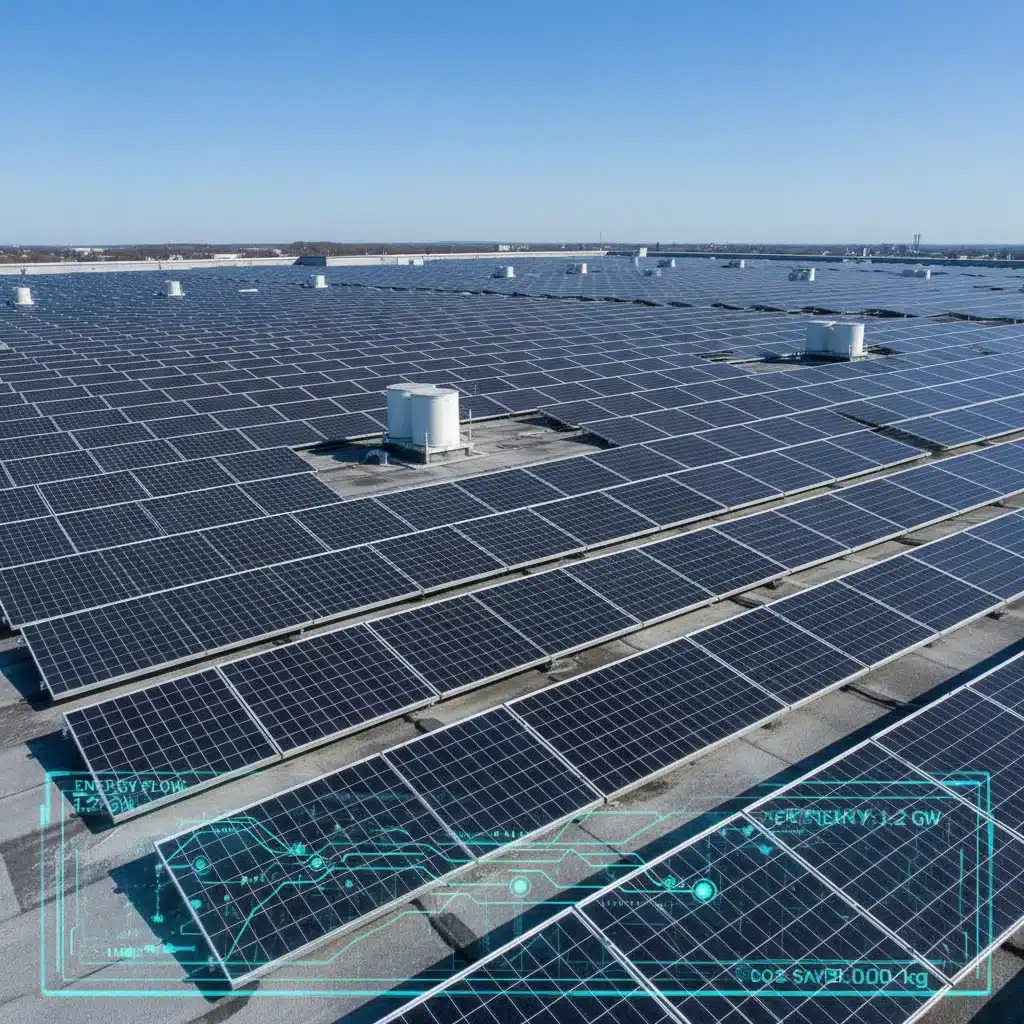
Optimizing Commercial Rooftop Solar Arrays: Maximizing Energy Production by 15% with Advanced Inverter Technology in 2026
The landscape of renewable energy is constantly evolving, with solar power leading the charge in sustainable solutions for businesses. As we look towards 2026, the focus on commercial solar optimization is intensifying, driven by technological advancements that promise unprecedented efficiency gains. Specifically, the integration of advanced inverter technology is poised to revolutionize how commercial rooftop solar arrays perform, potentially boosting energy production by a remarkable 15%.
For businesses investing in solar, the goal is clear: maximize energy output, reduce operational costs, and enhance sustainability credentials. This article delves into how sophisticated inverters are becoming the linchpin of this optimization, transforming raw solar energy into highly efficient, grid-compatible power. We will explore the mechanisms behind these gains, the specific technologies making this possible, and what commercial entities can expect in the coming years.
The Pivotal Role of Inverters in Commercial Solar Optimization
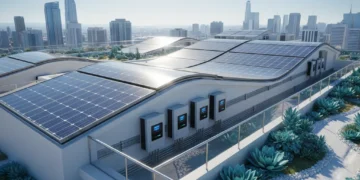
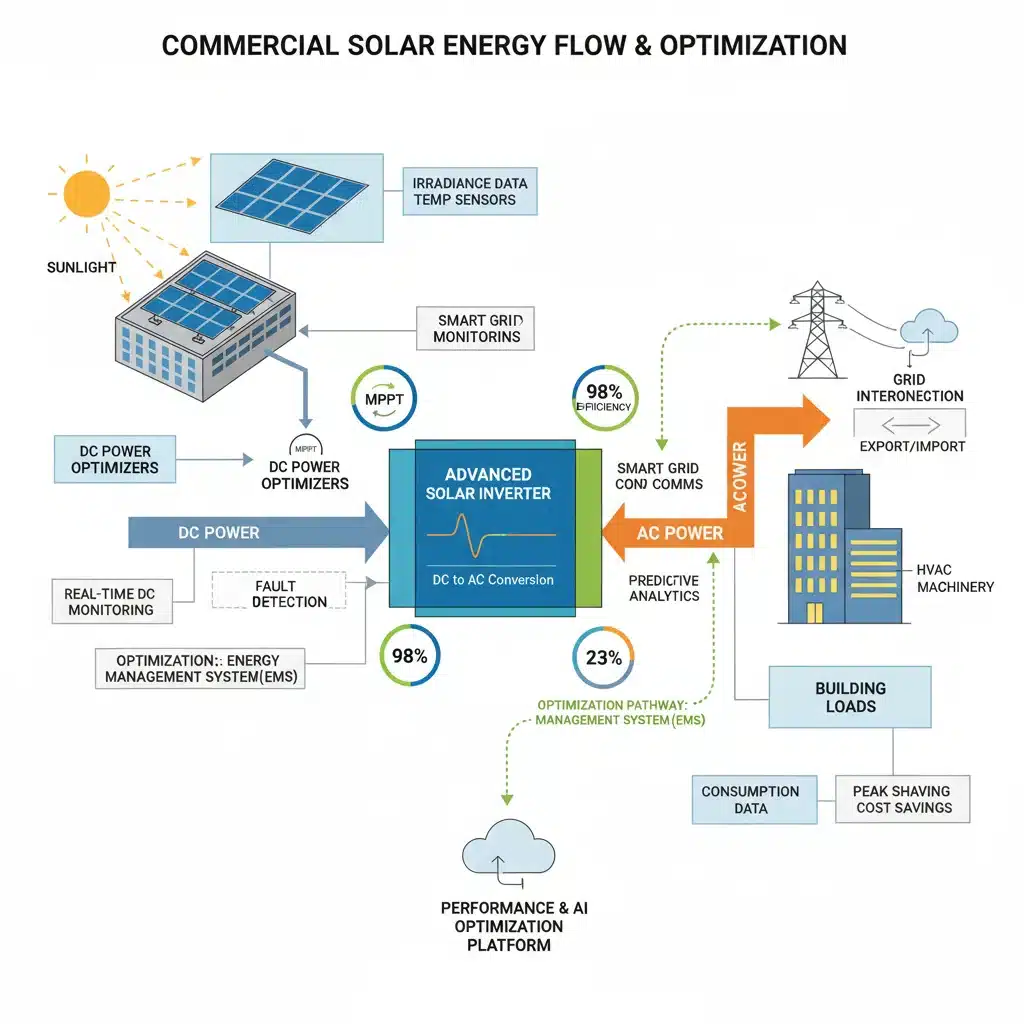
At the heart of every solar photovoltaic (PV) system lies the inverter, a critical component responsible for converting the direct current (DC) electricity generated by solar panels into alternating current (AC) electricity usable by commercial buildings and the electrical grid. While traditional inverters performed this essential function, advanced inverters go a significant step further, incorporating intelligence and sophisticated control mechanisms that dramatically enhance system performance and reliability. This evolution is central to achieving significant commercial solar optimization.
Understanding the Energy Conversion Process
Solar panels produce DC power, which is not directly compatible with most electrical appliances or the utility grid. The inverter’s primary role is to bridge this gap. However, the efficiency of this conversion process is paramount. Any losses during conversion directly impact the overall energy yield of the solar array. Older inverter technologies, while functional, often had limitations in handling varying solar conditions, leading to suboptimal energy harvesting. Modern, advanced inverters, however, are designed to minimize these losses and maximize power extraction under a wide range of environmental conditions.
Beyond DC to AC: The Intelligence Factor
The term ‘advanced inverter’ refers to a new generation of devices that integrate microprocessors, communication capabilities, and smart algorithms. These aren’t just converters; they are intelligent energy management hubs. They can monitor individual panel performance, react to grid conditions, and even communicate with other smart devices within a building’s energy ecosystem. This intelligence is what unlocks the potential for a 15% increase in energy production by 2026, pushing the boundaries of commercial solar optimization.
Key Technologies Driving 15% Energy Boost
Several technological advancements within inverter design and functionality are converging to create this significant leap in solar energy production. Understanding these innovations is crucial for businesses looking to upgrade or install new commercial solar arrays.
1. Smart Inverters and Grid Integration
Smart inverters are perhaps the most impactful development. These devices are equipped with advanced functionalities that allow them to interact intelligently with the utility grid. They can provide voltage and frequency support, manage reactive power, and even participate in demand-response programs. This grid-friendly operation not only enhances grid stability but also allows for more efficient energy dispatch and potentially higher revenue streams for commercial solar owners. By dynamically adjusting their output based on grid needs, smart inverters ensure that every watt generated is optimally utilized, contributing directly to commercial solar optimization.
2. Module-Level Power Electronics (MLPEs): Microinverters and Power Optimizers
Traditional string inverters connect multiple solar panels in a series. If one panel in the string is shaded or underperforms, it can drag down the output of the entire string. MLPEs, such as microinverters and power optimizers, address this issue by operating at the individual panel level. Microinverters convert DC to AC at each panel, while power optimizers condition the DC power before it’s sent to a central inverter. Both technologies mitigate the impact of shading, soiling, and panel mismatch, ensuring that each panel operates at its maximum power point. This granular control is vital for maximizing energy harvest from complex commercial rooftops with varying sun exposure, directly improving commercial solar rooftop mounts.
3. Predictive Analytics and Machine Learning
The integration of predictive analytics and machine learning algorithms into inverter systems is a game-changer. These intelligent systems analyze vast amounts of data – including weather patterns, historical performance, and grid conditions – to anticipate and proactively adjust inverter operations. For example, an inverter could predict an upcoming cloudy period and optimize its charging strategy for connected battery storage, or adjust its output to meet anticipated peak demand. This proactive management minimizes downtime and maximizes efficiency, moving beyond reactive adjustments to truly intelligent energy management. This data-driven approach is fundamental to advanced commercial solar optimization strategies.
4. Enhanced Efficiency and Reliability
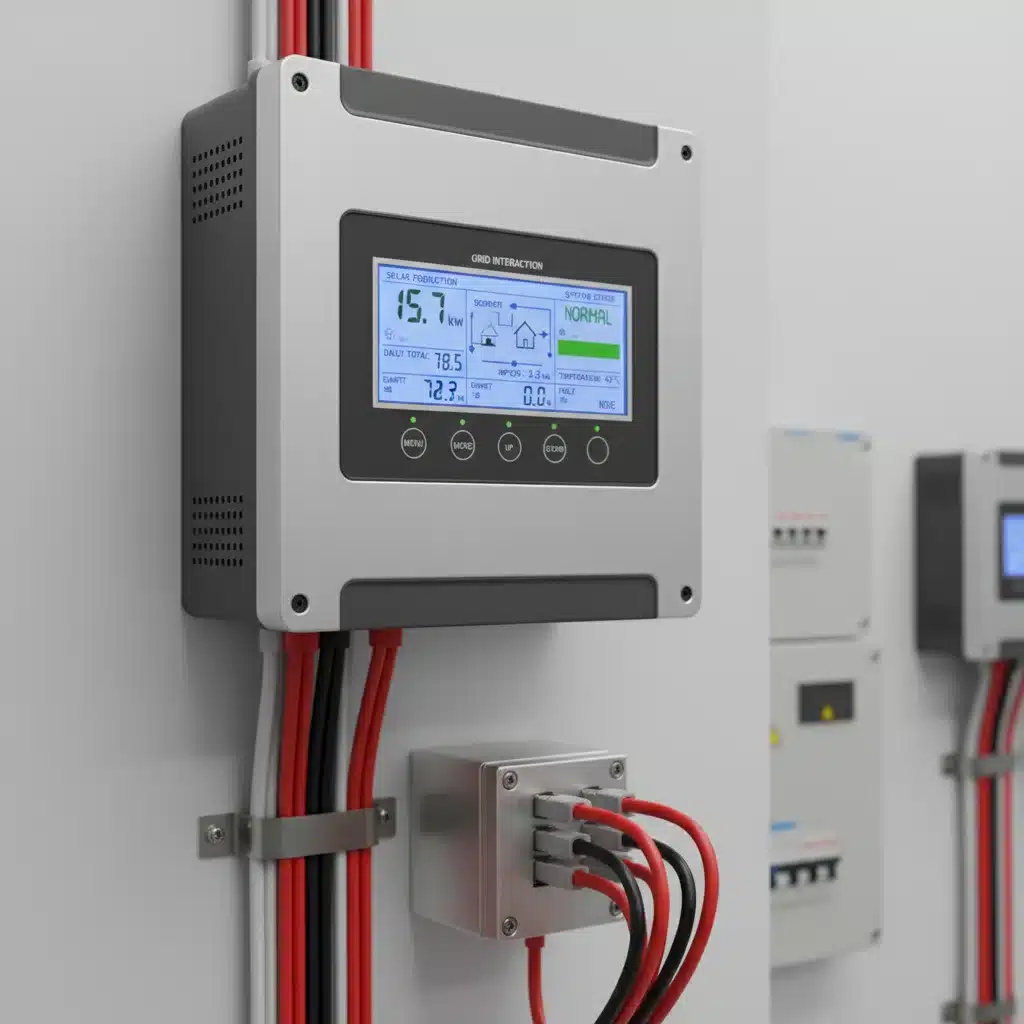
Beyond smart features, the core efficiency of power conversion in advanced inverters has improved significantly. Manufacturers are continuously refining semiconductor technologies (like Silicon Carbide and Gallium Nitride) and thermal management systems to reduce energy losses during the DC-to-AC conversion. This means less energy is wasted as heat, and more is delivered as usable electricity. Furthermore, advanced inverters often come with enhanced diagnostic capabilities, enabling faster troubleshooting and maintenance, which reduces downtime and ensures consistent high performance, contributing to robust commercial solar optimization.
The Impact on Commercial Rooftop Solar Arrays by 2026
The cumulative effect of these advancements is projected to deliver a substantial 15% increase in energy production for commercial rooftop solar arrays by 2026. This isn’t just a theoretical number; it’s a tangible benefit that translates into significant financial and environmental advantages for businesses.
Increased Return on Investment (ROI)
A 15% boost in energy production means a direct increase in the amount of electricity generated and either consumed onsite or sold back to the grid. For businesses, this translates to lower electricity bills, higher revenue from energy sales (if applicable), and a faster payback period on their initial solar investment. The enhanced efficiency makes solar an even more attractive and financially viable option for commercial enterprises, accelerating the commercial solar optimization.
Greater Energy Independence and Resilience
With more efficient solar arrays, businesses can achieve a higher degree of energy independence, reducing their reliance on volatile grid electricity prices. The smart grid integration features of advanced inverters also contribute to greater energy resilience, allowing systems to better manage power fluctuations and potentially even operate in island mode during grid outages when coupled with battery storage. This is a critical factor for businesses where uninterrupted power supply is essential.
Environmental Benefits and ESG Goals
Producing 15% more clean energy from the same footprint means a greater reduction in carbon emissions. For companies committed to environmental, social, and governance (ESG) goals, this enhanced performance provides a stronger foundation for meeting sustainability targets and demonstrating corporate responsibility. This contributes to a positive brand image and aligns with global efforts to combat climate change, enhancing the overall value of commercial solar optimization.
Challenges and Considerations for Adoption
While the benefits are compelling, businesses considering adopting these advanced inverter technologies should be aware of certain challenges and considerations.
Initial Investment Costs
Advanced inverters and MLPEs typically have a higher upfront cost compared to traditional string inverters. However, the long-term benefits in terms of increased energy production, reduced maintenance, and enhanced system longevity often outweigh this initial investment. A thorough cost-benefit analysis is essential.
System Complexity
The sophistication of advanced inverter systems means that design, installation, and maintenance can be more complex. It requires skilled professionals with expertise in these specific technologies. Businesses should partner with reputable solar providers who have a proven track record with advanced inverter deployments.
Regulatory and Grid Requirements
As smart inverters interact more deeply with the grid, there may be specific utility interconnection requirements, standards, and regulations that need to be met. Staying informed about local and national energy policies is crucial to ensure compliance and maximize benefits. These factors are integral to successful commercial solar optimization.
Implementing Advanced Inverter Technology: A Step-by-Step Approach
For businesses ready to harness the power of advanced inverter technology, a strategic implementation plan is key. This involves several critical steps to ensure a successful transition and maximum energy gains.
1. Comprehensive Energy Audit and Site Assessment
Before any installation, conduct a detailed energy audit of your commercial facility. Understand your current energy consumption patterns, peak demands, and existing electrical infrastructure. Simultaneously, a thorough site assessment of your rooftop is essential. This includes evaluating roof integrity, shading patterns throughout the year, available space for solar panels, and optimal tilt and azimuth angles. This foundational data will inform the design of a highly optimized solar array, crucial for commercial solar optimization.
2. Technology Selection and Sizing
Based on the audit and assessment, select the most appropriate advanced inverter technology. This might involve choosing between microinverters, power optimizers, or advanced string inverters with integrated smart features. Consider factors like your budget, the complexity of your rooftop, desired monitoring capabilities, and future scalability. Proper sizing of the inverter relative to your solar panel array is also critical to prevent clipping losses and ensure optimal performance.
3. Professional Design and Engineering
Engage experienced solar engineers to design the system. A well-engineered system will account for all variables, including electrical loads, grid interconnection requirements, safety standards, and potential future expansions. The design phase will specify the layout of panels, wiring diagrams, inverter placement, and integration with existing building management systems. This expertise ensures that your commercial solar optimization goals are met from the ground up.
4. Installation by Certified Professionals
The installation of advanced inverter systems requires specialized knowledge. Ensure that the installation team is certified, experienced with the chosen technology, and adheres to all local building codes and electrical standards. Proper installation is paramount for system safety, efficiency, and longevity. Poor installation can negate the benefits of even the most advanced equipment.
5. Monitoring, Maintenance, and Software Updates
Once installed, continuous monitoring is vital. Advanced inverters often come with sophisticated monitoring platforms that provide real-time data on energy production, system health, and potential issues. Establish a routine maintenance schedule to ensure panels are clean and components are functioning optimally. Furthermore, stay abreast of firmware and software updates for your inverters, as these often include performance enhancements, security patches, and new features that further contribute to commercial solar optimization.
The Future of Commercial Solar: Beyond 2026
The projected 15% increase in energy production by 2026 is just one milestone in the ongoing evolution of commercial solar technology. Looking further ahead, we can anticipate even greater integration and intelligence within these systems.
Energy Storage Integration
The synergy between advanced inverters and battery energy storage systems (BESS) will become even more pronounced. Inverters will play a crucial role in managing the charging and discharging of batteries, optimizing energy usage based on time-of-use rates, demand charges, and grid conditions. This will allow businesses to store excess solar energy for use during peak demand or at night, further enhancing self-sufficiency and reducing costs. This integrated approach is the next frontier for commercial solar optimization.
Artificial Intelligence and Self-Learning Systems
The role of AI will deepen, moving beyond predictive analytics to self-learning systems that can autonomously adapt and optimize solar array performance in real-time. These systems will learn from continuous data streams, identify patterns, and make instantaneous adjustments to maximize energy harvest and minimize wear and tear on components. This level of autonomy will significantly reduce the need for manual intervention and ensure peak efficiency around the clock.
Enhanced Cyber Security
As solar systems become more connected and intelligent, cybersecurity will become an even more critical concern. Future inverters will incorporate advanced encryption and security protocols to protect against cyber threats, ensuring the integrity and reliability of energy generation and grid interaction. Protecting these intelligent systems is paramount for sustainable commercial solar optimization.
Decentralized Energy Management
Advanced inverters will facilitate more sophisticated decentralized energy management within commercial properties and even across multiple sites. This could involve peer-to-peer energy trading within a microgrid, where businesses can buy and sell surplus solar energy directly, creating new revenue opportunities and fostering local energy independence.
Conclusion: A Brighter, More Efficient Future for Commercial Solar
The promise of a 15% increase in energy production from commercial rooftop solar arrays by 2026, driven by advanced inverter technology, marks a significant leap forward for renewable energy. For businesses, this translates into tangible benefits: reduced operational costs, enhanced energy independence, and a stronger commitment to environmental sustainability. By understanding and embracing these technological advancements, commercial entities can not only future-proof their energy supply but also gain a substantial competitive edge in an increasingly green economy.
The path to maximizing these gains involves careful planning, strategic investment in the right technologies, and collaboration with expert solar providers. As we move closer to 2026 and beyond, the ongoing evolution of advanced inverters will continue to unlock new potentials for commercial solar optimization, making solar power an even more indispensable asset for the modern business.
Invest in the future of your business with smart solar solutions. The time to optimize your commercial rooftop solar array is now.