Boost Home Solar Production: 7 Expert Tips for 5% More Energy by 2026
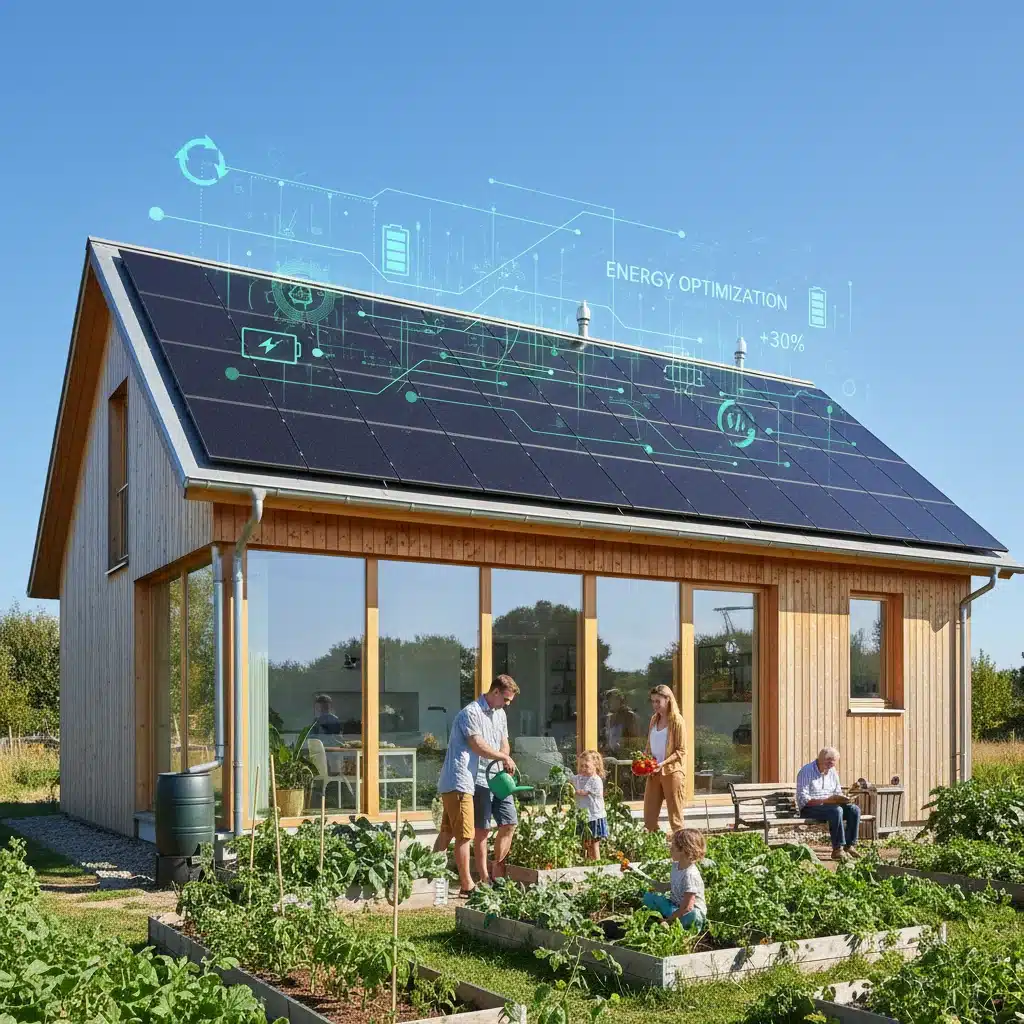
Maximizing Your Home’s Solar Production: 7 Expert Tips for 2026 to Gain 5% More Energy
In an era where sustainability and energy independence are paramount, harnessing the full potential of your home’s solar power system is not just a smart choice, it’s a necessity. As we look towards 2026, the technology and strategies for solar energy optimization are more advanced and accessible than ever. Imagine boosting your home’s solar energy production by a significant 5% or even more – this isn’t a distant dream, but an achievable goal with the right approach. This comprehensive guide will walk you through seven expert tips designed to help you squeeze every watt out of your solar panels, ensuring you not only reduce your carbon footprint but also enjoy substantial savings on your electricity bills.
Many homeowners invest in solar panels with the expectation of immediate and consistent energy savings. While solar systems are undeniably effective, their performance can fluctuate due to various factors, from environmental conditions to maintenance practices. Our focus today is on actionable strategies that go beyond basic installation, delving into proactive measures and smart technologies that enhance your system’s efficiency. Whether you’re a seasoned solar owner or just considering the switch, these tips for maximizing solar output will provide valuable insights to elevate your energy game. Let’s embark on a journey to unlock your solar system’s true potential and secure a more energy-efficient future for your home.
1. Implement Regular Panel Cleaning and Maintenance
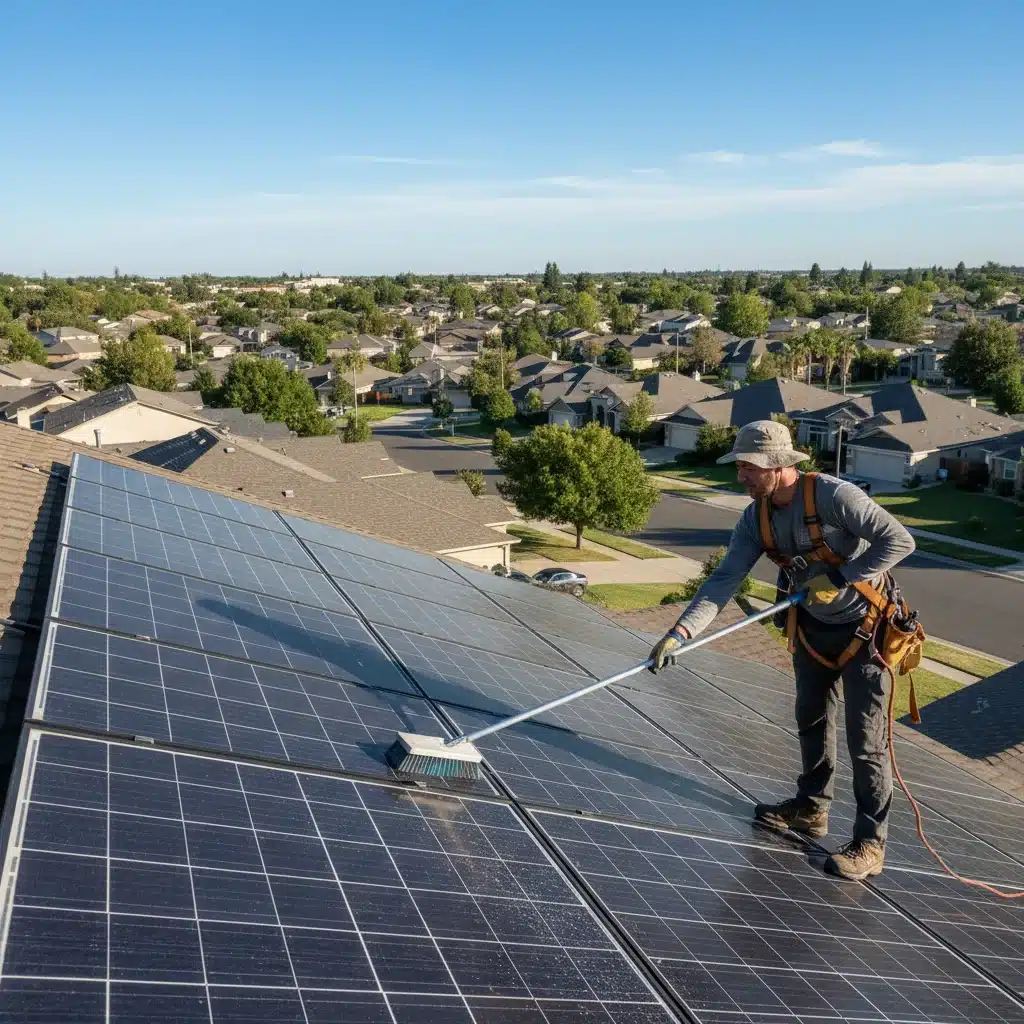
One of the most overlooked yet impactful aspects of solar energy optimization is consistent cleaning and maintenance of your solar panels. Just like any outdoor surface, solar panels accumulate dust, dirt, pollen, bird dro droppings, and other debris over time. This buildup can significantly block sunlight from reaching the photovoltaic cells, directly reducing their energy conversion efficiency. Studies show that dirty panels can lose anywhere from 5% to 20% of their efficiency, making regular cleaning a critical step towards maximizing your power output.
The Impact of Dirt on Solar Performance
Imagine your solar panel as a window to the sun. If that window is smudged and dirty, less light can pass through. Similarly, even a thin layer of dust can create ‘hot spots’ on the panel, leading to uneven energy production and potentially shortening the lifespan of individual cells. This is particularly true in areas prone to dust storms, agricultural activity, or heavy pollution. While rain can offer a superficial rinse, it rarely provides the thorough cleaning needed to remove stubborn grime.
Best Practices for Cleaning
For optimal results, aim to clean your solar panels every 3-6 months. However, this frequency might need adjustment based on your local environment. If you live near a construction site, a busy road, or an area with frequent pollen, more frequent cleaning may be beneficial. Here’s how to do it safely and effectively:
- Safety First: Always prioritize safety. If your panels are on a steep roof or difficult to access, consider hiring a professional solar panel cleaning service. They have the right equipment and expertise to do the job safely.
- Timing is Key: Clean your panels early in the morning or late in the evening when they are cool. Cleaning hot panels with cold water can cause thermal shock and potentially damage the glass.
- Gentle Approach: Use a soft brush or a squeegee with a long handle. Avoid abrasive materials that could scratch the panel surface.
- Use the Right Solution: A simple mixture of water and a mild, non-abrasive soap (like dish soap) is usually sufficient. Avoid harsh chemicals or detergents that could leave residues or damage the panel’s protective coating.
- Rinse Thoroughly: Rinse the panels thoroughly with a garden hose (not a high-pressure washer, which can damage seals or even cells) to remove all soap residue.
Beyond cleaning, schedule an annual professional inspection. Experts can identify loose wiring, damaged cells, or inverter issues that might not be visible to the untrained eye, ensuring your system operates at peak efficiency. This proactive approach to maintenance is fundamental for long-term solar energy optimization.
2. Optimize Panel Angle and Orientation
The angle and orientation of your solar panels play a pivotal role in their overall energy harvest. While initial installation usually considers these factors, circumstances can change, or there might be room for fine-tuning. Even a slight adjustment can lead to a noticeable increase in energy production, contributing significantly to your goal of 5% more energy by 2026.
Understanding Optimal Positioning
For most residential setups in the Northern Hemisphere, panels should ideally face true south (not magnetic south) to capture the maximum amount of sunlight throughout the day. In the Southern Hemisphere, the ideal orientation is true north. The optimal tilt angle typically corresponds to your geographical latitude. For instance, if you live at 35 degrees latitude, an angle between 30 and 40 degrees is generally most effective.
Seasonal Adjustments and Tracking Systems
While a fixed tilt is common, especially for rooftop installations, the sun’s path across the sky changes with the seasons. In winter, the sun is lower, so a steeper tilt might capture more direct rays. In summer, a shallower angle could be more effective. For ground-mounted systems, manual seasonal adjustments are feasible and can yield significant gains. Some advanced systems even incorporate solar tracking technology:
- Single-Axis Trackers: These systems track the sun’s movement from east to west, rotating the panels throughout the day. They can increase energy production by 25-35% compared to fixed systems.
- Dual-Axis Trackers: More sophisticated, these trackers follow the sun’s path both horizontally and vertically, constantly optimizing the angle. They can boost output by 35-45% but come with a higher cost and more complex maintenance.
While full tracking systems might be overkill or impractical for many existing home installations, understanding the principles allows you to assess if even a minor adjustment to a fixed system could benefit you. Consulting with a solar professional can help determine if a small, safe angle modification is possible for your specific setup, enhancing your overall solar energy optimization efforts.
3. Monitor Performance and Identify Inefficiencies
You can’t optimize what you don’t measure. Modern solar systems come equipped with monitoring capabilities that provide invaluable data on your system’s performance. Regularly reviewing this data is crucial for identifying potential inefficiencies, troubleshooting issues, and ensuring your system is consistently achieving its maximum potential. This proactive monitoring is a cornerstone of effective solar energy optimization.
Leveraging Monitoring Systems
Most solar inverters and optimizers offer online portals or mobile apps that display real-time and historical energy production data. Key metrics to track include:
- Daily/Weekly/Monthly Production: Compare current production with historical averages and expected output. Significant dips could indicate a problem.
- Panel-Level Performance (if applicable): Systems with microinverters or power optimizers allow you to see the output of individual panels. This is incredibly useful for pinpointing a single underperforming panel due to shading, damage, or dirt.
- System Alerts: Many systems send alerts for malfunctions, communication errors, or significant drops in output. Don’t ignore these notifications.
Common Inefficiencies to Look For
- Sudden Drops in Output: A sudden, unexplained drop in overall production could indicate an inverter issue, a grid problem, or a widespread shading issue.
- Consistent Underperformance: If your system consistently produces less energy than expected for your location and time of year, it might be due to a systemic issue, degraded panels, or even faulty wiring.
- Individual Panel Discrepancies: If one panel consistently shows lower output than its neighbors, it could be dirty, shaded, damaged, or experiencing a microinverter failure.
The Power of Data Analysis
By regularly analyzing your system’s data, you can quickly catch problems that might otherwise go unnoticed for months, costing you significant energy and money. For example, if you notice a dip in production during certain hours, it might lead you to discover a new shade obstruction (like a rapidly growing tree) that you can then address. This data-driven approach empowers you to make informed decisions about maintenance and adjustments, directly contributing to solar energy optimization and helping you achieve that 5% gain.
4. Address Shading Issues Promptly
Shading is one of the most detrimental factors to solar panel efficiency. Even partial shading on a single panel can disproportionately reduce the output of an entire string of panels in older systems due to the ‘Christmas light effect.’ Modern systems with microinverters or power optimizers mitigate this issue by allowing each panel to operate independently, but shading still reduces the output of the affected panel. Proactive management of shading is vital for solar energy optimization.
Sources of Shading
Shading can come from various sources, both natural and man-made:
- Trees: Growing branches are a common culprit, especially as seasons change and foliage thickens.
- Neighboring Buildings: New construction or even existing structures can cast shadows at different times of the day or year.
- Chimneys, Vents, and Antennas: Features on your own roof can create surprisingly significant shadows.
- Utility Poles/Lines: While less common for direct panel shading, these can sometimes be a factor.
- Snow and Debris: In colder climates, snow accumulation can cover panels, and accumulated leaves or other debris can also cause shading.
Strategies for Mitigation
Once you identify a shading source through your monitoring system or visual inspection, here are steps you can take:
- Tree Trimming: This is often the simplest and most effective solution for vegetation-related shading. Regular trimming can prevent branches from encroaching on your panels’ sunlight.
- Relocate Obstructions: If possible, consider moving small roof obstructions like satellite dishes or vents that cast significant shadows.
- Panel Reconfiguration: In some cases, if a persistent shadow affects a specific area, it might be possible to reconfigure a few panels to a less shaded spot, though this can be costly.
- Microinverters/Power Optimizers: If you have an older string inverter system and shading is a major, unavoidable issue, consider upgrading to a system with microinverters or power optimizers. These devices ensure that if one panel is shaded, the others continue to produce at full capacity, dramatically improving overall system efficiency under shaded conditions. This is a significant step in advanced solar energy optimization.
- Snow Removal: In snowy regions, carefully removing snow from panels (using a soft brush or specialized solar panel snow rake) can restore production.
Regularly assess your property for new shading sources, especially during different seasons. A shadow that is insignificant in summer might become a major problem in winter when the sun is lower in the sky. Addressing shading promptly ensures your panels receive maximum sunlight, directly contributing to your 5% energy gain goal.
5. Upgrade to More Efficient Components (If Applicable)
Solar technology is constantly evolving, with new innovations leading to higher efficiency rates and better performance. If your solar system is several years old, you might be surprised at the gains available from upgrading certain components. This isn’t always necessary for newer systems, but for those with older installations, strategic upgrades can be a powerful tool for solar energy optimization.
Inverters: The Brain of Your System
The inverter converts the DC electricity produced by your panels into usable AC electricity for your home. Older inverters might have lower conversion efficiencies, and their technology might not integrate as well with modern smart home systems or battery storage. Upgrading to a newer, more efficient inverter, especially one with advanced Maximum Power Point Tracking (MPPT) capabilities, can significantly improve overall system performance. String inverters can be replaced with microinverters or power optimizers for panel-level optimization, as mentioned in the shading section.
Power Optimizers and Microinverters
If your system uses a traditional string inverter and you frequently experience shading or have panels facing different directions, adding power optimizers to each panel or replacing your string inverter with microinverters can be a game-changer. These devices allow each panel to operate at its maximum power point independently, preventing a single underperforming panel from dragging down the entire system. This upgrade alone can lead to substantial gains in overall energy production, making it a prime strategy for solar energy optimization.
Battery Storage Integration
While not directly increasing panel production, integrating battery storage significantly optimizes your solar energy usage. Instead of sending excess electricity back to the grid for minimal credit, you can store it for use during peak hours or at night. This maximizes your self-consumption of solar energy, effectively increasing the value and utility of every watt your panels produce. As battery technology becomes more affordable and efficient, it’s an increasingly attractive upgrade for homeowners seeking greater energy independence and financial savings.
Panel Upgrades (Less Common, But Possible)
Replacing entire panels is a more significant investment, usually considered only if existing panels are severely degraded, damaged, or if you’re undertaking a major system expansion. However, if your panels are very old (e.g., 15+ years) and new, higher-efficiency panels can fit into the same footprint, a full panel upgrade could yield substantial benefits, pushing you well beyond the 5% target. Always consult with a certified solar professional to evaluate the cost-benefit of any potential upgrade.
6. Implement Smart Energy Management Systems
Beyond the physical components of your solar array, how you manage and consume the energy you produce is crucial for true solar energy optimization. Smart energy management systems (EMS) leverage technology to intelligently control your home’s energy flow, ensuring you use your solar power most effectively and efficiently. These systems are key to achieving and surpassing your 5% energy gain by 2026.
The Role of Smart EMS
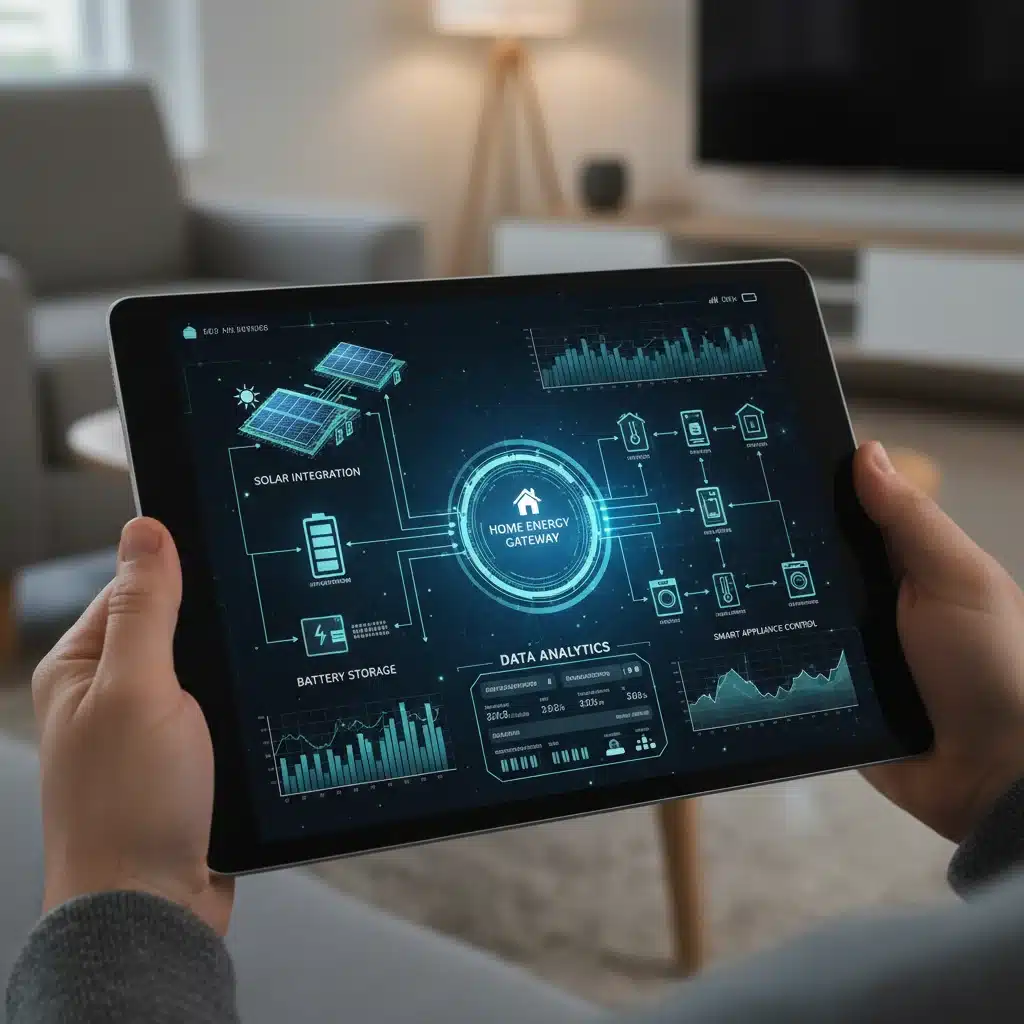
A smart EMS acts as the central brain of your home’s energy ecosystem. It collects data from your solar panels, battery storage (if any), grid connection, and smart appliances. Based on this data, combined with real-time electricity prices and your preferences, it makes intelligent decisions about when to use solar power, when to draw from the grid, and when to charge/discharge batteries.
Key Features and Benefits
- Real-time Monitoring and Analytics: Get granular insights into your energy production and consumption patterns. Identify energy hogs and areas for improvement.
- Automated Appliance Control: Program high-energy appliances (e.g., washing machine, dishwasher, EV charger) to run during periods of peak solar production or when electricity prices are lowest. This shifts demand to times when your solar system can easily meet it, reducing reliance on the grid.
- Load Shifting: Automatically or manually shift energy-intensive tasks to optimize self-consumption of solar energy.
- Demand Response Integration: Some EMS can integrate with utility demand response programs, allowing your system to automatically reduce consumption or feed power back to the grid during peak demand events, potentially earning you credits.
- Predictive Capabilities: Advanced systems can use weather forecasts and historical data to predict solar production and optimize energy usage accordingly. For example, if heavy cloud cover is expected, the system might prioritize charging your battery from the grid during off-peak hours the night before.
- Seamless Battery Management: If you have a battery, the EMS will manage its charging and discharging cycles to maximize its utility, whether for self-consumption, backup power, or arbitrage (buying low, selling/using high).
By implementing a smart EMS, you’re not just producing more solar energy; you’re using it more intelligently. This leads to reduced reliance on grid power, lower electricity bills, and a more robust and responsive home energy system. It’s a critical step for comprehensive solar energy optimization in the modern home.
7. Consider Energy Storage Solutions
While briefly touched upon, the importance of energy storage solutions, particularly home batteries, warrants its own dedicated focus when discussing solar energy optimization. Battery storage fundamentally changes how you interact with your solar power, transforming your home into a more independent and resilient energy hub. By 2026, integrating storage will be an increasingly common and beneficial strategy for maximizing your solar investment.
Why Energy Storage is a Game Changer
Solar panels produce electricity during the day when the sun is shining. However, peak energy demand for many households often occurs in the evening, after the sun has set. This mismatch means that without storage, you might be sending excess solar energy back to the grid (often for less credit than you pay for electricity) only to buy grid power back later when rates are higher. Energy storage solves this problem by allowing you to capture and save your excess solar production for later use.
Benefits of Integrating Battery Storage
- Increased Self-Consumption: This is the primary benefit. You use more of the clean energy you produce, reducing your reliance on the grid and lowering your electricity bills. This directly enhances your solar energy optimization.
- Peak Shaving: During periods of high grid electricity prices (peak hours), you can draw power from your battery instead of the grid, saving money.
- Backup Power: In the event of a grid outage, a home battery can provide essential backup power to keep critical appliances running, offering peace of mind and energy security.
- Grid Services and Incentives: In some regions, utilities offer incentives for homeowners with batteries to participate in virtual power plants (VPPs) or demand response programs, where your battery can help stabilize the grid and earn you credits.
- Reduced Carbon Footprint: By maximizing your use of self-generated renewable energy, you further reduce your reliance on fossil fuel-generated electricity from the grid.
Choosing the Right Battery System
The market for home batteries is growing rapidly, with various options available. When considering a battery, evaluate factors such as:
- Capacity: How much energy can it store? This should align with your household’s typical evening or peak demand.
- Power Output: How much power can it deliver at once? This determines how many appliances it can run simultaneously.
- Cycle Life and Warranty: Look for batteries with long cycle lives and comprehensive warranties.
- Integration: Ensure the battery system seamlessly integrates with your existing solar inverter and smart energy management system.
While the initial investment in battery storage can be significant, declining costs, coupled with potential tax credits and incentives, make it an increasingly viable and attractive option for homeowners serious about achieving ultimate solar energy optimization and energy independence.
Conclusion: Empowering Your Solar Future
Achieving a 5% increase in your home’s solar energy production by 2026 is not just an ambitious target; it’s a realistic and highly beneficial goal. By systematically implementing these seven expert tips, you’re not merely making minor adjustments; you’re engaging in a holistic strategy for solar energy optimization that encompasses maintenance, technological upgrades, and smart energy management.
From the foundational steps of regular panel cleaning and addressing shading issues to the more advanced strategies of optimizing panel angle, leveraging smart energy management systems, and integrating energy storage, each tip contributes to a more efficient, resilient, and cost-effective solar power system. The cumulative effect of these practices will not only boost your energy output but also extend the lifespan of your equipment, enhance your energy independence, and significantly reduce your environmental footprint.
As we move towards 2026 and beyond, the landscape of renewable energy continues to evolve. Staying informed and proactive about the health and performance of your solar array is paramount. Don’t view your solar installation as a ‘set it and forget it’ system. Instead, embrace it as a dynamic asset that, with a little attention and smart planning, can continue to deliver increasing returns for years to come. By taking these steps, you’re not just improving your home’s energy profile; you’re investing in a smarter, more sustainable future for yourself and the planet.
Start implementing these strategies today, monitor your progress, and prepare to witness the tangible benefits of a truly optimized solar energy system. Your journey to greater energy efficiency and significant savings begins now.