Beyond Panels: Integrating Solar for a Truly Sustainable Lifestyle
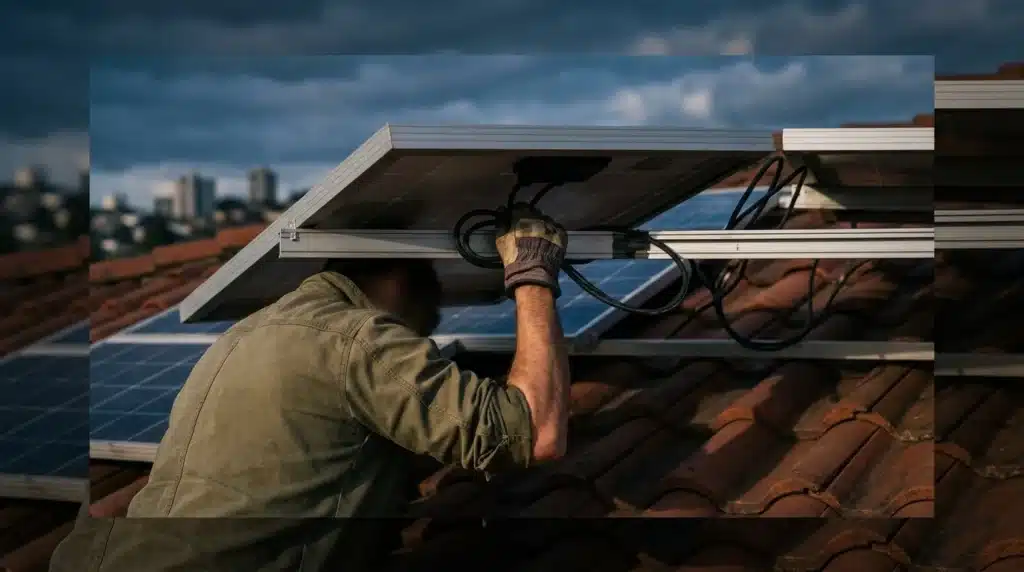
Imagine a home that not only shelters you but actively contributes to a healthier planet and a fatter wallet. Solar energy, once considered a niche luxury, is rapidly becoming a cornerstone of modern sustainable living, transforming how we power our homes and businesses. It’s no longer just about reducing your carbon footprint; it’s about gaining energy independence, significantly cutting utility costs, and even increasing your property’s value. But how far has this technology come, and what does it mean for your daily life?
The shift towards solar represents more than just a technological upgrade; it’s a core re-evaluation of our relationship with energy. With global solar photovoltaic capacity surging by over 600% in the last decade, and projections indicating it will become the largest source of electricity generation by the middle of the century, the future is clearly solar-powered. This rapid adoption is fueled by both environmental urgency and compelling economic incentives, making solar an increasingly attractive and accessible option for a wide range of consumers and businesses.
This article delves into the multifaceted world of solar energy, exploring its profound impact on sustainable lifestyles. We’ll examine the practicalities and benefits of residential solar installations, from choosing the right system to leveraging financial incentives. We’ll also uncover how commercial solar solutions are driving businesses towards greener, more profitable futures. Beyond panels, we’ll explore holistic energy efficiency strategies that complement solar power, and peek into the exciting emerging trends that promise to reshape our energy landscape even further. Prepare to discover how integrating solar can empower your life and contribute to a sustainable future.
The Core of Sustainable Living: Why Solar Matters
What if your home could actively fight climate change, not just passively consume? Solar energy offers a tangible pathway to a sustainable lifestyle, directly addressing environmental concerns while providing economic advantages. It’s not just about rooftop panels anymore; it’s a basic shift in how we power our lives. The environmental impact of switching to solar is surprisingly profound. Consider that a typical residential solar panel system can offset over 100,000 pounds of carbon dioxide emissions over its lifespan—equivalent to planting thousands of trees, according to the Environmental Protection Agency. This directly reduces our reliance on fossil fuels, which are major contributors to greenhouse gases. Beyond the ecological gains, solar energy presents clear economic benefits for homeowners. Homeowners who install solar often see significant reductions in their monthly electricity bills, sometimes by as much as 70% in sunny regions. What most people miss is the long-term value increase for their property; studies from institutions like Lawrence Berkeley National Laboratory show that homes with solar command a premium at resale, averaging about $15,000 more than comparable non-solar homes. Socially, expanded solar adoption can also lead to greater energy independence and grid stability. Think of it like this: every home generating its own power lessens the strain on centralized grids, making blackouts less frequent and power more reliable for everyone. This distributed generation model—where power is created closer to where it’s used—is a critical component of Harnessing the Sun: A Guide to Sustainable Living with Solar Energy. Globally, the statistics speak for themselves. Solar photovoltaic capacity has surged by over 600% in the last decade, with projections showing it becoming the largest source of electricity generation by the middle of the century, according to the International Energy Agency. This trajectory indicates a clear future where solar isn’t just an alternative; it’s the standard.
Residential Solar: Powering Your Home, Empowering Your Life
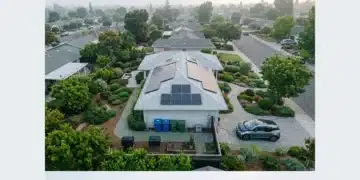
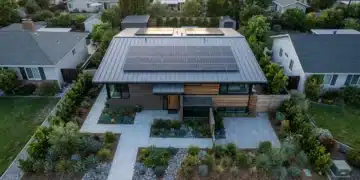
Home solar systems are not just for the environmentally conscious anymore. They are a declaration of independence. A residential solar installation transforms how you consume and even generate electricity, moving you away from reliance on traditional grids. This shift offers significant long-term benefits, both financially and ecologically. But what does getting solar for your home actually entail?
Choosing the Right System for Your Home
Selecting a solar system involves more than just picking panels; it requires understanding your energy needs and property specifics. Monocrystalline, polycrystalline, and thin-film are the primary types of panels available to homeowners. Each offers distinct advantages and trade-offs.
For example, monocrystalline panels are known for their high efficiency and sleek, dark appearance, making them a popular choice for limited roof space. They often boast efficiency rates upwards of 20%, whereas polycrystalline panels, while less efficient (typically 15-17%), are more cost-effective per watt.
Thin-film panels, offer flexibility and lighter weight, ideal for less conventional installations or curved surfaces, though their efficiency is generally lower, often below 12%. What most people miss is that the best panel for your neighbor might be entirely wrong for your home’s orientation and local climate patterns.
| Panel Type | Pros | Cons | Typical Efficiency |
|---|---|---|---|
| Monocrystalline | Highest efficiency, space-saving, long lifespan | Higher initial cost, performance degrades slightly in high temperatures | 18-23% |
| Polycrystalline | More affordable, good performance in moderate temperatures | Lower efficiency than monocrystalline, takes up more roof space | 15-18% |
| Thin-Film | Flexible, lightweight, good performance in low light, aesthetically subtle | Lowest efficiency, requires larger area for same output, shorter lifespan | 10-13% |
Financial Incentives and ROI for Homeowners
The upfront cost of a solar installation can seem daunting, but a range of financial incentives makes it surprisingly accessible. For instance, the federal investment tax credit (ITC) currently allows homeowners to deduct 30% of the cost of installing a solar energy system from their federal taxes. This is a substantial reduction. Many states and local municipalities also offer additional rebates, property tax exemptions, or performance-based incentives (PBIs) that pay you for the electricity your system generates. According to the Solar Energy Industries Association (SEIA), the average payback period for residential solar systems in the U.S. has dropped to between 6 and 9 years, down from over 15 years a decade ago. Imagine: free electricity after less than a decade. The underrated factor here is the increasing value of your home; a study by Zillow found that homes with solar panels sell for an average of 4.1% more than comparable homes without.
Integrating Solar with Smart Home Technology
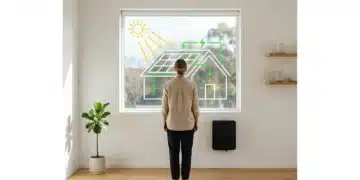
Solar power shines when integrated with smart home technology, allowing for unparalleled control and efficiency. Think of your home as a finely tuned machine; solar provides the fuel, and smart tech directs its flow. Systems like Tesla Powerwall or Enphase Encharge batteries allow you to store excess energy generated during peak sunlight hours. This stored energy can then be used when grid electricity prices are highest or during power outages.
Battery Storage Solutions
Battery storage is rapidly becoming a standard component of residential solar setups. It offers genuine energy independence. These systems not only store surplus energy but also provide critical backup power, ensuring your primary appliances remain operational even when the grid fails. A typical 13.5 kWh Tesla Powerwall, for example, can power an average home for over 12 hours.
Optimizing Energy Consumption
Smart home devices, from smart thermostats to intelligent lighting systems, can communicate with your solar array and battery storage. This allows them to automatically adjust energy consumption based on real-time generation and grid conditions. Why would you pay peak rates for grid electricity when your own panels are producing an abundance of clean power? This dynamic interaction significantly enhances the economic benefits of solar. This kind of thoughtful energy management is a cornerstone of sustainable living with solar energy. The possibilities here are only just beginning to unfold.
A typical residential solar panel system can offset over 100,000 pounds of carbon dioxide emissions over its lifespan—equivalent to planting thousands of trees.
— Environmental Protection Agency
| Panel Type | Pros | Cons | Typical Efficiency |
|---|---|---|---|
| Monocrystalline | Highest efficiency, space-saving, long lifespan | Higher initial cost, performance degrades slightly in high temperatures | 18-23% |
| Polycrystalline | More affordable, good performance in moderate temperatures | Lower efficiency than monocrystalline, takes up more roof space | 15-18% |
| Thin-Film | Flexible, lightweight, good performance in low light, aesthetically subtle | Lowest efficiency, requires larger area for same output, shorter lifespan | 10-13% |
Commercial Solar: Driving Business Towards a Greener Future
Thinking your business can’t afford to go green? Think again. The landscape of commercial solar is changing, making it an incredibly smart move for any enterprise. What most people miss is that adopting solar isn’t just about environmental stewardship; it’s a shrewd financial decision that enhances your public image. Businesses worldwide are increasingly recognizing the tangible benefits of transitioning to renewable energy sources. A recent report by the National Renewable Energy Laboratory (NREL) indicated that commercial solar installations saw an average payback period of 5.8 years across various sectors, a figure that continues to shrink. This rapid return on investment makes a compelling case.
Tailoring Solar Solutions for Different Industries
Not all businesses are created equal, and neither are their energy needs. A retail chain, for instance, might prioritize rooftop installations to offset high peak-demand charges, while a manufacturing facility could benefit from ground-mounted arrays to power heavy machinery. Understanding these distinctions is key to maximizing efficiency. Consider the case of “GreenLeaf Grocers,” a regional supermarket chain that installed 1.2 MW of solar capacity across six of its stores in the Midwest. They reported a 28% reduction in their annual electricity bills, saving approximately $175,000 per year, according to their 2022 sustainability report. That’s a significant chunk of change directly impacting their bottom line.
Economic Advantages for Commercial Enterprises
The financial incentives for businesses embracing solar are substantial, extending far beyond simply reducing utility bills. Companies can often take advantage of various tax credits, depreciation benefits, and state-level rebates. These programs significantly reduce the upfront capital expenditure, making the switch more accessible. For example, the Investment Tax Credit (ITC) in the United States currently provides a 30% tax credit for eligible solar energy systems, dramatically lowering installation costs. Is your business leaving money on the table by ignoring these opportunities? Smart businesses are also finding that integrating solar power into their operations can act as a hedge against unpredictable energy price fluctuations. This stability provides a clearer financial forecast, which any CFO would appreciate. The data suggests that companies with visible commitments to sustainability often experience improved brand perception, leading to increased customer loyalty and attracting top talent.
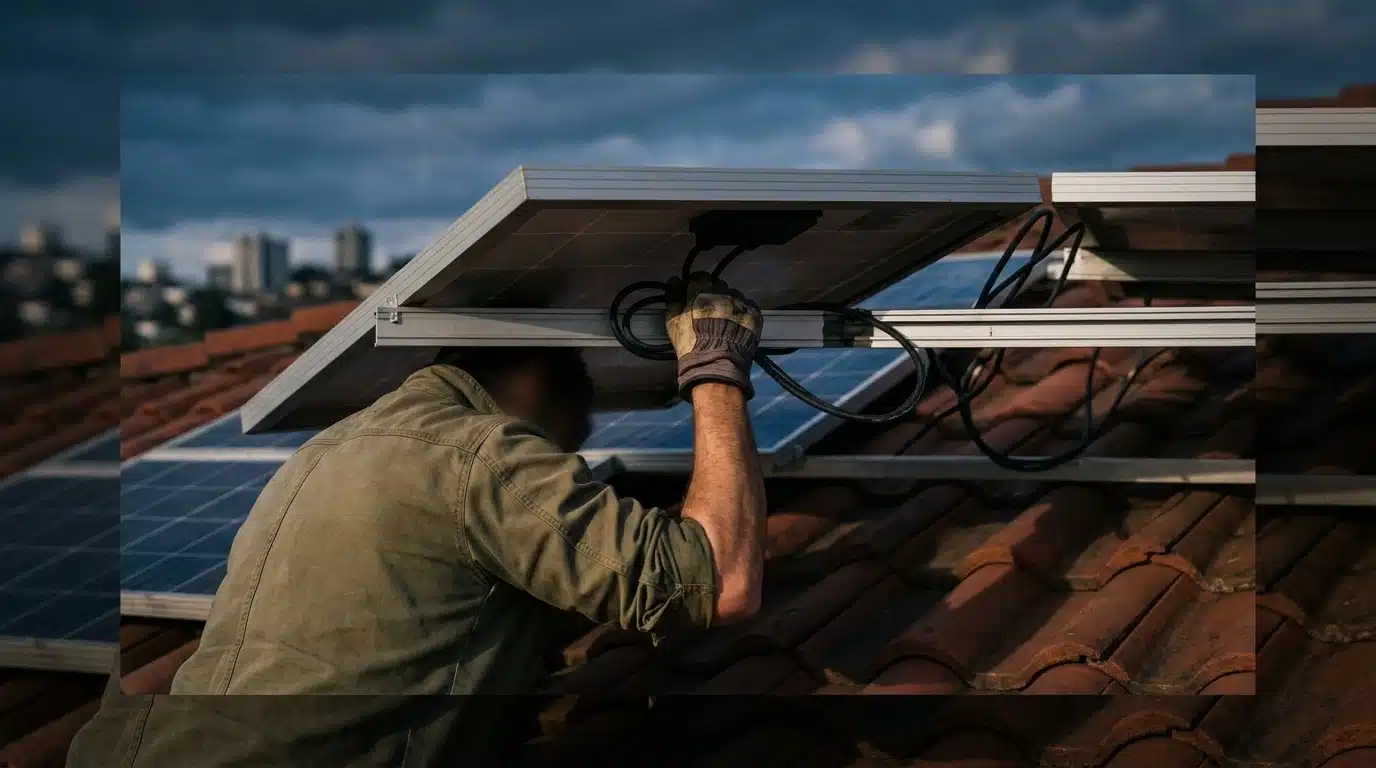
Energy Efficiency Beyond Panels: Holistic Sustainable Habits
Think solar panels are the only answer to a greener home? What most people miss is that panels alone won’t solve an inefficient house; they just power its wastefulness. To embrace sustainable living, you need to tackle energy consumption from all angles, starting with how your home uses — or misuses — power. Consider this: even with a 10 kW solar array, a poorly insulated home with old appliances could still draw more from the grid than a smaller, more efficient house without solar. The National Renewable Energy Laboratory (NREL) reported in a recent study that homes implementing a broad energy efficiency retrofit before solar installation saw an average 25% reduction in their required solar capacity. This saves significant upfront costs and maximizes your clean energy investment. So, how do you shrink that energy footprint before adding panels, or even if you’re not ready for solar yet? Start with a home energy audit — many utility companies, like Con Edison in New York, offer these for free or at a reduced cost. They identify air leaks, inadequate insulation, and inefficient appliances, providing a clear roadmap. It’s like checking the tires on your car before filling the tank; you want to ensure the energy you produce or purchase isn’t just leaking away. Small daily shifts accumulate into substantial savings over time. Take smart thermostats, for instance: Nest Labs data suggests they can save users between 10-12% on heating and 15% on cooling bills annually. That’s a tangible difference, often paying for itself within two years. Here’s a quick checklist of habits to integrate into your daily life for reducing energy waste:
- Unplug electronics when not in use to combat phantom load — these “energy vampires” account for up to 10% of residential electricity use.
- Utilize natural light whenever possible; open blinds and drapes instead of flipping a switch.
- Run major appliances like dishwashers and washing machines only when full, preferably during off-peak hours if your utility offers time-of-use rates.
- Perform seasonal maintenance on your HVAC system, including changing filters regularly. A dirty filter can increase energy consumption by 5-15%.
- Air dry clothes when weather permits. The average dryer uses more energy than a refrigerator.
- Adjust your thermostat by a few degrees. Raising it in summer and lowering it in winter can yield significant savings without sacrificing comfort.
These practices are foundational to a green lifestyle, complementing any solar installation by dramatically reducing your overall demand. To learn more about integrating these practices, check out our guide on Harnessing the Sun: A Guide to Sustainable Living with Solar Energy. It’s about making your home a lean, energy-sipping machine, not just a power generator.
The Future is Bright: Emerging Trends in Solar and Sustainability
The solar revolution is far from over; it’s just getting started. What’s next beyond rooftop panels and battery storage? The coming decade promises breakthroughs that will redefine how we generate, distribute, and consume energy.
Next-Generation Solar Technologies
Expect solar technology to become more ubiquitous, integrating into our daily lives in ways few imagine now. The efficiency and versatility of solar cells are rapidly expanding, pushing the boundaries of what’s possible.
Perovskite Solar Cells
Forget traditional silicon; perovskite solar cells are the new kids on the block, boasting astonishing potential. These materials offer higher efficiencies at lower manufacturing costs, and they’re surprisingly flexible. What most people miss is their performance in low-light conditions, which often plagues conventional panels. Dr. Anya Sharma, a materials scientist at MIT, predicts perovskites could reach commercial viability within five years, potentially outperforming silicon in specific applications. Imagine solar paint or window coatings — that’s the promise here.
Transparent Solar Panels
Picture this: your skyscraper office building generating its own electricity directly from its windows. Transparent solar panels, still largely in the research phase, are moving closer to reality. These panels use specialized materials that absorb specific light spectrums, allowing visible light to pass through. Researchers at Michigan State University have developed a transparent luminescent solar concentrator that, while not fully transparent, achieved a 5% efficiency rating in early tests. This technology could fundamentally change urban energy consumption, turning every glass surface into a power generator.
The Rise of Community Solar Initiatives
Not everyone can install panels on their roof, but that shouldn’t exclude them from solar benefits. Community solar projects are democratizing access to renewable energy. These initiatives allow multiple subscribers to buy into a shared solar farm, receiving credits on their electricity bills for the power generated. A recent report by the National Renewable Energy Laboratory (NREL) indicated that community solar capacity grew by 13% in the last year, with over 3.6 gigawatts installed across the U.S. States like Minnesota and New York are leading the charge, demonstrating how collaborative energy models can thrive. It’s like a community garden, but for electricity — everyone gets a share of the harvest. This shared approach is a critical step for broader adoption, allowing renters and those with shaded roofs to still participate in the clean energy transition.
Smart Grids and Energy Management Systems
The future isn’t just about generating more solar; it’s about managing it smarter. Smart grids are the backbone of this evolution, integrating renewable sources, energy storage, and consumer demand in real-time. These advanced networks use digital communication technology to detect and react to local changes in usage, optimizing energy flow and preventing waste. The underrated factor here is how smart grids enable a more resilient and efficient energy infrastructure, reducing outages and integrating distributed energy resources more effectively. Alongside smart grids, refined energy management systems (EMS) are becoming standard in both commercial and residential settings. These systems learn your consumption patterns, predict future needs, and automatically adjust energy usage. For instance, a commercial building might pre-cool during off-peak solar production hours, reducing reliance on the grid when demand (and prices) are higher. This level of granular control is required for maximizing the value of solar installations and moving towards a sustainable lifestyle. The data suggests — though not conclusively — that homes with advanced EMS can reduce their energy bills by an additional 10-15% beyond what solar alone provides. This synergy between generation and intelligent consumption is what will ultimately drive widespread energy independence. To learn more about living sustainably with solar, check out our guide on Harnessing the Sun: A Guide to Sustainable Living with Solar Energy. The integration of AI into these systems promises even greater efficiencies, turning passive consumers into active participants in the energy market.
The Unfolding Solar Revolution
The journey towards a sustainable lifestyle, powered by the sun, is not a static destination but an evolving process. As we’ve explored, integrating solar energy into our homes and businesses offers a potent blend of environmental stewardship, economic prudence, and energy independence. Yet, the question remains: are we merely adopting new technologies, or are we fundamentally reshaping our relationship with energy consumption and production? The real power of solar lies not just in its ability to generate electricity, but in its potential to inspire a more conscious, efficient, and resilient way of living. What active step will you take today to harness this transformative power?
Frequently Asked Questions About Solar Energy
How much does it cost to install solar panels on an average home?
The cost of installing solar panels varies widely based on location, system size, and specific equipment. after factoring in the federal investment tax credit (ITC) and other state incentives, the net cost for an average residential system can range from $15,000 to $25,000. Many homeowners find that the long-term savings on electricity bills and increased property value quickly offset this initial investment.
Can solar panels power my home during a blackout?
Standard grid-tied solar systems typically shut down during a blackout for safety reasons, preventing electricity from flowing back to the grid and endangering utility workers. To power your home during an outage, you would need to integrate a battery storage system, such as a Tesla Powerwall, with your solar panels. This setup allows your home to draw power from the stored energy when the grid is down.
What are the main differences between residential and commercial solar installations?
Residential solar installations are designed for individual homes, focusing on optimizing energy use and cost savings for a single household, often with simpler rooftop systems. Commercial solar installations are typically much larger, catering to the higher energy demands of businesses, and may involve ground-mounted arrays or complex rooftop systems tailored to industrial needs, with a strong emphasis on return on investment and tax incentives.
How can I make my existing home more energy efficient without installing solar?
You can significantly improve your home’s energy efficiency through several key strategies. Start with a home energy audit to identify specific areas for improvement, such as sealing air leaks, upgrading insulation, and replacing old, inefficient appliances. Utilizing smart thermostats, unplugging electronics when not in use, and optimizing natural light can also lead to substantial energy savings.
What government incentives are available for solar energy in the US?
In the US, the primary federal incentive is the Investment Tax Credit (ITC), which currently offers a 30% tax credit for the cost of installing a solar energy system. Many states and local municipalities also provide additional incentives, such as rebates, property tax exemptions, or performance-based incentives. It’s advisable to check with your local energy authorities for specific programs available in your area.