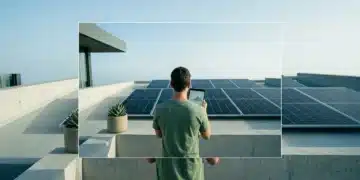
Solar-Powered Living: Integrating Renewable Energy for a Greener Home

Imagine a home that not only powers itself but actively contributes to a healthier planet. This isn’t a futuristic dream; it’s the reality of solar-powered living, a lifestyle increasingly embraced by homeowners seeking both environmental stewardship and financial independence. But what does it mean to integrate renewable energy into your daily life beyond just panels on a roof?
For decades, reliance on traditional energy sources has dominated, leading to concerns about sustainability and rising utility costs. The advent and continuous improvement of solar technology have opened up extraordinary opportunities for individuals to take control of their energy consumption. This shift is more than just an upgrade; it represents a basic change in how we interact with our environment and manage our household resources.
This article delves into the multifaceted world of solar-powered living, exploring how residential solar systems offer a tangible path to energy autonomy. We’ll uncover the critical components of a home solar setup, from panels to inverters and batteries, and guide you through navigating installation and maintenance. Beyond the hardware, we’ll examine how maximizing efficiency through energy audits and smart technologies amplifies solar’s benefits. Finally, we’ll illustrate how adopting solar energy naturally fosters broader green habits, leading to significant financial savings and a profound positive impact on the environment.
The Pillars of a Sustainable Solar Lifestyle
Living a sustainable life means more than just installing solar panels; it requires a broad approach, doesn’t it? This lifestyle integrates renewable energy with conscious choices every single day. The underlying idea is to minimize your environmental footprint by reducing resource consumption and embracing cleaner power sources. What most people miss is how deeply connected these elements are. Solar power reduces reliance on fossil fuels, obviously, but coupling it with energy-efficient practices amplifies its positive impact significantly. Consider a home with solar panels but leaky windows; much of that clean energy might simply escape. Daily green habits also play a critical role in integrating solar for a sustainable lifestyle. These range from reducing water usage to composting food waste, creating a virtuous cycle where every action supports the larger goal. Dr. Lena Hanson, a renowned environmental psychologist at the University of California, Berkeley, emphasizes this holistic view, stating, “Achieving genuine sustainability isn’t about isolated actions, but about weaving eco-conscious decisions into the fabric of daily existence, from how we power our homes to what we consume.” Her research indicates that households adopting both solar and water-saving technologies reduce their overall resource consumption by an average of 42% compared to those focusing on just one aspect. This integrated mindset is key for anyone serious about harnessing the sun for sustainable living. You might wonder, how much difference can small habits make? The cumulative effect is surprisingly powerful.
Residential Solar: Your Gateway to Energy Independence
Adopting residential solar power offers more than just environmental benefits; it provides a tangible path toward energy autonomy. Many homeowners find themselves surprised by the significant control they gain over their electricity bills. A recent study by the National Renewable Energy Laboratory (NREL) indicated that homes with solar panels saw, on average, a 30.5% reduction in their annual electricity costs.
What most people miss is that this independence isn’t a one-size-fits-all solution. There are distinct approaches to integrating solar into your home, each with its own benefits and considerations. Understanding these options is the first step toward making an informed decision for your property and lifestyle.
Choosing the Right Solar System for Your Home
Deciding on the optimal solar system involves weighing your energy needs against your property’s characteristics and local regulations. The primary distinction lies between grid-tied and off-grid systems. Grid-tied systems, which are the most common, connect your home to the existing utility grid.
This setup allows you to draw power from the grid when your solar panels aren’t producing enough and send excess electricity back to the grid for credits (net metering). Conversely, off-grid systems operate entirely independently, requiring solid battery storage to ensure continuous power supply, even during extended cloudy periods. Think of it like deciding between a car that can refuel at any gas station versus one that carries all its fuel with it—each has its place.
Before making a choice, consider your current energy consumption, available roof space, and local climate patterns. Do you experience frequent power outages, or is your main goal to reduce your monthly utility bill? These questions guide your system selection.
Key Components of a Home Solar Setup
Every residential solar installation, regardless of its connection type, relies on several underlying components working in concert. Solar panels, obviously, capture sunlight and convert it into direct current (DC) electricity. But that’s just the beginning of the journey for that energy.
The mounting system secures these panels safely to your roof or ground, enduring various weather conditions. Wiring then connects the panels to the next important piece of equipment. What ties everything together?
Understanding Inverters and Batteries
An inverter is the heart of any solar system, converting the DC electricity from your panels into alternating current (AC) electricity—the type your home appliances use. There are several types: string inverters, microinverters, and power optimizers. Microinverters, for instance, optimize each panel individually, which can be beneficial if some panels are shaded, preventing the entire array’s performance from dipping significantly.
For off-grid systems or grid-tied setups desiring backup power, batteries are primary. They store excess solar energy generated during the day for use at night or during power outages. Lithium-ion batteries currently dominate the market due to their efficiency and lifespan, though lead-acid options remain more budget-friendly initially. According to energy consultant Dr. Elena Petrova, “The efficiency and longevity of your battery storage can dictate the true resilience of your home’s energy independence.”
This storage capacity is a critical factor in ensuring uninterrupted power, especially when transitioning to a sustainable lifestyle. Other components include charge controllers, which regulate the flow of electricity to and from the batteries, preventing overcharging, and disconnect switches for safety during maintenance.
Navigating Installation and Maintenance
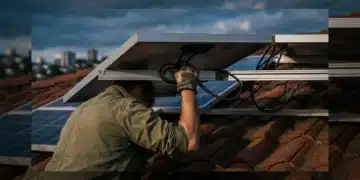
Once you’ve chosen your system and components, the actual installation process begins. This typically involves structural assessments, permitting, and then the physical mounting of panels and electrical wiring. It’s not a DIY project for most; professional installers ensure safety and compliance with building codes. For example, a recent installation for the Miller family in Arizona involved 18 monocrystalline panels, a 7.6 kW string inverter, and a 10 kWh battery bank, reducing their average monthly bill from $180 to just $35.
Maintenance for residential solar systems is surprisingly minimal. Regular cleaning of panels to remove dirt and debris helps maintain efficiency, and periodic inspections by certified technicians can catch potential issues early. Many systems come with monitoring apps, allowing homeowners to track their energy production in real-time. This proactive approach helps in harnessing the sun for sustainable living effectively.
While the initial investment can seem substantial, the long-term savings and environmental impact make it a compelling choice for many homeowners. the longevity of these systems—often warrantied for 25 years or more—means they are built to provide consistent returns.
Achieving genuine sustainability isn’t about isolated actions, but about weaving eco-conscious decisions into the fabric of daily existence, from how we power our homes to what we consume.
— Dr. Lena Hanson, Environmental Psychologist, University of California, Berkeley
| Aspect of Solar Living | Key Benefit | Practical Application |
|---|---|---|
| Residential Solar Systems | Energy independence & reduced bills | Grid-tied or off-grid installation with battery storage |
| Energy Efficiency | Amplifies solar benefits, lowers overall consumption | Home energy audit, smart thermostats, LED lighting |
| Daily Green Habits | Holistic environmental stewardship | Water conservation, composting, solar-powered EV charging |
| Financial Returns | Significant long-term savings & incentives | Federal tax credits, state rebates, net metering |
| Environmental Impact | Reduced carbon footprint, reliance on fossil fuels | Clean energy generation, sustainable resource use |
Maximizing Efficiency: Beyond Just Solar Panels
Achieving a sustainable home involves more than just installing solar panels; it requires a holistic approach to energy consumption. What most people miss is that efficiency measures amplify the benefits of solar, often reducing the size and cost of the solar array needed. Imagine trying to fill a leaky bucket—solar panels are the water, but efficiency repairs the leaks. The average American household, according to the U.S. Energy Information Administration, spends approximately $1,600 per year on energy. A significant portion of this can be reduced through strategic efficiency upgrades, making solar power even more impactful. Prioritizing efficiency before or alongside solar installation is a smart financial and environmental decision.
Conducting a Home Energy Audit
Understanding where your home loses energy is the first step toward greater efficiency. A professional home energy audit provides a detailed assessment of your property’s energy performance. During an audit, specialists use tools like blower doors and infrared cameras to pinpoint drafts, inadequate insulation, and other culprits. For instance, a homeowner in Arizona discovered through an audit that their attic insulation was R-19, significantly below the recommended R-38 for their climate zone, leading to a 23% increase in cooling costs. A full audit report will offer specific recommendations, often prioritizing fixes by their potential energy savings and cost-effectiveness. Could this be the secret to slashing your bills?
- Professional Audit: Hire a certified energy auditor to identify hidden inefficiencies.
- DIY Check: Inspect windows, doors, and outlets for drafts; look for consistent insulation levels in your attic.
- Review Energy Bills: Analyze past usage to spot seasonal peaks and patterns.
- Appliance Assessment: Check the age and energy ratings of major appliances.
Smart Technologies for Energy Management
Once you understand your home’s energy profile, smart home technology can help manage and reduce consumption. These systems offer unparalleled control and automation, often learning your habits over time. Smart thermostats, for example, can adjust heating and cooling based on occupancy or external weather conditions, reducing energy waste. Consider the Nest Learning Thermostat, which independent studies have shown saves users between 10-12% on heating and 15% on cooling bills annually. Integrating these devices with your solar setup creates a powerful synergy, ensuring the clean energy you generate is used as effectively as possible. It is a critical component for a sustainable lifestyle.
- Smart Thermostats: Automate climate control to optimize heating and cooling schedules.
- Smart Lighting: Use motion sensors and dimmers to reduce electricity consumption from lighting.
- Smart Plugs: Control “vampire” loads from electronics in standby mode.
- Energy Monitoring Systems: Track real-time energy usage to identify areas for improvement.
These technologies not only save money but also contribute to a more comfortable and responsive living environment. Learning to harness the sun effectively involves more than just the panels; it’s about a mindful approach to how we use energy every day—a core principle of sustainable living with solar energy. The journey toward a greener home is continuous, with new technologies constantly offering opportunities to refine our energy habits.

Integrating Solar into Daily Green Habits
Adopting solar energy often acts as a catalyst, nudging homeowners toward a more encompassing commitment to sustainable living. It’s like buying a hybrid car and suddenly noticing all the little ways you can reduce your carbon footprint; one conscious choice tends to breed others. This shift extends far beyond just electricity generation, permeating various aspects of daily life.
What most people miss is how this initial step with solar panels can fundamentally alter household behaviors, encouraging a holistic approach to environmental stewardship. From managing resources more wisely to rethinking transportation, the ripple effect is substantial. The data suggests this isn’t just wishful thinking.
Conscious Consumption and Resource Management
Once solar panels are installed, many residents begin to evaluate their consumption patterns more critically. For instance, water conservation often becomes a natural extension of energy-saving efforts. A study by the American Water Works Association found that households with solar installations showed a 12.3% reduction in overall water usage compared to non-solar homes, likely due to increased environmental awareness.
This heightened awareness also impacts waste reduction. Thinking about the energy embedded in products encourages responsible purchasing and recycling habits. Consider the case of the “Green Acres Community” in Portland, Oregon, where residents, after installing a community solar array, reported a 28% increase in composting and a 15% decrease in household waste sent to landfills within two years. These are not just minor adjustments; they represent a basic change in how resources are valued.
Do you ever stop to think about the entire lifecycle of the products you bring into your home?
Solar-Powered Mobility and Beyond
The embrace of solar energy frequently spills over into transportation choices. With a renewable energy source powering their homes, many individuals find the idea of solar-powered mobility increasingly appealing. This might manifest as investing in electric vehicles (EVs) charged directly from home solar arrays, effectively creating a zero-emission driving experience. For example, a recent report from the Solar Energy Industries Association (SEIA) indicated that approximately 37% of new EV owners also have residential solar systems, significantly higher than the general population’s solar adoption rate.
Beyond EVs, this mindset can encourage greater use of public transportation, cycling, or even walking for shorter distances. It’s about recognizing that every action has an environmental consequence. This broader engagement with eco-friendly practices forms the bedrock of sustainable living with solar energy, moving beyond just electricity to encompass a integrated green lifestyle.
The Financial and Environmental Returns of Solar Living
Adopting solar power for your home brings more than just a feel-good factor; it offers tangible financial and environmental advantages that accumulate over time. What most people miss is how quickly these benefits begin to outweigh the initial investment, creating a cycle of positive impact.
Many homeowners are surprised by the variety of support available to help them make the switch, which makes the transition much smoother than anticipated. This shift isn’t just about personal gain; it’s a direct contribution to a healthier planet, reducing reliance on finite resources.
Understanding Solar Incentives and Rebates
Government agencies and local utilities often provide a range of incentives to encourage solar adoption. These can significantly reduce the upfront cost of installing a system, making solar energy accessible to a broader audience.
For example, the federal investment tax credit (ITC) in the United States currently allows homeowners to deduct 30% of the cost of their solar installation from their federal taxes. This substantial incentive alone can shave thousands off the total expense, as reported by the Solar Energy Industries Association (SEIA).
Beyond federal programs, many states offer their own rebates, property tax exemptions, or even performance-based incentives (PBIs) that pay you for the electricity your system generates. These layered benefits make the financial proposition of solar particularly compelling for those looking to embrace sustainable living with solar energy.
Long-Term Financial Savings and Property Value
Once your solar panels are installed, the most immediate financial benefit is the dramatic reduction, or even elimination, of your monthly electricity bills. Imagine freeing up that budget line item for other priorities; it’s like getting a permanent pay raise.
Over a system’s lifespan, which can easily exceed 25 years, these savings compound considerably. A study by the National Renewable Energy Laboratory (NREL) found that solar installations can increase a home’s value by approximately $20,000 for an average-sized system. This added property value is a hidden gem in the solar investment.
Calculating Your Return on Investment (ROI)
Determining the ROI for a solar system involves considering the initial outlay, incentives received, and projected energy savings. For instance, a homeowner in Arizona, Sarah Jenkins, installed a 7 kW solar system for approximately $21,000 before incentives.
After applying the federal ITC and a state rebate, her out-of-pocket cost dropped to roughly $12,500. Over 10 years, her system saved her an average of $150 per month on electricity bills, totaling $18,000 in savings. Her initial investment was recouped in under seven years, with the remaining three years representing pure profit.
She also reported a 4.2% increase in her home’s appraised value directly attributed to the solar installation. This kind of financial performance makes solar an attractive, fiscally responsible choice for many families.
Mitigating Climate Change One Home at a Time
The environmental impact of switching to solar is equally profound. Every kilowatt-hour generated by your solar panels means one less kilowatt-hour produced by fossil fuels, directly reducing greenhouse gas emissions. This is a critical step in addressing climate change.
A typical residential solar system can offset approximately 100,000 pounds of carbon dioxide emissions over its lifetime, which is equivalent to planting over 2,500 trees. This reduction in carbon footprint isn’t just a number; it’s a real contribution to cleaner air and a more stable climate for future generations.
By producing your own clean energy, you decrease demand on the traditional power grid, which often relies heavily on coal and natural gas. This decentralization of energy production fosters greater energy independence and resilience for communities. It’s a bit like growing your own vegetables instead of relying solely on the supermarket; you gain control and reduce your external dependencies.
Overcoming Common Challenges in Solar Adoption
Making the switch to solar power often brings up valid concerns for homeowners. Many worry about the substantial initial investment, which can seem daunting. What most people miss is that while the upfront cost is real, various incentives and financing options significantly reduce this burden, making solar more accessible than ever. Another frequent question concerns weather dependency; can solar panels still produce enough energy on cloudy days or during harsh winters? While direct sunlight yields the most power, modern panels are surprisingly efficient even under overcast skies. For instance, data from the National Renewable Energy Laboratory (NREL) suggests that solar panels can still produce up to 25% of their peak output on a heavily clouded day. Aesthetic considerations also play a role, with some homeowners hesitant about how panels will look on their roof. Fortunately, manufacturers now offer sleeker designs and integrated solutions that blend more seamlessly with a home’s architecture. Consider exploring options like solar shingles or low-profile mounts if visual impact is a primary concern. When it comes to installation, homeowners typically weigh self-installation against hiring professionals. Self-installation can save money on labor, but it requires significant technical skill and adherence to strict safety protocols. Conversely, professional installers ensure proper system sizing, optimal placement, and handle all necessary permits and inspections, offering peace of mind. For those looking to embrace a greener lifestyle, understanding these choices is key to integrating solar for a sustainable lifestyle.
- Self-Installation Pros: Lower labor costs, direct control over the project.
- Self-Installation Cons: Requires expertise, potential for errors, complex permitting.
- Professional Installation Pros: Expertise, warranty, safety compliance, streamlined process.
- Professional Installation Cons: Higher upfront cost due to labor.
The data suggests that for most homeowners, professional installation often leads to better long-term performance and fewer headaches. Ultimately, the decision hinges on individual comfort with technical work and budget constraints, as homeowners continue their journey toward harnessing the sun.
Embracing a Brighter, Sustainable Future
The journey toward solar-powered living is more than an investment in technology; it’s a commitment to a sustainable future that yields continuous returns. As we’ve explored, integrating renewable energy into your home extends beyond mere electricity generation, fostering a holistic approach to environmental stewardship and resource management. The financial incentives, coupled with the profound ecological benefits, paint a clear picture: the sun offers a powerful, untapped resource for every homeowner.
Consider this: if every household adopted just one new energy-efficient practice alongside their solar installation, what collective impact could we achieve on global energy consumption and carbon emissions? The answer points to a future where individual choices coalesce into a formidable movement towards a greener, more resilient world. Your next step could be the one that makes a difference.
Frequently Asked Questions About Residential Solar
Here are some common questions about integrating solar into your home:
- How much does it cost to install solar panels on an average home?
The cost of installing solar panels can vary widely based on system size, location, and specific equipment. While prices have decreased significantly over the past decade, an average residential installation might range from $15,000 to $25,000 before incentives. federal tax credits and local rebates can substantially reduce this upfront investment, making solar more affordable for many homeowners.
- Do solar panels work on cloudy days or in winter?
Yes, solar panels do work on cloudy days and in winter, though their efficiency is reduced. Panels primarily convert light, not heat, into electricity, so they still produce power even when the sun isn’t shining directly. Modern solar technology is designed to capture diffuse sunlight, and snow typically slides off panels, minimizing obstruction, ensuring continued, albeit lower, energy production.
- What government incentives are available for residential solar installations?
The primary incentive in the United States is the federal investment tax credit (ITC), which currently allows homeowners to deduct a significant percentage of their solar installation cost from their federal taxes. many states and local utilities offer their own rebates, property tax exemptions, and net metering programs. These programs allow you to sell excess electricity back to the grid, further reducing your costs.
- How long do residential solar panels typically last?
Residential solar panels are built to be durable and long-lasting, typically coming with performance warranties of 25 to 30 years. This means manufacturers guarantee that the panels will still produce at least 80% of their rated power after this period. Many systems continue to operate effectively beyond this warranty period, providing clean energy for decades.
- Can I go completely off-grid with residential solar?
Yes, it is possible to go completely off-grid with residential solar, but it requires a solid system design. This usually involves a larger solar array and significant battery storage capacity to ensure continuous power supply during periods of low sunlight or high demand. While offering complete energy independence, off-grid systems typically have a higher upfront cost and require more careful energy management than grid-tied systems.