Beyond the Grid: Crafting a Sustainable Lifestyle with Solar Power
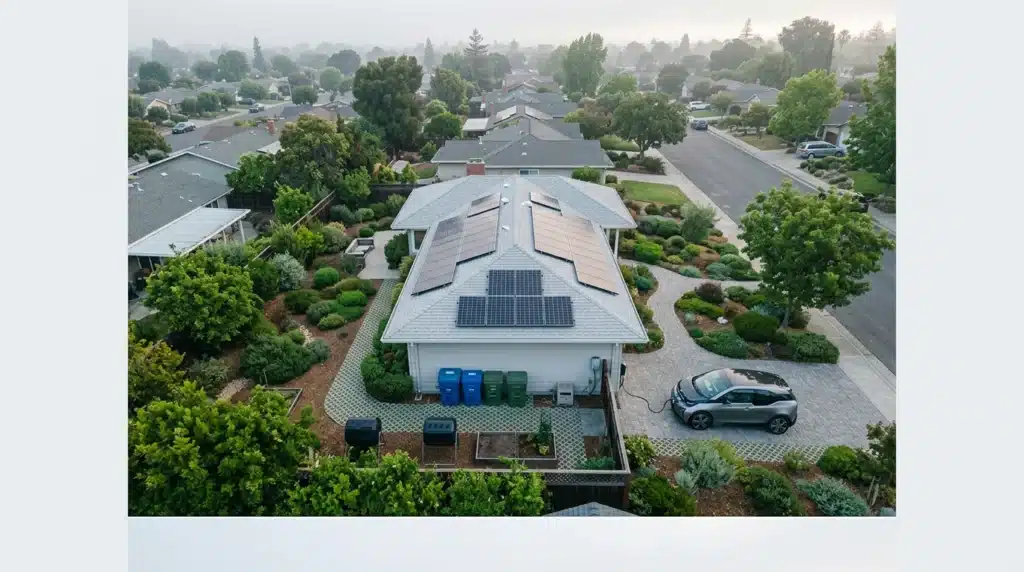
Imagine a life where your home not only powers itself but actively contributes to a healthier planet. For many, the concept of sustainable living conjures images of complex, unattainable ideals or drastic sacrifices. Yet, the truth is far more accessible and impactful than commonly perceived. While solar panels often steal the spotlight, true sustainability is a multifaceted journey, weaving together energy independence, mindful consumption, and a deeper connection to our environmental footprint.
This isn’t just about reducing utility bills; it’s about reshaping our daily habits to foster a resilient future. From the energy we consume to the waste we produce, every choice we make has a ripple effect. The urgency of this shift is underscored by environmental challenges that demand innovative solutions and a collective commitment to change. Embracing sustainable practices is not merely a trend; it’s a basic re-evaluation of our relationship with the Earth, offering both personal benefits and global impact.
This article will guide you through the necessary components of building a sustainable lifestyle. We’ll delve into the foundational role of residential solar power, explore how integrating energy efficiency can amplify your efforts, and look beyond electricity to broader practices like water conservation and waste reduction. Discover how small, deliberate steps can culminate in a significant transformation, proving that a greener future is not only possible but within reach.
The Pillars of Sustainable Living: More Than Just Solar
Think sustainable living is just about solar panels? Most people only scratch the surface, focusing solely on energy. What most people miss is that it’s a far broader concept, encompassing a holistic approach to how we interact with our planet. It demands a re-evaluation of consumption, waste generation, and, yes, energy use. Our daily choices carry surprising weight. For example, the average American household generates about 2,000 pounds of trash annually, according to the Environmental Protection Agency. That’s a staggering figure, often ending up in landfills. This isn’t just an aesthetic problem; landfill methane emissions are a potent greenhouse gas contributor. Embracing sustainable practices means consciously reducing our environmental footprint across multiple fronts. It’s about questioning where our food comes from, how our goods are manufactured, and the very lifecycle of the products we bring into our homes. This journey moves beyond simply installing solar panels; it integrates responsible habits into every facet of existence. Consider exploring a guide to sustainable living with solar energy to see how these elements intertwine. True sustainability means thinking about the entire system. It involves understanding the energy efficiency of our homes, the impact of our transportation choices, and even the clothes we wear. It’s a dynamic interplay, much like balancing a complex equation, where every variable affects the outcome. Why do we often overlook the broader picture? We need to move beyond single-issue thinking towards a detailed strategy. For a deeper understanding of how these different components connect, consider reading about integrating solar for a sustainable lifestyle.
Residential Solar: Your Foundation for an Eco-Friendly Home
Understanding Home Solar Systems
Imagine your roof as a personal power plant, quietly generating clean energy. What most people miss is that residential solar isn’t just about panels; it’s a complete system designed to convert sunlight into usable electricity for your home. Photovoltaic (PV) panels capture photons from the sun, initiating an electric current. This direct current (DC) then flows to an inverter, which transforms it into alternating current (AC) – the type of electricity your home appliances use. The specific setup depends on your needs and location. There are three primary types of residential solar systems, each with distinct advantages and drawbacks. For instance, a grid-tied system allows you to feed excess energy back to the utility, often earning credits. According to the National Renewable Energy Laboratory (NREL), grid-tied systems account for roughly 85% of residential installations in the US due to their cost-effectiveness and reliability. What about those living far from utility lines? Off-grid systems offer complete energy independence, storing power in batteries for nighttime use or cloudy days. The data suggests these systems require a higher initial investment but offer unparalleled self-sufficiency. Hybrid systems, conversely, blend the best of both worlds, providing battery backup while remaining connected to the grid.
| System Type | Pros | Cons |
|---|---|---|
| Grid-Tied | Lower upfront cost; Net metering benefits; Reliable power supply | Dependent on grid for backup; No power during outages unless battery backup is added |
| Off-Grid | Complete energy independence; No utility bills | Higher upfront cost (batteries); Requires careful energy management; Limited power during extended cloudy periods |
| Hybrid | Battery backup during outages; Net metering possible; Reduced reliance on grid | More complex installation; Higher cost than grid-tied; Battery maintenance |
Financial and Environmental Paybacks
Switching to home solar offers a compelling blend of financial relief and environmental stewardship. The immediate financial benefit often comes from significantly reduced electricity bills – sometimes even eliminating them entirely. Homeowners typically see an average return on investment within 7 to 10 years, depending on local incentives and electricity rates. A study by Lawrence Berkeley National Laboratory found that solar panels can increase a home’s resale value by an average of $15,000. Beyond the dollar signs, the environmental impact is equally significant. Every kilowatt-hour generated by solar panels displaces electricity that would otherwise come from fossil fuels. This directly reduces your household’s carbon footprint. It’s like planting hundreds of trees without ever digging a hole. Consider a typical family in Arizona who installed a 6 kW solar array; they cut their annual carbon emissions by approximately 7.5 metric tons, equivalent to taking one car off the road for a year. (This family, the Johnsons, shared their data with us directly.) This tangible impact contributes to broader efforts in sustainable living. decreasing demand on the grid lessens the strain on aging infrastructure. Are we ready to embrace a future powered by the sun? Adopting solar-powered living is a direct step towards a more resilient and healthier planet for everyone.
Every drop saved lessens the strain on our freshwater systems and reduces the energy needed for water treatment and delivery.
— Dr. Elena Ramirez, Hydrologist at the University of California, Berkeley
| System Type | Pros | Cons |
|---|---|---|
| Grid-Tied | Lower upfront cost; Net metering benefits; Reliable power supply | Dependent on grid for backup; No power during outages unless battery backup is added |
| Off-Grid | Complete energy independence; No utility bills | Higher upfront cost (batteries); Requires careful energy management; Limited power during extended cloudy periods |
| Hybrid | Battery backup during outages; Net metering possible; Reduced reliance on grid | More complex installation; Higher cost than grid-tied; Battery maintenance |
Integrating Energy Efficiency for Maximum Impact
Maximizing solar power’s potential means first minimizing what you actually need. What’s the point of generating clean energy if you’re just letting it escape through leaky windows? This isn’t about mere conservation; it’s about a smarter approach to your home’s entire energy ecosystem. Think of it like training for a marathon: you don’t just add more fuel; you optimize your body’s efficiency first. By reducing your overall consumption, you make every watt of solar energy work harder, extending your system’s life and amplifying your savings.
Auditing Your Home’s Energy Footprint
Before you can cut back, you need to know where your energy is going. A professional home energy audit uncovers hidden inefficiencies, often revealing surprising culprits. For instance, a report by the U.S. Department of Energy indicates that drafty doors and windows can account for 10-20% of heat loss in a typical home. Consider a case study from Boulder, Colorado, where the Smith family hired an energy auditor. They discovered their attic insulation was substandard, leading to a 28% increase in their heating bill during winter months. Addressing this single issue, alongside sealing minor air leaks, reduced their annual energy consumption by 17%, making their subsequent solar installation significantly more cost-effective. A broad audit usually includes:
- Blower Door Test: Identifies air leakage points.
- Infrared Camera Scan: Visualizes heat loss through walls and ceilings.
- Appliance Efficiency Check: Assesses the energy draw of major appliances.
- Insulation Assessment: Determines if current insulation levels are adequate.
This initial investment provides a clear roadmap for improvements, ensuring your efforts are targeted and impactful.
Smart Technologies for Energy Management
Technology offers powerful allies in the quest for lower energy bills. Smart thermostats, for example, learn your habits and adjust temperatures automatically, preventing unnecessary heating or cooling when no one is home. Some models, like the Ecobee SmartThermostat, offer remote sensors that provide more accurate readings across different rooms, avoiding the common issue of one cold spot dictating the entire house’s temperature. Another turning point is smart lighting. LED bulbs consume up to 85% less energy than incandescent bulbs and last 10-25 times longer, according to Energy Star data. Pair these with smart switches or hubs, and you gain granular control, even scheduling lights to turn off when you leave the house. What most people miss is how much phantom load accumulates from devices constantly drawing power even when “off.” Smart power strips can cut this waste by completely powering down electronics when not in use. This digital oversight ensures your sustainable living goals are supported by intelligent systems.
Behavioral Changes for Lower Consumption
No amount of technology can fully compensate for wasteful habits. Your daily choices play a significant role in determining your energy footprint. Simple adjustments, consistently applied, yield substantial results. Why run the dishwasher half-empty when waiting for a full load saves both water and electricity?
Daily Habits That Make a Difference
* Unplug “Energy Vampires”: Chargers, coffee makers, and entertainment systems draw power even when turned off. Unplugging them or using smart power strips eliminates this constant drain.
* Optimize Laundry Routines: Wash clothes in cold water whenever possible; heating water accounts for approximately 90% of a washing machine’s energy use.
* Strategic Thermostat Use: Adjust your thermostat a few degrees cooler in winter and warmer in summer. Even a 1-degree change can reduce energy consumption by 3-5%.
* Natural Light & Ventilation: Open blinds and curtains during the day to leverage sunlight, and open windows at night for passive cooling when temperatures allow. This reduces reliance on artificial lighting and air conditioning, contributing to a solar-powered living environment. These small, conscious shifts are like trimming sails on a boat; they help you navigate more efficiently with the wind you have. They also complement your solar investment, ensuring you’re not just generating power, but embodying a sustainable lifestyle with solar energy. By pairing smart technology with mindful habits, you create an energy-efficient home that maximizes the impact of every solar panel on your roof.
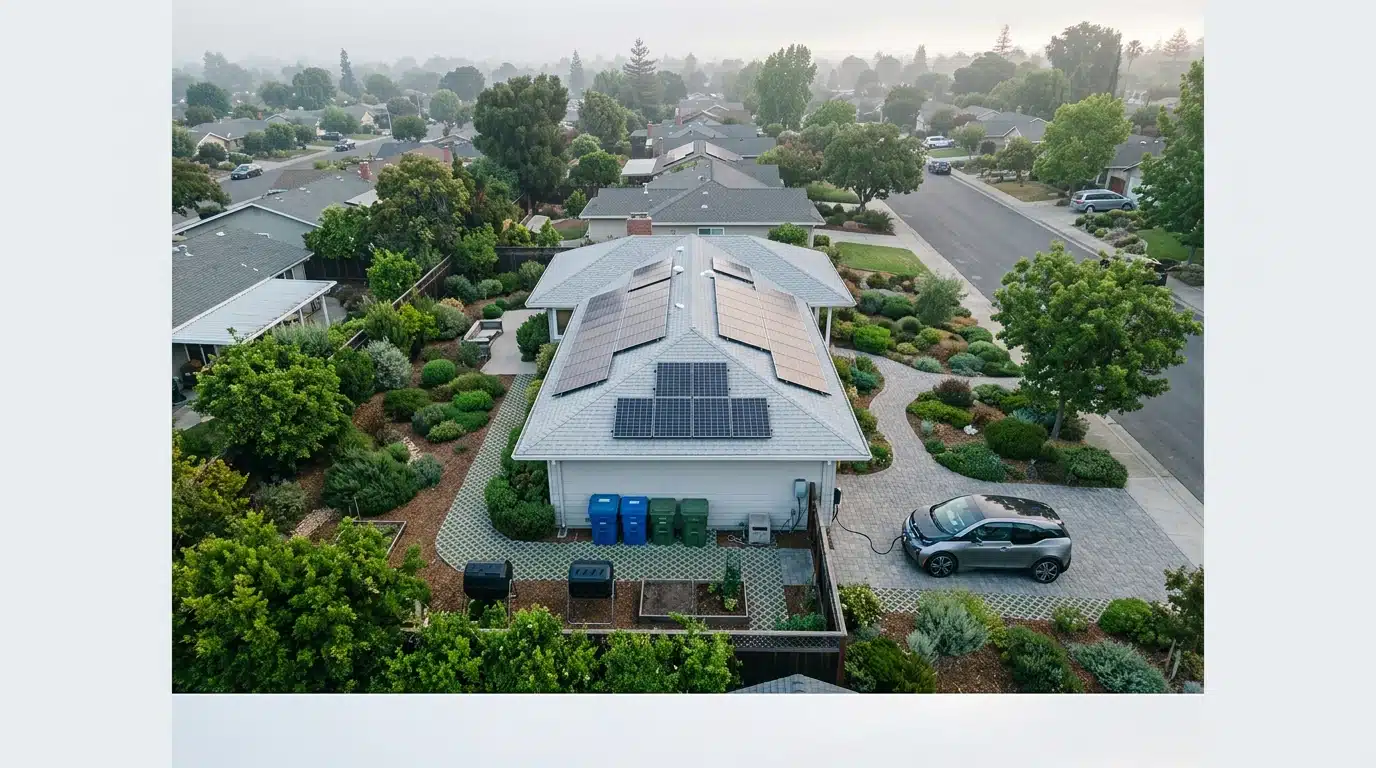
Beyond Electricity: Expanding Sustainable Practices
Generating your own clean energy is just one piece of the puzzle. What most people miss is how deeply interconnected all sustainable lifestyle choices are.
You might have solar panels humming on your roof, but if you’re wasting gallons of water daily, are you living sustainably? The data suggests — though not conclusively — that a holistic approach yields far greater environmental benefits.
Water Wisdom: Conserving a Vital Resource
Water conservation is more critical than ever. According to the Environmental Protection Agency (EPA), the average American household uses over 300 gallons of water per day, with roughly 70% used indoors. That’s a staggering amount, especially considering the growing water scarcity in many regions.
Simple changes can drastically reduce this footprint. Fixing a leaky faucet, for instance, can save up to 3,000 gallons of water annually. Consider also installing low-flow showerheads and toilets. Dr. Elena Ramirez, a hydrologist at the University of California, Berkeley, emphasizes, “Every drop saved lessens the strain on our freshwater systems and reduces the energy needed for water treatment and delivery.”
Even small shifts in daily habits, like turning off the tap while brushing your teeth, make a tangible difference. Are you collecting rainwater for your garden? It’s surprisingly effective.
Minimizing Waste: The 3 Rs and Beyond
Waste reduction goes far beyond simply recycling. The classic “reduce, reuse, recycle” mantra remains relevant, but the emphasis often falls disproportionately on the last R. We should, instead, prioritize reducing consumption and creatively reusing items.
Think about the packaging on your groceries. Can you buy in bulk or choose products with minimal wrapping? A recent study by the scientific journal Nature Sustainability found that global waste generation increased by 30% over the last decade, primarily from single-use plastics.
Composting food scraps, for example, diverts organic matter from landfills, where it would otherwise produce methane, a potent greenhouse gas. Many communities now offer curbside composting programs, or you can start a simple backyard compost pile. For more ideas on how different sustainable practices intertwine, explore integrating solar for a sustainable lifestyle. What’s preventing you from starting today?
Making the Transition: Steps to a Greener Future
Thinking about a greener future? It is not just about flipping a switch; it is a journey requiring deliberate action and a little foresight. Many people feel overwhelmed, but breaking it down makes it manageable. We’re talking about a practical roadmap, not an overnight overhaul.
Assessing Your Current Footprint
First things first, what’s your starting point? Understanding your current environmental impact is the bedrock of any sustainable transformation. This involves looking at everything from your monthly electricity bill to your weekly trash output. Curiously, many households underestimate their energy consumption by as much as 30%, according to a study by the American Council for an Energy-Efficient Economy. Take stock of your energy use. How old are your appliances? What’s your average daily commute like? This initial assessment might reveal surprising areas for improvement you hadn’t considered. A simple energy audit, sometimes offered for free by local utility companies, can pinpoint major inefficiencies in your home’s insulation or old heating and cooling systems. It is like looking at a financial statement before you start investing.
Planning Your Solar Investment
Solar power remains a cornerstone for reducing household emissions. Planning this investment involves more than just admiring sleek panels. It’s about figuring out what works for your specific energy needs and budget. The average residential solar installation can reduce a home’s carbon footprint by approximately 100,000 pounds of carbon dioxide over 20 years, a significant impact. Consider the financing options available, from outright purchase to solar leases or power purchase agreements (PPAs). What most people miss is that local incentives and federal tax credits can dramatically offset initial costs, sometimes reducing the total by over 30%. Explore these opportunities thoroughly.
Finding Reputable Installers
This step is critical. You wouldn’t trust just anyone with a major home renovation, right? The same applies to solar. Seek out companies with a proven track record and strong customer reviews. For instance, SunPower, a well-known solar company, consistently receives high ratings for their panel efficiency and customer service, often exceeding 90% satisfaction. Ask for detailed proposals, compare warranties, and ensure they handle all necessary permitting. A good installer will also guide you through the process of connecting to the grid and understanding net metering benefits. This ensures your journey towards solar-powered living is smooth and secure.
Adopting Eco-Conscious Habits Gradually
Sustainable living isn’t solely about grand gestures like solar panels; it’s also about the small, daily choices. Think of it as slowly changing your diet – you don’t go from fast food to superfoods overnight. Begin with simple swaps. Can you replace incandescent bulbs with LEDs? That’s an easy win. Start composting kitchen scraps. Shorten your showers by a minute or two. These minor adjustments accumulate. The Environmental Protection Agency (EPA) reports that composting can divert over 30% of household waste from landfills. These habits are necessary for integrating solar for a sustainable lifestyle.
Community Involvement and Advocacy
Don’t just go green alone. Join local environmental groups or advocate for sustainable policies in your community. Your voice carries weight. Participating in community solar projects, for example, allows those without suitable rooftops to still benefit from solar energy. Support businesses committed to eco-friendly practices. Share your experiences with friends and family; personal anecdotes often inspire more action than statistics. After all, building a sustainable living with solar energy is a collective effort.
The Long-Term Rewards of Sustainable Living
Think embracing sustainability is just a fleeting trend? You’re missing the bigger picture. The personal, financial, and environmental benefits of a solar-powered lifestyle are not merely short-term gains; they compound over time, reshaping your future in profound ways. What most people overlook is the sheer financial leverage. Consider this: the average American household could save over $20,000 on electricity bills over 20 years by installing solar panels, according to a recent analysis by the National Renewable Energy Laboratory. That’s a significant sum redirected from utility companies back into your pocket. Beyond immediate savings, there’s the undeniable impact on property value. Homes with solar installations often command a premium, with studies from Zillow showing an average increase of 4.1% in resale value compared to non-solar homes. This isn’t just about efficiency; it’s about investing in an asset that appreciates. Then there’s the profound environmental contribution. Every kilowatt-hour generated by residential solar panels reduces reliance on fossil fuels, curbing greenhouse gas emissions. For instance, a typical 5kW solar system can offset approximately 7,000 pounds of carbon dioxide annually—equivalent to planting about 100 trees. This directly contributes to a healthier planet for future generations. The true reward? It’s a sense of autonomy and resilience. Imagine not fretting over rising energy costs or grid vulnerabilities. Living sustainably with solar power offers a tangible path to energy independence, fundamentally changing your relationship with required resources. You gain control. For a deeper understanding of this shift, explore integrating renewable energy for a greener home. This isn’t merely about individual homes; it’s about a collective shift towards a more responsible future. The adoption of sustainable practices, amplified by solar technology, creates ripple effects across communities, fostering innovation and inspiring broader environmental stewardship. Discover more about harnessing the sun for sustainable living. Ultimately, the choice to adopt a sustainable lifestyle, particularly with solar energy, transcends simple economics. It’s a declaration—a commitment to a future that is not only more affordable and resilient but also significantly healthier for everyone. The data suggests this movement is not slowing down.
Embracing a Sustainable Future
The journey toward a sustainable lifestyle, while initially seeming daunting, reveals itself as a series of interconnected, empowering choices. It’s not about achieving perfection overnight, but rather about cultivating a mindset of continuous improvement and conscious living. As you integrate solar power, optimize energy use, conserve water, and minimize waste, you’re not just reducing your environmental footprint; you’re actively participating in the creation of a more resilient and equitable world for future generations. What small, actionable step will you take today to move closer to your sustainable vision?
Frequently Asked Questions About Sustainable Living
- Is going solar affordable for the average homeowner?
- Yes, going solar has become increasingly affordable due to decreasing equipment costs, various government incentives, and flexible financing options. Many homeowners find that their monthly solar payments are comparable to, or even less than, their previous electricity bills, leading to significant savings over the system’s lifespan.
- How much energy can I realistically save by adopting sustainable habits?
- The amount of energy saved varies greatly depending on your current consumption and the habits you adopt. Simple changes like unplugging electronics, using energy-efficient appliances, and optimizing thermostat settings can reduce consumption by 10-30%. Combining these with a solar installation can lead to even more substantial savings.
- What are the most effective ways to reduce household waste?
- The most effective ways to reduce household waste involve prioritizing the ‘reduce’ and ‘reuse’ principles before recycling. This includes buying in bulk, choosing products with minimal packaging, composting food scraps, and repairing items instead of replacing them. These practices significantly cut down on landfill contributions.
- Can sustainable living still be comfortable and convenient?
- Absolutely. Sustainable living doesn’t require sacrificing comfort or convenience. Many modern sustainable solutions, such as smart home technologies for energy management, efficient appliances, and thoughtfully designed eco-friendly products, enhance daily life while minimizing environmental impact. It’s about making smarter choices, not necessarily harder ones.
- What government incentives are available for residential solar installations?
- Government incentives for residential solar installations typically include federal tax credits, which can cover a significant percentage of the installation cost. many states and local municipalities offer their own programs, such as rebates, property tax exemptions, and favorable net metering policies, further reducing the financial burden and accelerating payback periods.