Residential Solar System Maintenance 2026: The Ultimate Biannual Checklist
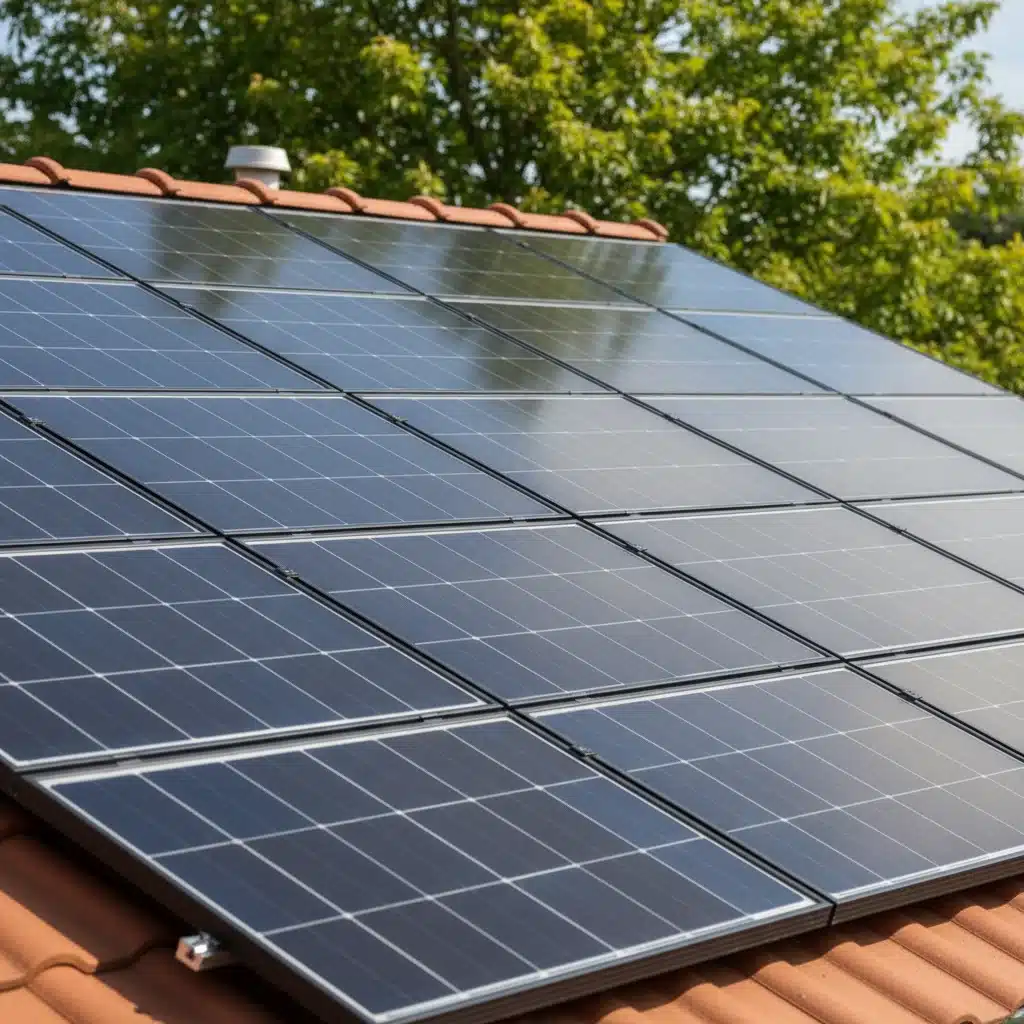
As we advance into 2026, the reliance on renewable energy sources, particularly residential solar systems, continues to grow exponentially. Homeowners worldwide are embracing solar power not just for its environmental benefits but also for the significant savings it offers on electricity bills. However, like any sophisticated home appliance or system, your residential solar system requires regular attention and proper maintenance to ensure it operates at its peak efficiency and longevity. Neglecting your solar panels and associated equipment can lead to reduced energy production, higher utility costs, and potentially costly repairs down the line. This comprehensive guide will walk you through a biannual checklist for optimal solar system maintenance in 2026, empowering you to keep your photovoltaic investment performing flawlessly.
Understanding the importance of routine solar system maintenance is the first step. Think of it like servicing your car; regular oil changes and check-ups prevent major breakdowns and extend its lifespan. The same principle applies to your solar array. Environmental factors such as dust, pollen, bird droppings, leaves, and even snow can accumulate on your panels, blocking sunlight and diminishing their output. Beyond the visible aspects, internal components like inverters, wiring, and mounting hardware also need periodic inspection to ensure they are functioning correctly and safely. By adhering to a structured maintenance schedule, you can proactively identify and address minor issues before they escalate, safeguarding your investment and maximizing your energy independence.
Why Biannual Solar System Maintenance is Crucial in 2026
While solar panels are generally robust and designed to withstand harsh weather conditions, they are not entirely maintenance-free. The biannual approach to solar system maintenance is ideal because it allows for timely checks before and after peak performance seasons. For many regions, this means a check-up in late spring/early summer to prepare for the long, sunny days, and another in late autumn/early winter to assess any potential damage from seasonal changes and prepare for less sunlight. This rhythm ensures your system is always ready to capture maximum solar energy throughout the year.
The benefits of consistent solar system maintenance are manifold:
- Maximized Energy Production: Clean panels absorb more sunlight, directly translating to higher electricity generation and greater savings.
- Extended System Lifespan: Regular inspections can catch wear and tear early, preventing minor issues from becoming major, expensive repairs. This extends the life of your entire system.
- Maintained Warranty Validity: Many solar panel and inverter warranties require proof of regular maintenance. Neglecting this could void your warranty, leaving you responsible for repair costs.
- Enhanced Safety: Damaged wiring, loose connections, or compromised mounting hardware can pose electrical or structural hazards. Maintenance checks mitigate these risks.
- Optimized Return on Investment (ROI): A well-maintained system consistently delivers maximum energy, ensuring you get the most out of your initial investment over its lifetime.
Let’s dive into the practical steps for your 2026 biannual solar system maintenance checklist.
Spring/Early Summer Solar System Maintenance Checklist (Preparation for Peak Production)
This first check-up of the year is crucial for preparing your solar system for the months of high sunlight and energy generation. It’s about clearing away winter’s remnants and ensuring everything is primed for optimal performance.
1. Panel Cleaning: The Cornerstone of Solar System Maintenance
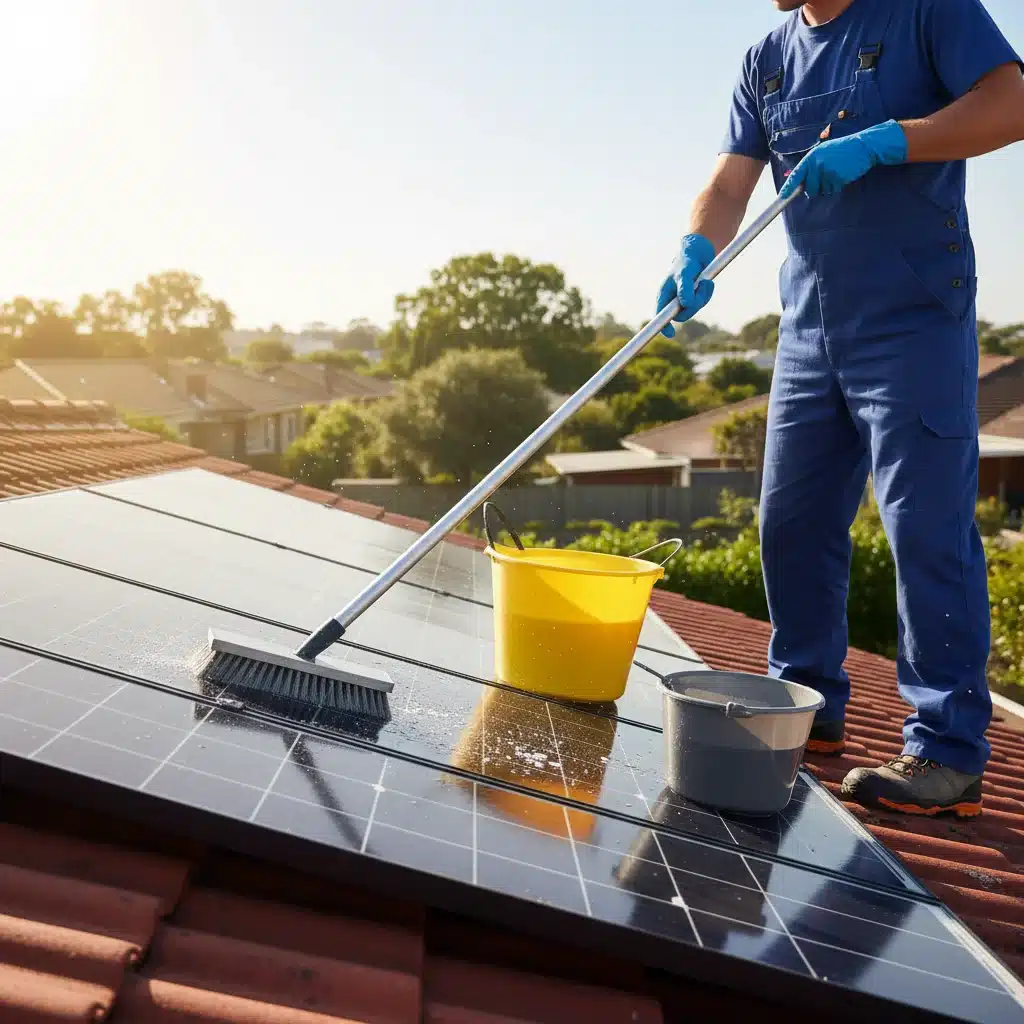
This is arguably the most vital step in your biannual routine. Over winter, your panels can accumulate dust, dirt, pollen, bird droppings, and other debris that act as a barrier to sunlight. While rain can offer some cleaning, it’s often not enough to remove stubborn grime.
- When to Clean: Choose a cloudy day or early morning/late evening when the panels are cool. Cleaning hot panels can cause thermal shock and potential damage.
- What You’ll Need: A garden hose with a spray nozzle, a soft brush or sponge (specifically designed for solar panels, if possible), mild soap (like dish soap, but check your manufacturer’s recommendations), and a squeegee with a soft rubber blade. For safety, consider an extension pole for hard-to-reach areas.
- The Process:
- Start by rinsing the panels thoroughly with water to dislodge loose dirt.
- Apply a small amount of mild, non-abrasive soap to your soft brush or sponge.
- Gently scrub the surface of each panel. Avoid abrasive materials that can scratch the glass.
- Rinse again thoroughly to remove all soap residue.
- Use a squeegee to remove excess water and prevent water spots, working from top to bottom.
- Safety First: If your roof is steep or you are uncomfortable working at heights, it is always best to hire a professional solar cleaning service. Never compromise your safety.
2. Visual Inspection of Panels and Racking
Once clean, perform a thorough visual inspection of your solar array.
- Panel Surface: Look for any cracks, chips, delamination (separation of layers), discoloration, or burn marks on the glass surface. These could indicate damage or internal issues.
- Racking System: Check the mounting hardware for any signs of corrosion, loose bolts, or shifting. Ensure all panels are securely fastened to the racking.
- Shading: Observe if any new trees, shrubs, or building additions are casting shadows on your panels, especially during peak sunlight hours. Trim vegetation if necessary.
3. Inverter Check
Your inverter is the brain of your solar system, converting DC electricity from your panels into AC electricity for your home.
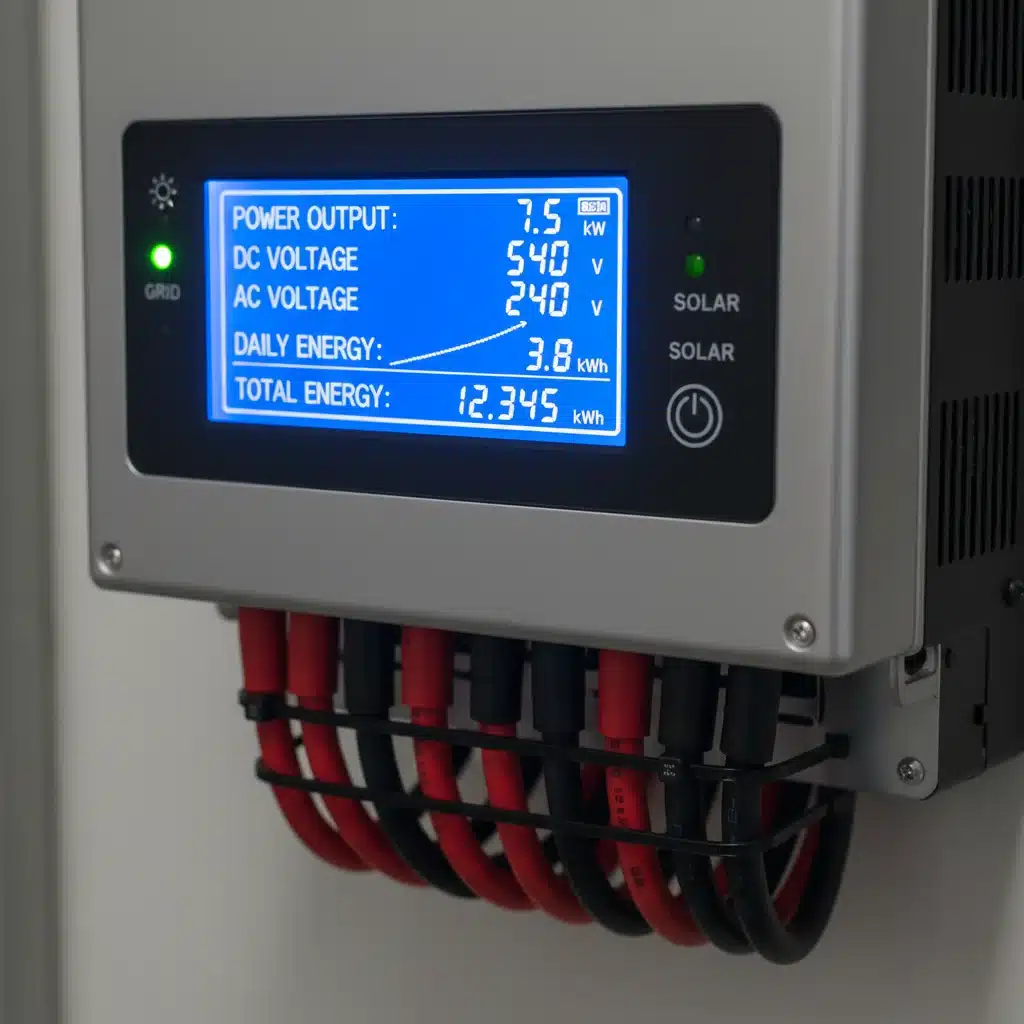
- Indicator Lights: Most inverters have indicator lights or a digital display. Check if they are showing normal operation (e.g., green light). Any error codes or blinking lights usually signify an issue. Consult your inverter manual or contact your installer if you see abnormal readings.
- Physical Condition: Inspect the inverter for any visible signs of damage, corrosion, or loose wiring. Ensure it’s free from dust and debris, and that its ventilation ports are clear.
- Noise: Listen for any unusual noises coming from the inverter.
4. Wiring and Connections
While most wiring is protected, it’s good practice to visually inspect accessible wiring.
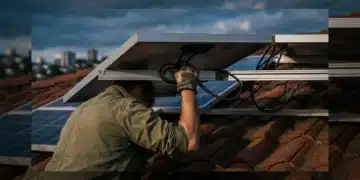
- Visible Wires: Look for any frayed wires, exposed insulation, or signs of rodent damage.
- Conduit: Ensure all conduits are intact and securely fastened, protecting the wiring within.
- Junction Boxes: If safely accessible, check that junction boxes are sealed and free from moisture or insect nests.
Autumn/Early Winter Solar System Maintenance Checklist (Post-Peak Performance & Winter Prep)
This second biannual check-up is vital for assessing any wear and tear from the summer months and preparing your system for the potentially harsher conditions of winter. It’s also an excellent time to review your system’s performance data.
1. Post-Summer Panel Cleaning and Inspection
Just as you cleaned in spring, a post-summer cleaning is essential. Pollen, dust, and general grime can accumulate significantly during the drier summer months. Follow the same cleaning procedures as outlined above.
- Debris Check: Pay particular attention to leaves, twigs, or other debris that might have accumulated under or around the panels, especially if you have nearby trees. These can trap moisture and create fire hazards.
- Pest Infestation: Look for signs of birds or rodents nesting under the panels. Nests can damage wiring and create fire risks. If you find nests, carefully remove them (wearing gloves) and consider installing critter guards to prevent future infestations.
2. Review Performance Data
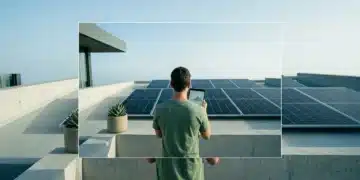
Most modern solar systems come with monitoring apps or online portals. This is the perfect time to review your system’s performance data over the past few months.
- Energy Production: Compare your actual energy production with expected output for your system size and location. Significant drops could indicate an issue.
- Daily/Monthly Trends: Look for consistent dips in production that aren’t explained by weather. This can help pinpoint a problem with a specific panel or component.
- Alerts: Check for any system alerts or notifications that might have gone unnoticed.
3. Check for Loose Connections and Hardware
Temperature fluctuations and wind can cause components to expand, contract, and potentially loosen over time.
- Mounting Hardware: Re-inspect all visible mounting hardware on your roof. Ensure all bolts, clamps, and rails are secure. Loose hardware can lead to panels shifting or even detaching in strong winds.
- Grounding Wires: Verify that all grounding wires are securely attached and free from corrosion. Proper grounding is critical for safety.
4. Tree and Shrub Trimming
As deciduous trees lose their leaves, it’s a good time to assess their potential to shade your panels in the coming year, especially when they are full. Trim any branches that could grow to obstruct sunlight or fall onto your array during winter storms.
5. Battery Storage System Check (If Applicable)
If you have a solar battery storage system, this check is crucial.
- Visual Inspection: Check the battery unit for any physical damage, leaks, or unusual swelling.
- Ventilation: Ensure the area around the battery is clear and well-ventilated, as batteries can generate heat.
- Performance Monitoring: Review the battery’s charge/discharge cycles and overall health via its monitoring app.
When to Call the Professionals for Solar System Maintenance
While many aspects of solar system maintenance can be handled by a diligent homeowner, there are times when professional intervention is not just recommended but necessary. Knowing when to call in the experts can prevent further damage, ensure safety, and maintain warranty validity.
1. Significant Performance Drop
If your system’s energy production has consistently dropped by more than 10-15% without any obvious explanation (like prolonged bad weather or new shading), it’s time to call a professional. This could indicate an issue with the inverter, micro-inverters, a faulty panel, or wiring problems that require specialized diagnostic tools.
2. Error Codes or Warnings
If your inverter displays persistent error codes or warning lights that you cannot resolve by consulting your manual, contact your installer or a certified solar technician immediately. Ignoring these warnings can lead to system shutdown or damage.
3. Visible Damage to Panels or Wiring
Any visible cracks, severe discoloration, burn marks on panels, or exposed/frayed wiring should be addressed by a professional. These issues can compromise safety (electrical shock, fire hazard) and system integrity. Do not attempt to repair these yourself.
4. Issues with the Racking System or Roof Penetrations
If you notice loose mounting hardware that you cannot safely tighten, or if you suspect any issues with your roof penetrations (e.g., leaks around mounting points), a professional solar installer or a qualified roofer should inspect it. Improperly secured panels are a safety risk, and roof leaks can cause significant structural damage to your home.
5. Inverter Malfunctions
If your inverter is making unusual noises (grinding, buzzing), frequently shutting down, or not turning on, it likely needs professional attention. Inverters are complex components and should only be serviced by certified technicians.
6. Warranty-Related Repairs
For any issues covered under your solar system’s warranty, it’s crucial to contact the original installer or manufacturer-approved service provider. Attempting DIY repairs on warrantied components could void your coverage.
7. Lack of Comfort or Safety Concerns
If you are uncomfortable with heights, lack the proper safety equipment, or are simply unsure about any aspect of the maintenance process, it is always safer and wiser to hire a professional. Safety should always be your top priority.
Tips for Maximizing Your Solar System’s Lifespan and Efficiency
Beyond the biannual checklist, incorporating these best practices into your routine can further enhance your solar system maintenance efforts:
- Keep Records: Maintain a log of your maintenance activities, including dates, observations, and any repairs made. This can be invaluable for troubleshooting and warranty claims.
- Monitor Regularly: Make it a habit to check your system’s performance data via your monitoring app a few times a month, not just biannually. Early detection of issues can save money and prevent downtime.
- Be Proactive with Shading: Regularly assess your property for potential new shading sources. Trim trees and shrubs before they become a problem.
- Consider Professional Cleaning: Even if you do regular DIY cleaning, consider hiring professionals for a deep clean every few years, especially if you live in a particularly dusty or pollen-heavy area. They have specialized equipment and can often reach spots you can’t.
- Understand Your Warranty: Familiarize yourself with the terms and conditions of your solar panel, inverter, and installation warranties. Know what’s covered and for how long.
- Stay Informed: Keep up-to-date with any software updates for your inverter or monitoring system, and be aware of any recalls or service bulletins related to your specific solar components.
The Future of Solar System Maintenance in 2026 and Beyond
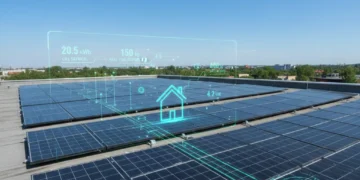
As solar technology evolves, so too will maintenance practices. We can expect to see increased integration of AI-powered diagnostics, drone inspections for faster and safer visual checks, and even more sophisticated predictive maintenance algorithms that can anticipate component failures before they occur. Smart homes will likely feature more seamless integration with solar monitoring systems, providing homeowners with real-time, actionable insights into their energy production and consumption.
However, even with these advancements, the fundamental principles of regular cleaning, visual inspections, and professional oversight will remain critical. The goal of solar system maintenance is to ensure your investment continues to provide clean, reliable energy for decades to come.
Conclusion
Your residential solar system is a significant investment in your home’s future and the planet’s well-being. By diligently following this biannual solar system maintenance checklist in 2026, you’re not just cleaning panels; you’re actively preserving your system’s efficiency, extending its lifespan, and ensuring you continue to reap the maximum financial and environmental benefits. Remember, a little proactive care goes a long way in keeping your solar energy flowing smoothly. Stay safe, stay vigilant, and enjoy the power of the sun!