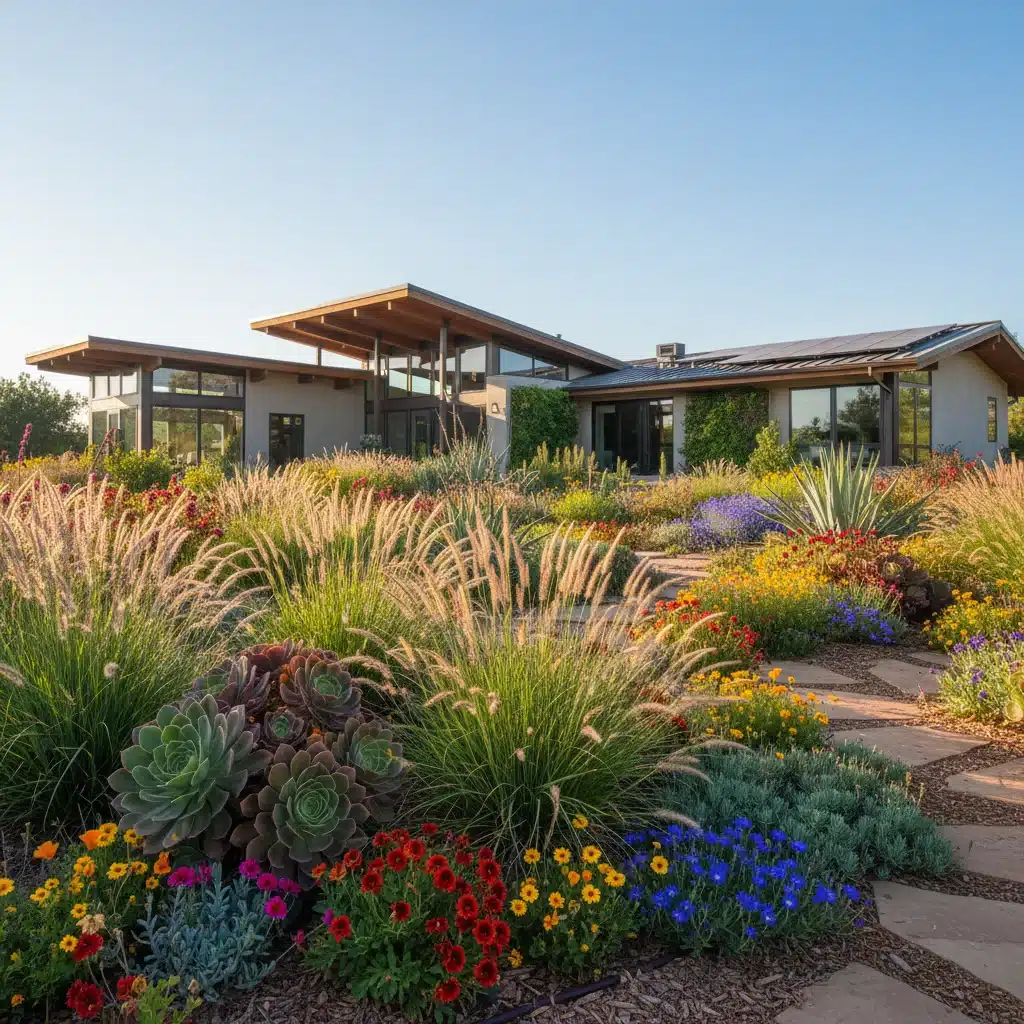
Sustainable Landscaping: Design a Drought-Resistant Garden to Reduce Outdoor Water Use by 40% in 2026
In an era where environmental consciousness is paramount, transforming our outdoor spaces into havens of sustainability is no longer just an option, but a necessity. The concept of a drought resistant landscaping has emerged as a powerful solution, offering both ecological benefits and aesthetic appeal. Imagine a garden that thrives with minimal watering, reduces your utility bills, and contributes positively to local ecosystems. This isn’t a distant dream; it’s an achievable reality. This comprehensive guide will walk you through the process of designing and maintaining a drought-resistant garden, aiming to help you reduce your outdoor water consumption by a remarkable 40% by 2026.
Water scarcity is a growing concern globally, and residential landscaping often accounts for a significant portion of household water use. By embracing drought-resistant landscaping principles, you not only conserve this precious resource but also create a resilient and beautiful environment that can withstand changing climate patterns. This article will delve into the core principles of xeriscaping, plant selection, efficient irrigation techniques, and long-term maintenance strategies to ensure your garden remains vibrant and water-wise for years to come.
Understanding the Core Principles of Drought Resistant Landscaping (Xeriscaping)
At the heart of drought resistant landscaping lies xeriscaping, a term derived from the Greek word ‘xeros’ meaning dry. It’s not about creating a barren, desert-like landscape, but rather about intelligent design and plant selection to maximize water efficiency. The seven fundamental principles of xeriscaping provide a robust framework for any water-wise garden:
- Planning and Design: The first step is to create a well-thought-out plan. Analyze your site’s conditions, including sun exposure, soil type, and drainage. Consider how you use your outdoor space and design zones based on water needs. This initial planning phase is crucial for the success of your drought-resistant landscape.
- Soil Improvement: Healthy soil is the foundation of a healthy garden. For drought-resistant landscaping, improving soil structure is key. Incorporating organic matter, such as compost, enhances water retention in sandy soils and improves drainage in clay soils. This allows plants to access water more efficiently and reduces runoff.
- Appropriate Plant Selection: This is perhaps the most critical aspect. Choose plants that are naturally adapted to your local climate and require minimal water once established. Native plants are often an excellent choice as they are already accustomed to regional weather patterns. We’ll explore specific plant categories in detail later.
- Efficient Irrigation: Gone are the days of wasteful sprinkler systems. Modern drought-resistant landscaping utilizes efficient irrigation methods like drip irrigation and soaker hoses, which deliver water directly to the plant roots, minimizing evaporation and runoff. Smart irrigation controllers also play a vital role.
- Mulching: Applying a layer of organic mulch around your plants offers numerous benefits. It suppresses weeds, moderates soil temperature, and, most importantly, significantly reduces water evaporation from the soil surface. Mulch also breaks down over time, enriching the soil.
- Turf Alternatives: Traditional lawns are notoriously thirsty. Consider reducing the size of your lawn or replacing it entirely with drought-tolerant groundcovers, permeable paving, or decorative aggregates. If you keep a lawn, opt for drought-tolerant grass varieties.
- Maintenance: Even a drought-resistant garden requires some maintenance. This includes proper pruning, weeding, and monitoring your irrigation system. Regular, but water-wise, maintenance ensures the longevity and beauty of your landscape.
Designing Your Water-Wise Oasis: Step-by-Step Approach
Embarking on a drought resistant landscaping project can seem daunting, but by breaking it down into manageable steps, you can create a stunning and sustainable garden. Here’s a detailed approach:
Step 1: Site Analysis and Planning
Before you dig, observe. Spend time understanding your yard. What areas receive full sun, partial shade, or deep shade? Where does water tend to collect, and where does it drain quickly? Identify existing features like trees, structures, and pathways. Sketch out your property, noting these observations. Think about how you use your outdoor space – do you need an entertaining area, a quiet retreat, or a play zone? This initial assessment will inform your design decisions and help you create functional and water-efficient zones.
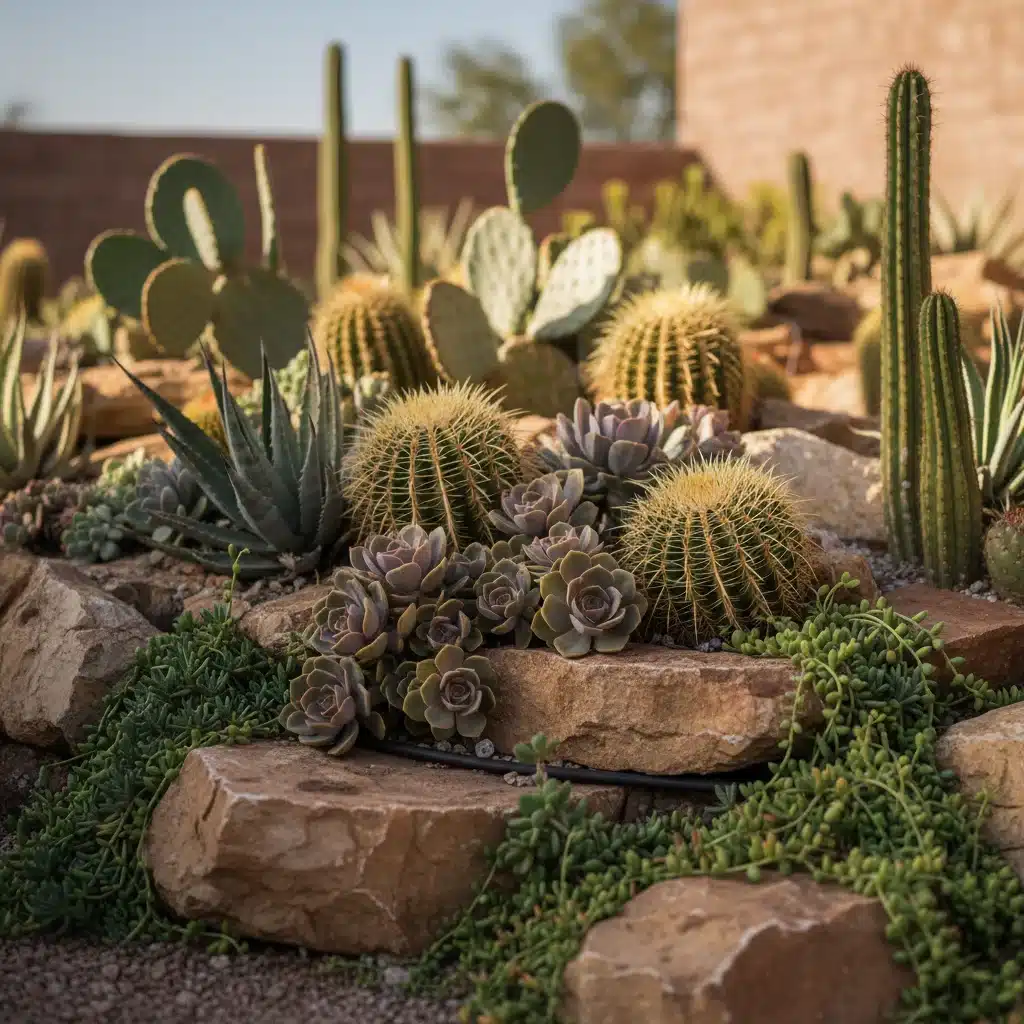
Consider the ‘hydrozoning’ concept: grouping plants with similar water needs together. This allows you to irrigate more efficiently, providing appropriate amounts of water to each zone without overwatering some plants and underwatering others. For instance, a low-water zone might feature succulents and cacti, while a moderate-water zone could include some drought-tolerant shrubs and perennials that need occasional supplemental watering.
Step 2: Soil Assessment and Improvement
Your soil is the lifeblood of your garden. A simple soil test can reveal its composition (sand, silt, clay) and nutrient levels. For drought resistant landscaping, well-draining yet water-retentive soil is ideal. If you have heavy clay soil, amend it with organic matter like compost to improve drainage and aeration. If you have sandy soil, compost will help it hold moisture and nutrients more effectively. Aim for a soil depth of at least 6-12 inches for most plants. Healthy soil encourages strong root growth, which is essential for plants to access water deep within the ground.
Step 3: Selecting Drought-Tolerant Plants
This is where your garden truly comes to life. The key to successful drought resistant landscaping is choosing the right plants for your specific climate zone. Research native plants in your region; they are often the best choice as they have evolved to thrive in local conditions without extensive care or watering. Look for plants with characteristics that indicate drought tolerance, such as:
- Small or waxy leaves: These reduce water loss through transpiration.
- Silver or hairy foliage: These reflect sunlight and trap humidity.
- Deep root systems: Allow plants to access water from deeper soil layers.
- Succulent leaves or stems: Store water for extended periods.
Consider a variety of plant types for year-round interest: trees, shrubs, perennials, groundcovers, and even some annuals. Mix textures, colors, and heights to create visual appeal. Don’t forget about edible drought-tolerant options like rosemary, lavender, and certain varieties of tomatoes or peppers. Consult local nurseries or extension offices for recommendations tailored to your area.
Step 4: Efficient Irrigation Systems
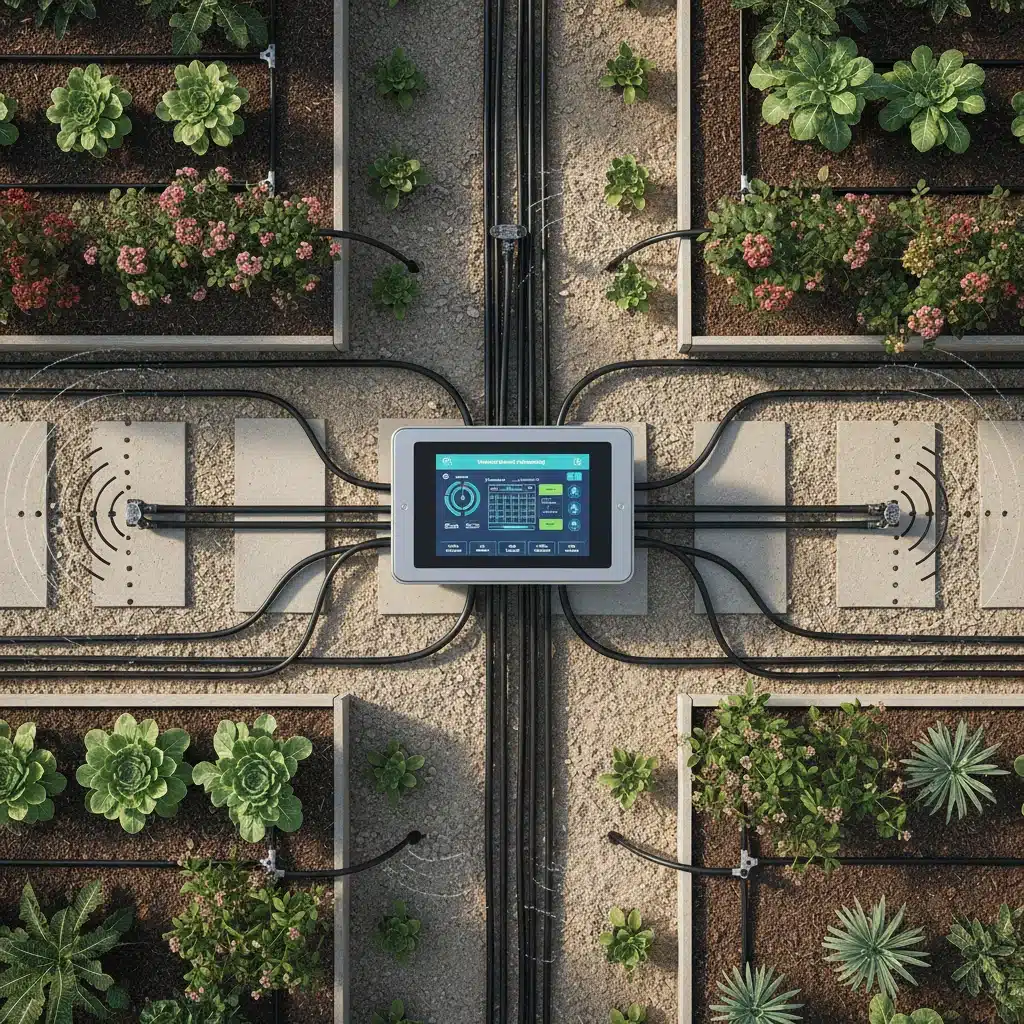
Even drought-tolerant plants need water, especially during establishment. The goal is to deliver water precisely where and when it’s needed. Drip irrigation systems and soaker hoses are far more efficient than traditional sprinklers, reducing water waste by up to 50%. These systems deliver water slowly and directly to the root zone, minimizing evaporation and runoff.
For larger areas or specific plant groupings, consider smart irrigation controllers. These devices use local weather data, soil moisture sensors, or plant type information to adjust watering schedules automatically. This prevents overwatering and ensures your plants receive just the right amount of moisture, contributing significantly to your 40% water reduction goal. Hand-watering can be effective for small, targeted areas, but always water deeply and infrequently to encourage deep root growth.
Step 5: Strategic Mulching
Mulch is a game-changer for drought resistant landscaping. A 2-4 inch layer of organic mulch (such as wood chips, shredded bark, or straw) around your plants offers a multitude of benefits:
- Water Retention: It significantly reduces evaporation from the soil surface, meaning you water less frequently.
- Weed Suppression: Mulch acts as a barrier, preventing weed seeds from germinating and competing with your plants for water and nutrients.
- Temperature Regulation: It insulates the soil, keeping it cooler in summer and warmer in winter, which reduces stress on plant roots.
- Soil Enrichment: As organic mulch decomposes, it adds valuable nutrients and improves soil structure over time.
Avoid inorganic mulches like rocks or gravel in areas that receive intense sun, as they can absorb and radiate heat, increasing soil temperature and potentially harming plants. If using inorganic mulch, ensure there’s a breathable fabric layer underneath to prevent weeds and allow water penetration.
Step 6: Reducing or Eliminating Thirsty Lawns
Traditional turfgrass is often the biggest water guzzler in a typical landscape. Re-evaluating your lawn area is a crucial step towards a truly drought resistant landscaping. Consider these alternatives:
- Drought-Tolerant Grasses: If you must have a lawn, choose varieties like Buffalo grass or Zoysia grass, which require significantly less water than common fescues or Kentucky bluegrass.
- Groundcovers: Replace thirsty grass with low-growing, drought-tolerant groundcovers such as creeping thyme, sedum, or clover. These offer greenery and texture without the high water demands.
- Permeable Paving and Hardscaping: Incorporate patios, pathways, or decorative gravel areas. These reduce the need for planted spaces and can be aesthetically pleasing. Ensure materials are permeable to allow rainwater to infiltrate the soil rather than run off.
- Garden Beds: Expand existing garden beds or create new ones filled with diverse drought-tolerant plants. This adds visual interest and biodiversity.
Even reducing your lawn by 25% can lead to substantial water savings over time.
Maintaining Your Drought-Resistant Landscape for Long-Term Success
Once your drought resistant landscaping is established, ongoing maintenance is generally less intensive than a traditional garden, but it’s still essential for its health and beauty.
Watering Schedule Adjustment
Even drought-tolerant plants need water, especially during prolonged dry spells or extreme heat. The key is deep, infrequent watering. This encourages roots to grow deeper, making plants more resilient. Monitor your plants for signs of stress (wilting, dull foliage). As plants mature, their water needs will generally decrease. Adjust your irrigation schedule seasonally, reducing watering in cooler months and increasing it slightly during peak summer heat, always aiming for efficiency.
Weed Control
Weeds compete with your desired plants for water and nutrients. While mulch helps suppress them, some will inevitably pop up. Regular weeding, especially when weeds are small, prevents them from establishing deep roots and consuming valuable moisture. Hand-pulling is often the best method in a drought-resistant garden to avoid disturbing the soil structure.
Pruning and Plant Health
Prune plants as needed to remove dead or diseased branches, improve air circulation, and maintain their shape. Avoid excessive pruning, as it can stress plants and encourage new growth that requires more water. Monitor your plants for pests and diseases, addressing issues promptly to keep your garden healthy and vibrant. Healthy plants are inherently more resilient to drought conditions.
Fertilization (Minimal)
Drought-tolerant plants are often adapted to leaner soils and generally require less fertilizer than their thirsty counterparts. Over-fertilizing can lead to excessive, weak growth that is more susceptible to drought stress. If your soil analysis indicates a nutrient deficiency, opt for slow-release, organic fertilizers applied sparingly. Healthy soil, rich in organic matter, often provides sufficient nutrients.
Rainwater Harvesting and Greywater Systems
To further enhance your drought resistant landscaping, consider incorporating rainwater harvesting or greywater systems. Rain barrels collect rainwater from your roof, providing a free source of irrigation for your garden. For more advanced systems, a greywater system can redirect water from sinks, showers, and washing machines (after filtering) to irrigate certain parts of your landscape. These systems can significantly reduce your reliance on potable water for outdoor use, pushing you closer to or even beyond the 40% reduction target.
Benefits Beyond Water Savings
While water conservation is a primary driver for adopting drought resistant landscaping, the benefits extend far beyond your water bill:
- Reduced Maintenance: Once established, drought-tolerant gardens require less mowing, fertilizing, and often less frequent pruning than traditional landscapes, freeing up your time and reducing labor costs.
- Increased Biodiversity: By choosing native and climate-appropriate plants, you create habitats and food sources for local wildlife, including pollinators like bees and butterflies, and various bird species. This fosters a healthier, more vibrant ecosystem in your backyard.
- Lower Utility Bills: Significant water savings directly translate to lower monthly water bills. Over time, these savings can offset the initial investment in your new landscape.
- Enhanced Property Value: A well-designed, sustainable landscape can increase your home’s curb appeal and market value, appealing to environmentally conscious buyers.
- Environmental Resilience: Drought-resistant gardens are better equipped to handle periods of drought and extreme heat, making your landscape more resilient in the face of climate change. They also reduce chemical runoff from fertilizers and pesticides, protecting local waterways.
- Aesthetic Appeal: Far from being barren, drought-resistant landscapes can be incredibly beautiful, offering unique textures, colors, and forms that change with the seasons. They often have a natural, harmonious look that complements the local environment.
Common Myths About Drought Resistant Landscaping Debunked
It’s important to address some misconceptions that might deter people from adopting drought resistant landscaping:
- Myth: Drought-resistant gardens are ugly and brown.
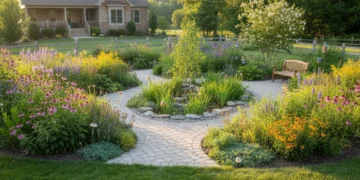
Reality: This couldn’t be further from the truth. Modern drought-resistant designs incorporate a wide array of colorful flowers, lush foliage, diverse textures, and interesting hardscaping elements to create stunning, vibrant, and inviting spaces. The focus is on thriving, not just surviving. - Myth: You can’t have any green grass.
Reality: While traditional, thirsty lawns are discouraged, you can still have green spaces. This might involve smaller, strategically placed patches of drought-tolerant grasses, or lush groundcovers that provide a similar aesthetic without the high water demand. - Myth: All desert plants are drought-tolerant.
Reality: While many desert plants are indeed drought-tolerant, not all are suitable for every climate. It’s crucial to select plants that are appropriate for your specific USDA hardiness zone and local conditions, not just any plant labeled ‘desert plant.’ - Myth: Drought-resistant landscaping requires no water at all.
Reality: Even the most drought-tolerant plants need water to get established. After establishment, they require significantly less water than conventional plants, but they may still need supplemental watering during extended dry periods or extreme heat. The goal is ‘water-wise,’ not ‘no water.’ - Myth: It’s expensive and difficult to install.
Reality: While there can be an initial investment, especially if you’re overhauling an existing landscape, the long-term savings in water bills and maintenance costs often make it a very cost-effective solution. Many DIY options are also available, and professional help can be sought for complex designs.
Conclusion: Embracing a Sustainable Future with Drought Resistant Landscaping
The journey towards a drought resistant landscaping is an investment in your home, your community, and the planet. By consciously choosing water-wise practices, you contribute to a more sustainable future, reduce your environmental footprint, and create an outdoor space that is both beautiful and resilient. The target of reducing outdoor water use by 40% by 2026 is ambitious yet entirely achievable with careful planning, appropriate plant selection, efficient irrigation, and consistent maintenance.
Start small, perhaps by converting a single thirsty bed, or gradually replacing sections of your lawn. Educate yourself, experiment with different plant varieties, and don’t be afraid to seek advice from local experts. Every step you take towards a more water-efficient garden makes a difference. Embrace the beauty and practicality of drought-resistant landscaping, and enjoy the profound satisfaction of knowing you are cultivating not just a garden, but a legacy of sustainability.
Your beautiful, thriving, water-wise garden awaits. Take the first step today and transform your outdoor space into an eco-conscious masterpiece that stands the test of time and climate.