Navigating the Solar Landscape: Avoiding Common Pitfalls in Commercial and Residential Projects
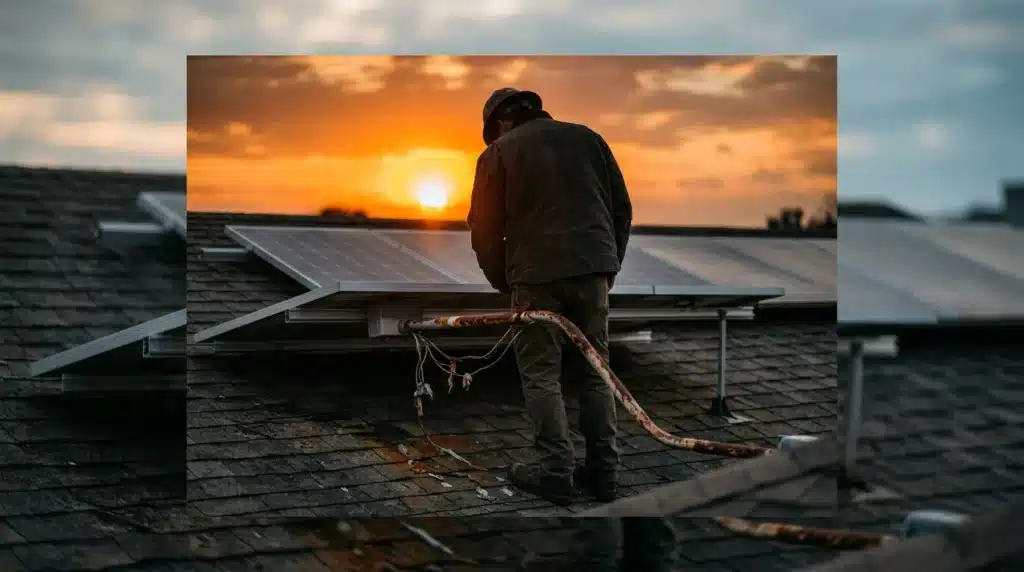
The decision to go solar often feels like a definitive step toward a smarter, more sustainable future. With the promise of shrinking utility bills and a cleaner environmental conscience, property owners are increasingly drawn to the power of the sun. This initial wave of enthusiasm is powerful, propelling both homeowners and business leaders to explore how they can harness this renewable resource.
The journey from a bright idea to a fully operational solar array is frequently littered with unexpected complications and costly errors. A significant gap often exists between the idyllic vision sold by marketers and the complex reality of engineering, financing, and installation. Industry data suggests a notable percentage of new solar owners experience issues like system underperformance or surprise costs, turning their dream investment into a source of frustration. What separates a successful project from a financial headache?
The difference lies in proactive planning and avoiding a series of common, yet entirely preventable, mistakes. This guide serves as a full roadmap for navigating the solar landscape. We will uncover the most frequent pitfalls in residential projects, demystify the financial complexities of commercial installations, and highlight the critical, often-overlooked role of energy efficiency. By understanding these challenges upfront, you can ensure your transition to solar power is a resounding success.
The Allure of Solar: Why Many Projects Go Awry
The promise of solar energy is compelling, offering a future with lower utility bills and a significantly smaller carbon footprint. For many property owners, the decision to install panels feels like a clear win-win, driven by both financial sense and environmental responsibility. This initial enthusiasm is a powerful motivator for anyone looking into integrating renewable energy for a greener home.
But the path from a sunny idea to a functioning solar array is often riddled with unexpected potholes. The underrated factor here is the surprising complexity hidden behind what seems like a simple installation. It’s a bit like watching a 30-minute home renovation show; the final result looks effortless, but it hides weeks of complicated work. A recent survey by the North American Board of Certified Energy Practitioners (NABCEP) found that nearly 18% of residential solar customers reported unexpected costs or system underperformance within the first two years. What could possibly go wrong?
This gap between expectation and reality is where most problems begin.
Understanding these common challenges is the first step toward true commercial and residential energy independence. The difference between a successful project and a costly mistake often comes down to navigating these early decisions with care and foresight, turning a simple interest into a well-executed plan.
Residential Solar: Avoiding the Homeowner’s Headaches
Transitioning to solar power for your home should be an exciting step toward energy independence and lower bills. Yet, for a surprising number of homeowners, the journey is filled with frustrating and costly missteps. The gap between the promise of clean energy and a problematic reality often comes down to a few critical, and entirely avoidable, errors made early in the process.
What most people miss is that a successful solar installation isn’t just about the panels on the roof; it’s about the planning, the partnership, and the foresight that happens long before the first bolt is tightened. Getting this right is everything.
Choosing the Right Installer: More Than Just the Lowest Bid
Temptation often points toward the cheapest quote, but this is frequently the first and most significant pitfall. A suspiciously low bid can be a red flag for subpar equipment, inexperienced labor, or a company cutting corners on safety and permitting. The Solar Energy Industries Association (SEIA) has noted that a large percentage of homeowner complaints stem from installation quality issues, not equipment failure itself. Think of it like hiring a mechanic; the cheapest one might fix your car for now, but are they using quality parts and guaranteeing their work for the long road ahead?
Instead of price, focus on reputation and credentials. A reputable installer will have proper licensing, insurance, and certifications from organizations like the North American Board of Certified Energy Practitioners (NABCEP). Ask for a portfolio of local installations and speak with their past customers. An installer who is transparent and patient with your questions is building a long-term relationship, not just making a quick sale. This is a notable part of your journey toward solar-powered living.
System Sizing and Future-Proofing: Don’t Underestimate (or Overestimate)
Another common headache is an improperly sized system. An oversized system means you’ve overpaid for capacity you can’t use or sell back to the grid effectively, severely damaging your return on investment. Conversely, an undersized system leaves you frustrated and still reliant on expensive utility power, defeating much of the purpose of going solar in the first place.
Understanding Your Energy Consumption Patterns
The foundation of correct system sizing is a deep analysis of your past energy usage. Your installer should request at least 12 months of electricity bills to understand your seasonal peaks and daily consumption patterns. Don’t just look at the total kilowatt-hours (kWh). When do you use the most power? A detailed look helps determine if you need a simple grid-tied system or if adding a battery for nighttime use makes financial sense. This is a foundational step covered in any good beginner’s guide to residential solar.
Considering Future Energy Needs (EVs, Home Additions)
Your energy use today is not your energy use tomorrow. Are you planning to buy an electric vehicle in the next few years? According to the U.S. Department of Energy, adding a Level 2 EV charger can increase a home’s electricity consumption by 30% or more. Other considerations include adding a hot tub, finishing a basement, or switching from a gas furnace to an electric heat pump. Discussing these potential future changes with your installer ensures your system is designed with enough capacity—or at least the ability to be easily expanded later.
Maintenance Misconceptions: What Homeowners Often Miss
Solar panels are remarkably durable and low-maintenance, but they are not “set it and forget it” technology. The belief that panels require zero upkeep is a persistent myth that can lead to a gradual decline in performance. Dust, pollen, bird droppings, and soot can accumulate over time, creating a film that reduces sunlight absorption. In some arid regions, this can cause an efficiency loss of up to 15-20% if left unaddressed.
Beyond simple cleaning, proactive monitoring is key. Homeowners should learn to read their monitoring software to spot unexpected dips in production, which could signal an issue with an inverter or a specific panel. It’s about performing a quick health check on your investment every month or so—something most people forget to do. This kind of active engagement is a core principle of integrating solar for a sustainable lifestyle.
Setting a semi-annual reminder to inspect your panels visually and check your system’s output data can prevent small issues from becoming costly problems down the line.
A significant portion of homeowner dissatisfaction arises not from the solar technology itself, but from the quality of the installation. Vetting your installer is as crucial as choosing the right panels.
— Insights from the Solar Energy Industries Association (SEIA)
| Common Pitfall | Effective Solution |
|---|---|
| Choosing the Wrong Installer | Prioritize credentials (like NABCEP certification) and local references over the lowest bid. Ensure they are licensed and insured. |
| Improper System Sizing | Analyze at least 12 months of utility bills and discuss future energy needs (e.g., EVs, home additions) with your installer. |
| Ignoring Energy Efficiency | Conduct a home energy audit to seal air leaks and improve insulation *before* sizing your solar system to reduce overall demand. |
| Flawed Financial Forecasting | Account for panel degradation rates, maintenance costs, and the complex rules of tax incentives in your long-term ROI calculations. |
| Maintenance Misconceptions | Regularly check your system’s monitoring software for performance dips and schedule periodic professional inspections. |
Commercial Solar: Sidestepping Costly Business Blunders
Transitioning a business to solar power involves much more than simply installing panels on a roof. For commercial properties, the scale is larger, the financial stakes are higher, and the potential for error is magnified. A misstep here doesn’t just mean a higher-than-expected utility bill; it can impact your company’s bottom line for decades. The key is understanding that commercial solar is an infrastructure investment, not just a hardware purchase.
Many businesses get tripped up by focusing exclusively on the upfront cost, overlooking the long-term financial and operational picture. This is where expert solar strategies separate successful projects from financial drains. It’s about building a detailed plan that accounts for the entire lifecycle of the system.
Financial Forecasting Faux Pas: Beyond the Initial Investment
A glossy proposal with an attractive initial price can be misleading if the underlying financial model is flawed. The underrated factor here is the total cost of ownership (TCO), which extends far beyond the check you write for installation. Businesses must project energy savings, maintenance costs, and component performance over 25 years or more. Getting this wrong can turn a promising investment into a long-term liability.
Ignoring Degradation Rates and Performance Guarantees
All solar panels degrade over time, producing slightly less electricity each year. Ignoring this is like buying a delivery truck without considering its declining fuel efficiency over a decade. A quality Tier 1 panel might come with a performance guarantee of 85% output after 25 years, but what about cheaper alternatives? According to data from the National Renewable Energy Laboratory (NREL), while the median degradation rate is around 0.5% per year, some lower-quality panels can degrade at over 1% annually, significantly eroding your return on investment (ROI). Your financial projections must account for this gradual decline in output.
Miscalculating Tax Incentives and Depreciation
The financial benefits of commercial solar are heavily tied to government incentives, which are often complex. For instance, businesses can often take advantage of the Modified Accelerated Cost Recovery System (MACRS), allowing them to recover the investment through depreciation deductions. the rules for calculating the depreciable basis, especially when state incentives are involved, can be tricky. A simple miscalculation here could mean leaving tens of thousands of dollars on the table or, worse, facing an IRS audit.
Operational Oversights: From Installation to Integration
A commercial solar project has physical and operational impacts that many businesses underestimate. Before a single panel is hoisted, a thorough structural assessment of your roof is non-negotiable. An older roof might need reinforcement or even replacement to handle the added weight, a cost that must be budgeted for. the installation process itself can cause business disruptions — and nobody wants their manufacturing floor or retail operations halted because of poor logistical planning.
Proper solar integration also means understanding how the new power source will connect with your existing electrical systems and the local grid. This requires coordination between the solar installer, your facility manager, and the utility company to ensure a smooth and safe transition without unexpected downtime.
Navigating Regulations and Permitting Complexities
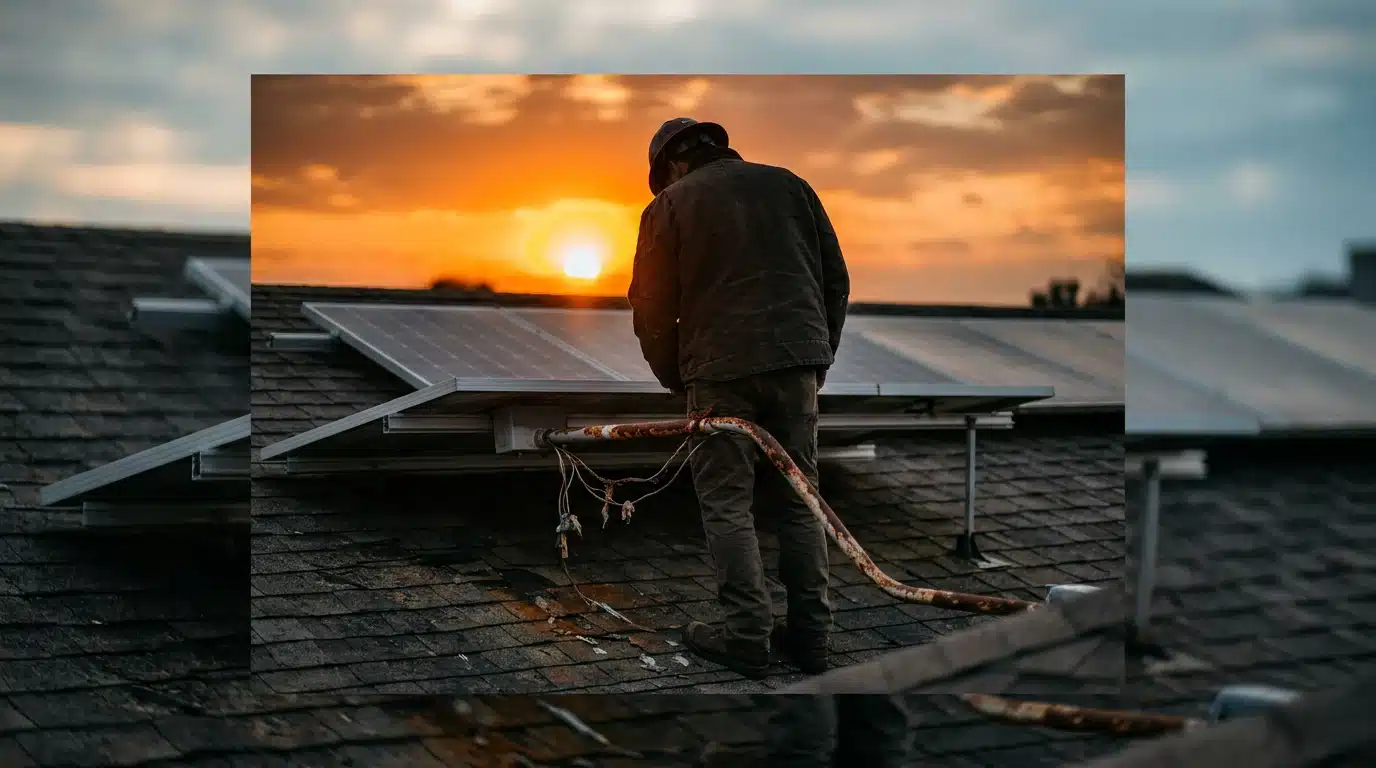
The path to getting a commercial solar project approved is often paved with red tape. Unlike smaller residential setups, commercial installations face intense scrutiny regarding zoning laws, building codes, and environmental regulations. A project can be delayed for months by a single permitting issue. One of the most common hurdles is securing an interconnection agreement with the local utility, which dictates the terms under which your system can connect to the grid.
Failing to engage with experienced professionals who understand the local regulatory environment is a frequent and costly mistake. These experts can anticipate challenges and manage the paperwork, ensuring your project stays on schedule. This isn’t just about compliance; it’s about de-risking the entire investment from the very beginning.
Energy Efficiency: The Unsung Hero (and How Not to Botch It)
Installing solar panels on an inefficient home is like trying to fill a leaky bucket with a high-tech hose. You’re adding a powerful resource, but you’re still losing a huge amount of it through unseen holes. True energy efficiency isn’t about flashy gadgets; it’s the foundational work that ensures every kilowatt your panels generate is put to good use. It’s a critical step toward a solar-powered and greener home.
The biggest error is often a simple one: chasing the wrong improvements. People get excited about expensive, visible upgrades while ignoring the boring but effective basics. This is a classic pitfall in the journey to sustainable living.
Prioritizing Wrong Upgrades: Where to Start for Maximum Impact
Many homeowners immediately look at replacing windows, a costly project with a surprisingly long payback period. What most people miss is the impact of air sealing and insulation. According to the U.S. Department of Energy, air leaks can account for up to 40% of the energy used for heating and cooling a typical home. That’s a massive drain on your resources. Before you price out triple-pane windows, you should conduct a basic home energy audit.
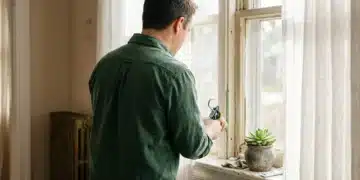
You can perform a simple DIY check yourself. On a windy day, carefully use an incense stick or smoke pen around window frames, electrical outlets, and door frames to spot drafts. Also, visually inspect your attic insulation—if you can see the tops of your ceiling joists, you almost certainly need more. These simple actions can pinpoint where your money is best spent, directly improving the ROI of your future solar system and making your home a better partner in creating a sustainable lifestyle.
The ‘Set It and Forget It’ Trap with Smart Systems
The next common mistake involves modern technology. Smart thermostats and energy monitoring systems are fantastic tools, but they are not magic wands. The “set it and forget it” mentality completely undermines their purpose. Installing a smart thermostat without programming schedules or using its learning features is like buying a cookbook and expecting dinner to appear on the table.
These systems provide data—a constant stream of information about your consumption habits. Are you actually using that data to make changes? The real savings come from actively engaging with the technology to adjust schedules, identify energy hogs, and modify your behavior. Ignoring the data is one of the most common energy efficiency mistakes, turning a powerful tool into little more than a digital clock on the wall. The goal is to evolve with your home’s systems, not just install them.
Integrated Solutions: Avoiding Disconnected Strategies
One of the most common mistakes property owners make is treating solar as a standalone purchase, like buying a new appliance. They install panels on the roof and expect magic, but they ignore the rest of the home’s ecosystem. This disconnected approach is like trying to fill a leaky bucket with water; you’re adding a resource without first plugging the holes. A integrated sustainable lifestyle requires thinking about how all the pieces work together.
The result is often a system that underperforms, leaving owners wondering why their savings aren’t matching the initial sales pitch. You fixed one part of the equation, but the problem was bigger. It’s a classic case of winning a battle but losing the war for energy independence.
The Synergy of Solar and Storage: A Missed Opportunity
Installing solar panels without a battery storage system is a perfect example of a missed connection. Your panels might generate a surplus of electricity during peak sunlight hours, but what happens to that excess energy? Without storage, it gets sent back to the grid, often for a credit that is far less than what you pay to draw power back later. The sun doesn’t shine at night.
A study from the Lawrence Berkeley National Laboratory found that pairing solar with battery storage can increase a household’s solar self-consumption from around 33% to over 76%. For a commercial business like a restaurant that has low daytime but high evening energy needs, this difference is substantial. Without storage, they are essentially giving away valuable energy only to buy it back a few hours later at a premium. Considering the rise of smart batteries, ignoring this synergy is one of the biggest pitfalls in modern residential solar planning.
Beyond Energy: Incorporating Water and Waste Management
A holistic strategy goes far beyond just kilowatts. Your solar array can be the power source for a much wider web of sustainable practices. Think about using that clean energy to power a pump for a rainwater harvesting system or to run an electric vehicle charger. Some homeowners even power electric composters to manage food waste, turning scraps into nutrient-rich soil for their gardens.
This is where the idea of integrating solar beyond just panels becomes a practical reality. For instance, a family in Austin, Texas, combined their 8kW solar system with a greywater recycling unit. The solar panels provided more than enough power to run the pump and filtration system, which in turn cut their municipal water usage by an estimated 41% — a huge saving in a drought-prone area. They didn’t just lower their electric bill; they created a resilient, self-supporting home.
Thinking this way transforms your property from a simple consumer of utilities into a small-scale, efficient ecosystem where outputs from one system become inputs for another.
Your Proactive Path to Solar Success: Key Takeaways
Steering clear of the common solar pitfalls ultimately comes down to diligent preparation. The underrated factor here is viewing your solar project not as a simple purchase, but as a long-term investment in your property’s energy ecosystem. Reports from the National Renewable Energy Laboratory (NREL) suggest that homeowners who pair their installation with energy efficiency audits see performance gains of up to 15% over initial projections. It’s a significant boost that comes from planning, not just from panels.
This shift in perspective is everything. Think of it less like buying a new television and more like planning a full kitchen remodel—it demands a clear blueprint and an understanding of how you’ll use the space for years to come. A successful project requires exploring expert strategies for energy independence and treating it as a core component of your home’s infrastructure. What most people miss is that the best systems are designed around your actual consumption habits.
Your journey begins with knowledge, not a sales quote.
By doing your homework and consulting with qualified professionals, you can confidently move forward. For those just starting out, understanding your first steps to a greener home provides a solid foundation before you ever speak to an installer. The path to solar success is paved with smart questions and a holistic view of your energy goals.
Beyond Avoiding Mistakes: Are You Designing Your Energy Future?
Navigating the pitfalls of a solar installation is a key first step, but it’s only part of the story. The ultimate goal isn’t just to avoid a bad outcome, but to proactively design a resilient energy asset for the decades to come. The technology landscape is evolving rapidly, with advancements in battery storage, vehicle-to-grid (V2G) capabilities, and smart home integration transforming what’s possible. A well-planned system today should not only meet your current needs but also be adaptable to the opportunities of tomorrow. As you move forward, the most important question to ask isn’t just ‘How do I avoid problems?’ but rather, ‘Am I building an energy system that will grow and evolve with me?’
Frequently Asked Questions About Solar Projects
What are the most common mistakes homeowners make when installing solar panels?
The most frequent errors include selecting an installer based solely on the lowest price, which can lead to poor workmanship. Another is improperly sizing the system without considering future energy needs, like an electric vehicle. Finally, many homeowners neglect basic maintenance, assuming panels are a ‘set and forget’ technology, which can lead to performance loss over time.
How can businesses avoid financial losses with commercial solar projects?
Businesses can prevent losses by performing rigorous financial due diligence beyond the initial quote. This means accurately modeling the system’s return on investment while accounting for panel degradation, maintenance costs, and complex tax incentives like MACRS depreciation. A failure to project the total cost of ownership over 25+ years is a primary cause of financial disappointment.
Is it better to focus on energy efficiency before installing solar?
Absolutely. Improving energy efficiency first is a important step. By sealing air leaks, adding insulation, and upgrading inefficient appliances, you lower your property’s overall energy consumption. This allows you to install a smaller, less expensive solar system that will more effectively meet your reduced energy needs, maximizing your return on investment.
What questions should I ask a solar installer to avoid future problems?
To vet an installer, ask for their license numbers and proof of insurance. Inquire about their certifications, especially from NABCEP. Request a portfolio of local installations and contact information for recent customers. You should also clarify the warranty details for both the equipment and their workmanship, and ask them to walk you through their process for permitting and interconnection.
How do I ensure my solar system is properly maintained to prevent issues?
Proper maintenance involves a few key steps. Periodically clean your panels to remove dust and debris that can block sunlight. Regularly check your system’s monitoring software to spot any unusual drops in energy production. It’s also wise to schedule a professional inspection every few years to check electrical connections, racking, and inverter health to prevent small issues from becoming major problems.