Master Smart Thermostat Schedules for 15% HVAC Energy Savings by 2026
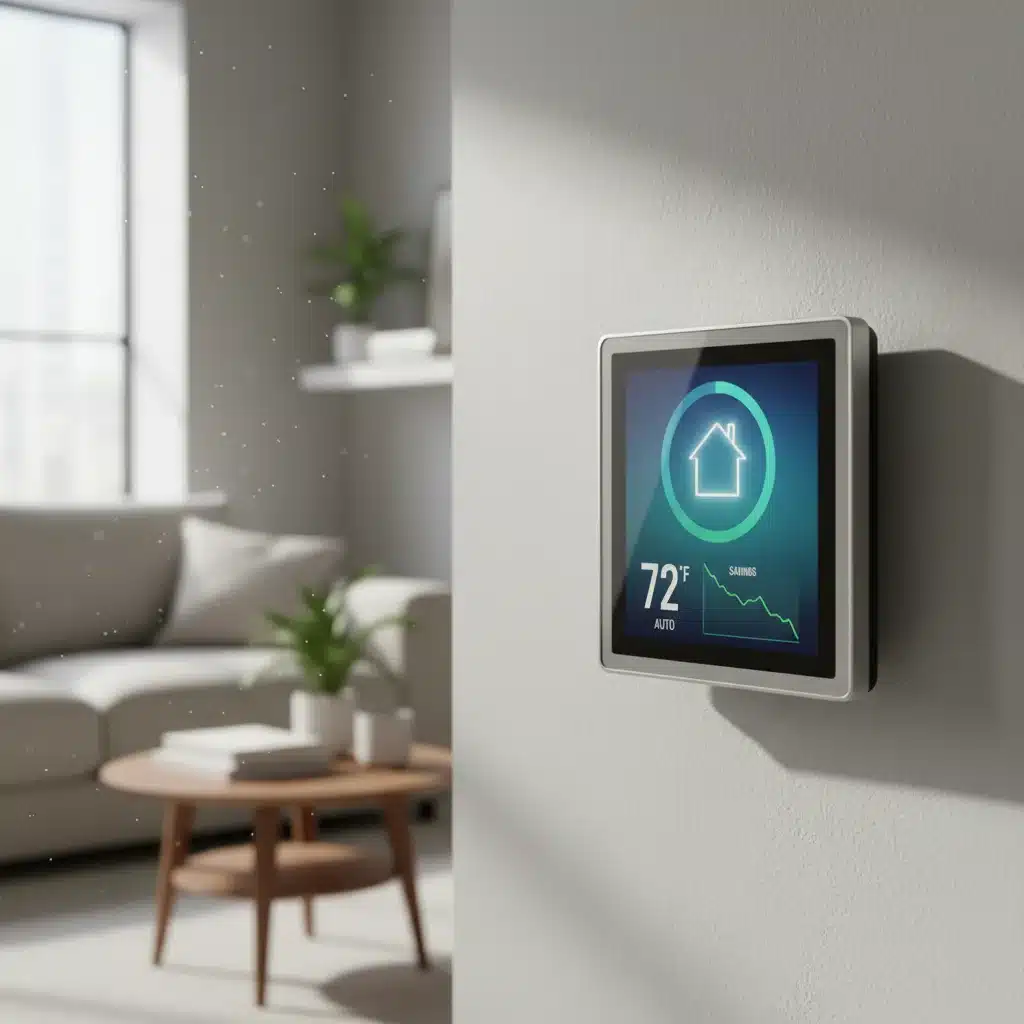
Master Smart Thermostat Schedules for 15% HVAC Energy Savings by 2026
In an era where energy costs are continually rising and environmental consciousness is paramount, optimizing your home’s energy consumption is no longer just a trend—it’s a necessity. Among the most significant contributors to household energy expenditure is your Heating, Ventilation, and Air Conditioning (HVAC) system. Fortunately, advancements in smart home technology offer powerful solutions. By strategically leveraging smart thermostats and their scheduling capabilities, homeowners can achieve substantial HVAC energy savings, with projections indicating up to a 15% reduction in utility bills by 2026. This comprehensive guide will delve into the intricacies of smart thermostat scheduling, providing you with actionable strategies to maximize efficiency, enhance comfort, and contribute to a more sustainable future.
The Power of Smart Thermostats in Achieving HVAC Energy Savings
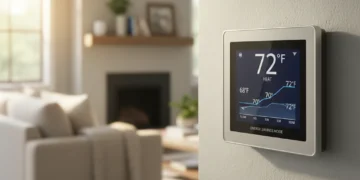
Gone are the days of simple on-off switches and rudimentary temperature dials. Modern smart thermostats are sophisticated devices designed to learn your habits, adapt to your preferences, and integrate seamlessly with other smart home systems. Their core value proposition lies in their ability to precisely control your HVAC system, ensuring that you’re only heating or cooling your home when necessary, thereby unlocking significant HVAC energy savings.
Unlike traditional programmable thermostats that often require manual adjustments or complex programming, smart thermostats simplify the process. Many models offer intuitive mobile apps, voice control integration, and even geofencing capabilities that detect when you’re home or away. This level of control translates directly into reduced energy waste, as your system isn’t running full blast when no one is there to enjoy the comfort.
The potential for 15% HVAC energy savings by 2026 is not an arbitrary figure. It’s based on the cumulative impact of widespread adoption of these technologies and the continuous improvement in their algorithms and features. As more homes embrace smart thermostat technology, the collective reduction in energy demand will be substantial, benefiting both individual homeowners and the broader energy grid.
Understanding Your HVAC System and Energy Consumption
Before diving into specific scheduling strategies, it’s crucial to understand how your HVAC system consumes energy. Heating and cooling typically account for the largest portion of a home’s energy bill—often between 40% and 60%. Factors influencing this consumption include:
- Outdoor Temperature: The greater the difference between indoor and outdoor temperatures, the more energy your system needs to maintain your desired comfort level.
- Insulation and Air Sealing: A well-insulated and properly air-sealed home retains conditioned air more effectively, reducing the workload on your HVAC system.
- System Efficiency: Older or poorly maintained HVAC units are inherently less efficient than newer, high-SEER (Seasonal Energy Efficiency Ratio) models.
- Occupancy Patterns: When and how often people are home significantly impacts when heating or cooling is truly needed.
- Personal Comfort Preferences: Some individuals prefer warmer indoor temperatures in winter and cooler in summer, which can increase energy usage.
A smart thermostat helps you manage these variables more effectively. By analyzing your home’s unique characteristics and your family’s routine, it can create a tailored schedule that addresses these factors, directly contributing to substantial HVAC energy savings.
Key Strategies for Optimizing Smart Thermostat Schedules
Optimizing your smart thermostat schedule involves a combination of understanding your habits, leveraging the thermostat’s features, and making informed adjustments. Here are the core strategies:
1. Establish a Baseline and Monitor Usage
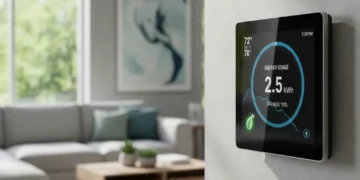
Before making drastic changes, understand your current energy consumption. Many smart thermostats provide detailed energy reports, showing usage patterns over days, weeks, or months. This baseline data is invaluable for tracking your HVAC energy savings. Identify peak usage times and compare them against your family’s actual presence in the home. This initial analysis will highlight opportunities for improvement.
2. Implement Setback Temperatures
One of the most effective ways to achieve HVAC energy savings is by implementing setback temperatures. This means adjusting the thermostat to a less extreme temperature when you’re away or asleep. For heating, this implies lowering the temperature; for cooling, raising it. The U.S. Department of Energy suggests that you can save as much as 10% a year on heating and cooling by simply turning your thermostat back 7°-10°F for 8 hours a day from its normal setting.
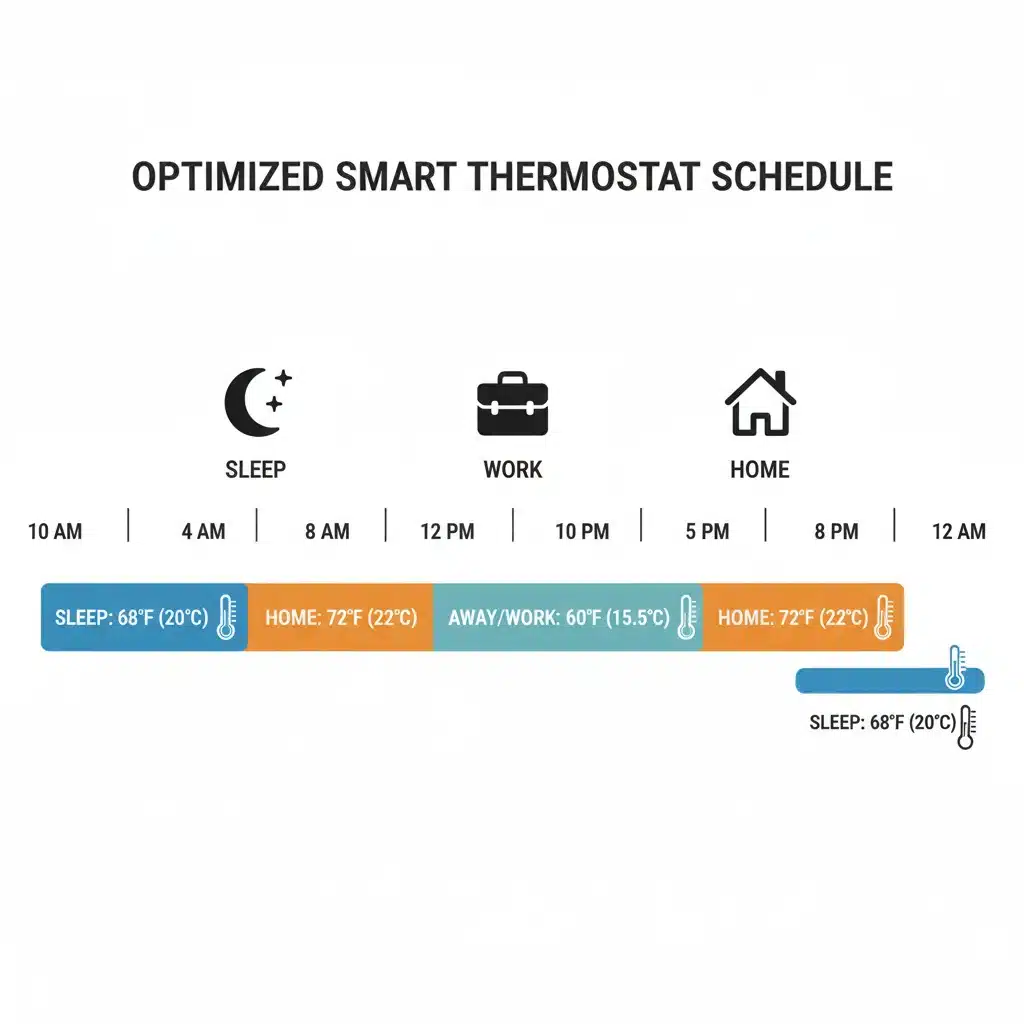
- When Away: Set your thermostat back 7-10 degrees Fahrenheit from your preferred comfort setting. For example, if you like 72°F in winter, set it to 62-65°F when you leave for work. In summer, if you prefer 75°F, set it to 82-85°F.
- During Sleep: Similarly, adjust temperatures for sleeping hours. Many find slightly cooler temperatures conducive to better sleep in winter (e.g., 65-68°F) and slightly warmer in summer (e.g., 78-80°F).
The key is to find a balance where the energy saved during the setback period outweighs the energy needed to bring the home back to your desired comfort temperature. Smart thermostats excel here, as they can ‘learn’ how long it takes to reach a specific temperature and begin conditioning the air preemptively.
3. Leverage Geofencing and Occupancy Sensors
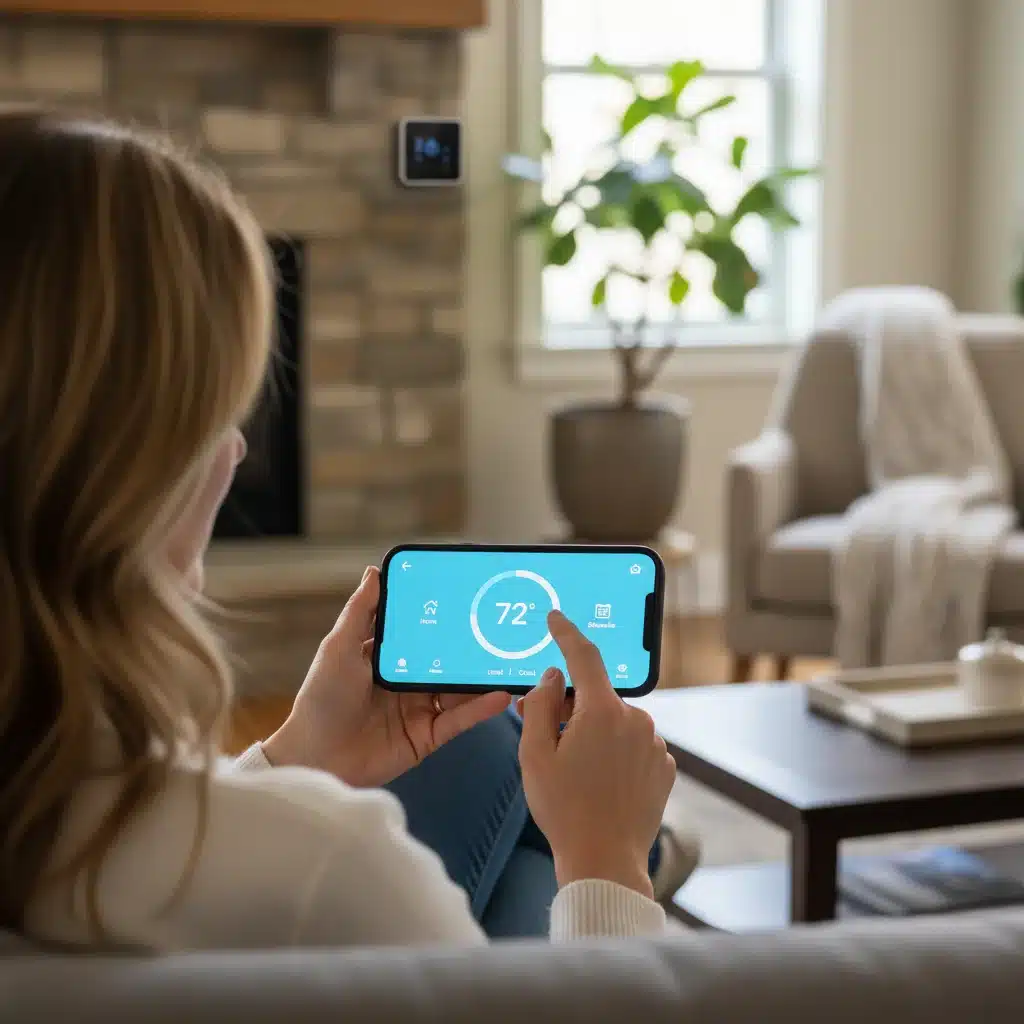
Many advanced smart thermostats offer geofencing, which uses your smartphone’s location to detect when you’re approaching or leaving your home. When you leave a defined geofence, the thermostat can automatically adjust to an energy-saving setback temperature. As you return, it can begin to warm or cool your home to your preferred comfort setting before you even walk through the door. This ensures comfort upon arrival while maximizing HVAC energy savings when the house is empty.
Some smart thermostats also incorporate occupancy sensors, either built-in or as external accessories. These sensors detect actual presence in a room or zone, further refining temperature control. If a room remains unoccupied for an extended period, the system can adjust the temperature in that specific zone, preventing unnecessary heating or cooling.
4. Create Dynamic Daily and Weekly Schedules
A static schedule might work for some, but a dynamic schedule that accounts for weekdays, weekends, and even specific events can significantly boost your HVAC energy savings. Consider the following:
- Weekday Schedule: Program setback temperatures for when everyone is at work or school. Schedule the system to begin returning to your comfort temperature about 30-60 minutes before the first person arrives home.
- Weekend Schedule: Weekends often have different routines. You might be home more or have different sleep patterns. Adjust your schedule accordingly, perhaps maintaining comfort temperatures for longer periods during the day but still implementing nighttime setbacks.
- Vacation Mode: Most smart thermostats have a vacation or ‘away’ mode. Utilize this feature when you’re gone for extended periods. It will maintain a minimal temperature (e.g., 50-55°F in winter to prevent pipes from freezing, or 85-90°F in summer to prevent excessive humidity and mold growth) with maximum HVAC energy savings.
5. Optimize for Seasonal Changes
Your thermostat schedule shouldn’t be a ‘set it and forget it’ affair for the entire year. As seasons change, so do your heating and cooling needs. Review and adjust your schedules at the beginning of each heating and cooling season. What works in a mild spring might be inefficient in the peak of summer or winter. Many smart thermostats offer seasonal adjustments or even ‘auto-schedule’ features that learn and adapt over time.
6. Integrate with Other Smart Home Devices
The true power of smart thermostats is often unleashed when integrated with other smart home devices. For example:
- Smart Blinds/Shades: Integrate with smart blinds that automatically close during the hottest part of the day in summer to block solar gain, reducing the load on your AC. In winter, they can open to allow passive solar heating.
- Smart Lighting: While less direct, ensuring lights are off when rooms are unoccupied can subtly reduce heat gain, especially with incandescent bulbs.
- Weather Forecasts: Many smart thermostats can access local weather forecasts, allowing them to pre-heat or pre-cool your home based on anticipated temperature changes, optimizing efficiency and comfort.
Advanced Tips for Maximizing HVAC Energy Savings
1. Understand Your Home’s Thermal Characteristics
Every home is different. Some homes have excellent insulation, while others are older and leak air. Pay attention to how quickly your home heats up or cools down. This will inform how aggressively you can implement setback temperatures and how much recovery time your system needs. A home with good insulation can sustain a setback for longer without becoming uncomfortable or requiring excessive energy to recover.
2. Utilize Smart Thermostat Learning Capabilities
Many premium smart thermostats boast ‘learning’ capabilities. They observe your manual adjustments, occupancy patterns, and preferred temperatures over time, then automatically build an optimized schedule. While this can be incredibly convenient, it’s still wise to review the generated schedule periodically to ensure it aligns with your actual needs and continues to deliver maximum HVAC energy savings.
3. Consider Zoned HVAC Systems
For larger homes or homes with distinct areas of usage, a zoned HVAC system combined with multiple smart thermostats (or a single smart thermostat managing multiple zones) can provide even greater HVAC energy savings. This allows you to heat or cool only the occupied areas of your home to your desired comfort level, leaving unoccupied zones at energy-saving temperatures.
4. Regular HVAC Maintenance
While not directly a scheduling tip, regular maintenance of your HVAC system is crucial for efficiency. A well-maintained system runs more smoothly, consumes less energy, and lasts longer. Schedule annual professional tune-ups for both your heating and cooling systems. Change air filters monthly or as recommended by the manufacturer. A clogged filter restricts airflow, forcing your system to work harder and consume more energy, negating your smart thermostat’s efforts to achieve HVAC energy savings.
5. Be Mindful of Manual Overrides
Smart thermostats are designed to learn and optimize, but frequent manual overrides can disrupt their effectiveness. If you find yourself constantly overriding the schedule, it’s a sign that your schedule needs adjustment. Instead of making a one-off change, go into the app and modify the schedule permanently to reflect your actual needs. This ensures that the system continues to work towards your HVAC energy savings goals.
6. Understand ‘Smart’ Features vs. ‘Energy Saving’ Features
Not all smart features directly translate to energy savings. For example, some smart thermostats offer fancy displays or integration with entertainment systems. While these are convenient, focus on features that directly impact energy consumption: precise scheduling, learning algorithms, geofencing, multi-zone control, and energy reporting. Prioritizing these will lead to tangible HVAC energy savings.
Measuring Your Progress Towards 15% HVAC Energy Savings
How do you know if your efforts are paying off? Measuring your progress is essential. Most smart thermostats provide detailed energy usage reports, often broken down by day, week, or month. Look for trends. Are your energy bills decreasing? Are your peak usage times shifting? Compare your current bills to those from previous years, taking into account weather variations.
Many utility companies also offer online portals where you can track your energy consumption. Some even provide comparisons to similar homes in your area, giving you a benchmark for your HVAC energy savings performance. Don’t get discouraged if you don’t hit 15% immediately. It’s a journey of continuous optimization. Even a 5-10% reduction is significant and contributes to both your wallet and the environment.
The Future of HVAC Energy Savings: Beyond 2026
The pursuit of HVAC energy savings doesn’t stop at 2026. The technology is constantly evolving. We can anticipate even more sophisticated features in the coming years:
- Predictive Analytics: Deeper integration with hyper-local weather data, grid demand, and even individual user biometric data to predict comfort needs and optimize energy use proactively.
- AI-Driven Self-Optimization: Thermostats that don’t just learn but actively predict and adapt to complex scenarios, making micro-adjustments for optimal comfort and efficiency without user input.
- Seamless Grid Integration: Smart thermostats will play a larger role in demand response programs, allowing utilities to make small, imperceptible adjustments to your home’s temperature during peak demand, rewarding you for participation and contributing to grid stability.
- Advanced Sensor Networks: More granular environmental sensing throughout the home, including air quality, humidity, and radiant temperature, allowing for even more precise and personalized comfort zones.
By staying informed about these advancements and continually refining your smart thermostat usage, you’ll be well-positioned to continue maximizing your HVAC energy savings long into the future.
Conclusion: A Smarter Path to Sustainable Comfort and Savings
Achieving significant HVAC energy savings, up to 15% by 2026, is an attainable goal for any homeowner willing to embrace the power of smart thermostat technology. By understanding your home’s energy dynamics, implementing strategic setback schedules, leveraging advanced features like geofencing and learning algorithms, and maintaining your HVAC system, you can dramatically reduce your energy consumption and utility bills.
The journey to optimized home comfort and energy efficiency is ongoing. It requires a proactive approach, regular review of your schedules, and a willingness to adapt as your needs or technology evolve. The investment in a smart thermostat and the effort in optimizing its schedule will not only yield substantial financial returns but also contribute to a greener planet, making your home a beacon of sustainable living. Start today, and take control of your home’s energy future, realizing tangible HVAC energy savings one smart schedule at a time.