Boost Home Energy Efficiency: 7 Upgrades for 15% Savings by 2027
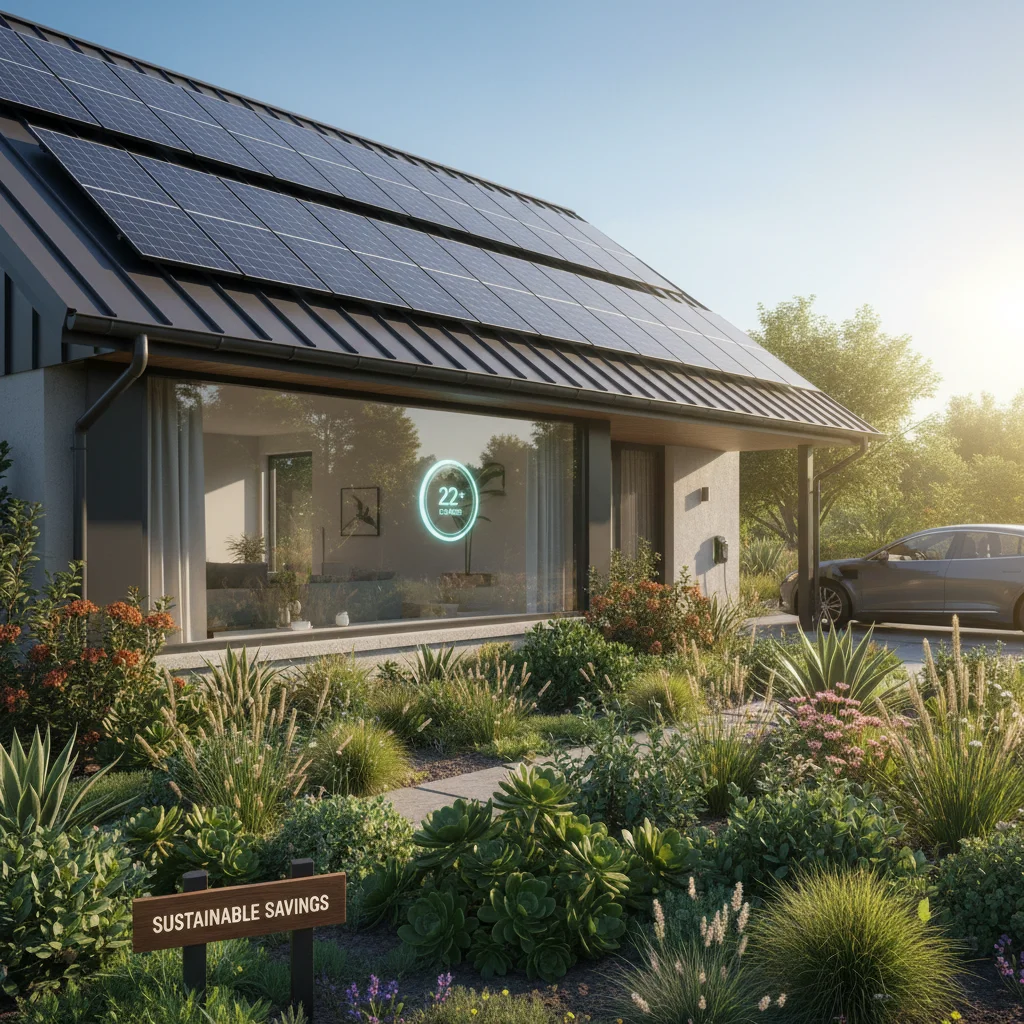
Maximize Your Home’s Energy Efficiency: 7 Smart Upgrades for a 15% Reduction in Utility Bills by 2027
In an era where environmental consciousness and financial prudence are paramount, optimizing your home’s home energy efficiency isn’t just a trend; it’s a necessity. The rising cost of utilities, coupled with a growing awareness of our carbon footprint, makes investing in energy-saving solutions a wise decision for every homeowner. Imagine cutting your utility bills by a significant 15% within the next few years – a goal that is not only achievable but also comes with a myriad of benefits, from increased home comfort to a healthier planet.
This comprehensive guide delves into seven smart upgrades that can dramatically enhance your home’s home energy efficiency. We’re not just talking about minor adjustments; these are strategic, impactful improvements designed to deliver measurable savings and long-term value. By focusing on these key areas, you can transform your home into an energy-saving sanctuary, contributing to a sustainable future while enjoying a more comfortable and cost-effective living environment.
The journey to a more energy-efficient home begins with understanding where your energy goes. Heating and cooling often account for the largest portion of household energy consumption, followed by water heating, lighting, and appliances. Addressing these major energy drains with targeted upgrades is the most effective way to achieve substantial reductions in your utility expenses. Our goal is to provide you with practical, actionable steps that empower you to take control of your energy consumption and enjoy the financial and environmental rewards.
1. Enhance Insulation and Seal Air Leaks: The Foundation of Home Energy Efficiency
One of the most impactful and often overlooked aspects of home energy efficiency is proper insulation and airtightness. Think of your home as a giant cooler in summer and a thermos in winter; effective insulation maintains the desired temperature inside, preventing heat from escaping in colder months and entering in warmer ones. Air leaks, on the other hand, are like holes in your cooler or thermos, allowing conditioned air to escape and unconditioned air to infiltrate, forcing your HVAC system to work harder.
The Power of Proper Insulation
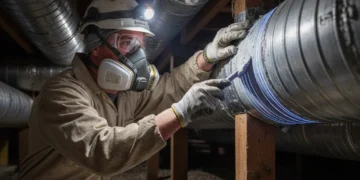
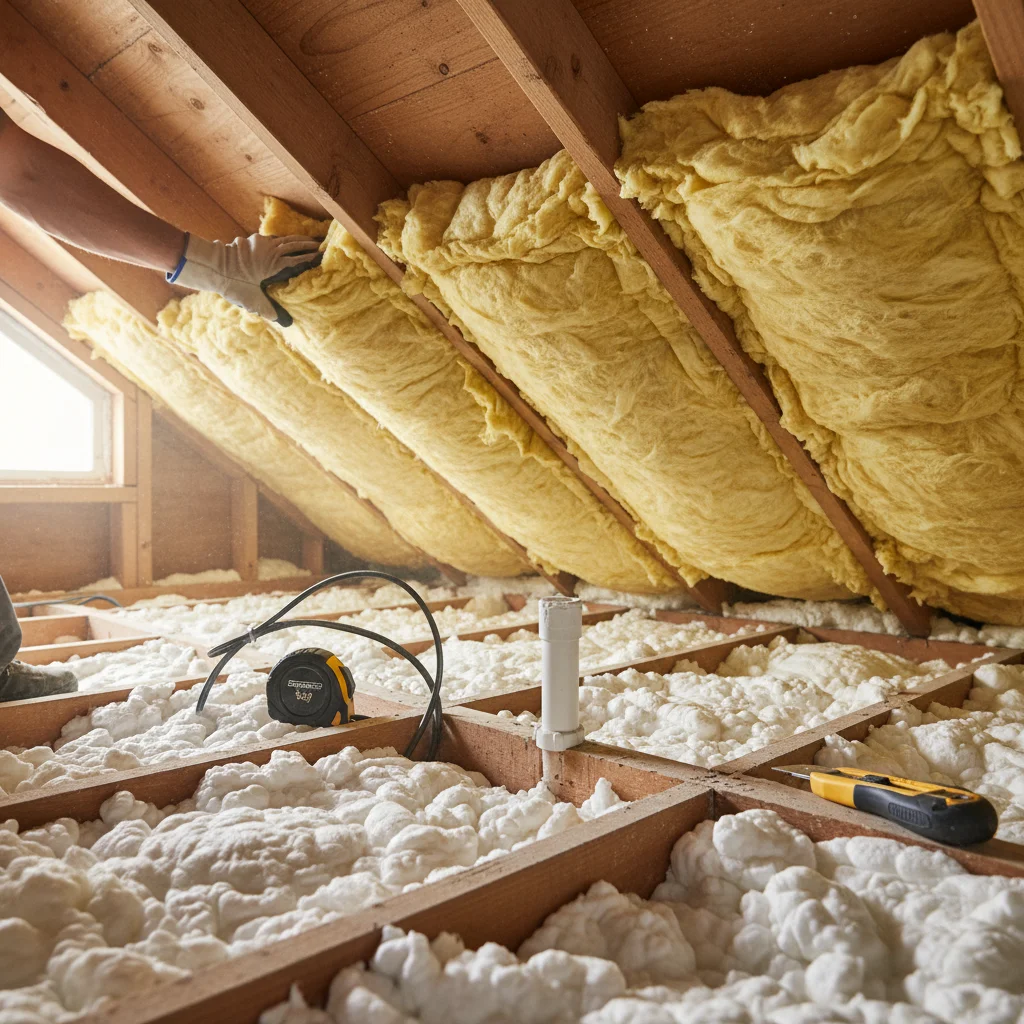
Upgrading your insulation, especially in the attic, walls, and crawl spaces, can lead to significant energy savings. The R-value, which measures thermal resistance, is crucial here. Higher R-values indicate better insulating properties. Many older homes have insufficient insulation, making them prone to significant heat loss or gain. For instance, increasing attic insulation from an R-value of 19 to R-38 or R-49 can dramatically improve your home’s thermal envelope. Common insulation materials include fiberglass, cellulose, and spray foam, each with its own benefits and ideal applications. Spray foam, while often more expensive, offers excellent air-sealing properties in addition to insulation.
Sealing the Deal: Tackling Air Leaks
Even with excellent insulation, air leaks can undermine your efforts. These hidden culprits often occur around windows and doors, plumbing penetrations, electrical outlets, and where different building materials meet. Identifying and sealing these leaks is a relatively inexpensive but highly effective way to boost your home energy efficiency. Use caulk for gaps less than a quarter-inch wide and weatherstripping for movable components like windows and doors. For larger gaps, expanding foam sealants are ideal. A professional energy audit can pinpoint these elusive leaks using tools like blower doors and thermal cameras, providing a clear roadmap for improvement.
By addressing both insulation and air sealing, you create a robust barrier against external temperatures, reducing the strain on your heating and cooling systems and directly impacting your utility bills. This foundational step is often the most cost-effective way to kickstart your journey towards a more energy-efficient home.
2. Install a Smart Thermostat: Intelligent Climate Control for Optimal Savings
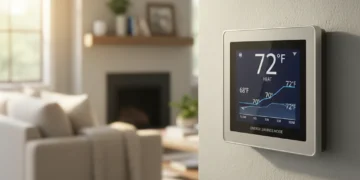
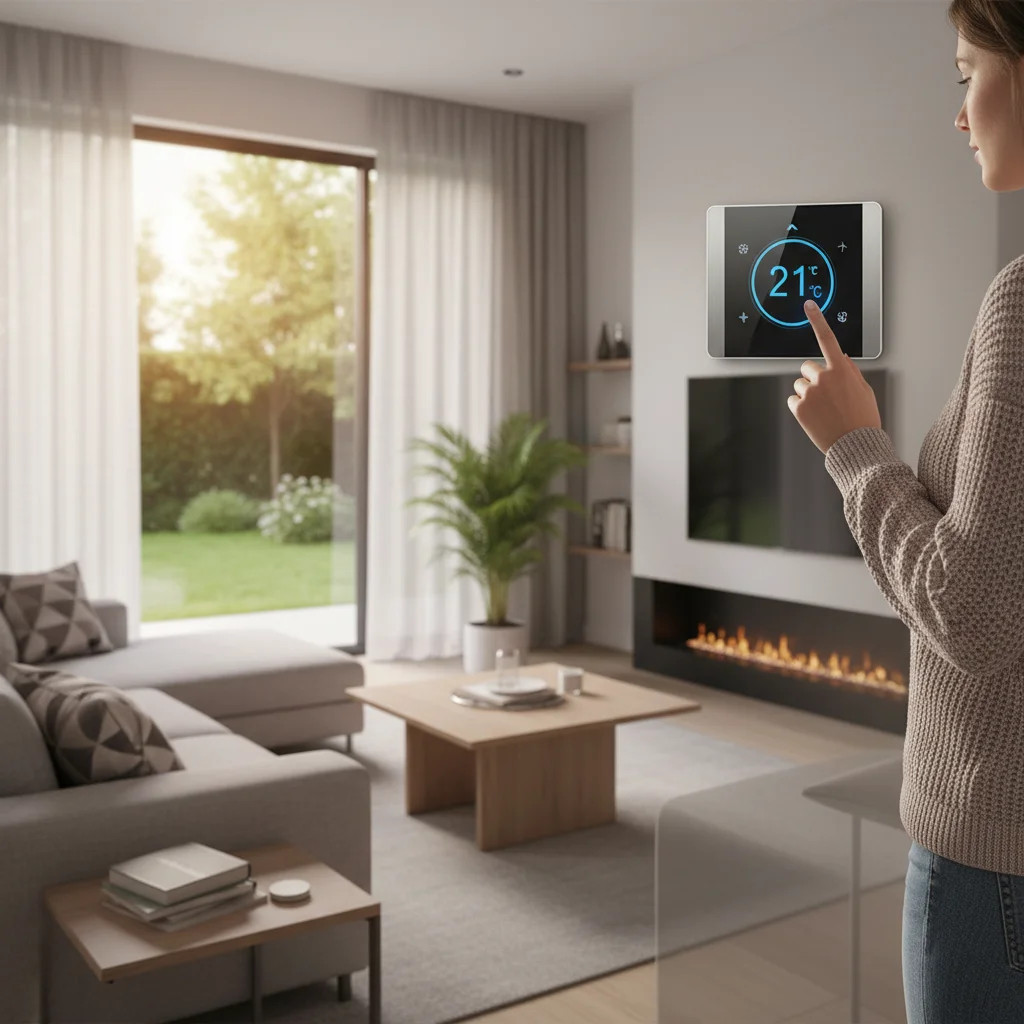
Gone are the days of manually adjusting your thermostat several times a day. Smart thermostats represent a significant leap forward in managing your home’s climate control, offering convenience, precision, and substantial energy savings. These devices learn your preferences, adapt to your schedule, and can be controlled remotely, making them an indispensable tool for enhancing home energy efficiency.
Learning Your Habits and Optimizing Schedules
Modern smart thermostats, such as those from Nest, Ecobee, or Honeywell Home, utilize advanced algorithms to learn your daily routines and temperature preferences. Over time, they can automatically create an optimized heating and cooling schedule that minimizes energy waste without sacrificing comfort. For example, they can lower the temperature when you’re away at work and raise it just before you return, ensuring your home is comfortable precisely when you need it to be.
Remote Control and Zoned Systems
The ability to control your thermostat from anywhere via a smartphone app is a game-changer. Forgot to adjust the temperature before leaving for vacation? No problem. Want to warm up the house on your way home? A few taps on your phone are all it takes. This remote accessibility prevents unnecessary energy consumption, especially during unexpected changes in your schedule. For larger homes, integrating a smart thermostat with a zoned HVAC system allows for even greater control, enabling you to heat or cool only the occupied areas, further maximizing home energy efficiency.
Energy Reports and Integration
Many smart thermostats provide detailed energy usage reports, offering insights into your consumption patterns and suggesting ways to save more. They can also integrate with other smart home devices, creating a cohesive and automated ecosystem. For example, some models can detect when you’re home or away using geofencing technology or integrate with smart lighting to create a truly energy-optimized living space. The initial investment in a smart thermostat is quickly recouped through the consistent savings on your energy bills, making it a smart and sustainable upgrade.
3. Upgrade to Energy-Efficient Windows and Doors: Blocking the Elements
Windows and doors are often weak points in a home’s thermal envelope, allowing a significant amount of heat to escape or enter. Upgrading to energy-efficient models can drastically reduce this energy transfer, making your home more comfortable and contributing greatly to your overall home energy efficiency. This is particularly true for older homes with single-pane windows or poorly sealed doors.
The Benefits of High-Performance Windows
Modern energy-efficient windows feature multiple panes of glass (double or triple-pane), often filled with inert gases like argon or krypton between the panes to improve insulation. They also incorporate low-emissivity (Low-E) coatings that reflect heat, keeping interiors cooler in summer and warmer in winter. The U-factor, which measures how well a window prevents heat from escaping, and the Solar Heat Gain Coefficient (SHGC), which measures how much solar radiation passes through, are key metrics to consider. Lower U-factor and SHGC values generally indicate better energy performance. Replacing old, drafty windows with ENERGY STAR certified models can lead to substantial savings on heating and cooling costs, in addition to reducing noise pollution and increasing natural light.
Securing Your Entryways with Energy-Efficient Doors
Just like windows, doors can be a major source of energy loss. Older doors, especially those made of solid wood without proper insulation, can be highly inefficient. Upgrading to energy-efficient doors, such as those made from fiberglass or steel with an insulated core, can make a big difference. Look for doors with good weatherstripping and a tight seal when closed. A well-insulated door, properly installed and sealed, prevents drafts and maintains a consistent indoor temperature, enhancing your home’s home energy efficiency and comfort.
While the initial cost of replacing windows and doors can be higher than some other upgrades, the long-term savings on utility bills, combined with improved home comfort and aesthetics, make it a worthwhile investment. Many utility companies and government programs offer rebates or tax credits for installing ENERGY STAR certified products, further sweetening the deal.
4. Invest in High-Efficiency HVAC Systems: The Heart of Your Home’s Climate
Your heating, ventilation, and air conditioning (HVAC) system is arguably the largest energy consumer in your home. If your system is old, inefficient, or improperly sized, it could be costing you a fortune in energy bills. Upgrading to a high-efficiency HVAC system is a significant investment that pays dividends in terms of reduced energy consumption and improved indoor comfort, directly boosting your home energy efficiency.
Evaluating Your Current HVAC System
First, consider the age of your current system. Furnaces typically last 15-20 years, and air conditioners 10-15 years. If your system is approaching or has exceeded these lifespans, it’s likely operating inefficiently. Look for the Seasonal Energy Efficiency Ratio (SEER) for air conditioners and heat pumps, and Annual Fuel Utilization Efficiency (AFUE) for furnaces. Higher SEER and AFUE ratings indicate greater efficiency.
Modern High-Efficiency Options
Today’s market offers a range of high-efficiency HVAC options. ENERGY STAR certified furnaces and air conditioners can be significantly more efficient than older models. Heat pumps, which can both heat and cool, are particularly efficient in moderate climates as they transfer heat rather than generating it. Geothermal heat pumps, while having a higher upfront cost, offer the highest efficiency by leveraging the stable temperature of the earth. Ductless mini-split systems are another excellent option for zoned heating and cooling, allowing you to condition individual rooms or areas without the energy losses associated with ductwork.
Proper sizing of your HVAC system is also crucial. An oversized system will cycle on and off too frequently, leading to inefficient operation and reduced dehumidification. An undersized system will struggle to maintain desired temperatures, running constantly and consuming excessive energy. Consulting with a qualified HVAC professional to assess your home’s needs and recommend the appropriate system is essential for maximizing home energy efficiency and ensuring optimal performance.
5. Embrace LED Lighting: Brightness with Minimal Consumption
Lighting might seem like a minor contributor to overall energy consumption compared to HVAC, but collectively, outdated lighting can add up. The shift from incandescent bulbs to LED (Light Emitting Diode) technology represents one of the simplest yet most effective ways to improve your home’s home energy efficiency, offering immediate savings and long-term benefits.
The Unmatched Efficiency of LEDs
LEDs are remarkably more energy-efficient than traditional incandescent bulbs, using up to 90% less energy to produce the same amount of light. They also far surpass the efficiency of compact fluorescent lamps (CFLs). This drastic reduction in energy consumption translates directly into lower electricity bills. Beyond energy savings, LEDs boast an incredibly long lifespan, often lasting 25,000 hours or more, which is 25 times longer than incandescent bulbs. This means less frequent bulb replacements and reduced maintenance costs.
Versatility and Smart Lighting Integration
LEDs come in a wide array of shapes, sizes, and color temperatures, making them suitable for virtually any lighting application in your home, from ambient lighting to task lighting and decorative fixtures. They also produce very little heat, which can further reduce cooling loads in your home. Furthermore, many LED lighting systems can be integrated with smart home platforms, allowing for dimming, color changing, and scheduling capabilities through apps or voice control. This smart integration provides even greater control over your lighting, enabling you to optimize usage and further enhance your home energy efficiency. Switching out all your incandescent bulbs for LEDs is a quick and relatively inexpensive upgrade that offers a rapid return on investment and contributes significantly to your home’s overall energy profile.
6. Consider Solar Panels: Harnessing Renewable Energy
For homeowners looking to make a substantial and long-term impact on their home energy efficiency and reduce their reliance on grid electricity, installing solar panels is an increasingly attractive option. While the initial investment is higher than other upgrades, the benefits – including significant utility bill reductions, potential energy independence, and environmental stewardship – are compelling.
The Benefits of Solar Energy
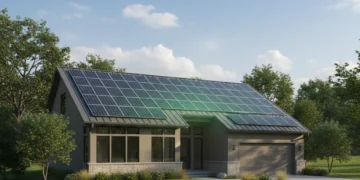
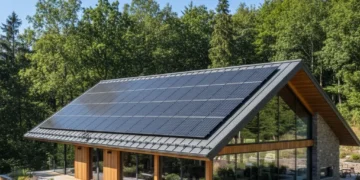
Solar photovoltaic (PV) panels convert sunlight directly into electricity, providing a clean, renewable energy source for your home. By generating your own power, you can dramatically reduce or even eliminate your monthly electricity bills. In many regions, net metering policies allow you to sell excess electricity back to the grid, potentially earning credits or payments from your utility company. This can lead to substantial long-term savings and even a positive cash flow from your energy system.
Financial Incentives and Environmental Impact
The cost of solar panel installation has decreased significantly over the past decade, making it more accessible than ever. Various financial incentives, such as federal tax credits, state rebates, and local programs, can further offset the upfront cost, making the return on investment even more appealing. Beyond financial benefits, choosing solar power drastically reduces your carbon footprint, contributing to a cleaner environment and combating climate change. It’s a powerful statement of commitment to sustainable living and a major boost to your home’s home energy efficiency profile.
Before committing to solar, it’s crucial to assess your home’s suitability (roof orientation, shading, structural integrity) and consult with reputable solar installers. They can provide a detailed analysis of your energy needs, system size requirements, and potential savings, ensuring you make an informed decision that aligns with your financial and environmental goals.
7. Upgrade to Energy-Efficient Appliances: Smart Choices for Everyday Savings
Appliances are integral to our daily lives, from refrigerators and dishwashers to washing machines and ovens. While individual appliances might not consume as much energy as your HVAC system, cumulatively, they can account for a significant portion of your electricity bill. Upgrading to ENERGY STAR certified appliances is a straightforward way to enhance your home energy efficiency and achieve noticeable savings.
Understanding ENERGY STAR Ratings
The ENERGY STAR label is a government-backed symbol for energy efficiency. Products that earn the label meet strict energy efficiency guidelines set by the U.S. Environmental Protection Agency (EPA) and U.S. Department of Energy (DOE). When shopping for new appliances, prioritize those with the ENERGY STAR certification. These appliances are designed to use less energy without compromising performance or features.
Key Appliances for Upgrade
- Refrigerators: Newer models are significantly more efficient than those from even a decade ago. Look for features like improved insulation, efficient compressors, and smart temperature management.
- Dishwashers: ENERGY STAR dishwashers use less hot water and electricity, thanks to advanced wash cycles and improved water delivery systems.
- Washing Machines: High-efficiency (HE) washing machines use less water and energy, often featuring advanced spin cycles that extract more water, reducing drying time.
- Water Heaters: This is a major energy consumer. Consider upgrading to a tankless water heater, a heat pump water heater, or a solar water heater for substantial savings. Heat pump water heaters, in particular, are highly efficient as they move heat rather than generating it.
- Ovens and Ranges: While less dramatic than other appliances, some modern ovens offer features like convection cooking and improved insulation that can save energy.
The initial cost of energy-efficient appliances might be slightly higher, but the long-term savings on your utility bills, combined with enhanced performance and reduced environmental impact, make them a smart investment. As your old appliances wear out, prioritize replacing them with ENERGY STAR certified models to continually improve your home’s home energy efficiency profile.
The Long-Term Benefits of Enhanced Home Energy Efficiency
Implementing these seven smart upgrades goes far beyond simply reducing your utility bills by 15% by 2027. The benefits of enhanced home energy efficiency are multifaceted, impacting your wallet, your comfort, and the environment.
Financial Savings and Increased Home Value
The most immediate and tangible benefit is the significant reduction in your monthly energy expenses. Over time, these savings can amount to thousands of dollars, effectively paying for the upgrades themselves. Moreover, an energy-efficient home is a more valuable home. Potential buyers are increasingly looking for properties with lower operating costs and a smaller environmental footprint, making your investment in energy efficiency a smart move for future resale value.
Improved Comfort and Indoor Air Quality
A well-insulated and air-sealed home with efficient windows and a smart HVAC system is inherently more comfortable. You’ll experience fewer drafts, more consistent temperatures throughout your living spaces, and reduced noise from outside. Furthermore, better insulation and air sealing can help prevent moisture intrusion, reducing the risk of mold and improving overall indoor air quality, leading to a healthier living environment for you and your family.
Environmental Impact and Sustainability
Perhaps the most profound benefit of improving your home energy efficiency is your contribution to environmental sustainability. By consuming less energy, especially from fossil fuel-based sources, you reduce your carbon footprint and help combat climate change. Embracing renewable energy sources like solar panels further amplifies this positive impact, positioning your home as a model of responsible resource consumption. Every kilowatt-hour saved is a step towards a greener, more sustainable future.
Starting Your Home Energy Efficiency Journey
Embarking on the path to a more energy-efficient home can seem daunting, but it doesn’t have to be. Start with a home energy audit to identify the most critical areas for improvement. This professional assessment will provide a tailored roadmap, prioritizing upgrades based on their potential impact and cost-effectiveness. You don’t have to implement all seven upgrades at once; even tackling one or two can yield noticeable results.
Many utility companies offer incentives, rebates, and financing options for energy efficiency upgrades. Research local and federal programs, such as tax credits for solar installations or energy-efficient appliance purchases, to help offset the upfront costs. Consider a phased approach, tackling the most impactful and affordable upgrades first, then gradually moving on to larger investments.
Remember, achieving a 15% reduction in utility bills by 2027 is an ambitious but entirely attainable goal. With careful planning, strategic investments, and a commitment to sustainable living, you can transform your home into an energy-efficient haven, enjoying lower bills, enhanced comfort, and the satisfaction of contributing to a healthier planet. The future of home energy efficiency is in your hands, and the time to act is now.