Achieving 23% Conversion Rates: Innovations in Commercial Solar Panel Efficiency by 2026
The Dawn of a New Era: Achieving 23% Commercial Solar Panel Efficiency by 2026
The global energy landscape is undergoing a profound transformation, driven by an urgent need for sustainable solutions and a relentless pursuit of efficiency. At the forefront of this revolution is solar energy, a clean, abundant, and increasingly cost-effective power source. For commercial entities, the appeal of solar power is particularly strong, offering not only environmental benefits but also significant operational cost savings and enhanced energy independence. The exciting news is that the industry is on the cusp of a major breakthrough: achieving 23% commercial solar efficiency conversion rates by 2026. This milestone represents a significant leap forward, promising to redefine how businesses harness the sun’s power.
For years, the efficiency of commercial solar panels has been a critical factor in their widespread adoption. Higher efficiency means more electricity generated from a smaller footprint, making solar viable for a broader range of commercial properties, from sprawling warehouses to urban office buildings with limited roof space. This article will delve into the innovations driving this efficiency surge, explore the technologies making 23% commercial solar efficiency a reality, and discuss the profound implications for businesses, the economy, and the environment.
Understanding Commercial Solar Efficiency: What Does 23% Really Mean?
Before we dive into the ‘how,’ let’s clarify the ‘what.’ When we talk about commercial solar efficiency, we are referring to the percentage of sunlight that a solar panel can convert into usable electricity. For decades, the average efficiency of commercially available silicon solar panels hovered around 15-18%. While respectable, this left considerable room for improvement. A jump to 23% commercial solar efficiency signifies that nearly a quarter of the solar energy hitting the panel is being converted into electricity. This seemingly small percentage increase translates into substantial gains in energy output per square meter, reducing the number of panels required for a given energy demand and ultimately lowering the overall cost of solar installations.
This increased efficiency is not merely an incremental improvement; it’s a foundational shift. It means:
- Greater Energy Yield: More power generated from the same amount of sunlight.
- Reduced Footprint: Less space needed to achieve desired energy production, crucial for urban and space-constrained commercial sites.
- Lower Installation Costs: Fewer panels, racking, and associated electrical components often lead to reduced labor and material costs.
- Faster ROI: Quicker payback periods for commercial solar investments due to higher energy generation.
- Enhanced Competitiveness: Solar becomes an even more attractive alternative to traditional energy sources.
The pursuit of higher commercial solar efficiency is a multifaceted endeavor, involving advancements in material science, manufacturing processes, cell architecture, and system integration. The 23% benchmark by 2026 is a testament to the relentless innovation within the photovoltaic industry.
Key Technological Innovations Driving 23% Commercial Solar Efficiency
The journey to 23% commercial solar efficiency is paved with groundbreaking technological advancements. Several key areas are converging to make this ambitious goal a reality:
1. Perovskite Solar Cells and Tandem Architectures
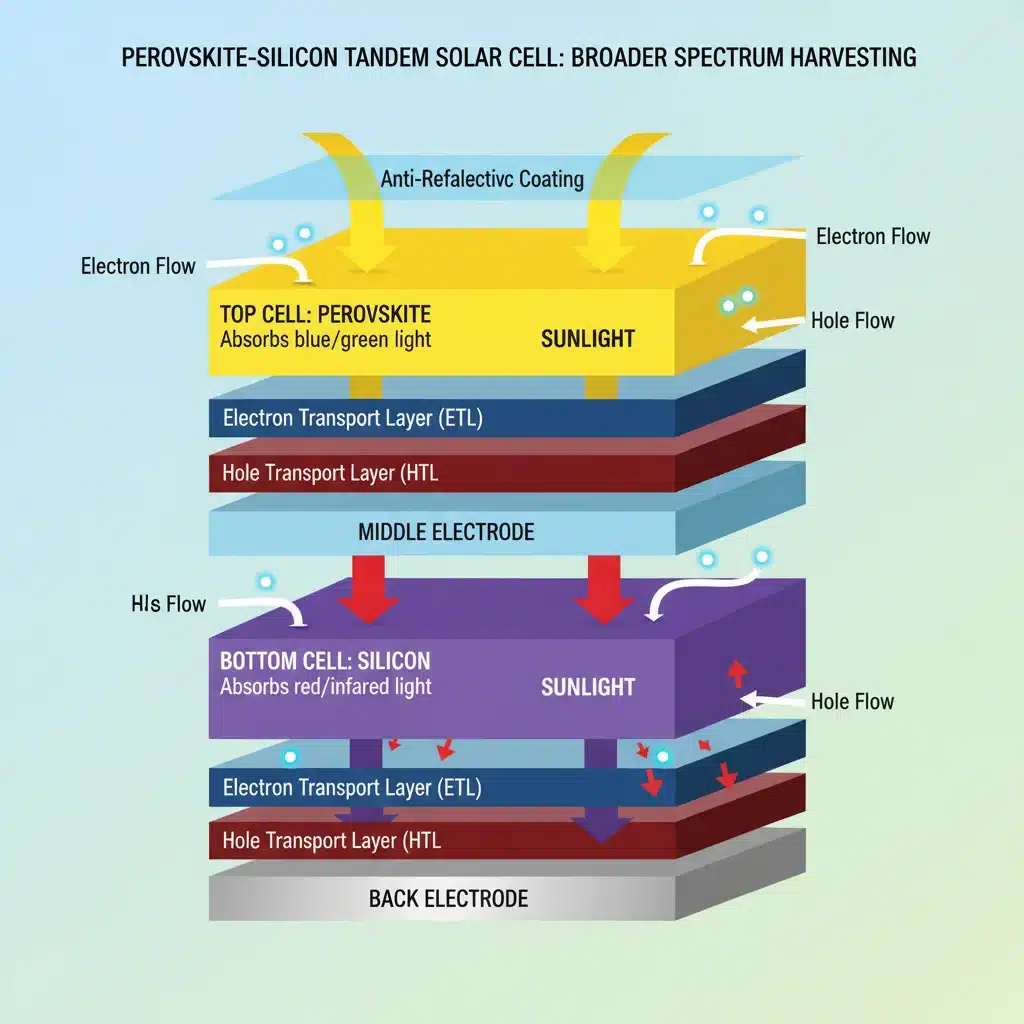
One of the most exciting developments in solar technology is the emergence of perovskite solar cells. These materials have demonstrated remarkable efficiency in laboratory settings, often exceeding silicon’s capabilities. Their ability to absorb different parts of the solar spectrum compared to silicon makes them ideal candidates for "tandem" solar cells. A tandem cell combines a perovskite layer with a traditional silicon layer, creating a multi-junction device that can capture a broader range of the sun’s light, significantly boosting overall efficiency.
Research and development in perovskite-silicon tandem cells are progressing rapidly, with prototypes already achieving efficiencies well over 25% in controlled environments. By 2026, the industrialization and scaling of these tandem cells are expected to bring panels with 23% commercial solar efficiency to the market, offering a powerful new option for businesses.
2. Advanced Monocrystalline Silicon Technologies (TOPCon and HJT)
While perovskites are promising, traditional crystalline silicon technology is far from stagnant. Innovations in monocrystalline silicon, particularly Tunnel Oxide Passivated Contact (TOPCon) and Heterojunction Technology (HJT) cells, are pushing the boundaries of what silicon alone can achieve. These technologies improve passivation (reducing electron recombination) and optimize charge collection, leading to significant efficiency gains.
- TOPCon Cells: These cells feature an ultra-thin tunnel oxide layer and a doped polysilicon layer, which effectively passivate the silicon surface, minimizing energy losses and allowing for higher voltages and currents. Many manufacturers are already achieving efficiencies close to 22-23% with TOPCon in mass production.
- HJT Cells: Heterojunction technology combines the advantages of crystalline silicon and amorphous silicon thin-film technologies. This creates a highly efficient cell structure with excellent performance at high temperatures and low light conditions, further contributing to higher overall energy yield and commercial solar efficiency.
Both TOPCon and HJT are mature enough to be scaled economically, making them strong contenders for widespread adoption in commercial solar installations aiming for 23% efficiency by 2026.
3. Improved Module Design and Packaging
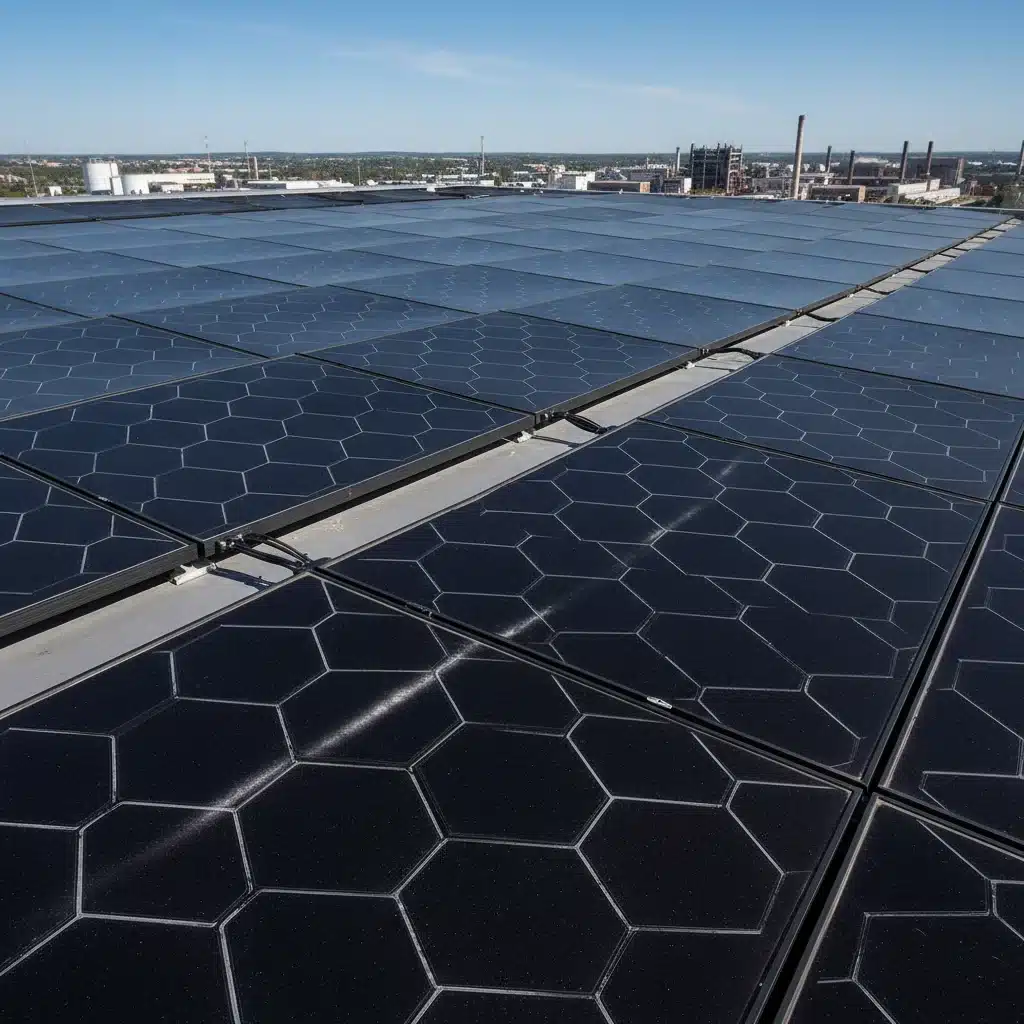
It’s not just about the cells; the entire solar module design plays a crucial role in overall commercial solar efficiency. Innovations in module packaging, such as bifacial panels (which capture sunlight from both sides), half-cut cells (reducing resistive losses), and gapless cell layouts (maximizing active surface area), are contributing to higher power output per module. Furthermore, advanced encapsulation materials are improving durability and reducing degradation rates, ensuring that the high efficiency is maintained over the panel’s lifespan.
4. Quantum Dots and Concentrated Photovoltaics (CPV)
While perhaps not as mainstream for general commercial rooftops, quantum dots and concentrated photovoltaics (CPV) are niche technologies pushing the extreme limits of solar efficiency. Quantum dots can convert high-energy photons into lower-energy photons more efficiently absorbed by silicon cells, potentially enhancing efficiency. CPV systems use lenses or mirrors to focus sunlight onto small, highly efficient multi-junction solar cells. While typically requiring direct sunlight and tracking systems, advancements in CPV could find applications in large-scale commercial solar farms where space is less of a constraint and maximum energy density is desired.
The Economic and Environmental Impact of 23% Commercial Solar Efficiency
The achievement of 23% commercial solar efficiency by 2026 is not just a technical triumph; it has profound economic and environmental implications for businesses and the planet.
Economic Benefits for Businesses:
- Reduced Energy Costs: Higher efficiency means more electricity generated for self-consumption, significantly lowering or even eliminating monthly utility bills. This provides long-term budgetary stability against fluctuating energy prices.
- Faster Return on Investment (ROI): With increased energy production, the payback period for commercial solar installations becomes shorter, making the investment more attractive.
- Enhanced Property Value: Buildings equipped with high-efficiency solar systems often see an increase in property value and marketability.
- Competitive Advantage: Businesses that embrace solar can market their commitment to sustainability, attracting environmentally conscious customers and talent.
- Eligibility for Incentives: Many governments and local authorities offer tax credits, rebates, and grants for solar installations, further improving financial viability. High-efficiency systems often qualify for better incentives.
- Energy Independence: Reducing reliance on the grid provides businesses with greater control over their energy supply, mitigating risks associated with power outages and grid instability.
Environmental Impact:
- Significant Carbon Emission Reduction: Generating more electricity from the same footprint means a greater reduction in reliance on fossil fuels, directly contributing to lower greenhouse gas emissions.
- Smaller Land Footprint: For large-scale commercial solar projects, higher efficiency panels mean less land is needed to achieve desired energy output, preserving natural habitats and agricultural land.
- Resource Conservation: While solar panel manufacturing requires resources, increased efficiency means fewer panels are needed over time to meet global energy demand, leading to a more efficient use of raw materials.
- Contribution to Renewable Energy Goals: The widespread adoption of high-efficiency commercial solar solutions accelerates the transition to a global renewable energy economy, helping countries meet their climate targets.
Challenges and the Path Forward
While the outlook for 23% commercial solar efficiency is overwhelmingly positive, there are still challenges to address:
- Cost-Effectiveness at Scale: Bringing cutting-edge technologies like perovskite tandems from the lab to mass production at an economically viable cost is a significant hurdle. However, historical trends in solar panel manufacturing suggest that economies of scale will drive down costs rapidly.
- Durability and Longevity: New materials and cell architectures must demonstrate the same, if not better, long-term durability and reliability as existing silicon panels, which typically come with 25-30 year performance warranties.
- Supply Chain Optimization: Ensuring a robust and ethical supply chain for new materials and components will be crucial for widespread adoption.
- Integration with Smart Grids: As commercial solar efficiency increases, so does the potential for distributed energy generation. Seamless integration with smart grid technologies, energy storage solutions, and demand-side management systems will be vital to maximize the benefits of this increased efficiency.
Addressing these challenges requires continued investment in R&D, supportive government policies, and strong collaboration across the industry. The rapid pace of innovation, however, gives us strong confidence that these obstacles will be overcome.
The Future of Commercial Solar: Beyond 23% Efficiency
Reaching 23% commercial solar efficiency by 2026 is a significant milestone, but it’s by no means the finish line. The relentless pursuit of even higher efficiencies continues. Researchers are already exploring:
- Even More Advanced Tandem Cells: Stacking three or more different light-absorbing materials to capture an even broader spectrum of sunlight.
- Transparent Solar Cells: Integrating solar technology into windows and building facades without obstructing views, turning entire buildings into energy generators.
- Flexible and Lightweight Solar Panels: Opening up new applications for solar power on unconventional surfaces and lightweight structures.
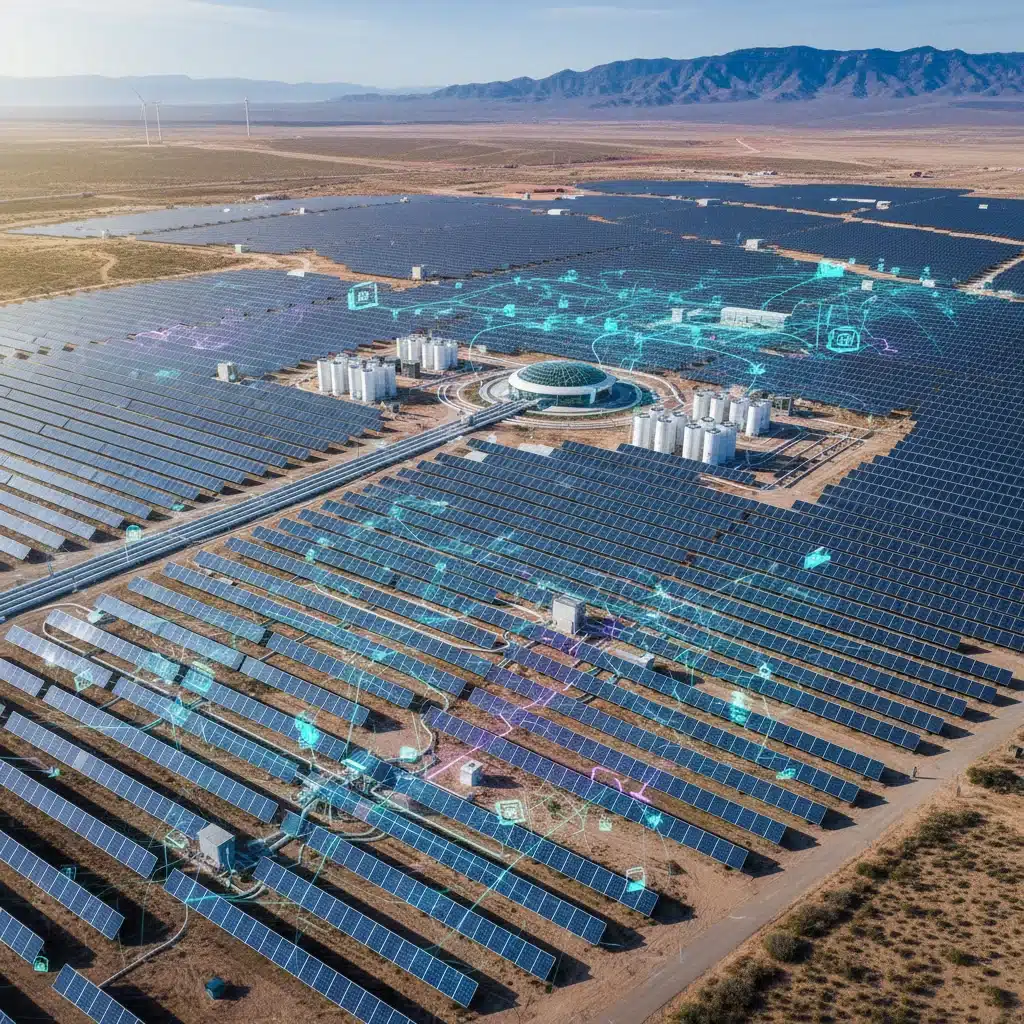
- AI and Machine Learning in Solar Operations: Optimizing panel placement, predicting energy output, and managing grid integration with unprecedented precision.
These future innovations promise to further democratize solar energy, making it accessible and efficient in virtually every application. The current trajectory suggests that solar will continue to be a cornerstone of the global energy mix, with efficiency gains being a primary driver.
Conclusion: A Brighter, More Efficient Commercial Future
The prospect of achieving 23% commercial solar efficiency conversion rates by 2026 marks a pivotal moment in the renewable energy sector. This leap in efficiency will empower businesses to reduce operating costs, shrink their carbon footprint, and contribute to a more sustainable future with greater impact than ever before. The confluence of advanced materials, innovative cell architectures, and improved manufacturing processes is creating a powerful synergy that will redefine the economics and environmental benefits of commercial solar power.
For business leaders and policymakers, this is a clear signal: investing in high-efficiency commercial solar is not just an environmental choice, but a strategic economic imperative. As the technology continues to evolve, the sun’s boundless energy will increasingly become the backbone of a resilient, sustainable, and prosperous commercial landscape. The future of energy is here, and it’s shining brighter than ever with high-efficiency commercial solar panels.