Accelerate Commercial Solar: 6-Month Installation in the U.S.
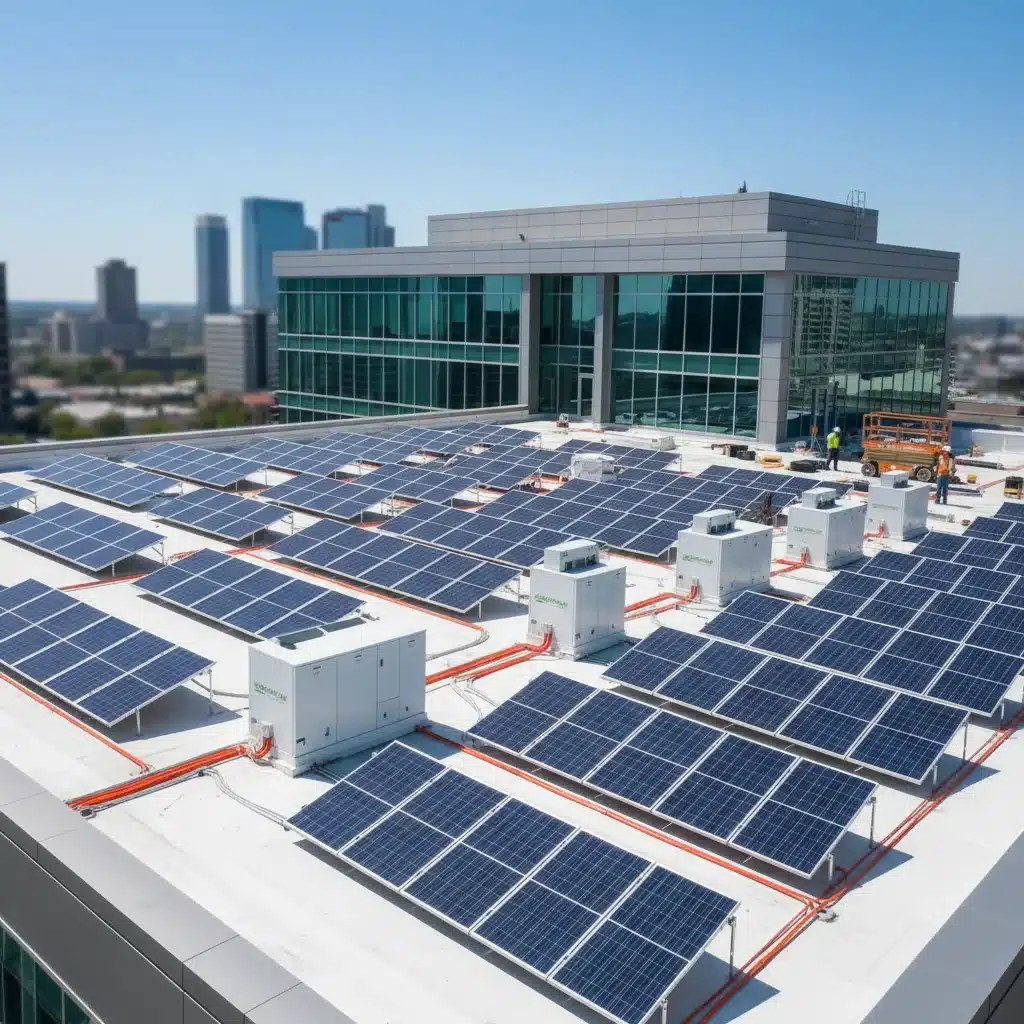
In today’s rapidly evolving energy landscape, businesses are increasingly recognizing the immense value of transitioning to solar power. Not only does it offer significant cost savings on electricity bills, but it also bolsters corporate social responsibility, enhances brand image, and provides long-term energy independence. However, a common misconception that often deters potential adopters is the perceived lengthy and complex commercial solar timeline. Many business owners believe that getting a commercial solar project from conception to full operation is a multi-year endeavor. While some projects can indeed span longer periods, it is entirely possible, with strategic planning and execution, to achieve a fully operational commercial solar installation in the U.S. in under six months.
This comprehensive guide aims to demystify the process, outlining the critical steps and best practices to accelerate your commercial solar timeline. We will delve into every phase, from initial feasibility studies and financing to permitting, procurement, installation, and final commissioning. Our goal is to equip you with the knowledge and actionable insights needed to navigate the complexities efficiently, ensuring your business can start reaping the benefits of clean, renewable energy sooner than you might think.
The urgency to adopt sustainable practices is greater than ever. With rising energy costs, increasing pressure from stakeholders for green initiatives, and a supportive regulatory environment, the time for commercial solar is now. Understanding how to compress the commercial solar timeline is not just about speed; it’s about maximizing return on investment, minimizing disruption, and positioning your business as a leader in sustainability. Let’s embark on this journey to unlock the potential of rapid commercial solar deployment.
Understanding the Commercial Solar Project Lifecycle
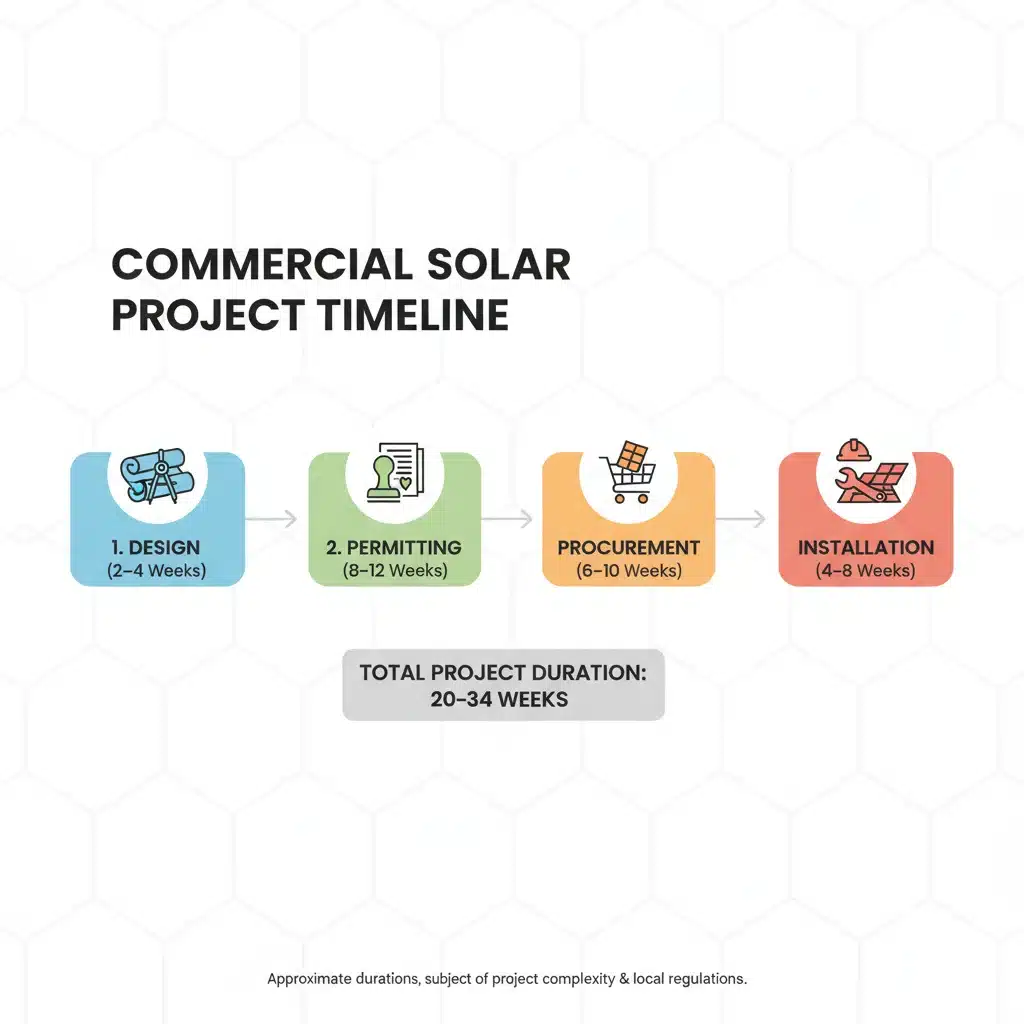
Before we dive into acceleration strategies, it’s crucial to understand the standard phases of a commercial solar project. Each phase has its own set of challenges and opportunities for optimization. By breaking down the process, we can identify bottlenecks and implement solutions to streamline the entire commercial solar timeline.
Phase 1: Initial Assessment and Feasibility (Typically 2-4 Weeks)
This foundational phase involves a preliminary evaluation of your site’s suitability for solar, potential energy savings, and preliminary system design. Key activities include:
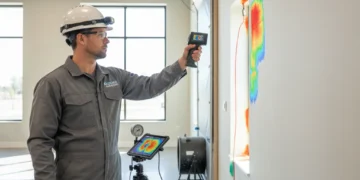
- Site Assessment: Analyzing roof space, shading issues, structural integrity, and electrical infrastructure.
- Energy Consumption Analysis: Reviewing historical energy bills to understand usage patterns and determine appropriate system size.
- Preliminary System Design: Developing an initial layout and estimated energy production.
- Financial Modeling: Estimating project costs, potential savings, and return on investment (ROI).
- Incentive Identification: Researching federal, state, and local incentives, tax credits, and rebates.
To accelerate this phase, engage with experienced solar developers who can quickly provide accurate assessments and leverage advanced software for rapid design and financial projections. Having readily available energy bills and site plans can significantly cut down this initial period.
Phase 2: Financing and Contract Negotiation (Typically 4-8 Weeks)
Once feasibility is established, securing financing is the next critical step. Commercial solar projects can be financed through various mechanisms, including:
- Cash Purchase: Direct upfront payment, offering the highest long-term ROI.
- Solar Loans: Traditional loans from banks or specialized lenders.
- Power Purchase Agreements (PPAs): A third-party owner installs and maintains the system, selling the generated electricity to your business at a fixed rate. This often requires no upfront cost.
- Solar Leases: Similar to PPAs, but you lease the equipment rather than buying the power.
Negotiating contracts with your chosen solar provider and financier is also part of this phase. To expedite, have your financial statements and business plans ready. Explore pre-approved financing options or work with providers who have established relationships with solar-specific lenders. Clearly defined terms and swift legal review are paramount.
Phase 3: Detailed Design and Engineering (Typically 4-6 Weeks)
This phase translates the preliminary design into a detailed, construction-ready plan. It involves:
- Structural Engineering: Ensuring the roof or ground mount can support the solar array’s weight.
- Electrical Engineering: Designing the electrical connections, inverter placement, and grid interconnection points.
- Permit Drawings: Creating detailed blueprints that comply with local building codes and utility requirements.
Working with a solar provider that has in-house engineering capabilities or strong partnerships with experienced engineering firms can significantly shorten this phase. Clear communication between all parties involved is vital to avoid revisions and delays.
Strategies for Accelerating the Commercial Solar Timeline
Now that we understand the typical project phases, let’s explore specific strategies to compress the commercial solar timeline to under six months.
Strategy 1: Proactive Permitting and Interconnection
Permitting and utility interconnection are often cited as the biggest bottlenecks in the commercial solar timeline. Proactive management is key.
- Early Engagement with AHJs and Utilities: Don’t wait until detailed designs are complete. Begin discussions with your local Authority Having Jurisdiction (AHJ) and utility company early in the process. Understand their specific requirements, forms, and review processes. Some utilities offer pre-application meetings that can identify potential issues early.
- Complete and Accurate Submissions: Incomplete or inaccurate permit applications are a primary cause of delays. Ensure all documentation, including engineering drawings, structural analyses, and electrical schematics, are meticulously prepared and meet all local codes and utility standards on the first submission.
- Leverage Expedited Permitting Programs: Some municipalities offer expedited permitting for renewable energy projects. Research if such programs exist in your area and ensure your project qualifies.
- Dedicated Permitting Specialist: A solar developer with a dedicated permitting team or specialist can navigate the bureaucratic landscape more efficiently, understanding local nuances and fostering relationships with key personnel.
- Pre-approved Equipment: Using solar panels and inverters that are already on approved lists for your utility or jurisdiction can speed up the interconnection process.
Strategy 2: Streamlined Procurement and Logistics
Efficient management of equipment sourcing and delivery is crucial for a rapid commercial solar timeline.
- Strategic Supplier Relationships: Partner with solar developers who have established relationships with multiple reputable suppliers. This ensures access to high-quality components and can mitigate supply chain disruptions.
- Early Equipment Ordering: As soon as detailed designs are finalized and financing is secured, place equipment orders. Lead times for some components, especially inverters or specialized racking, can be several weeks.
- Local Warehousing or Just-in-Time Delivery: Depending on the project size, consider providers who can store equipment locally or coordinate just-in-time deliveries to the site to minimize storage costs and potential damage.
- Pre-fabrication: Where possible, pre-fabricating certain components off-site can reduce on-site installation time and improve quality control.
Strategy 3: Efficient Project Management and Installation
The physical installation is where significant time can be saved with meticulous planning and execution.
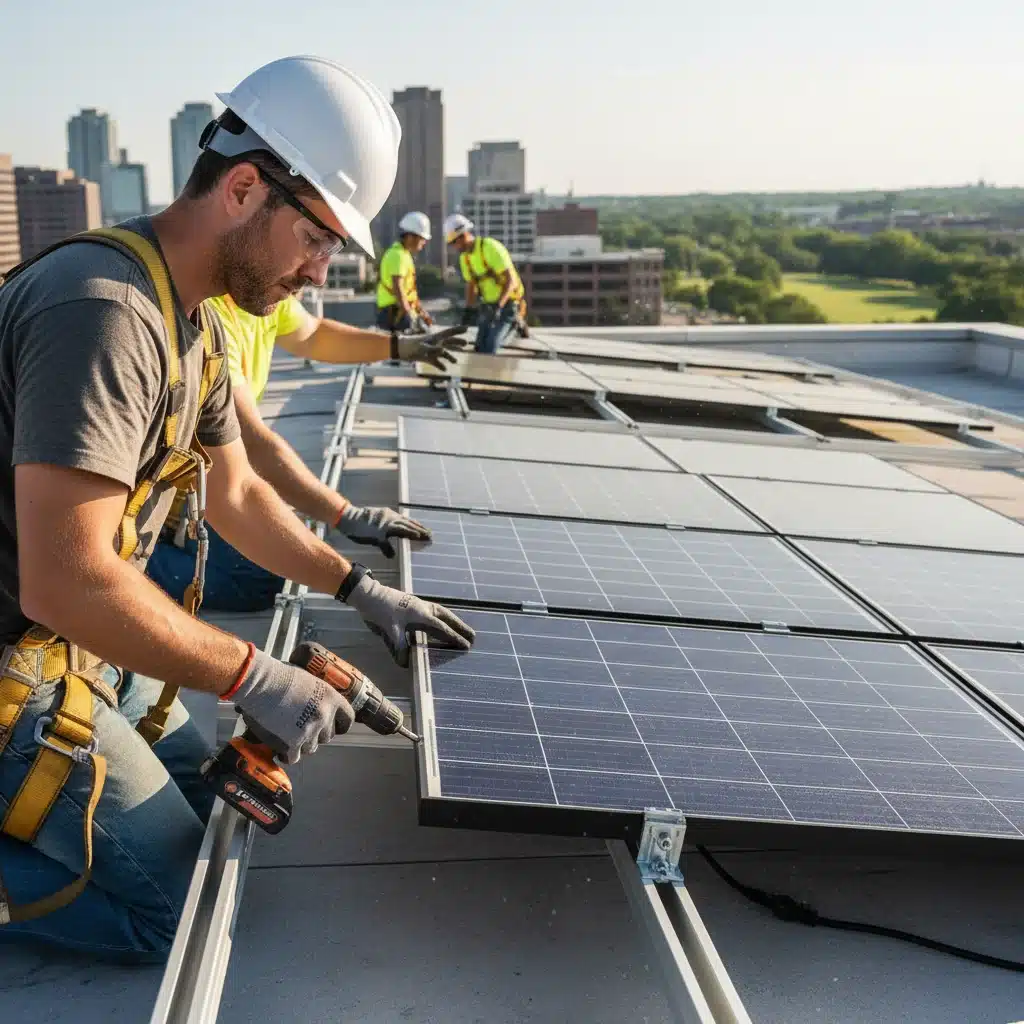
- Experienced Installation Teams: Choose a solar provider with highly experienced and certified installation crews. Their familiarity with commercial-scale projects will translate into faster, safer, and higher-quality work.
- Detailed Project Schedule: A comprehensive project schedule with clear milestones and dependencies is essential. This allows for proactive identification and mitigation of potential delays.
- Site Preparation: Ensure the site is fully prepared before installation begins. This includes clearing obstructions, ensuring safe access, and having necessary equipment (e.g., cranes, lifts) readily available.
- Safety Protocols: While speed is important, safety must never be compromised. Robust safety protocols not only protect workers but also prevent accidents that could cause significant delays.
- Parallel Processing: Where feasible, identify tasks that can be performed concurrently rather than sequentially. For instance, structural upgrades can sometimes happen while electrical designs are being finalized.
- Regular Communication: Maintain open and frequent communication between the project manager, installation crew, client, and any subcontractors. This helps address issues quickly and keeps everyone aligned.
Strategy 4: Leveraging Technology and Innovation
Modern technology plays a pivotal role in accelerating the commercial solar timeline.
- Drone Technology for Site Surveys: Drones can quickly and accurately map sites, collect data for shading analysis, and assess roof conditions, significantly reducing the time for initial assessments.
- Advanced Design Software: Sophisticated CAD and solar design software can automate parts of the design process, optimize layouts for maximum energy production, and generate precise permit drawings faster.
- Building Information Modeling (BIM): For complex commercial structures, BIM can integrate all project data, allowing for better coordination among different trades and reducing design conflicts.
- Modular Solar Systems: Some manufacturers offer modular solar systems that are designed for faster assembly and installation, reducing on-site labor time.
- Remote Monitoring and Diagnostics: While primarily for post-installation, systems with advanced remote monitoring can help identify and resolve issues quickly, ensuring minimal downtime and sustained performance.
Key Factors Influencing the Commercial Solar Timeline
While the strategies above can significantly accelerate projects, several external and internal factors can still influence the overall commercial solar timeline. Understanding these can help in realistic planning and expectation management.
Regulatory and Permitting Environment
The specific regulations and permitting processes vary significantly by state, county, and even city. Some jurisdictions are more solar-friendly with streamlined processes, while others have more rigorous requirements and longer review periods. Researching the local landscape early is crucial.
Utility Interconnection Requirements
Each utility has its own set of technical requirements and review processes for connecting a solar system to the grid. The complexity can depend on the system size, existing grid infrastructure, and the utility’s internal procedures. Engaging with the utility early and having a clear understanding of their requirements is paramount.
Project Size and Complexity
Larger and more complex projects, such as those involving ground mounts, carports, or integration with existing building management systems, naturally require more time for design, engineering, and installation than a standard rooftop system. While a 6-month timeline is ambitious for very large-scale projects, it’s achievable for many commercial installations.
Financing Structure
The chosen financing method can impact the timeline. Cash purchases are generally the fastest as they bypass lender approvals. PPAs and leases involve third-party agreements that add a layer of legal and financial review. Government-backed incentives might also have specific application timelines.
Supply Chain and Equipment Availability
Global supply chain issues, unforeseen demand surges, or specific equipment choices can affect the availability and delivery times of solar panels, inverters, racking, and other components. Working with a provider that has robust supply chain management is a significant advantage.
Client Responsiveness and Decision-Making
The client’s ability to provide necessary information, make timely decisions, and approve designs and contracts quickly can greatly influence the commercial solar timeline. Delays on the client’s side, while understandable, can accumulate and push back project completion.
The Role of a Competent Solar Developer
Choosing the right solar developer is perhaps the single most critical decision for achieving a rapid commercial solar timeline. A competent developer acts as your strategic partner, navigating the complexities and driving the project forward efficiently. Look for a developer who:
- Has a proven track record of successful commercial installations, especially those completed quickly.
- Possesses deep knowledge of local permitting regulations and utility interconnection processes.
- Offers in-house design, engineering, and installation capabilities, or has strong, long-standing partnerships.
- Maintains robust supply chain relationships and can secure equipment efficiently.
- Employs experienced project managers and installation crews.
- Provides transparent communication and proactive problem-solving.
- Offers comprehensive financial guidance and helps secure optimal financing solutions.
Benefits of a Rapid Commercial Solar Deployment
Achieving a sub-six-month commercial solar timeline offers numerous advantages:
- Faster ROI: The sooner your system is operational, the sooner you start generating your own electricity and seeing savings on your utility bills. This accelerates your return on investment.
- Maximized Incentives: Many solar incentives and tax credits have expiration dates or step-downs. Faster deployment ensures you can take full advantage of current favorable programs.
- Reduced Exposure to Energy Price Volatility: By becoming energy independent sooner, your business is less susceptible to fluctuations in grid electricity prices.
- Enhanced Brand Image: Demonstrating a quick and decisive commitment to sustainability can significantly boost your company’s public image and appeal to environmentally conscious customers and investors.
- Operational Efficiency: A shorter project timeline means less disruption to your business operations and quicker integration of the new energy source.
- Competitive Advantage: Being an early adopter of efficient solar technology can provide a competitive edge in your industry.
Case Studies and Real-World Examples
While individual project details are often proprietary, numerous examples across the U.S. demonstrate the feasibility of rapid commercial solar deployment. For instance, many retail chains, warehouses, and manufacturing facilities have successfully transitioned to solar in aggressive timelines, often driven by corporate sustainability goals or expiring tax incentives. These successes are typically attributed to:
- Standardized designs and processes for multi-site deployments.
- Strong relationships with AHJs and utilities cultivated over multiple projects.
- Experienced internal teams or dedicated external development partners.
- Proactive equipment procurement and robust project management.
These examples serve as a testament that with the right approach, a sub-six-month commercial solar timeline is not just an aspiration but an achievable reality for many businesses.
Conclusion: Your Path to Accelerated Commercial Solar
The vision of powering your business with solar energy in under six months is not a pipe dream; it’s a tangible goal achievable through strategic planning, proactive engagement, and the right partnerships. By focusing on streamlined permitting, efficient procurement, expert installation, and leveraging technological advancements, businesses in the U.S. can significantly compress their commercial solar timeline.
Embracing commercial solar is a strategic move that offers long-term financial, environmental, and reputational benefits. Don’t let the perception of lengthy project durations deter you. With a clear understanding of the process and a commitment to efficiency, your business can quickly transition to a cleaner, more sustainable, and more cost-effective energy future. Start your journey today by partnering with a reputable solar developer who shares your vision for rapid deployment and operational excellence. The sun is waiting to power your success.