Ground-Mounted vs. Rooftop Solar: Choosing Your Home’s Best Solar Solution in 2026
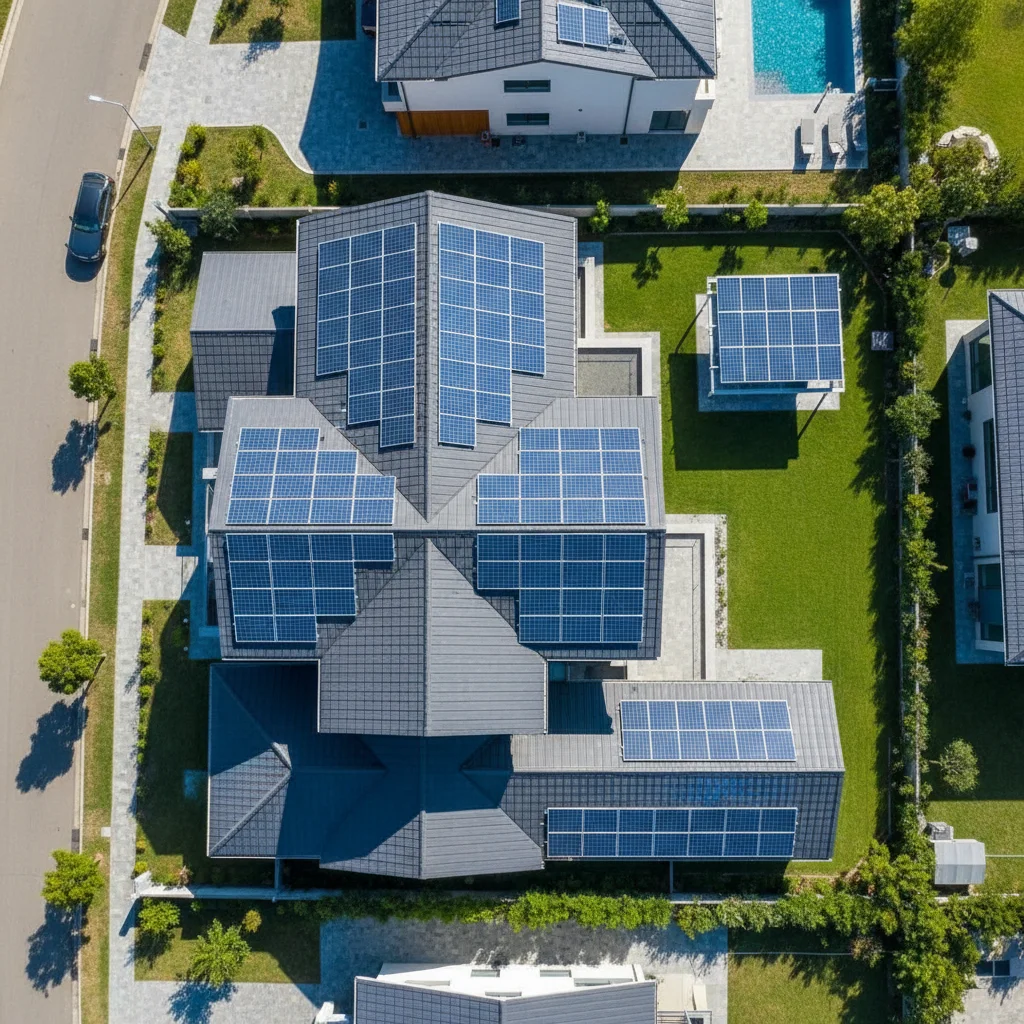
In 2026, the transition to sustainable energy is more pressing and accessible than ever before. Homeowners looking to embrace solar power are faced with a fundamental decision: ground-mounted or rooftop solar? This choice isn’t merely about aesthetics; it profoundly impacts efficiency, cost, installation, and long-term benefits. Making the right home solar choice requires a thorough understanding of both options, tailored to your specific property and energy needs.
This comprehensive guide will delve into the intricacies of ground-mounted versus rooftop solar systems, providing you with the essential information to make an informed decision for your home in 2026. We’ll explore everything from initial investment and installation complexities to energy production, maintenance, and how each option affects your property’s value and curb appeal. By the end, you’ll be equipped to choose the optimal solar solution that aligns with your environmental goals and financial aspirations.
Understanding Rooftop Solar: The Traditional Choice
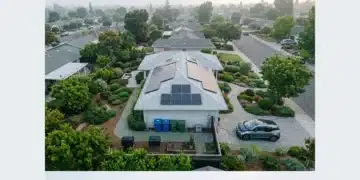
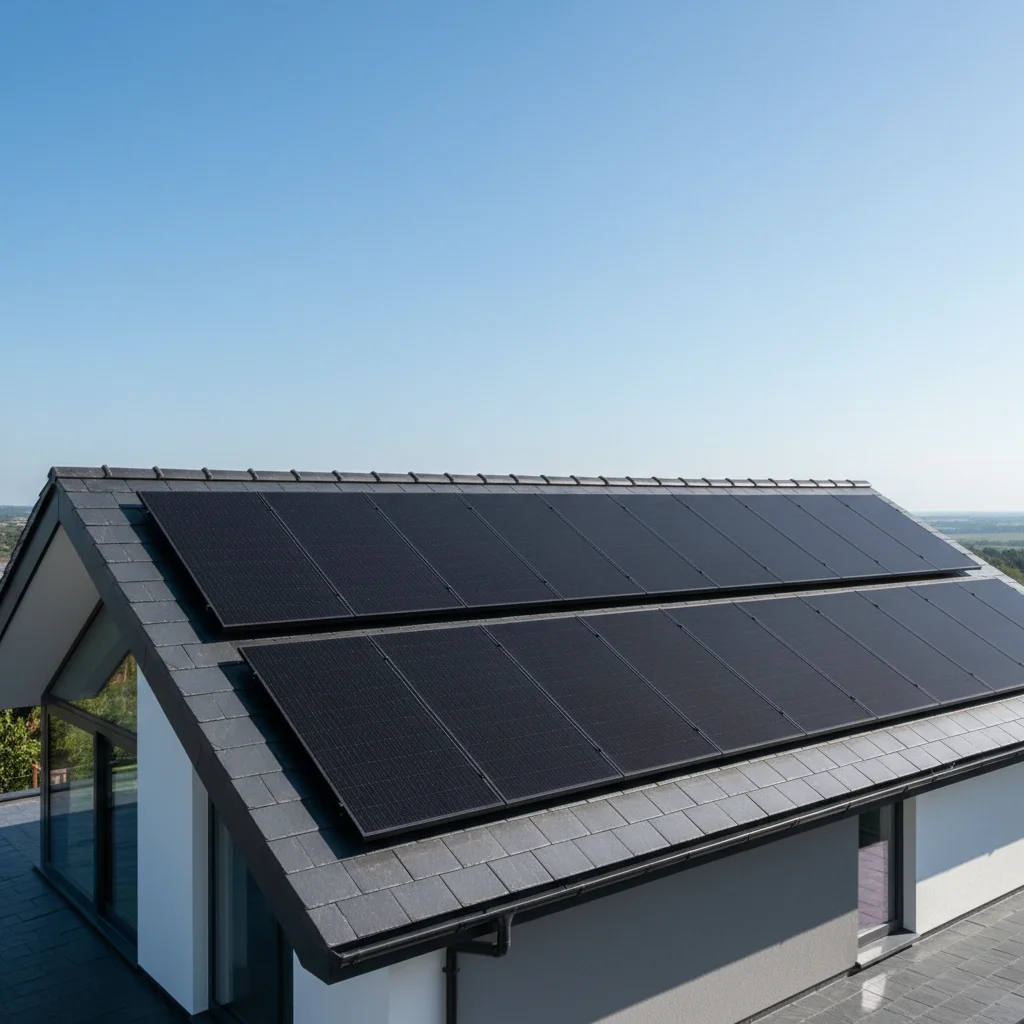
Rooftop solar has long been the go-to option for residential solar installations, primarily due to its ability to utilize existing space efficiently. These systems are typically mounted directly onto the roof of your home, converting sunlight into electricity to power your household. The technology has evolved significantly, making rooftop panels more efficient, durable, and aesthetically pleasing than ever before.
Advantages of Rooftop Solar
- Space Efficiency: The most apparent benefit is that rooftop solar utilizes otherwise unused roof space, avoiding the need for additional land on your property. This is particularly advantageous for homes with smaller yards or limited open ground.
- Reduced Installation Costs (Generally): While not always the case, rooftop installations can sometimes be less expensive than ground-mounted systems because they leverage existing structures. There’s no need for extensive ground preparation or trenching for electrical lines, which can significantly reduce labor and material costs.
- Protection from Vandalism/Theft: Being elevated on your roof, solar panels are less accessible to potential vandals or thieves, offering a layer of security that ground-mounted systems might not.
- Aesthetics (Subjective): For many, rooftop panels blend seamlessly with the home’s architecture, especially with modern, low-profile designs. They can be seen as an enhancement to a home’s modern appeal, improving its market value.
- Simpler Permitting: In some municipalities, permitting for rooftop installations might be more straightforward than for ground-mounted systems, which can sometimes be subject to more stringent zoning laws or homeowner association (HOA) restrictions.
Disadvantages of Rooftop Solar
- Roof Condition and Age: The primary limitation is the condition of your roof. An old or damaged roof will likely need repairs or replacement before solar panels can be installed, adding to the overall cost. Panels are typically installed for 25+ years, so your roof needs to last as long.
- Roof Orientation and Shading: Optimal solar production depends heavily on your roof’s orientation (ideally south-facing in the Northern Hemisphere) and the absence of shading from trees, chimneys, or neighboring buildings. If your roof isn’t ideally oriented or is frequently shaded, energy production can be significantly reduced.
- Limited Expansion: The size of your roof dictates the maximum number of panels you can install. If your energy needs increase in the future, expanding a rooftop system might be challenging or impossible.
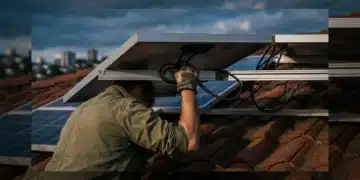
- Maintenance and Repair Access: Accessing rooftop panels for cleaning or repairs can be more difficult and potentially hazardous, often requiring professional assistance.
- Ventilation Issues: Panels mounted too close to the roof surface can sometimes trap heat, potentially reducing their efficiency slightly and possibly contributing to premature aging of roof materials underneath, though modern mounting systems are designed to mitigate this.
Exploring Ground-Mounted Solar: Flexibility and Performance
Ground-mounted solar systems, as the name suggests, are installed on the ground using racks or poles. This option offers greater flexibility in terms of placement, orientation, and tilt, allowing for optimized energy production. While requiring more land, ground-mounted systems can be an excellent home solar choice for properties with ample open space.
Advantages of Ground-Mounted Solar
- Optimal Orientation and Tilt: Unlike rooftops, ground-mounted systems can be precisely angled and oriented to capture the maximum amount of sunlight throughout the day and year. This flexibility often leads to higher energy production compared to a similarly sized rooftop system.
- Easier Maintenance and Cleaning: Being at ground level, these panels are much easier and safer to clean, inspect, and maintain. This accessibility ensures they operate at peak efficiency with minimal hassle.
- No Roof Impact: Ground-mounted systems eliminate concerns about roof integrity, age, or future roof repairs. They also don’t add weight to your roof structure, preventing potential strain.
- Scalability: It’s generally easier to expand a ground-mounted system by adding more panels if your energy needs grow in the future, provided you have available land.
- Better Cooling: Panels mounted on the ground typically have better airflow around them, which helps dissipate heat more effectively. Cooler panels operate more efficiently, leading to higher energy yields.
- Shade Avoidance: If your roof is heavily shaded, a ground-mounted system can be placed in an unshaded area of your property, ensuring consistent sunlight exposure.
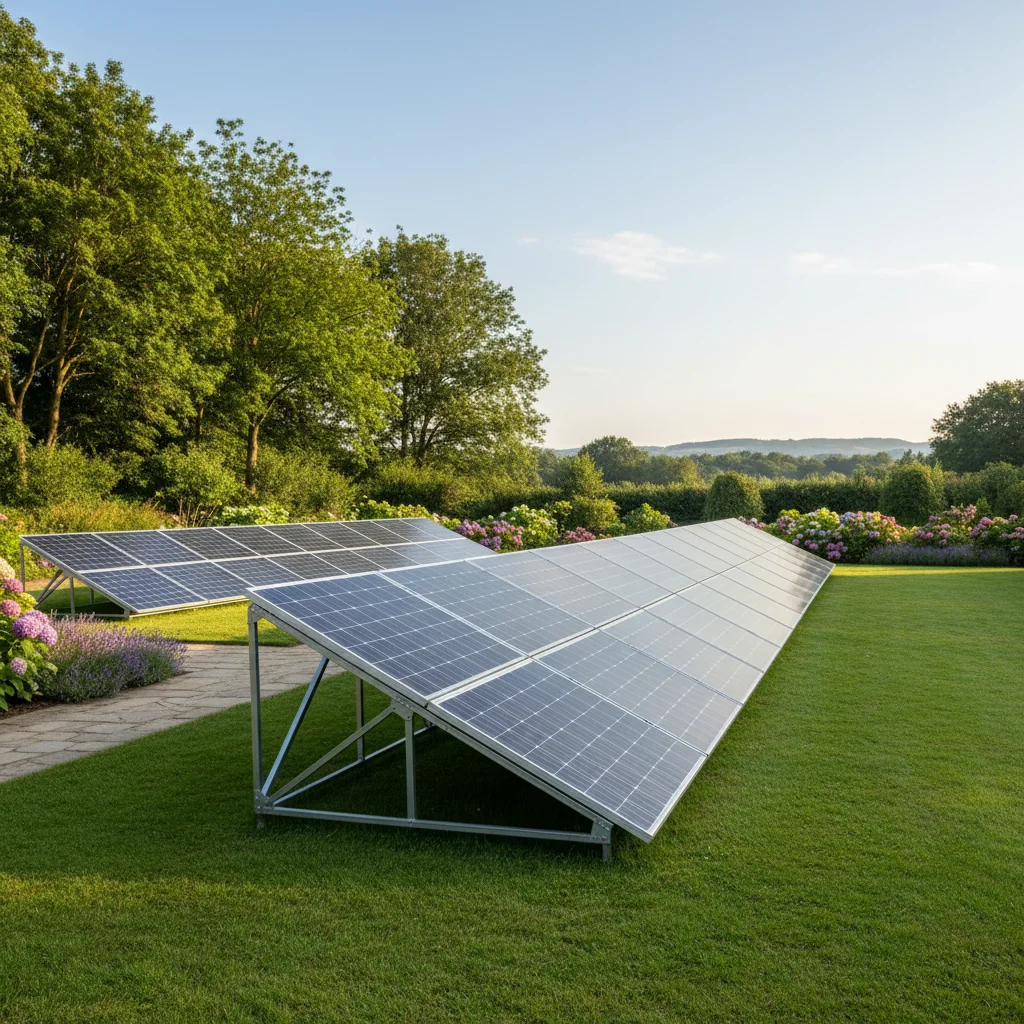
Disadvantages of Ground-Mounted Solar
- Land Requirement: The most significant drawback is the need for sufficient clear, unshaded land. This makes them unsuitable for properties with small yards or dense landscaping.
- Higher Installation Costs: Ground-mounted systems often incur higher upfront costs due to the need for extensive site preparation, trenching for electrical conduits, and the construction of a robust racking system.
- Aesthetics (Subjective): While some find ground arrays visually appealing, others may view them as an obstruction to their landscape. They take up valuable yard space that could be used for other purposes.
- Permitting and Zoning: Depending on your location, ground-mounted systems might face more complex permitting processes, zoning restrictions, or HOA approvals, particularly concerning setbacks and visual impact.
- Security Concerns: Being at ground level, panels are more susceptible to accidental damage from lawnmowers, falling debris, or intentional vandalism and theft, though security measures can mitigate these risks.
Key Considerations for Your Home Solar Choice in 2026
When weighing ground-mounted vs. rooftop solar, several factors will significantly influence your optimal home solar choice. Consider these points carefully:
1. Property Characteristics
- Available Space: Do you have a large, open, unshaded yard suitable for a ground array, or is your roof the most viable option?
- Roof Condition and Size: For rooftop solar, assess your roof’s age, structural integrity, and available unshaded surface area. A roof nearing the end of its lifespan will necessitate replacement, adding to the total cost.
- Sunlight Exposure: Observe your property throughout the day and across seasons. Are there significant shading issues from trees, neighboring buildings, or other obstructions that would hinder rooftop solar performance? Ground-mounted systems offer greater flexibility to avoid shade.
2. Energy Needs and Production Goals
- Current and Future Energy Consumption: How much electricity do you currently use, and do you anticipate your needs changing (e.g., adding an EV, expanding your home)? This will determine the size of the system required.
- Desired Energy Offset: Do you aim to offset 100% of your electricity consumption, or are you comfortable with a partial offset? Higher offset goals might favor ground-mounted systems due to their potential for optimized production.
- Performance Expectations: Ground-mounted systems often boast higher efficiency due to better cooling and optimal angling, leading to potentially greater energy output per panel.
3. Cost and Financial Incentives
- Upfront Installation Costs: Get detailed quotes for both options. While rooftop can sometimes be cheaper, ground-mounted costs vary widely based on site preparation.
- Long-Term Savings: Consider the projected energy production and how it translates into savings on your electricity bills over 25+ years. Higher production from an optimized system means greater savings.
- Incentives and Rebates: Research federal, state, and local solar incentives available in 2026. The federal solar tax credit (ITC) is a significant benefit, but local programs can also reduce costs. Understand if these incentives differ for ground-mounted vs. rooftop systems in your area.
- Property Value Impact: Both solar options generally increase property value. However, the aesthetic integration and potential for higher energy production can influence the extent of this increase.
4. Aesthetics and Property Use
- Visual Impact: How important is it for the solar panels to be discreet? Rooftop panels can be less noticeable, while ground-mounted arrays become a prominent feature of your landscape.
- Land Use: Are you willing to dedicate a portion of your yard to a solar array, or do you prefer to keep your outdoor space free for other uses (gardening, recreation)?
- HOA and Local Regulations: Check with your Homeowner’s Association and local planning department for any restrictions or requirements regarding solar installations, especially for ground-mounted systems which might have specific setback rules.
Technological Advancements and Future-Proofing in 2026
Solar technology continues to advance rapidly. In 2026, we see higher efficiency panels, improved inverter technology, and more sophisticated energy storage solutions. When making your home solar choice, consider how each option integrates with these advancements.
- Panel Efficiency: Modern solar panels are more efficient than ever, meaning you can generate more power from a smaller footprint. This benefits both rooftop (maximizing limited space) and ground-mounted (potentially requiring less land) systems.
- Battery Storage: Integrating a battery storage system is becoming increasingly popular, offering energy independence and resilience. Both ground-mounted and rooftop systems can be paired with battery storage, usually located within the home or a dedicated utility space.
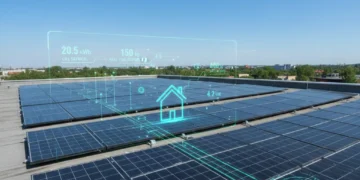
- Smart Home Integration: Solar systems are increasingly integrated with smart home platforms, allowing for real-time monitoring and optimized energy management. This connectivity is equally applicable to both installation types.
- EV Charging: If you own an electric vehicle, powering your charging station with solar energy is a significant benefit. Both types of solar installations can easily support EV charging, further reducing your carbon footprint and fuel costs.
Installation Process and Timeline
Understanding the installation process for both ground-mounted and rooftop solar can help you prepare and set realistic expectations for your home solar choice.
Rooftop Solar Installation
- Site Assessment: A solar installer evaluates your roof’s condition, orientation, shading, and structural integrity.
- System Design: Based on the assessment and your energy needs, a custom system is designed, including panel layout, inverter type, and wiring.
- Permitting: Necessary permits are obtained from local authorities.
- Mounting System Installation: Racks are securely attached to your roof, typically penetrating the roof deck, which are then sealed to prevent leaks.
- Panel Installation: Solar panels are mounted onto the racking system.
- Electrical Wiring: Panels are wired to inverters, and the inverters are connected to your home’s electrical panel.
- Inspection and Grid Connection: The system undergoes final inspections by local authorities and the utility company before being connected to the grid.
The entire process, from initial consultation to power-on, can take anywhere from 4 to 12 weeks, depending on permitting times and contractor schedules.
Ground-Mounted Solar Installation
- Site Assessment: Evaluation of the chosen ground area for soil conditions, shading, and accessibility.
- System Design: Similar to rooftop, a custom design is created, considering optimal tilt and orientation for ground placement.
- Permitting: Potentially more complex permitting due to land use regulations.
- Ground Preparation: This may involve clearing vegetation, leveling the ground, and trenching for electrical conduits.
- Foundation and Racking Installation: Foundations (e.g., concrete piers, driven piles) are installed, followed by the sturdy ground-mount racking system.
- Panel Installation: Solar panels are attached to the ground-mount structure.
- Electrical Wiring: Panels are wired to inverters, and electrical lines are run (often underground) to your home’s electrical panel.
- Inspection and Grid Connection: Final inspections and utility connection.
Ground-mounted installations can sometimes have a longer timeline due to the additional civil work involved, potentially ranging from 6 to 16 weeks.
Maintenance and Longevity
Both ground-mounted and rooftop solar systems are designed for long-term operation, typically with a lifespan of 25-30 years or more. However, maintenance requirements differ.
- Rooftop Solar Maintenance: Generally lower hands-on maintenance. Panels may need occasional cleaning (especially in dusty areas or if pollen is heavy) and periodic professional inspections to ensure wiring and mounting integrity. Snow accumulation can be an issue in colder climates, often requiring professional removal if it’s impacting production significantly.
- Ground-Mounted Solar Maintenance: Easier to clean due to accessibility. May require more attention to surrounding vegetation to prevent shading. Regular checks for debris or animal activity are also easier to perform. Snow removal is also simpler.
Regardless of the type, regular monitoring of your system’s performance through an online portal is crucial to identify any issues promptly.
Environmental Impact and Sustainability
Choosing either ground-mounted or rooftop solar significantly contributes to reducing your carbon footprint and promoting sustainable living. By generating clean electricity, you decrease reliance on fossil fuels, mitigate air pollution, and combat climate change. Both options embody a commitment to environmental stewardship, empowering you to become an active participant in the global energy transition.
The environmental impact extends beyond just energy production. Consider the sourcing of materials, the manufacturing processes, and the end-of-life recycling programs for solar panels. As technology advances, the industry is increasingly focusing on reducing the embodied energy and waste associated with solar production.
Making Your Informed Home Solar Choice in 2026
Ultimately, the best home solar choice – whether ground-mounted or rooftop – is highly personal and depends on a confluence of factors unique to your property, lifestyle, and financial goals. There’s no one-size-fits-all answer. Here’s a quick summary to help you decide:
Choose Rooftop Solar if:
- You have limited yard space.
- Your roof is relatively new, structurally sound, and receives ample, unobstructed sunlight.
- You prefer a less visible installation.
- Your budget is tighter for upfront installation costs.
Choose Ground-Mounted Solar if:
- You have abundant, unshaded land available.
- Your roof is old, complex, or heavily shaded.
- You prioritize maximum energy production and ease of maintenance.
- You want the flexibility to expand your system in the future.
- You are willing to invest more upfront for potentially higher long-term efficiency.
Before making a final decision, it is highly recommended to consult with multiple reputable solar installers. They can provide personalized site assessments, detailed energy production estimates, and comprehensive cost breakdowns for both ground-mounted and rooftop options specific to your home in 2026. Requesting a professional consultation will ensure that you receive tailored advice that considers all the unique aspects of your property and energy requirements.
The future is solar, and by carefully evaluating your options, you’re not just investing in clean energy; you’re investing in a more sustainable and energy-independent future for your home. Make your home solar choice wisely, and enjoy the benefits for decades to come.