Achieve 30% Savings: Boost Home Insulation R-Value for Heating & Cooling Efficiency by Winter 2026
In an era where energy costs continue to climb and environmental consciousness is paramount, homeowners are constantly seeking effective strategies to reduce their utility bills and carbon footprint. Among the myriad of home improvement projects, enhancing your home’s insulation stands out as one of the most impactful, offering a direct path to substantial savings and improved comfort. Specifically, focusing on insulation R-value improvements can lead to a remarkable 30% reduction in heating and cooling costs by Winter 2026. This isn’t just an optimistic projection; it’s a verifiable outcome backed by decades of building science and countless homeowner success stories. Understanding the ‘R-value’ and how to strategically upgrade your insulation is the first step towards a more energy-efficient, comfortable, and cost-effective home.
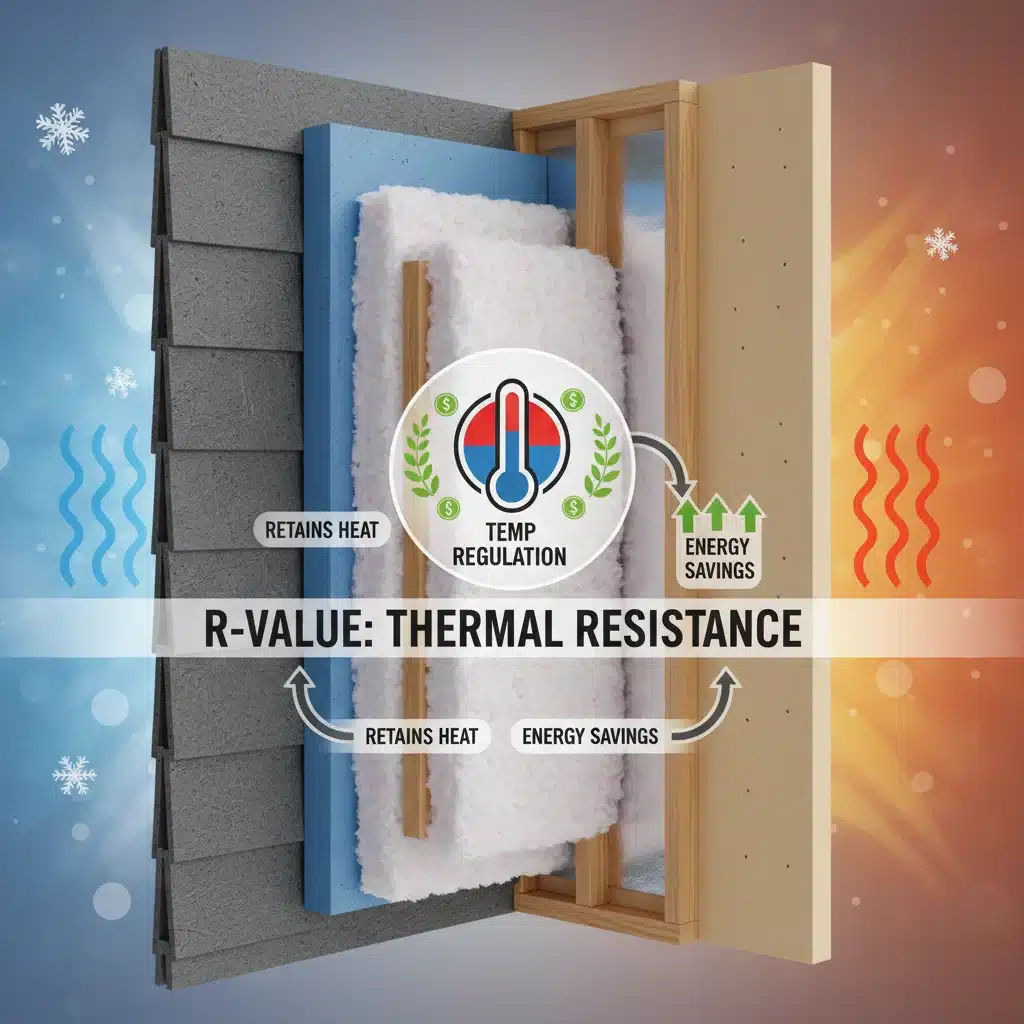
The concept of R-value is fundamental to comprehending insulation effectiveness. Simply put, R-value measures thermal resistance – the higher the R-value, the greater the insulation’s ability to resist heat flow. Whether it’s keeping the heat inside during the frigid winter months or blocking the scorching summer sun from penetrating your living spaces, a superior R-value acts as a robust barrier. This comprehensive guide will delve into the intricacies of insulation R-value improvements, exploring why it’s crucial, how to assess your current insulation, the different types available, and practical steps to achieve significant energy savings. Our goal is to equip you with the knowledge to make informed decisions that will not only enhance your home’s thermal performance but also contribute to a greener planet.
Understanding R-Value: The Core of Insulation Efficiency
Before embarking on any insulation project, it’s essential to grasp what R-value truly signifies. The ‘R’ in R-value stands for resistance to heat flow. A material’s R-value depends on its type, density, and thickness. The higher the R-value, the better the material resists the transfer of heat. This resistance is critical in maintaining a stable indoor temperature, regardless of external weather conditions. In colder climates, a high R-value prevents heat from escaping your home, reducing the workload on your heating system. Conversely, in warmer climates, it prevents external heat from entering, thereby lessening the burden on your air conditioning unit. Therefore, investing in insulation R-value improvements directly translates into less energy consumption for heating and cooling.
Different parts of your home require different R-values. For instance, attics generally demand the highest R-values due to their direct exposure to extreme temperatures and their role as a primary point of heat loss or gain. Walls and floors also require adequate insulation, though their recommended R-values might differ based on local climate zones and building codes. Understanding these nuances is crucial for targeted and effective insulation R-value improvements. Without proper insulation, your home essentially becomes a sieve for conditioned air, allowing expensive heat or cool air to escape, leading to unnecessarily high utility bills. This is why a strategic approach to R-value is not just about adding more insulation, but adding the right type and amount in the right places.
Why 30% Savings by Winter 2026 is a Realistic Goal
Achieving a 30% reduction in heating and cooling costs might sound ambitious, but with focused insulation R-value improvements, it is entirely attainable. The reason for such significant potential savings lies in the fact that a substantial portion of a home’s energy consumption is directly related to temperature regulation. Poorly insulated homes can lose up to 25-35% of their heat through the ceiling and attic, another 15-25% through walls, and 10-15% through floors and foundations. These figures underscore the vast potential for savings when these weak points are addressed.
By systematically upgrading your insulation to meet or exceed recommended R-values for your climate zone, you create a much more effective thermal envelope around your home. This tighter envelope minimizes heat transfer, meaning your HVAC system doesn’t have to work as hard or as long to maintain your desired indoor temperature. This reduction in operational time directly translates into lower energy consumption and, consequently, lower utility bills. Furthermore, the longevity of insulation means these savings are not a one-time event but a continuous benefit for years to come. The timeline to Winter 2026 provides ample opportunity to plan, implement, and start reaping the rewards of your insulation R-value improvements, making it a tangible and achievable financial goal for homeowners.
Assessing Your Current Insulation: Where to Start
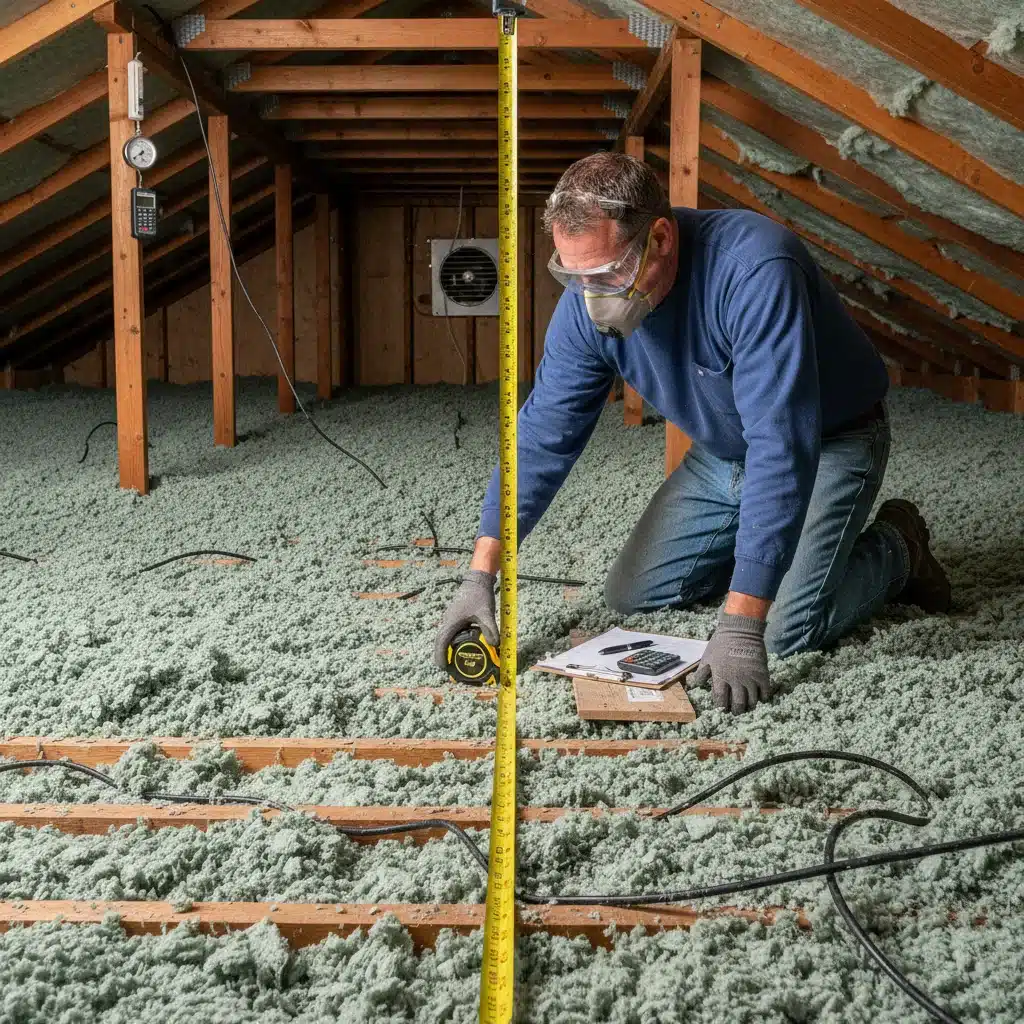
Before you can make effective insulation R-value improvements, you need to understand your home’s current insulation status. This involves a thorough assessment of key areas: the attic, walls, floors, and crawl spaces. Each area plays a crucial role in your home’s overall thermal performance. Start by visually inspecting your attic. Is the insulation uniform? Is it compressed or damaged? What is its depth? You can often find markings on existing insulation indicating its R-value per inch, which can help you estimate your current total R-value. Many homes, especially older ones, often have insufficient attic insulation, making it a prime target for upgrades.
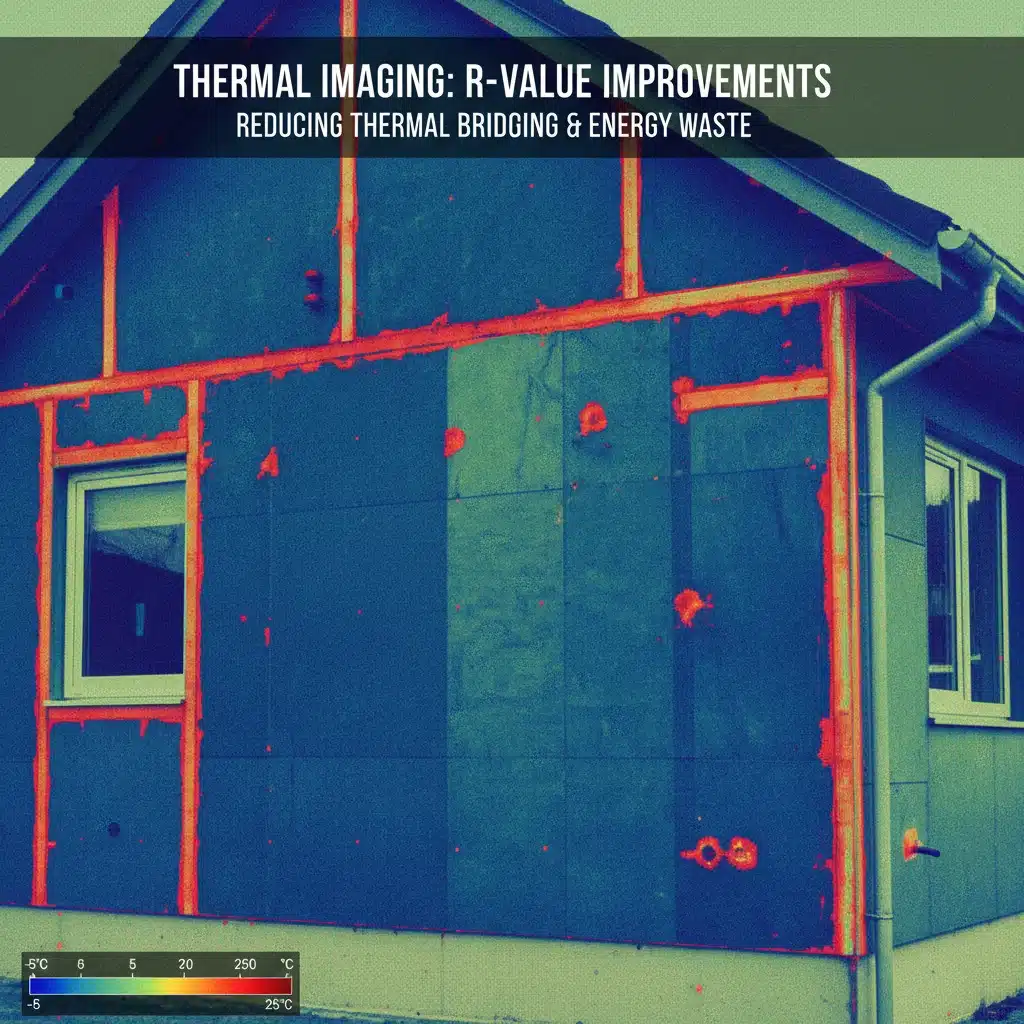
For walls, assessing insulation can be more challenging as it’s typically hidden within the wall cavities. However, signs like cold spots, drafty areas, or unusually high energy bills can indicate inadequate wall insulation. If you’re undertaking renovations that expose wall cavities, it’s an ideal time to assess and upgrade. Similarly, inspect crawl spaces and basements for existing insulation. Look for proper sealing and adequate R-value in these areas, as cold floors can significantly impact comfort and energy consumption. Professional energy audits, often conducted by utility companies or certified contractors, can provide a detailed analysis using tools like thermal cameras, offering a precise roadmap for your insulation R-value improvements.
Types of Insulation and Their R-Values
The market offers a diverse range of insulation materials, each with its unique characteristics, applications, and R-value per inch. Understanding these differences is key to selecting the most appropriate solution for your specific insulation R-value improvements project.
Fiberglass Batts and Rolls
Fiberglass is one of the most common and affordable insulation materials. It comes in pre-cut batts (panels) or rolls that are fitted between studs, joists, and rafters. Its R-value typically ranges from R-2.9 to R-3.8 per inch. Fiberglass is effective for attics, walls, and floors, but proper installation is crucial to avoid gaps and compression, which can reduce its effectiveness.
Loose-Fill (Blown-in) Insulation
Loose-fill insulation, often made from fiberglass, cellulose, or mineral wool, is blown into cavities using specialized equipment. It’s particularly effective for attics, irregularly shaped spaces, and existing wall cavities where it can fill voids and achieve a seamless thermal barrier. Cellulose, derived from recycled paper, offers an R-value of R-3.2 to R-3.8 per inch and has excellent sound-dampening properties. Fiberglass loose-fill has a similar R-value range. This type of insulation is excellent for achieving comprehensive insulation R-value improvements in hard-to-reach areas.
Spray Foam Insulation
Spray foam, available in open-cell and closed-cell varieties, offers some of the highest R-values per inch, ranging from R-3.5 to R-6.5. It expands upon application, creating an airtight seal that significantly reduces air leakage in addition to providing thermal resistance. This makes it a superior choice for sealing and insulating simultaneously, particularly in challenging areas like rim joists, cathedral ceilings, and wall cavities. While typically more expensive, its superior performance often justifies the investment for substantial insulation R-value improvements and long-term energy savings.
Rigid Foam Boards
Rigid foam boards, made from materials like expanded polystyrene (EPS), extruded polystyrene (XPS), or polyisocyanurate (polyiso), offer high R-values (R-3.8 to R-8.0 per inch) and are excellent for insulating unvented crawl spaces, basements, and exterior walls. They are easy to cut and install and provide a continuous thermal barrier when properly sealed. These boards are also resistant to moisture, making them suitable for below-grade applications where moisture control is a concern. Integrating rigid foam boards can be a strategic part of comprehensive insulation R-value improvements, especially during renovations.
Strategic Insulation R-Value Improvements for Maximum Impact
To achieve the coveted 30% savings, your insulation R-value improvements need to be strategic. It’s not just about adding insulation; it’s about addressing the most significant sources of heat loss and gain in your home. Here’s a breakdown of where to focus your efforts:
Attic Insulation: The Low-Hanging Fruit
The attic is typically the easiest and most cost-effective area to upgrade. Heat rises, meaning a poorly insulated attic allows a tremendous amount of heat to escape in winter and seep in during summer. Aim for an R-value between R-38 and R-60, depending on your climate zone. Adding a thick layer of blown-in cellulose or fiberglass over existing insulation can often achieve this. Ensure proper ventilation in the attic to prevent moisture buildup and maintain insulation effectiveness.
Wall Insulation: A Significant Upgrade
Insulating walls can be more involved, especially in existing homes without exposed cavities. However, the impact on energy efficiency is substantial. Options include blowing dense-pack cellulose or fiberglass into wall cavities through small holes drilled from the exterior or interior. If you’re undertaking a major renovation or adding an extension, consider spray foam or rigid foam boards for superior performance. Addressing wall insulation is a critical component of maximizing your insulation R-value improvements.
Floor and Basement/Crawl Space Insulation: Comfort and Efficiency
Insulating floors, especially those above unheated basements, crawl spaces, or garages, can dramatically improve comfort and reduce energy bills. For floors over crawl spaces, install batts or rigid foam boards between joists, ensuring a vapor barrier is in place. In basements, insulating the rim joists and foundation walls with spray foam or rigid foam boards can prevent significant heat loss. These often-overlooked areas offer considerable potential for insulation R-value improvements.
Sealing Air Leaks: The Foundation of Good Insulation
Even the best insulation won’t perform optimally if your home is riddled with air leaks. Air sealing is a prerequisite for effective insulation R-value improvements. Common culprits include gaps around windows and doors, electrical outlets, plumbing penetrations, and attic hatches. Use caulk for small gaps and cracks, and expanding foam for larger openings. Weatherstripping around doors and windows is also essential. A comprehensive air-sealing strategy ensures that the conditioned air stays where it belongs, maximizing the efficiency of your insulation.
Benefits Beyond Savings: Comfort, Health, and Environment
While the prospect of 30% savings on heating and cooling costs is a powerful motivator, the benefits of insulation R-value improvements extend far beyond your wallet. A well-insulated home is inherently more comfortable. It eliminates cold drafts, reduces temperature fluctuations between rooms, and creates a more consistent indoor environment. This enhanced comfort means you’re less likely to constantly adjust your thermostat, further contributing to energy savings.
Improved insulation also has positive implications for indoor air quality and health. By creating a tighter thermal envelope, you reduce the infiltration of outdoor pollutants, allergens, and moisture. This can lead to a healthier living environment, reducing the risk of mold growth and improving air quality. Furthermore, by reducing your energy consumption, you’re directly contributing to a reduction in greenhouse gas emissions, lessening your environmental impact. This makes insulation R-value improvements a win-win for both your household and the planet.
DIY vs. Professional Installation: What to Consider
Deciding whether to tackle insulation R-value improvements yourself or hire a professional depends on several factors, including the complexity of the job, your DIY skills, and the type of insulation. Simple tasks like adding another layer of fiberglass batts in an accessible attic might be suitable for a confident DIYer. However, more involved projects, such as blowing in loose-fill insulation, installing spray foam, or insulating walls in an existing home, often require specialized equipment and expertise.
Professional installers have the experience to assess your home’s unique needs, recommend the most appropriate insulation types, and ensure proper installation techniques. They can also identify and seal air leaks that might be overlooked by an amateur. While professional installation comes with a higher upfront cost, it often guarantees optimal performance and long-term savings, ensuring you maximize the benefits of your insulation R-value improvements. For spray foam, professional installation is almost always recommended due to the chemicals involved and the need for precise application.
Funding Your Insulation Upgrades: Incentives and Financing
The initial investment in insulation R-value improvements can seem daunting, but numerous programs and incentives are available to help offset the costs. Many governments, both federal and local, offer tax credits, rebates, or grants for energy-efficient home improvements. Utility companies often provide their own rebates or low-interest financing options for insulation upgrades, recognizing that reduced energy consumption benefits everyone.
Research programs available in your area. Websites like Energy.gov or your local utility provider’s site are excellent resources for finding current incentives. Additionally, consider home equity loans or energy-efficient mortgages (EEMs) that can roll the cost of improvements into your mortgage. These financial aids can make significant insulation R-value improvements more accessible, turning a seemingly large expense into a manageable investment with a rapid return through energy savings.
Maintaining Your Insulation’s Effectiveness
Once you’ve completed your insulation R-value improvements, ongoing maintenance is minimal but important. Periodically inspect your attic and other insulated areas for any signs of damage, compression, or moisture. Pests can sometimes nest in insulation, reducing its effectiveness, so address any pest issues promptly. Ensure that insulation isn’t blocking vents, especially in the attic, as proper airflow is crucial for preventing moisture buildup and maintaining the insulation’s integrity.
Also, continue to monitor your energy bills. While a 30% reduction is a great target, external factors like extreme weather or changes in household energy consumption can influence monthly costs. However, you should consistently see a noticeable difference compared to your pre-improvement bills. By taking these steps, you ensure that your investment in insulation R-value improvements continues to deliver maximum comfort and savings for years to come, solidifying your home’s energy efficiency for Winter 2026 and beyond.
Conclusion: A Warmer Home, A Thicker Wallet by Winter 2026
The journey to a more energy-efficient home is a rewarding one, both for your comfort and your finances. By focusing on strategic insulation R-value improvements, homeowners have a clear and achievable path to significantly reduce their heating and cooling costs – by as much as 30% by Winter 2026. This comprehensive approach, encompassing thorough assessment, informed material selection, proper installation, and diligent air sealing, transforms your home into a resilient, energy-saving sanctuary.
Beyond the immediate financial benefits, upgrading your insulation contributes to a more comfortable living environment, improved indoor air quality, and a reduced environmental footprint. It’s an investment that pays dividends year after year, enhancing the value and sustainability of your property. As we look towards Winter 2026, the time to act is now. Embrace the power of insulation R-value improvements, and prepare to enjoy a warmer home, a cooler summer, and a noticeably thicker wallet.