Achieving Net-Zero: A 12-Month Roadmap for U.S. Homeowners in 2026
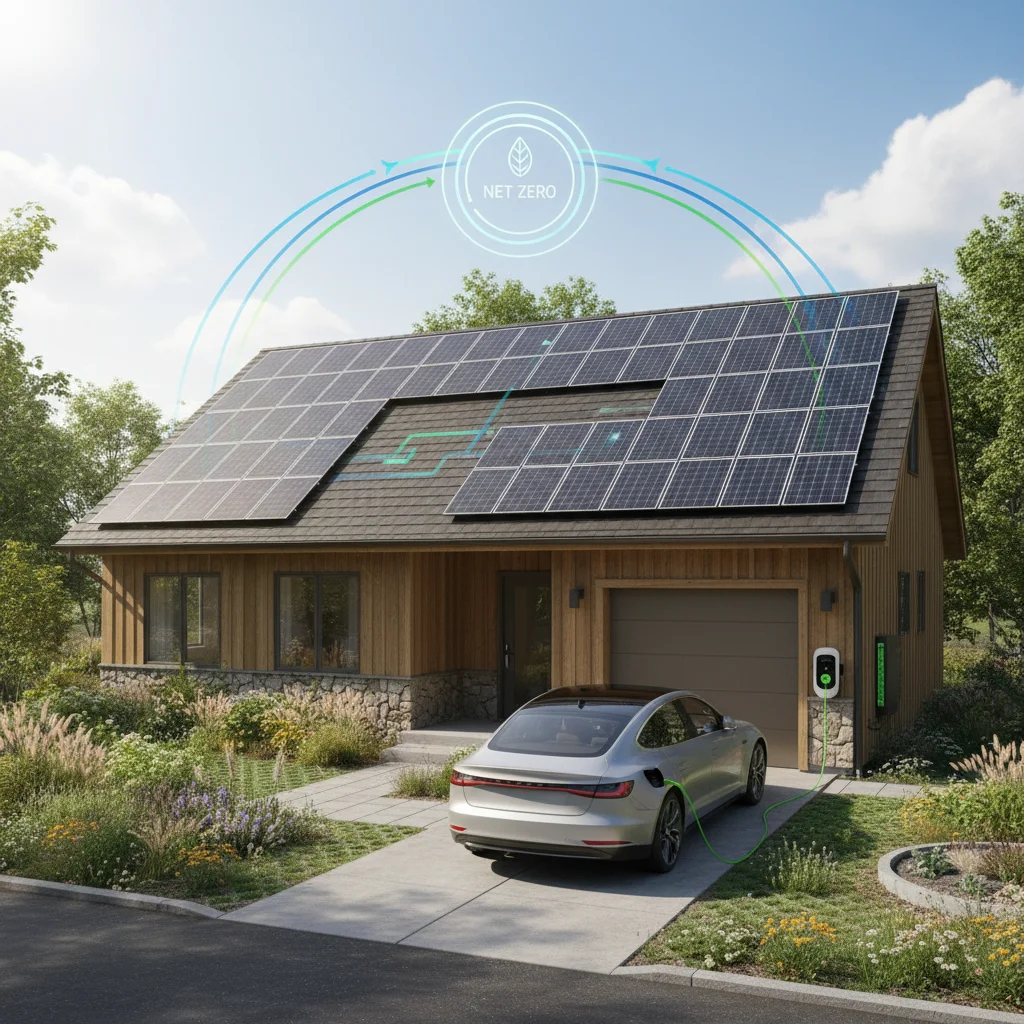
The concept of a Net Zero Home 2026 is rapidly transitioning from an ambitious ideal to an achievable reality for U.S. homeowners. As environmental consciousness grows and energy costs continue to fluctuate, the appeal of a home that produces as much energy as it consumes has never been stronger. But how does one navigate the complexities of transforming a traditional home into a net-zero powerhouse? This comprehensive 12-month roadmap is designed to guide U.S. homeowners through every critical step, ensuring a smooth and successful transition by the end of 2026.
Achieving a Net Zero Home 2026 status is not merely about installing solar panels; it’s a holistic approach encompassing energy efficiency, renewable energy generation, and smart energy management. This journey requires careful planning, informed decision-making, and a commitment to sustainability. Our roadmap breaks down this ambitious goal into manageable monthly tasks, from initial assessments to final certifications, making the dream of energy independence a tangible objective.
Understanding the Net-Zero Concept: What Does it Mean for Your Home?
Before embarking on this journey, it’s crucial to grasp the fundamental principle of a Net Zero Home 2026. A net-zero energy home is one where the total amount of energy used by the building on an annual basis is roughly equal to the amount of renewable energy created on the site. This means your home effectively cancels out its carbon footprint from energy consumption, leading to significantly reduced or even eliminated utility bills.
The benefits extend beyond financial savings. A net-zero home typically offers superior indoor air quality, enhanced comfort through consistent temperatures, increased resilience during power outages (especially with battery storage), and a substantial contribution to environmental protection. For homeowners in 2026, investing in net-zero upgrades also means future-proofing their property against rising energy costs and increasing its market value.
Month 1-2: Initial Assessment and Energy Audit – Laying the Foundation
Month 1: Research and Goal Setting
The first step towards a Net Zero Home 2026 is thorough research. Begin by understanding the various components of net-zero living: insulation, windows, HVAC systems, solar power, and energy storage. Explore local and federal incentives available for energy-efficient upgrades and renewable energy installations. Websites like the Department of Energy and your state’s energy office are excellent resources.
Set clear, realistic goals for your home. Do you aim for absolute net-zero, or are you comfortable with a net-zero ready approach, where the home is optimized for future renewable energy additions? Define your budget and timeline. This initial planning phase is crucial for establishing a solid foundation for the subsequent months.
Month 2: Professional Home Energy Audit
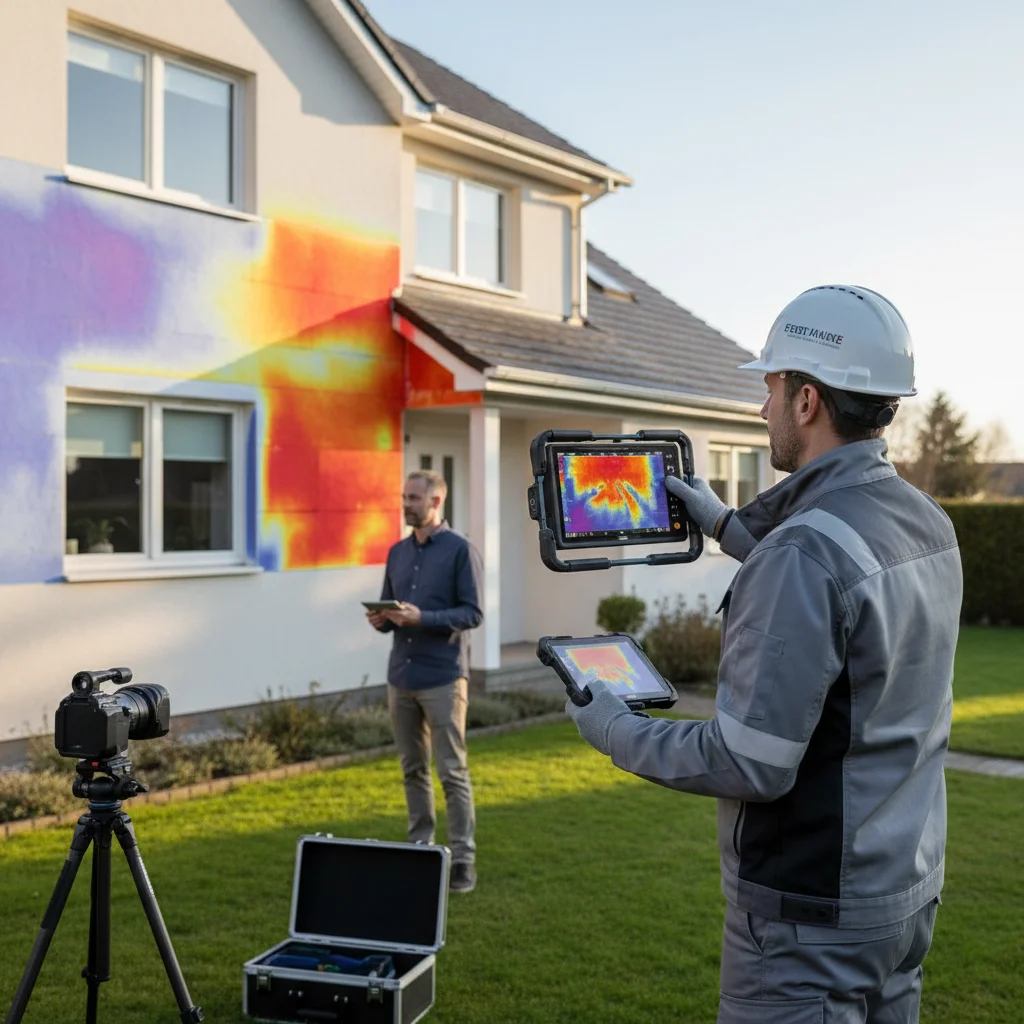
A professional home energy audit is indispensable. This audit, often conducted by certified energy professionals, will identify where your home is losing energy and suggest the most impactful improvements. Auditors use specialized equipment, such as thermal cameras, blower doors, and infrared thermometers, to pinpoint drafts, inadequate insulation, and inefficient appliances. The audit report will provide a prioritized list of recommendations, which will form the backbone of your net-zero strategy.
Look for auditors certified by organizations like the Building Performance Institute (BPI). Many utility companies offer rebates or discounted rates for energy audits, so be sure to inquire about these opportunities. The findings from this audit are critical for making informed decisions and ensuring your investments yield the greatest energy savings.
Month 3-5: Enhancing Energy Efficiency – The First Line of Defense
Before generating your own energy, it’s paramount to reduce your energy consumption. This phase focuses on making your home as energy-efficient as possible, thereby reducing the amount of renewable energy you’ll need to produce to reach Net Zero Home 2026 status.
Month 3: Insulation and Air Sealing
Based on your energy audit, prioritize improving your home’s insulation and air sealing. Proper insulation in the attic, walls, and crawl spaces prevents heat transfer, keeping your home warmer in winter and cooler in summer. Air sealing, which involves caulking and weatherstripping around windows, doors, and utility penetrations, eliminates drafts and prevents conditioned air from escaping.
Consider upgrading to higher R-value insulation materials. The upfront cost is often offset by significant long-term energy savings. This is one of the most cost-effective steps towards a Net Zero Home 2026.
Month 4: Window and Door Upgrades
Windows and doors are common culprits for energy loss. If your energy audit highlighted significant issues here, month four is the time to address them. Replace old, single-pane windows with ENERGY STAR certified double or triple-pane windows. These windows feature low-emissivity (Low-E) coatings and inert gas fills (like argon or krypton) to improve thermal performance.
Similarly, upgrade to energy-efficient exterior doors. If full replacement isn’t feasible, consider adding storm windows or heavy-duty insulated curtains to existing windows to improve their performance.
Month 5: HVAC System Optimization
Your heating, ventilation, and air conditioning (HVAC) system is likely one of your home’s largest energy consumers. If your current system is old or inefficient, consider upgrading to a high-efficiency model. Heat pumps, which can both heat and cool, are an excellent choice for net-zero homes due to their superior efficiency compared to traditional furnaces and air conditioners.
Ensure your ductwork is properly sealed and insulated to prevent energy loss. Regular maintenance and smart thermostats can further optimize your HVAC system’s performance, contributing significantly to your Net Zero Home 2026 goal.
Month 6-8: Renewable Energy Generation – Harnessing the Sun
With your home’s energy demand significantly reduced, it’s time to focus on generating your own clean energy. For most U.S. homeowners, this means solar photovoltaic (PV) systems.
Month 6: Solar System Design and Quotations
Begin by obtaining multiple quotes from reputable solar installers. They will assess your roof’s suitability (angle, shading, structural integrity), calculate your home’s energy needs (based on your reduced consumption after efficiency upgrades), and design a system to meet your target. Discuss different panel types, inverter technologies, and warranty options. Understand the concepts of net metering and how it works in your state.
This is also the time to explore financing options, including solar loans, leases, and power purchase agreements (PPAs). Compare the long-term costs and benefits of each. Ensure the chosen system is adequately sized to achieve your Net Zero Home 2026 goal.
Month 7: Permitting and Installation Scheduling
Once you’ve selected an installer and finalized your solar system design, the permitting process begins. Your installer will typically handle this, but it’s wise to stay informed. Permitting can vary significantly by municipality and can sometimes take several weeks or even months. During this time, schedule the installation with your chosen provider.
Prepare your home for the installation, ensuring clear access to the roof and electrical panel. The installation itself usually takes only a few days, depending on the system’s size and complexity.
Month 8: Solar System Installation and Activation
The exciting moment has arrived! Your solar panels will be installed, and the electrical connections will be made. After installation, your system will undergo inspection by local authorities and your utility company. Once approved, the utility will install a net meter, and your system will be officially activated, allowing you to start generating your own clean electricity and moving closer to a Net Zero Home 2026.
Month 9-10: Energy Storage and Smart Home Integration – Maximizing Efficiency
To truly optimize your net-zero journey and enhance resilience, consider incorporating energy storage and smart home technologies.
Month 9: Battery Storage Solutions
While not strictly necessary for all net-zero homes (especially with robust net metering policies), battery storage systems offer significant advantages. They allow you to store excess solar energy generated during the day for use at night or during power outages. This increases your energy independence and can further reduce your reliance on the grid.
Research different battery technologies (e.g., lithium-ion) and their capacities. Consider your energy consumption patterns and how much backup power you need. Discuss integration with your solar installer. Federal tax credits, like the Investment Tax Credit (ITC), often apply to battery storage when installed with a solar system.
Month 10: Smart Home Energy Management
Smart home devices can play a crucial role in optimizing your energy consumption. Install smart thermostats that learn your preferences and adjust temperatures based on occupancy and weather forecasts. Smart lighting systems allow you to control lights remotely and schedule them to turn off when not needed.
Consider smart plugs for appliances, allowing you to monitor their energy usage and even turn them off when not in use. Energy monitoring systems can provide real-time data on your home’s energy production and consumption, empowering you to make informed decisions and fine-tune your path to a Net Zero Home 2026.
Month 11-12: Final Touches, Certification, and Maintenance – Sustaining Net-Zero
The final two months are dedicated to ensuring your net-zero home operates efficiently and is recognized for its sustainability achievements.
Month 11: Appliance Upgrades and Water Efficiency
Review your remaining appliances. Replace old, inefficient models with ENERGY STAR certified appliances. This includes refrigerators, dishwashers, washing machines, and water heaters. Consider heat pump water heaters for even greater efficiency.
Don’t overlook water efficiency. Install low-flow showerheads, toilets, and faucets. Consider a greywater recycling system for irrigation if feasible. Reducing hot water usage directly impacts energy consumption, as heating water is a significant energy draw. These smaller adjustments contribute to the overall Net Zero Home 2026 goal.
Month 12: Performance Monitoring and Certification
Once all upgrades are complete, spend time monitoring your home’s energy performance. Utilize your solar monitoring app and smart home energy management systems to track your production and consumption. Fine-tune schedules and usage habits to maximize efficiency.
Consider pursuing a net-zero energy certification, such as those offered by the Living Building Challenge, Passive House Institute US (PHIUS), or the Department of Energy’s Zero Energy Ready Home program. These certifications provide official recognition of your home’s energy performance and can add significant value. This final step solidifies your achievement of a Net Zero Home 2026.
Financial Incentives and Support for Your Net Zero Home 2026 Journey
The journey to a Net Zero Home 2026 is significantly supported by various financial incentives at federal, state, and local levels. Understanding and leveraging these can drastically reduce the upfront costs of your upgrades.
Federal Tax Credits
The Investment Tax Credit (ITC), also known as the Solar Tax Credit, is a major federal incentive that allows you to deduct a percentage of the cost of installing a solar energy system from your federal taxes. This also often applies to battery storage systems installed in conjunction with solar. The percentage can change, so it’s vital to check the current rates for 2026.
Additionally, other federal tax credits may be available for energy-efficient home improvements, such as insulation, windows, doors, and certain HVAC systems. These are often updated, so consulting with a tax professional or visiting the IRS website for the latest information is recommended.
State and Local Programs
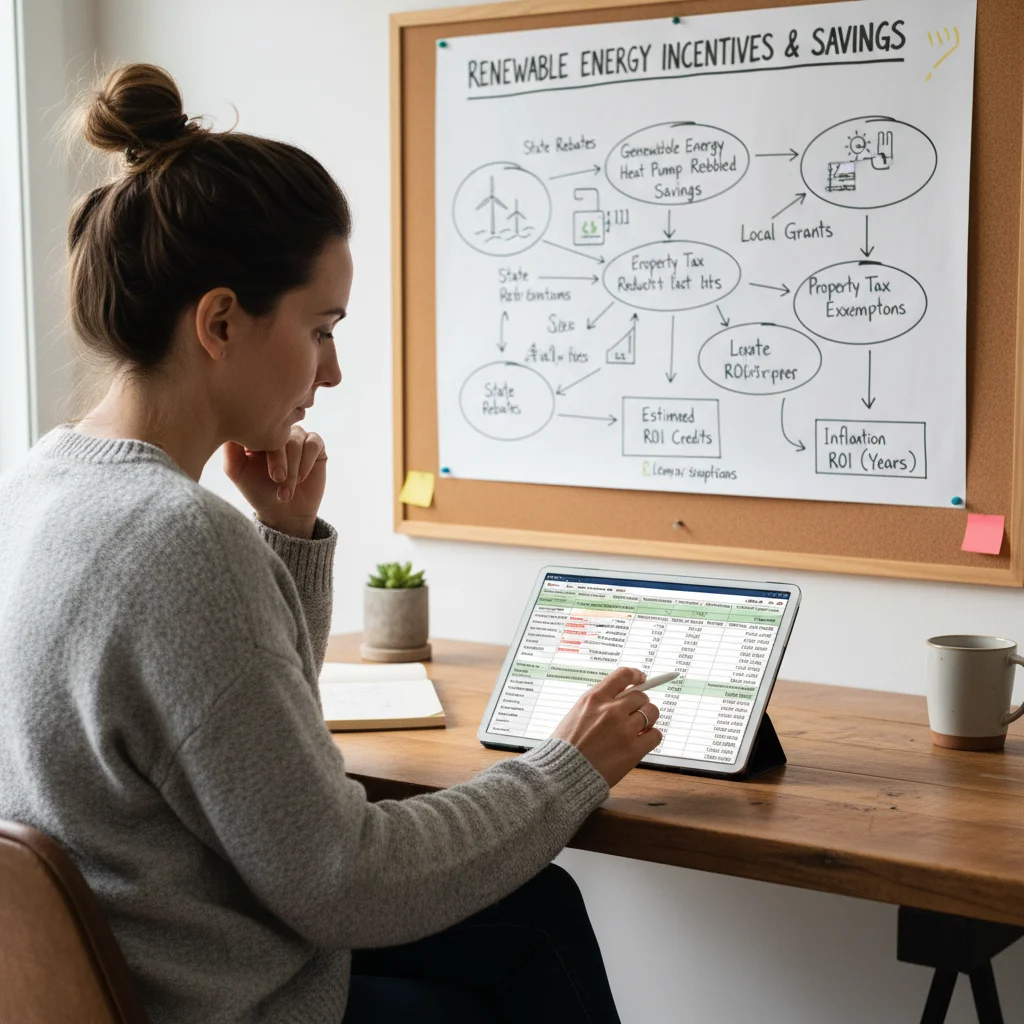
Many states offer their own incentive programs, which can include additional tax credits, rebates, or grants for renewable energy installations and energy efficiency upgrades. Some states have Renewable Energy Credits (RECs) or Solar Renewable Energy Credits (SRECs) that homeowners can sell, generating additional income from their solar production.
Local municipalities and utility companies often provide rebates for specific energy-efficient appliances, smart thermostats, or home energy audits. Researching these local opportunities is crucial, as they can significantly reduce out-of-pocket expenses. Your energy auditor or solar installer can often help identify relevant local programs.
Financing Options
Beyond direct incentives, several financing options can make net-zero upgrades more accessible:
- PACE (Property Assessed Clean Energy) Loans: These loans are repaid through your property taxes and are specifically designed for energy efficiency, renewable energy, and water conservation improvements. They are tied to the property, not the homeowner, and can offer long repayment terms.
- Energy-Efficient Mortgages (EEMs): EEMs allow borrowers to finance energy-efficient upgrades into their mortgage, making it easier to afford improvements at the time of purchase or refinancing.
- Personal Loans or Home Equity Loans: Traditional financing options can also be used, though it’s important to compare interest rates and terms.
- Solar Leases and Power Purchase Agreements (PPAs): These options allow you to get solar panels with little to no upfront cost. With a lease, you pay a fixed monthly fee to a solar provider. With a PPA, you pay for the electricity generated by the panels at a fixed rate, often lower than utility rates. While these don’t offer ownership, they provide immediate savings.
Thoroughly evaluate each financial option to determine the best fit for your budget and long-term financial goals. The combination of incentives and smart financing can make achieving a Net Zero Home 2026 a financially sound decision.
Common Challenges and How to Overcome Them
While the path to a Net Zero Home 2026 is rewarding, it can present challenges. Anticipating these can help you navigate them more effectively.
Upfront Costs
The initial investment for significant energy efficiency upgrades and solar installation can be substantial. However, as detailed above, numerous financial incentives and financing options are available to mitigate these costs. Focus on the long-term savings and increased home value, which often make the investment worthwhile over time.
Permitting and Bureaucracy
Dealing with local building codes, homeowner association (HOA) rules, and utility company requirements can be time-consuming. Work with experienced contractors and solar installers who are familiar with local regulations and can handle the permitting process on your behalf. Start early and be patient.
Finding Qualified Contractors
Ensuring you work with reputable, experienced, and certified professionals is paramount. Ask for references, check reviews, and verify licenses and insurance. For solar, look for installers with North American Board of Certified Energy Practitioners (NABCEP) certification. For efficiency upgrades, seek out BPI-certified contractors.
System Sizing and Performance
Accurately sizing your solar system to meet your reduced energy demand is crucial. An undersized system won’t achieve net-zero, while an oversized one might be an unnecessary expense. Rely on the expertise of your energy auditor and solar designer, and ensure they consider your future energy consumption patterns (e.g., potential EV charging).
Technological Advancements
The renewable energy sector is constantly evolving. While this means better, more efficient products are always emerging, it can also lead to decision paralysis. Focus on proven technologies that offer good warranties and a strong track record. Don’t wait for the ‘perfect’ technology; the benefits of acting now often outweigh the incremental gains of future innovations.
The Long-Term Benefits of Your Net Zero Home 2026
Beyond the immediate satisfaction of energy independence, a Net Zero Home 2026 offers profound long-term advantages:
- Significant Financial Savings: Drastically reduced or eliminated energy bills, providing financial stability and freeing up income for other priorities.
- Increased Home Value: Net-zero homes are highly desirable and often command a premium in the real estate market. Energy efficiency is a key selling point for modern homebuyers.
- Environmental Impact: A substantial reduction in your household’s carbon footprint, contributing directly to combating climate change and promoting a healthier planet.
- Enhanced Comfort and Health: Better insulation, air sealing, and efficient HVAC systems lead to more consistent indoor temperatures, fewer drafts, and improved indoor air quality.
- Energy Resilience: With battery storage, your home can remain powered during grid outages, offering peace of mind and security.
- Future-Proofing: As energy costs rise and environmental regulations tighten, your net-zero home will be well-positioned for the future, insulated from market fluctuations.
Conclusion: Your Sustainable Future Starts Now
The 12-month roadmap to achieving a Net Zero Home 2026 is an ambitious yet entirely attainable goal for U.S. homeowners. By systematically addressing energy efficiency, integrating renewable energy, and leveraging available financial incentives, you can transform your home into a beacon of sustainability and energy independence. This journey is an investment not only in your property but also in your financial future and the health of our planet.
Begin today by conducting your research and scheduling that crucial energy audit. Each step forward brings you closer to a home that is comfortable, resilient, and environmentally responsible. The dream of a Net Zero Home 2026 is within reach – embrace the challenge and enjoy the myriad benefits of sustainable living.