The Latest in Building Envelope Optimization: Achieving 18% Energy Reduction in Commercial Properties by 2026
In an era defined by increasing energy costs, environmental concerns, and a global push towards sustainability, the commercial real estate sector faces immense pressure to enhance its operational efficiency. A critical component in this endeavor is building envelope optimization. The building envelope, comprising the roof, walls, windows, and foundation, acts as the primary barrier between a building’s interior and the external environment. Its performance directly impacts energy consumption, occupant comfort, and overall operational costs. With ambitious targets set for energy reduction, such as an 18% decrease in commercial properties by 2026, understanding and implementing advanced building envelope strategies has never been more crucial.
The journey towards achieving these targets involves a multifaceted approach, integrating cutting-edge materials, innovative design principles, smart technologies, and rigorous performance monitoring. This article delves into the latest trends and proven strategies in building envelope optimization, providing a comprehensive guide for property owners, developers, and facility managers aiming for a more sustainable and economically viable future.
Understanding the Imperative: Why Building Envelope Optimization Matters
The energy footprint of commercial buildings is substantial. According to various reports, buildings account for a significant portion of global energy consumption and greenhouse gas emissions. A poorly performing building envelope allows for uncontrolled heat transfer, leading to increased demand for heating, ventilation, and air conditioning (HVAC) systems. This inefficiency translates directly into higher utility bills, elevated carbon emissions, and potential discomfort for occupants.
The 18% energy reduction target by 2026 is not merely an arbitrary figure; it represents a strategic response to global climate goals and economic realities. Achieving this goal through building envelope optimization offers numerous benefits:
- Cost Savings: Reduced energy consumption directly lowers operational expenses, improving the bottom line.
- Environmental Impact: Lower energy demand means fewer greenhouse gas emissions, contributing to a healthier planet.
- Occupant Comfort and Productivity: A well-optimized envelope ensures stable indoor temperatures and better air quality, leading to a more comfortable and productive environment for occupants.
- Increased Asset Value: Energy-efficient buildings are more attractive to tenants and buyers, commanding higher rents and property values.
- Regulatory Compliance: Adhering to evolving energy codes and sustainability standards helps avoid penalties and enhances corporate reputation.
Key Components of an Optimized Building Envelope
Optimizing the building envelope involves a holistic consideration of its various components. Each element plays a vital role in the overall thermal and airtightness performance of the structure.
1. Advanced Insulation Systems
Insulation is the cornerstone of an energy-efficient building envelope. Traditional insulation materials are continuously being improved, and new technologies are emerging. The focus is on achieving higher R-values (thermal resistance) with thinner profiles and enhanced durability.
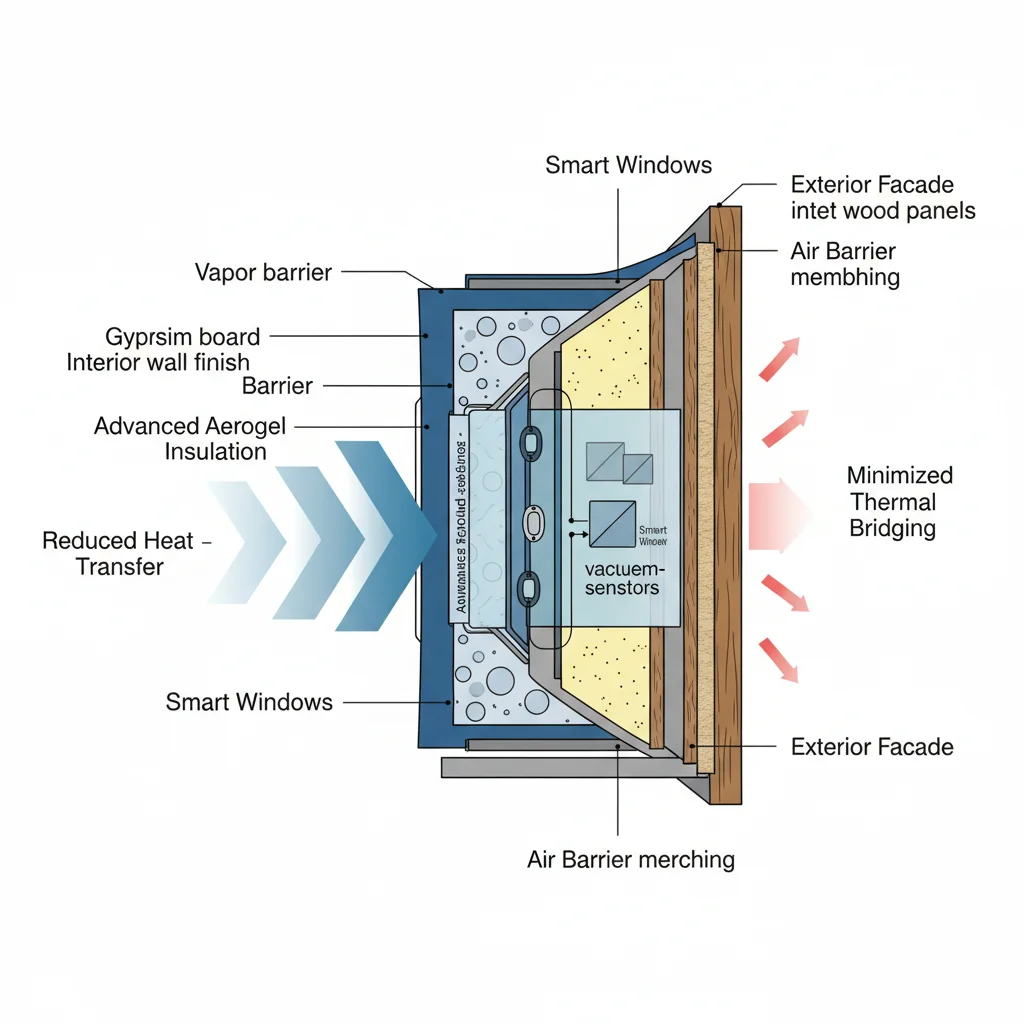
- Continuous Insulation (CI): This involves applying insulation continuously over an entire assembly, without thermal bridges created by framing members. CI significantly reduces heat flow through the wall assembly, improving overall thermal performance.
- Vacuum Insulated Panels (VIPs): VIPs offer extremely high R-values for their thickness, making them ideal for space-constrained applications. They consist of a rigid panel with a vacuum-sealed core, minimizing heat transfer through conduction and convection.
- Aerogels: Known for their exceptionally low thermal conductivity, aerogels are super-lightweight materials that can provide superior insulation in very thin layers, suitable for challenging architectural details.
- Phase Change Materials (PCMs): Integrated into insulation or building materials, PCMs can absorb, store, and release latent heat as they change phase (e.g., from solid to liquid), helping to regulate indoor temperatures and reduce peak HVAC loads.
2. High-Performance Glazing and Window Systems
Windows are often the weakest link in the building envelope regarding energy efficiency. Modern glazing technologies aim to minimize heat loss in winter and heat gain in summer while maximizing natural light.
- Low-Emissivity (Low-E) Coatings: These microscopic metallic coatings on glass reflect infrared radiation, keeping heat inside during cold weather and outside during warm weather, without significantly affecting visible light transmission.
- Triple and Quadruple Glazing: Adding more panes of glass with inert gas fills (like argon or krypton) between them significantly increases a window’s insulating value, reducing U-factors (heat transfer coefficient).
- Dynamic Glazing (Smart Windows): These windows can change their optical properties (tint, transparency) in response to external conditions or occupant preferences. Electrochromic, thermochromic, and photochromic technologies allow for automated control over solar heat gain and glare, dramatically improving energy performance.
- Advanced Framing Materials: Window frames made from insulated fiberglass, composite materials, or thermally broken aluminum reduce heat conduction through the frame itself.
3. Airtightness and Moisture Management
Air leakage can account for a significant portion of a building’s energy loss. Effective airtightness strategies are crucial for building envelope optimization.
- Air Barrier Systems: A continuous air barrier system, properly designed and installed, prevents uncontrolled airflow through the building envelope. This can include membranes, rigid insulation, or specialized coatings.
- Sealing and Caulking: Meticulous sealing of joints, penetrations, and transitions between different building materials is essential to prevent air infiltration and exfiltration.
- Moisture Control: Beyond air, managing moisture is critical to prevent mold growth, material degradation, and diminished insulation performance. Vapor barriers and proper drainage planes are integral to a robust moisture management strategy.
4. Optimized Roofing Systems
The roof is a large surface exposed to direct solar radiation and weather elements, making its optimization vital.
- Cool Roofs: These roofs use highly reflective and emissive materials to reduce heat absorption from the sun, lowering the roof surface temperature and decreasing heat transfer into the building. This significantly reduces cooling loads.
- Green Roofs: Vegetated roofs provide insulation, reduce the urban heat island effect, manage stormwater, and can contribute to biodiversity. They offer both thermal benefits and ecological advantages.
- High-Performance Insulation: Integrating robust insulation layers with high R-values directly beneath the roofing membrane is crucial for minimizing heat transfer.
Integrating Smart Technologies for Enhanced Optimization
The advent of smart building technologies has revolutionized the potential for building envelope optimization. These technologies enable dynamic control and continuous improvement of envelope performance.
1. Building Management Systems (BMS) and Sensors
Modern BMS platforms, integrated with an array of sensors, can monitor various environmental parameters both inside and outside the building. Temperature, humidity, light levels, and occupancy data can inform real-time adjustments to dynamic glazing, shading systems, and HVAC operations, optimizing energy use.
2. Predictive Analytics and Machine Learning
By analyzing historical and real-time data, predictive analytics can forecast energy demand and optimize building operations. Machine learning algorithms can identify patterns of energy waste and suggest or implement proactive adjustments to the building envelope’s interactions with HVAC and lighting systems.
3. Automated Shading Systems
Motorized blinds, shades, and external louvers can be integrated into the BMS to automatically adjust based on solar angles, daylight availability, and occupancy, preventing unwanted solar heat gain and reducing glare while maximizing natural light.
Strategies for Achieving 18% Energy Reduction by 2026
To meet the ambitious 18% energy reduction target, a strategic and phased approach to building envelope optimization is essential. This isn’t just about new construction; retrofitting existing commercial properties offers significant opportunities.
1. Comprehensive Energy Audits
Before implementing any changes, a thorough energy audit is paramount. This involves:
- Blower Door Tests: To quantify air leakage rates and identify specific leakage points.
- Thermal Imaging: To visualize heat loss/gain through the envelope and pinpoint areas of poor insulation or thermal bridging.
- Building Modeling and Simulation: To predict energy performance of proposed upgrades and compare different scenarios.
These audits provide a baseline and help prioritize the most impactful and cost-effective improvements.
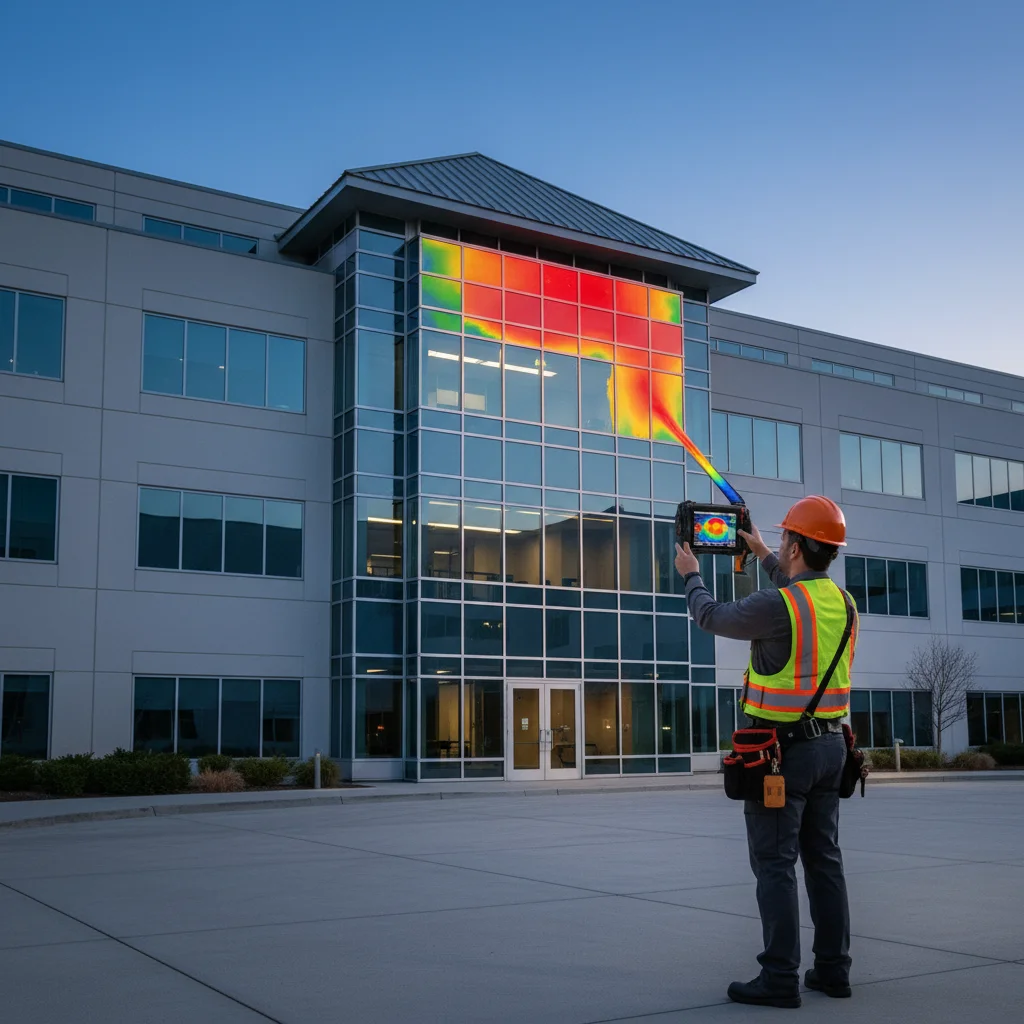
2. Prioritizing Cost-Effective Upgrades
Not all envelope upgrades have the same return on investment. Focus on improvements that offer the best balance of energy savings and cost. Often, sealing air leaks and enhancing insulation are among the most cost-effective measures, followed by window upgrades and roof improvements.
3. Phased Implementation for Existing Buildings
For large commercial properties, a complete overhaul of the building envelope might be impractical or too costly in one go. A phased approach, tackling one section or component at a time, can make the process more manageable and financially viable. For example, upgrading the roof during scheduled maintenance, then addressing windows, and finally walls.
4. Integrating Renewables and HVAC Optimization
While building envelope optimization focuses on reducing demand, integrating renewable energy sources (like rooftop solar PV) can further reduce reliance on the grid. Moreover, optimizing the building envelope reduces the load on HVAC systems, allowing them to operate more efficiently or even be downsized, leading to additional energy and cost savings.
5. Performance Monitoring and Continuous Commissioning
The work doesn’t end after upgrades are implemented. Continuous monitoring of energy performance through sub-metering and smart building systems allows for real-time adjustments and identification of any performance gaps. Continuous commissioning ensures that building systems, including the envelope, operate as intended throughout their lifecycle.
Case Studies and Real-World Impact
Numerous commercial properties have already demonstrated the profound impact of comprehensive building envelope optimization. For instance, a renovated office tower in New York City achieved a 30% reduction in energy consumption primarily through façade upgrades, including high-performance windows and enhanced insulation. Similarly, a retail complex in California implemented cool roof technology and dynamic shading, leading to a 20% decrease in its annual cooling load.
These examples underscore that the 18% energy reduction target by 2026 is not just aspirational but entirely achievable with strategic investment and innovative application of existing and emerging technologies.
Challenges and Future Trends in Building Envelope Optimization
Despite the clear benefits, implementing extensive building envelope optimization can present challenges:
- Upfront Costs: High-performance materials and advanced systems often come with higher initial costs, which can be a barrier for some property owners.
- Disruption to Operations: Retrofitting existing buildings can cause temporary disruptions to tenants and business operations.
- Complexity of Integration: Integrating various envelope components and smart technologies requires specialized expertise and careful planning.
However, the future of building envelope optimization is bright, driven by ongoing innovation and a growing emphasis on sustainability:
- Biomimicry: Designing building envelopes that mimic natural systems, such as a pinecone opening and closing based on humidity, to regulate internal conditions passively.
- Self-Healing Materials: Development of materials that can autonomously repair cracks or damage, extending the lifespan of the envelope and reducing maintenance.
- Integrated Photovoltaics (BIPV): Building-integrated photovoltaics are becoming more aesthetically pleasing and efficient, allowing building surfaces to generate electricity while also serving as envelope components.
- Advanced Digital Twins: Creating highly detailed virtual models of buildings that can simulate real-world performance, predict maintenance needs, and optimize energy strategies in real-time.
- Circular Economy Principles: Designing envelopes with materials that are easily disassembled, reused, or recycled at the end of their lifecycle, minimizing waste.
Conclusion
The goal of achieving an 18% energy reduction in commercial properties by 2026 through building envelope optimization is an ambitious yet attainable objective. It requires a commitment to understanding the intricate dynamics of heat, air, and moisture transfer, coupled with a willingness to embrace innovative materials and smart technologies. By investing in advanced insulation, high-performance glazing, robust airtightness measures, and intelligent control systems, commercial buildings can significantly reduce their energy footprint, lower operational costs, enhance occupant comfort, and contribute meaningfully to global sustainability efforts.
The path forward involves strategic planning, comprehensive energy audits, phased implementation, and continuous performance monitoring. As technology evolves and the imperative for sustainable practices grows, the building envelope will remain at the forefront of energy efficiency, transforming commercial properties into more resilient, environmentally responsible, and economically viable assets for the future.