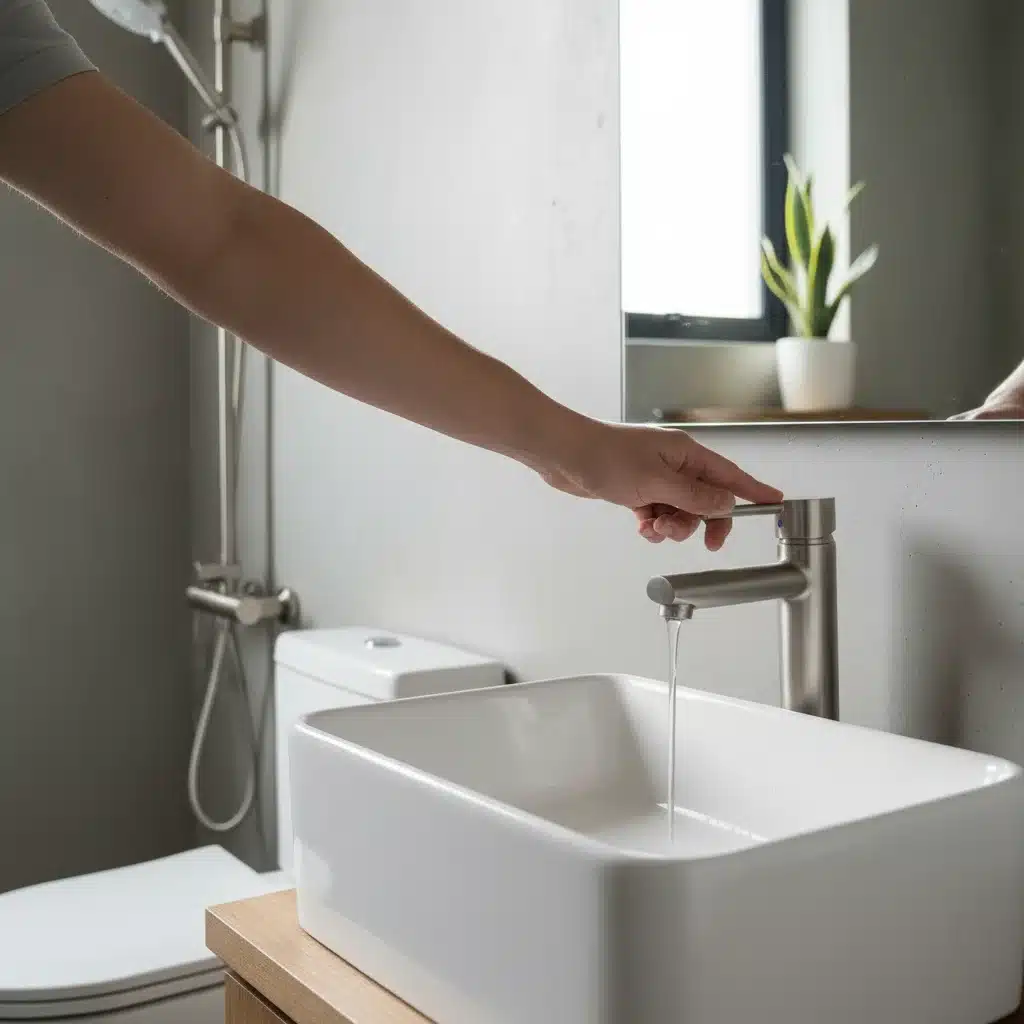
Practical Solutions for Water Conservation: 8 Low-Cost Upgrades to Cut Household Water Usage by 25% This Year
In an era where environmental consciousness is no longer a luxury but a necessity, finding ways to reduce our ecological footprint has become a top priority for many homeowners. Among the various aspects of sustainable living, water conservation stands out as one of the most impactful and immediately beneficial. Not only does saving water contribute to the preservation of a vital natural resource, but it also translates directly into significant savings on your utility bills. The good news is that you don’t need to undertake expensive renovations or complex projects to make a substantial difference. This article will guide you through 8 effective, low-cost water saving upgrades that can realistically cut your household water usage by 25% or more within the year. These practical solutions are designed to be accessible, easy to implement, and highly effective, proving that even small changes can lead to monumental results.
Understanding your current water consumption is the first step towards reducing it. Many households are surprised to learn just how much water they use daily, often without realizing the extent of their waste. From long showers to leaky faucets, and inefficient appliances to excessive outdoor watering, there are numerous areas where water is inadvertently squandered. Our focus here is on actionable, budget-friendly strategies that provide a high return on investment, both for your wallet and the planet. By adopting these low-cost water saving measures, you’ll be well on your way to a more sustainable and economically sound home.
1. Install Low-Flow Aerators on Faucets
One of the simplest and most cost-effective ways to reduce water consumption in your kitchen and bathrooms is by installing low-flow aerators on your faucets. These small devices, which typically cost only a few dollars each, screw onto the end of your existing faucets and mix air with the water stream, creating a seemingly strong flow while actually using significantly less water. Standard faucets can flow at rates of 2.2 gallons per minute (GPM) or more, while low-flow aerators can reduce this to 1.5 GPM or even less, without a noticeable difference in pressure for most tasks. This seemingly minor adjustment can lead to substantial savings over time, especially in high-use areas like the kitchen sink or bathroom vanity.
The installation process is incredibly straightforward and requires no special tools. You simply unscrew the old aerator (often by hand or with a wrench if it’s tight) and screw on the new low-flow model. This immediate upgrade ensures that every time you wash your hands, brush your teeth, or rinse dishes, you’re doing so with greater efficiency. Consider the cumulative effect of these small savings throughout the day, every day. It’s an excellent first step in your journey toward significant low-cost water saving.
2. Replace Old Showerheads with Low-Flow Models
Showers are often one of the biggest water consumers in a household. Traditional showerheads can pour out 2.5 GPM or more, and a 10-minute shower can easily use 25 gallons of water. Upgrading to a low-flow showerhead is another highly effective and relatively inexpensive way to achieve substantial water savings. Modern low-flow showerheads are engineered to deliver a satisfying shower experience while using as little as 1.5 to 2.0 GPM. Thanks to advanced technology, these aren’t the weak, unsatisfying showerheads of the past; many offer excellent pressure and coverage.
The cost of a good quality low-flow showerhead can range from $20 to $50, making it a very accessible upgrade. Installation is usually a simple DIY task: unscrew the old showerhead, clean the threads, apply new plumber’s tape, and screw on the new one. This single change can drastically reduce the amount of hot water used, leading to additional savings on your energy bill as your water heater works less. For families, especially those with multiple daily showers, this particular low-cost water saving measure can quickly pay for itself and contribute significantly to the 25% reduction goal.
3. Fix Leaky Faucets and Toilets Immediately
It might seem obvious, but ignoring leaks is like pouring money down the drain – literally. A single leaky faucet dripping at one drip per second can waste thousands of gallons of water per year. A running toilet can be even worse, potentially wasting hundreds of gallons per day, adding up to tens of thousands annually. These leaks often go unnoticed or are put off because they seem minor, but their cumulative impact on your water bill and the environment is enormous. Addressing leaks is perhaps the most crucial and often overlooked aspect of effective low-cost water saving.
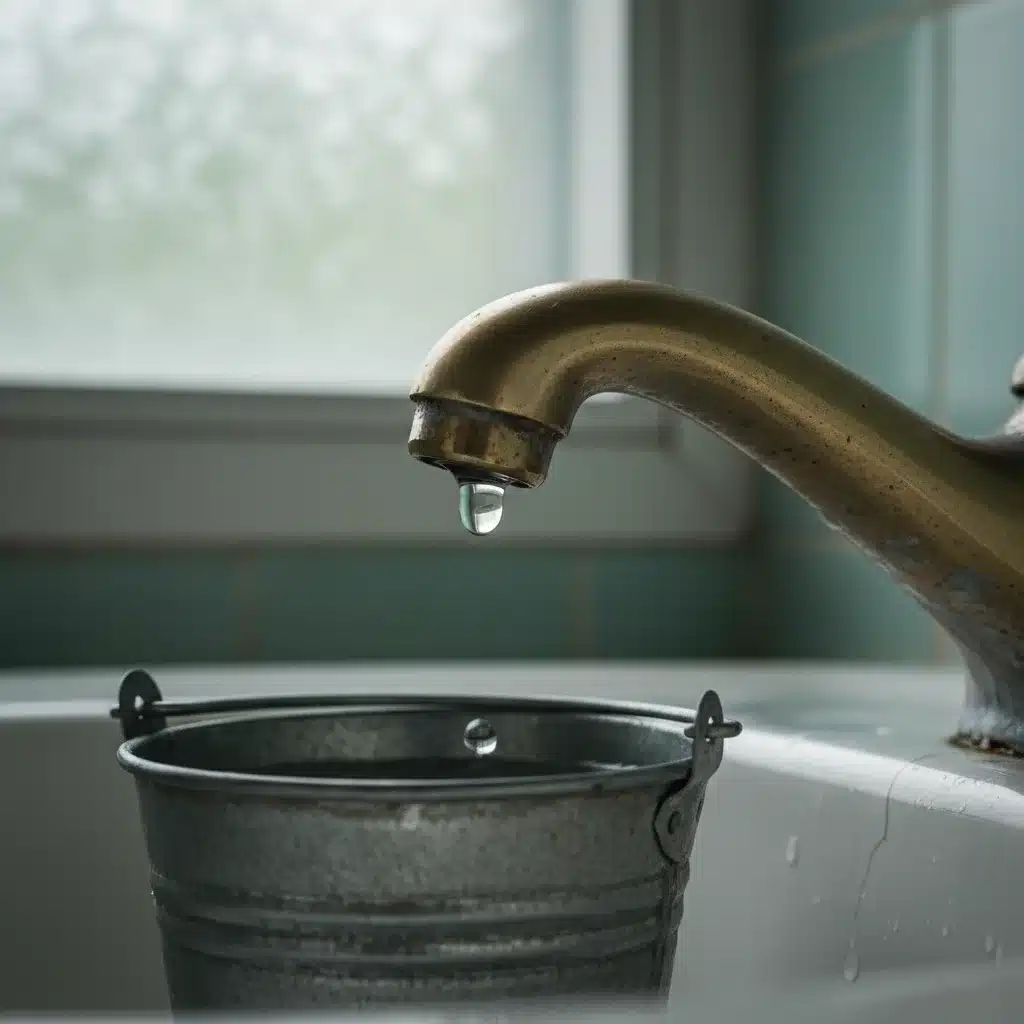
Most faucet leaks can be fixed by replacing a worn-out washer or O-ring, a repair that costs mere pennies and can be done by anyone with basic DIY skills. Toilet leaks are often caused by a faulty flapper valve, which can be replaced for less than $10-$20. To check for a toilet leak, add a few drops of food coloring to the tank and wait about 15-20 minutes without flushing. If color appears in the bowl, you have a leak. Investing a small amount of time and money into these repairs yields immediate and substantial returns, making it an essential step for any household aiming for serious water conservation.
4. Install a Dual-Flush Converter for Toilets
Toilets are notorious for being the biggest indoor water users in most homes, accounting for approximately 30% of residential indoor water consumption. Older toilets can use 3.5 to 7 gallons per flush (GPF), while modern high-efficiency toilets (HETs) use 1.28 GPF or less. If replacing your entire toilet is not currently in your budget, a dual-flush converter offers an excellent low-cost water saving alternative. These kits typically cost between $20 and $40 and allow your existing toilet to have two flush options: a low-volume flush for liquid waste and a full-volume flush for solid waste.
Installing a dual-flush converter usually involves replacing the existing flapper and flush handle mechanism with the new system. It’s a moderately simple DIY project that can be completed in an hour or two. By providing the option to use less water for most flushes, you can significantly reduce the overall water consumption from your toilet without the expense of a full replacement. This upgrade is particularly effective in homes with older, inefficient toilets, offering a substantial step towards your 25% water reduction goal.
5. Use a Rain Barrel for Outdoor Watering
Outdoor watering can account for a significant portion of a household’s water usage, especially during dry seasons. Instead of relying solely on municipal water for your garden, consider installing a rain barrel. Rain barrels collect rainwater from your roof via your downspout, providing a free and readily available source of water for your plants, lawn, and even for washing your car. A typical rain barrel holds 50-80 gallons, and a single downpour can easily fill it, providing ample water for your gardening needs.
The cost of a rain barrel can vary, with basic models starting around $70-$100, though you can often find cheaper options or even build one yourself from repurposed materials. Installation is straightforward: place the barrel under a downspout, perhaps with a diverter kit to direct water into the barrel when it rains and back into the downspout when it’s full. Not only is this an excellent low-cost water saving strategy, but rainwater is also better for plants as it’s free of chlorine and other chemicals found in treated tap water. This eco-friendly solution reduces your reliance on treated water and helps manage stormwater runoff, benefiting both your garden and the local ecosystem.
6. Implement Drip Irrigation for Gardens and Landscaping
Traditional sprinklers can be highly inefficient, losing a significant amount of water to evaporation, wind, and runoff. Drip irrigation systems, on the other hand, deliver water slowly and directly to the plant roots, minimizing waste and maximizing efficiency. While a full-scale drip irrigation system for a large yard can be an investment, you can start with a low-cost water saving approach by installing smaller drip kits for specific garden beds, raised planters, or even individual trees and shrubs.
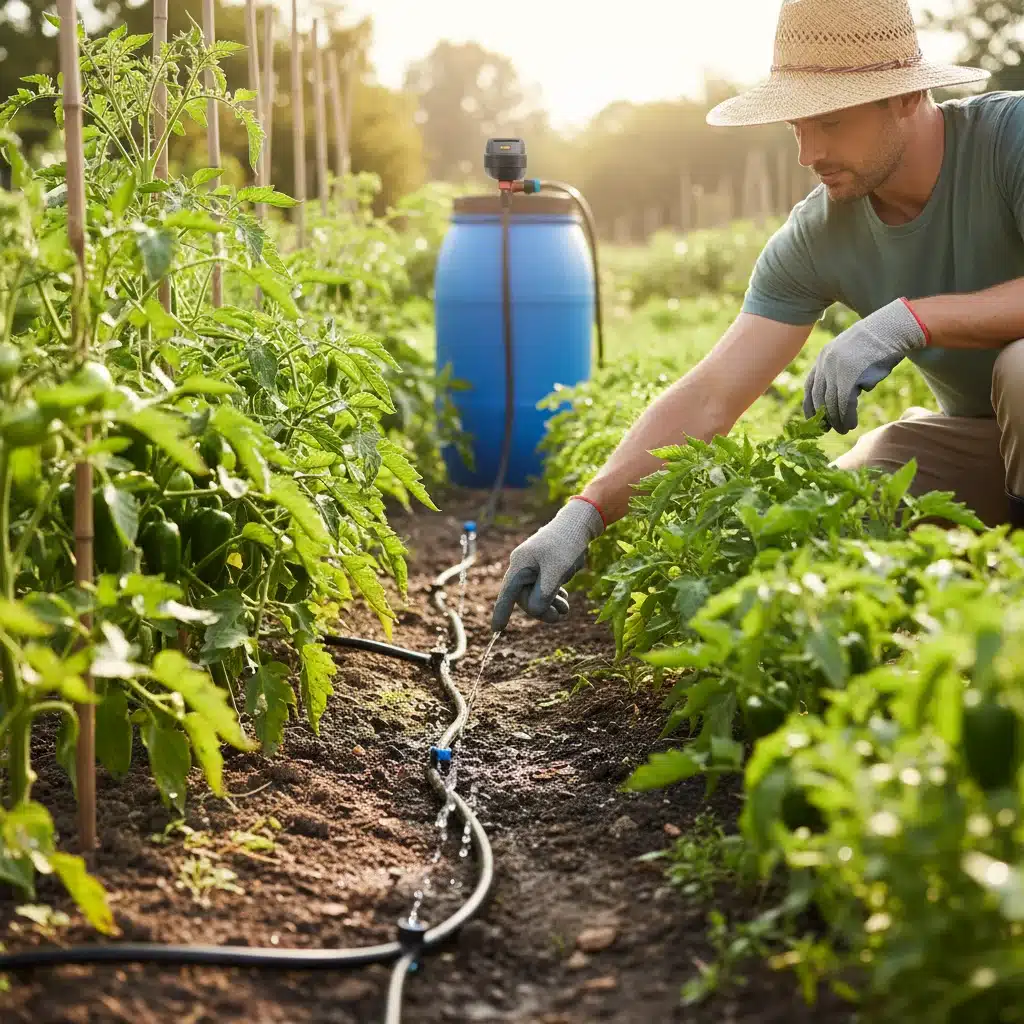
Basic drip irrigation kits, including tubing, emitters, and connectors, can be purchased for $30-$60 and are relatively easy to install. They connect to your outdoor spigot and can be set up with a timer for automated watering, ensuring your plants get exactly what they need without overwatering. This precision watering not only conserves water but also promotes healthier plant growth by reducing fungal diseases often associated with overhead watering. For anyone serious about reducing outdoor water use, drip irrigation is an indispensable low-cost water saving upgrade.
7. Use a Smart Water Meter or Water Usage Monitor
You can’t manage what you don’t measure. While not a direct water-saving device in itself, a smart water meter or a water usage monitor can be an invaluable tool for identifying where and how much water your household is consuming. These devices can connect to your main water line and provide real-time data on water flow, often accessible via a smartphone app. Some even alert you to potential leaks or unusually high usage patterns, helping you catch problems early.
The cost for these devices can range from $70 for simpler monitors to $200+ for more advanced smart meters. While it might seem like a higher initial outlay compared to other items on this list, the insights gained can lead to significant behavioral changes and the early detection of costly leaks, paying for itself over time. Knowing your precise water usage empowers you to make informed decisions and fine-tune your low-cost water saving efforts, making it an excellent investment for long-term conservation.
8. Insulate Your Hot Water Pipes
This tip might not directly reduce the volume of water you use, but it significantly reduces the amount of water wasted while waiting for hot water to arrive at your faucet or shower. When hot water pipes are uninsulated, the water inside them cools down quickly after you turn off the tap. The next time you need hot water, you have to run the tap for a longer period, letting cold water go down the drain until the hot water arrives. This wasted cold water, though seemingly minor, adds up considerably over time.
Insulating your hot water pipes is a simple and very low-cost water saving project. You can buy pre-slit foam pipe insulation for just a few dollars per length at any hardware store. It’s easy to cut to size and simply slips over your pipes. Focus on the pipes closest to your water heater and those that run to frequently used fixtures like kitchen sinks and showers. By keeping the water in the pipes warmer for longer, you reduce the wait time and thus the amount of cold water wasted, contributing to overall household efficiency and lower utility bills.
Beyond the Upgrades: Cultivating Water-Wise Habits
While these 8 low-cost water saving upgrades are highly effective, their impact is amplified when combined with conscious, water-wise habits. These habits require no financial investment but demand a commitment to mindful water use. Here are a few essential practices to integrate into your daily routine:
- Take Shorter Showers: Even with a low-flow showerhead, reducing your shower time by a few minutes can save gallons of water daily.
- Turn Off the Tap: Don’t let the water run while brushing your teeth, shaving, or scrubbing dishes.
- Full Loads Only: Run your dishwasher and washing machine only when they are fully loaded. Modern appliances are efficient, but multiple small loads still consume more water and energy.
- Defrost Food in the Refrigerator: Avoid using running water to thaw frozen food; plan ahead and defrost it in the fridge overnight.
- Collect Cold Shower Water: While waiting for your shower to heat up, collect the cold water in a bucket and use it to water plants or flush toilets.
- Water Plants Wisely: Water your garden early in the morning or late in the evening to minimize evaporation. Group plants with similar water needs together.
- Sweep, Don’t Hose: Use a broom to clean driveways and sidewalks instead of a hose.
These habits, when combined with the physical upgrades, create a holistic approach to water conservation that is both effective and sustainable. The synergy between technological improvements and behavioral changes is key to achieving and even surpassing your goal of cutting household water usage by 25%.
The Long-Term Benefits of Low-Cost Water Saving
Implementing these low-cost water saving upgrades and adopting water-wise habits offers a multitude of benefits that extend far beyond simply reducing your water bill. Environmentally, you are contributing to the preservation of a finite and increasingly precious resource. Reduced water demand lessens the strain on local water supplies, ecosystems, and the energy required for water treatment and distribution. This, in turn, can help mitigate the impacts of droughts and support healthier aquatic environments.
Economically, the savings on your utility bills will accumulate over time, freeing up funds for other household needs or investments. Many of these upgrades pay for themselves within a year or two, and some even qualify for local rebates or incentives, further sweetening the deal. Furthermore, a water-efficient home is often seen as a more desirable and valuable property, should you decide to sell in the future.
Psychologically, there’s a deep satisfaction that comes from knowing you are living more sustainably and responsibly. Taking concrete steps to reduce your environmental impact fosters a sense of empowerment and contributes to a healthier, more conscious lifestyle for you and your family. The ripple effect of these individual actions can inspire others in your community, creating a collective movement towards greater environmental stewardship.
Conclusion: Achieve Significant Savings with Smart Choices
Achieving a 25% reduction in household water usage this year is not an ambitious pipe dream; it’s an entirely attainable goal through the strategic implementation of low-cost water saving upgrades and mindful daily habits. From simple faucet aerators and low-flow showerheads to smart water monitors and rain barrels, each of these solutions offers a practical and budget-friendly path to greater water efficiency. By addressing leaks promptly, optimizing toilet usage, and making smarter choices for outdoor watering, you can significantly reduce your water footprint and enjoy the financial and environmental benefits that follow.
Start small, choose one or two upgrades that seem most manageable, and gradually incorporate more as you build momentum. The cumulative effect of these changes will not only make a tangible difference in your utility bills but also contribute to a more sustainable future for everyone. Embrace these practical solutions, and transform your home into a beacon of water conservation, proving that saving water doesn’t have to be expensive or complicated.