Optimize Window Performance: Cut Heat Transfer by 15% with These 3 Strategies
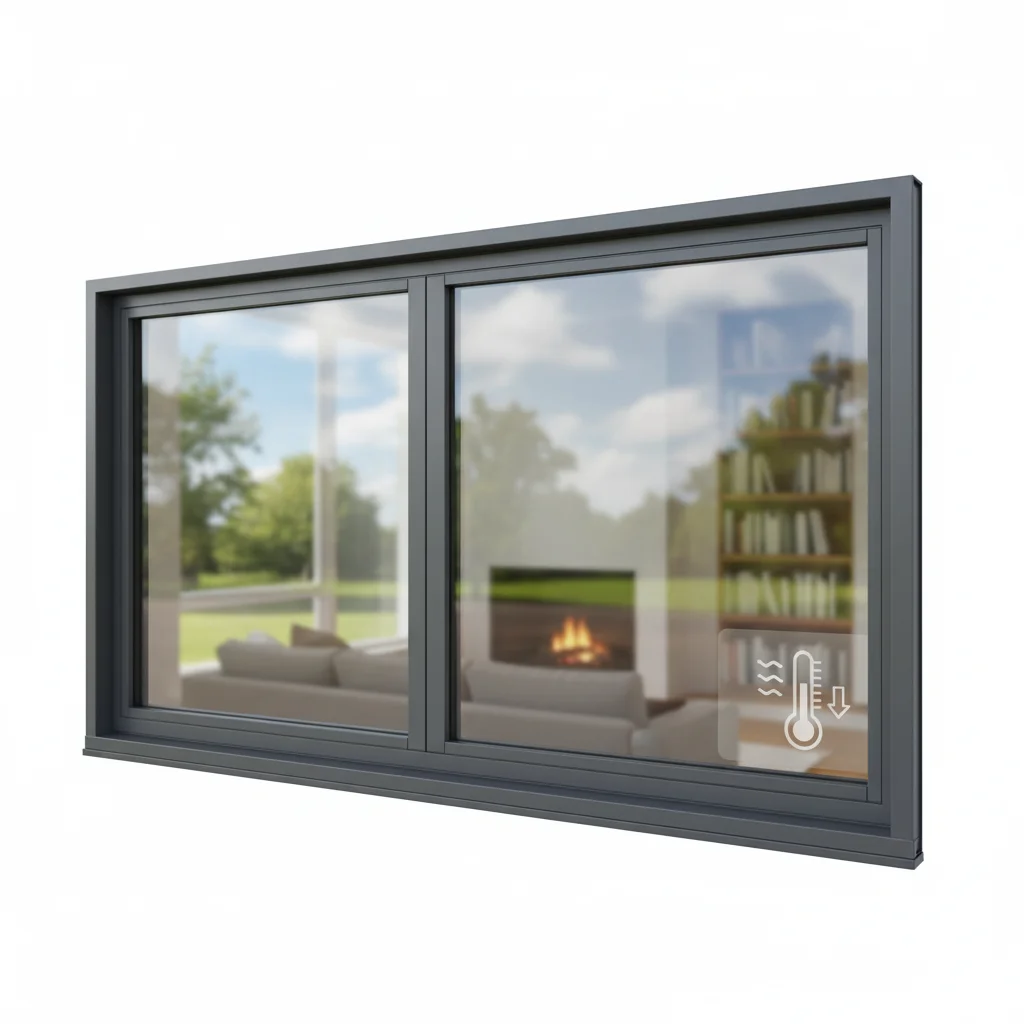
Your windows are more than just a gateway to the outside world; they are critical components of your home’s energy efficiency. In fact, inefficient windows can account for a significant portion of your heating and cooling costs, allowing up to 25-30% of heat transfer in and out of your home. This means that during scorching summers, your air conditioner works overtime to combat heat gain, and in frigid winters, your furnace struggles to maintain warmth as heat escapes. The good news is that you don’t always need to undertake a costly full window replacement to see substantial improvements. By focusing on smart, cost-effective strategies, you can significantly optimize window performance and reduce heat transfer by 15% or more, leading to a noticeable decrease in your energy bills and a more comfortable living environment year-round.
The goal of this comprehensive guide is to empower homeowners with practical, actionable steps to enhance their windows’ thermal efficiency without breaking the bank. We’ll delve into three primary strategies that have proven track records for improving insulation, blocking unwanted solar radiation, and sealing air leaks. These aren’t just theoretical concepts; they are real-world solutions that can be implemented with varying levels of DIY effort and investment, offering a tangible return on your time and money. Understanding the science behind heat transfer – conduction, convection, and radiation – will help you appreciate how these strategies work to create a more stable indoor climate. Conduction is the transfer of heat through materials, such as glass. Convection is the heat transfer through the movement of fluids (like air), often seen as drafts. Radiation is the transfer of heat through electromagnetic waves, like sunlight warming your home. Our recommended solutions address all three.
Before we dive into the specific methods, it’s crucial to perform a basic assessment of your current window situation. Walk around your home, especially on a windy day or when there’s a significant temperature difference between indoors and outdoors. Can you feel drafts near your windows? Are the window panes noticeably hot or cold to the touch? Do you see condensation forming on the inside of your windows? These are all indicators that your windows are not performing optimally. Identifying these issues is the first step toward effective mitigation. Remember, even small improvements can collectively lead to substantial energy savings and a more comfortable home. Let’s explore how to effectively optimize window performance.
Strategy 1: Harnessing the Power of Window Films for Enhanced Insulation and Solar Control
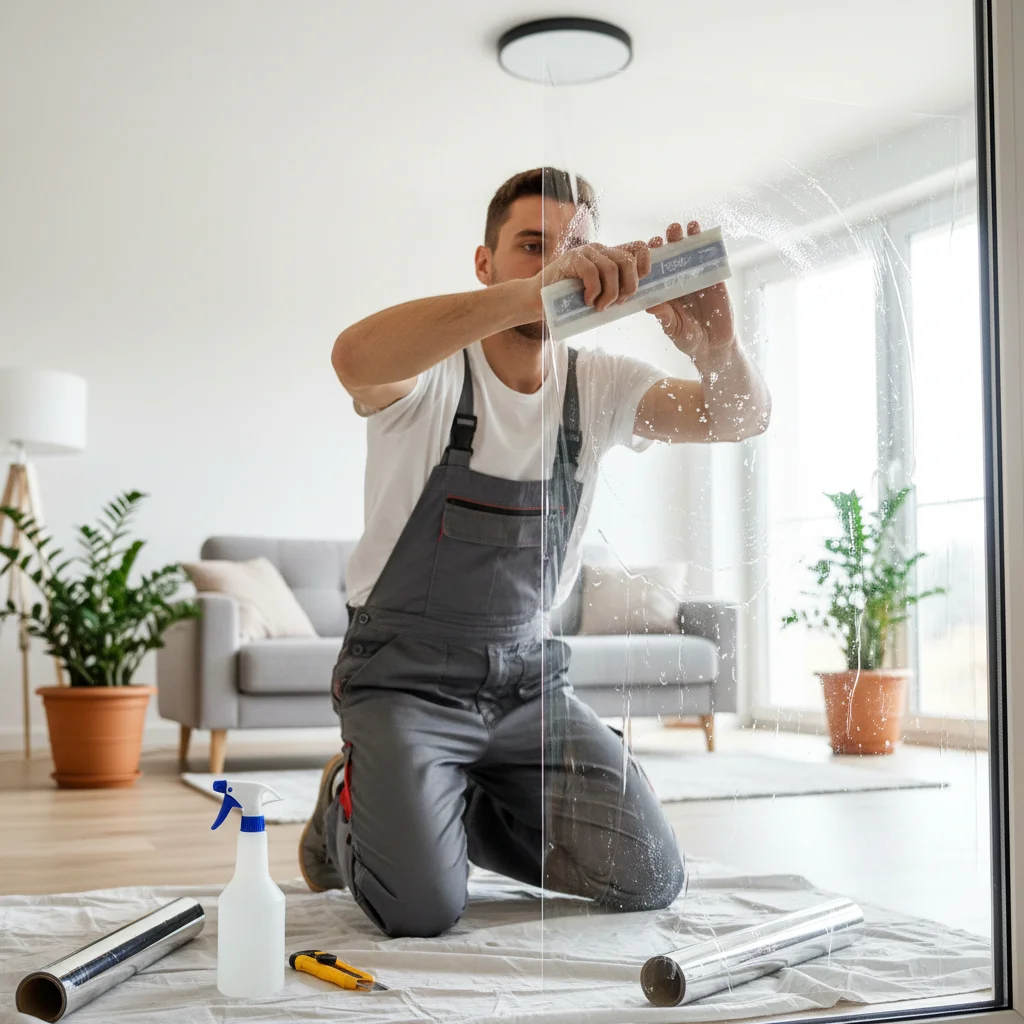
Window films are often overlooked as a powerful and cost-effective tool for significantly improving window performance. These thin, multi-layered polyester coatings are applied directly to the interior surface of your existing window glass and can dramatically alter how your windows manage heat. There are various types of window films, each designed to address specific issues related to heat transfer. Understanding these types is key to choosing the right solution for your home.
Low-Emissivity (Low-E) Window Films
Low-E films are engineered with microscopic metallic layers that are virtually invisible to the naked eye. Their primary function is to reduce heat transfer by radiation. In winter, they reflect interior heat back into the room, preventing it from escaping through the glass. In summer, they reflect exterior heat away, preventing it from entering your home. This dual action makes Low-E films incredibly versatile. They can reduce heat loss in winter by up to 30% and heat gain in summer by up to 50%, leading to substantial energy savings. The beauty of Low-E films is that they allow most visible light to pass through, so your views remain largely unobstructed, and your rooms stay bright.
Solar Control Window Films
For homes that experience significant solar heat gain, especially those with south or west-facing windows, solar control films are an excellent choice. These films are designed to block a high percentage of solar radiation, including ultraviolet (UV) rays and infrared (IR) rays, which are the primary culprits for heat buildup. By rejecting solar heat, these films can keep your home cooler, reducing the workload on your air conditioning system. Many solar control films also offer significant UV protection, which helps prevent fading of furniture, flooring, and artwork. While some solar films can have a slightly darker or reflective appearance, newer technologies offer more neutral options that maintain natural light levels.
Insulating Window Films (Storm Window Films)
While not strictly a ‘film’ in the same vein as Low-E or solar films, insulating window films (often referred to as ‘storm window films’ or ‘shrink-wrap kits’) create a sealed air pocket between the film and the window pane. This trapped layer of still air acts as an additional insulating barrier, similar to how double-pane windows work. These films are typically applied with double-sided tape and then shrunk taut with a hairdryer, creating a clear, tight seal. They are particularly effective for older, single-pane windows, providing a noticeable reduction in heat loss during colder months. While often a temporary solution for the winter, their low cost and ease of installation make them a popular DIY option for immediate comfort and energy savings.
Installation Tips for Window Films
- Cleanliness is Key: Thoroughly clean your windows before application. Any dust or debris will be trapped under the film and visible.
- Measure Accurately: Measure your windows precisely and cut the film slightly larger than needed, trimming to fit after application.
- Use a Squeegee: A squeegee is essential for smoothing out bubbles and ensuring proper adhesion.
- Work in Sections: For larger windows, it’s easier to apply the film in smaller, manageable sections.
- Read Instructions Carefully: Each film product may have specific instructions; always follow them for best results.
By strategically applying the right type of window film, you can achieve a significant reduction in heat transfer, leading to lower energy bills and a more comfortable indoor environment. This relatively inexpensive upgrade offers a quick return on investment and is a fantastic way to optimize window performance without major renovations.
Strategy 2: Sealing Air Leaks and Enhancing Insulation Around Window Frames
Even the most advanced window glass won’t perform optimally if air is leaking around the frame. Air infiltration and exfiltration (drafts) are major contributors to heat transfer, allowing conditioned air to escape and unconditioned air to enter your home. This constant exchange forces your HVAC system to work harder, consuming more energy. Addressing these air leaks is one of the most impactful and cost-effective ways to optimize window performance. The primary tools for this strategy are caulk and weatherstripping.
Caulking for Permanent Seals
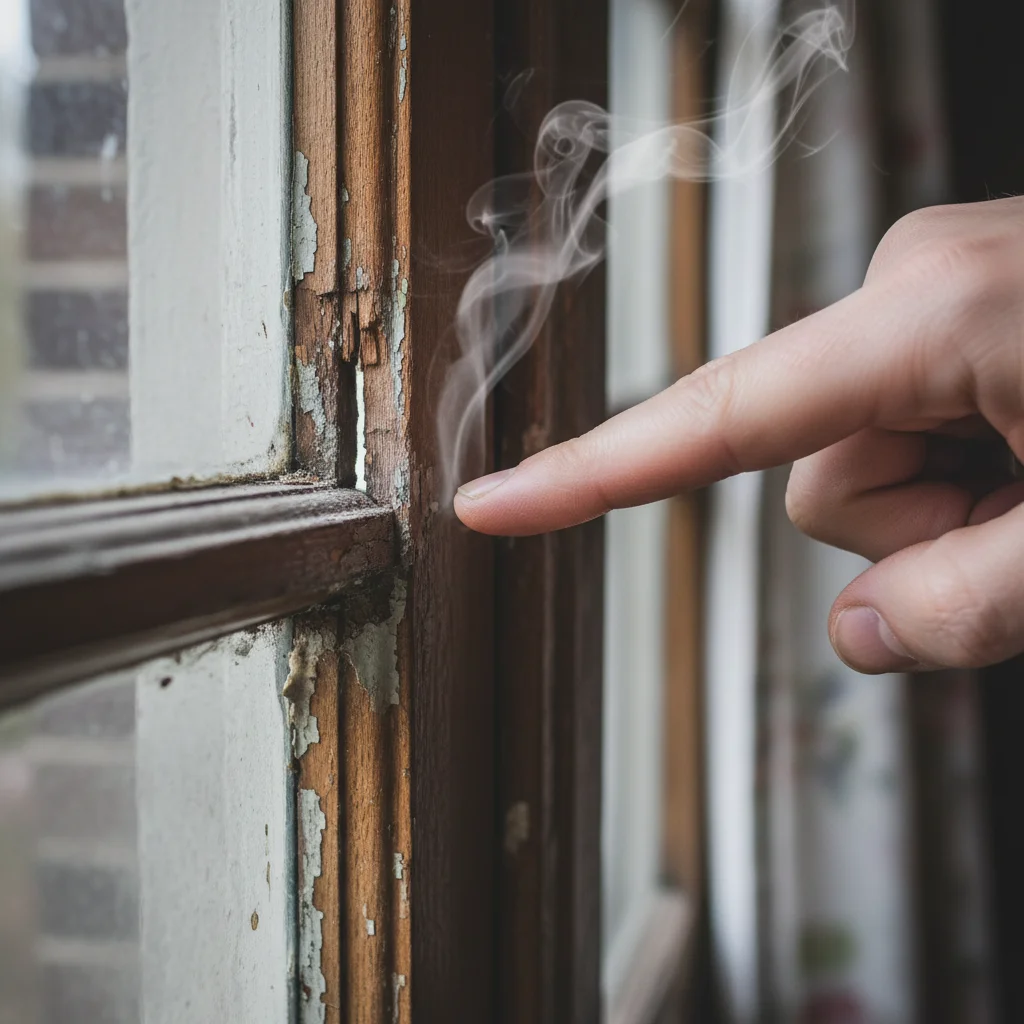
Caulk is a flexible sealant used to fill cracks and gaps around stationary components of your window, such as where the window frame meets the wall or where two non-moving parts of the frame meet. Over time, houses settle, and materials expand and contract, leading to small cracks and gaps that can allow significant air leakage. Inspect the exterior and interior perimeter of your window frames. Look for any visible cracks, gaps, or deteriorating old caulk. A simple trick is to light an incense stick or a candle near the frame on a windy day; if the smoke or flame flickers, you have an air leak.
Types of Caulk:
- Acrylic Latex Caulk: Easy to apply and clean up with water, paintable, and generally suitable for interior applications or exterior areas not exposed to extreme weather.
- Silicone Caulk: Highly durable, flexible, and resistant to extreme temperatures and moisture. Excellent for exterior use and bathrooms, but harder to clean up and typically not paintable.
- Polyurethane Caulk: Extremely durable and flexible, often used for outdoor applications where strong adhesion and resistance to harsh conditions are required.
Application Tips for Caulking:
- Preparation: Clean the surface thoroughly, removing any old, loose caulk, dirt, or debris. A clean, dry surface ensures proper adhesion.
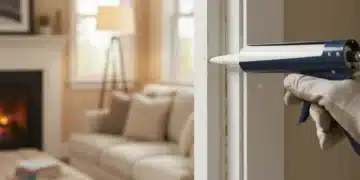
- Cut the Nozzle: Cut the tip of the caulk tube at a 45-degree angle, making an opening just large enough to fill the gap.
- Apply Evenly: Apply a continuous, even bead of caulk along the gap. Maintain steady pressure on the caulk gun.
- Smooth the Bead: Immediately after applying, smooth the caulk with a wet finger, a caulk tool, or a damp cloth for a neat finish and to ensure it fills the gap completely.
- Curing Time: Allow the caulk to cure according to the manufacturer’s instructions before exposing it to moisture or painting.
Weatherstripping for Moving Parts
While caulk seals stationary gaps, weatherstripping is designed to seal the movable components of your windows, such as where the sash meets the frame when the window is closed. It creates a flexible seal that prevents air from passing through while still allowing the window to open and close. Just like with caulk, inspect your windows for drafts around the sashes. If you can slide a piece of paper through the closed window, your weatherstripping is likely worn or non-existent.
Types of Weatherstripping:
- Self-Adhesive Foam Tape: Easy to install and widely available. Best for gaps that are consistent in size. It compresses to fill the space when the window is closed.
- V-Strip (Tension Seal): Made of vinyl or metal, these strips spring open to create a seal when the window is closed. Durable and effective for sliding and double-hung windows.
- Felt or Brush Weatherstripping: Often used in older windows or where a softer seal is needed. Less durable than foam or V-strips but can be effective for irregular gaps.
- Tubular Gaskets: Rubber or vinyl tubes that compress to form a tight seal. Very durable and effective for larger gaps.
Installation Tips for Weatherstripping:
- Clean Surface: Ensure the surface where the weatherstripping will be applied is clean and dry for optimal adhesion.
- Measure and Cut: Measure the length of the window sashes and cut the weatherstripping to size.
- Apply Firmly: For adhesive types, press firmly along the entire length to ensure good contact.
- Test the Seal: After installation, close and open the window a few times to ensure the weatherstripping creates a tight seal without hindering operation.
- Replace as Needed: Weatherstripping can wear out over time. Periodically check and replace it when it loses its effectiveness.
By diligently applying caulk to stationary gaps and installing appropriate weatherstripping on movable parts, you can dramatically reduce air infiltration and exfiltration. This not only prevents heat loss and gain but also improves indoor air quality by blocking dust and pollen. This strategy is foundational to truly optimize window performance and achieve significant energy savings.
Strategy 3: Leveraging Window Coverings and Smart Landscaping for Thermal Regulation
While films, caulk, and weatherstripping address the inherent thermal properties and seals of the window unit itself, window coverings and thoughtful landscaping offer dynamic, flexible ways to manage heat transfer. These solutions allow you to control sunlight and insulation based on the season, time of day, and your specific needs, providing an extra layer of defense against unwanted temperature fluctuations and further helping to optimize window performance.
High-Performance Window Coverings
Not all window coverings are created equal when it comes to energy efficiency. While aesthetic appeal is often the primary consideration, choosing coverings with insulating properties can significantly impact your home’s heat transfer. The key is to select options that create an insulating air pocket or have high thermal resistance.
Cellular Shades (Honeycomb Blinds):
These are perhaps the most effective insulating window coverings. Their unique honeycomb design traps air in pockets, creating a highly effective barrier against heat transfer. Double-cell or triple-cell shades offer even greater insulation. They are available in various opacities, from light-filtering to blackout, allowing you to control light while maximizing thermal performance. When fully closed, cellular shades can reduce heat loss by up to 40% in winter and block up to 80% of solar heat gain in summer.
Heavy Drapes and Curtains:
Thick, insulated drapes or curtains, especially those with thermal linings, can provide a substantial barrier against heat transfer. The key is to ensure they are properly installed to minimize air gaps. Consider installing a cornice or valance at the top to prevent air from circulating over the curtain rod, and use tie-backs or magnetic strips to seal the sides against the wall. When closed, heavy drapes create a layer of still air between the fabric and the window, slowing down heat exchange. In winter, close them at dusk to trap heat; in summer, close them during the hottest parts of the day to block solar gain.
Roman Shades:
When made from thicker, insulated fabrics and installed with minimal gaps, Roman shades can also contribute to thermal comfort. Their layered fabric construction provides more insulation than standard blinds or sheer curtains. Look for options with thermal backings or consider adding a separate thermal liner.
Reflective Blinds and Shades:
Some blinds and shades feature a reflective backing or specialized materials designed to bounce solar radiation away from your home. These are particularly effective in hot climates or on sun-exposed windows during summer, helping to reduce solar heat gain without completely blocking light.
Smart Operation of Window Coverings
Even the best window coverings won’t be effective if not used correctly. Develop a habit of operating them strategically throughout the day and year:
- Winter: Open coverings on south-facing windows during sunny days to allow passive solar heat gain. Close all coverings at night to trap heat inside.
- Summer: Keep coverings closed on east-facing windows in the morning and west-facing windows in the afternoon to block direct sun. Close all coverings during the hottest parts of the day, especially on sunny sides of the house, to prevent heat gain.
Strategic Landscaping for Natural Shading
Beyond interior solutions, landscaping can play a significant role in managing solar heat gain and optimize window performance, especially over the long term. This approach works by providing natural shade to your windows and home exterior.
Deciduous Trees:
Planting deciduous trees (trees that lose their leaves in winter) strategically on the south and west sides of your home is an incredibly effective natural shading strategy. In summer, their full canopy provides excellent shade, blocking direct sunlight and significantly reducing solar heat gain through your windows. In winter, after their leaves fall, they allow sunlight to pass through, providing passive solar heating when it’s most welcome.
Evergreen Shrubs and Vines:
For year-round shading, evergreen shrubs or climbing vines on trellises can be used to shade windows, particularly on the east and west sides where low-angle sun can be problematic. Ensure plants are not too close to the foundation or interfere with window operation, and maintain them regularly to prevent moisture issues or pest harborage.
Awnings and Overhangs:
Permanent or retractable awnings over windows, especially those facing south and west, can block a substantial amount of direct solar radiation. Well-designed architectural overhangs also serve this purpose. These external shading devices are highly effective at preventing sunlight from even reaching the window glass, thus reducing the initial heat transfer.
Combining high-performance window coverings with intelligent operation and strategic landscaping creates a dynamic system for thermal regulation. These strategies, when integrated with window films and proper sealing, provide a multi-layered approach to optimize window performance, leading to a consistently comfortable home and lower energy bills.
The Cumulative Impact: Achieving a 15% Reduction in Heat Transfer and Beyond
Implementing just one of these strategies can yield noticeable improvements, but the true power lies in their synergistic application. When you combine window films, meticulous air sealing, and smart use of insulating window coverings and landscaping, you create a comprehensive defense against unwanted heat transfer. Each layer contributes to the overall thermal resistance of your window assembly, and together, they can easily achieve and often surpass the goal of a 15% reduction in heat transfer.
Let’s consider a practical example: An older home with single-pane windows experiences significant heat loss in winter and heat gain in summer. By applying a Low-E window film (Strategy 1), the homeowner might reduce heat transfer by 20-30% on its own. If they then identify and seal all air leaks around the window frames with caulk and weatherstripping (Strategy 2), they could eliminate an additional 5-10% of total heat loss/gain caused by drafts. Finally, by installing cellular shades and operating them strategically (Strategy 3), they add another layer of insulation that could provide a further 10-20% reduction in heat transfer, especially during peak temperature extremes.
The cumulative effect of these actions means that while each strategy has its own benefits, their combined impact is greater than the sum of their parts. You’re not just patching a single leak; you’re upgrading the entire thermal envelope of your window opening. This holistic approach doesn’t just save energy; it also enhances your home’s comfort by eliminating cold spots, reducing noise transmission, and protecting your interior furnishings from UV damage.
Beyond Energy Savings: Additional Benefits
- Increased Comfort: A more stable indoor temperature means fewer drafts, less reliance on supplemental heating/cooling, and a generally more pleasant living environment.
- Reduced HVAC Strain: When your windows are more efficient, your heating and cooling systems don’t have to work as hard, extending their lifespan and reducing maintenance costs.
- UV Protection: Many window films and some window coverings block a significant percentage of harmful UV rays, protecting your furniture, flooring, and artwork from fading and degradation.
- Noise Reduction: Improved sealing and additional layers of material can also help to dampen outside noise, contributing to a quieter home.
- Enhanced Privacy: Certain window films and coverings can provide daytime or nighttime privacy without sacrificing natural light.
- Increased Home Value: Energy-efficient homes are increasingly attractive to buyers, potentially increasing your property’s resale value.
A Note on Professional Assistance
While many of these strategies are DIY-friendly, especially caulk, weatherstripping, and some window films, don’t hesitate to consult with professionals if you feel uncomfortable or if your windows present unique challenges. A professional energy auditor can pinpoint exact sources of heat loss and gain, providing tailored recommendations. For complex window film installations or if you’re considering more permanent external shading solutions, a specialized contractor can ensure optimal results.
Conclusion: A Path to a More Efficient and Comfortable Home
Optimizing your window performance is one of the most impactful and accessible ways to improve your home’s energy efficiency and overall comfort. By focusing on three key areas – applying high-performance window films, diligently sealing air leaks with caulk and weatherstripping, and strategically utilizing insulating window coverings and landscaping – you can achieve a remarkable reduction in heat transfer. This translates directly into lower energy bills, a more consistent indoor temperature, and a host of other benefits that enhance your quality of life at home.
Remember, this isn’t about expensive overhauls; it’s about smart, targeted improvements that deliver significant returns. Start with a thorough inspection of your windows, prioritize the strategies that address your most pressing issues, and implement them systematically. You’ll be amazed at the difference a little effort can make in transforming your windows from energy drains into energy savers. Take control of your home’s thermal performance today and enjoy the comfort and savings that come with truly optimized windows. Your wallet and the planet will thank you.