Commercial Solar PPAs: Lock in Electricity Rates for 20 Years
Understanding Power Purchase Agreements (PPAs) for Commercial Solar: Locking in Electricity Rates for 20 Years
In today’s dynamic energy landscape, businesses are constantly seeking ways to reduce operational costs, enhance sustainability, and gain predictability in their expenditures. One of the most effective strategies to achieve these goals, particularly in the realm of energy, is through the adoption of commercial solar solutions. Among the various financing and procurement models available, the Power Purchase Agreement (PPA) stands out as a particularly attractive option for many organizations. A commercial solar PPA offers a compelling pathway to harness solar energy without the upfront capital investment, providing long-term stability in electricity rates and significant environmental benefits.
This comprehensive guide will delve into the intricacies of commercial solar PPAs, explaining what they are, how they work, their myriad benefits, potential considerations, and why they might be the ideal solution for your business to lock in electricity rates for the next two decades. By the end of this article, you will have a clear understanding of how a commercial solar PPA can transform your energy consumption and financial outlook.
What is a Commercial Solar PPA?
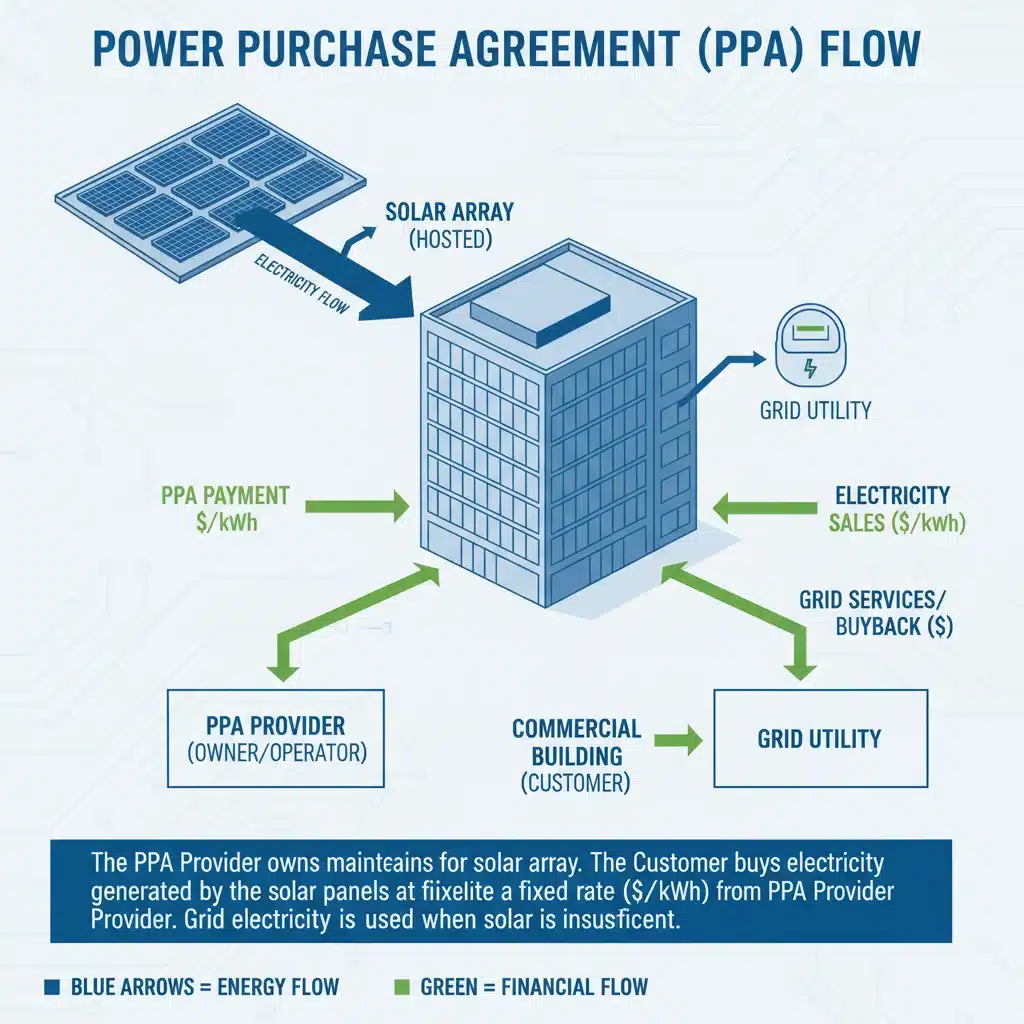
A Power Purchase Agreement (PPA) is a financial arrangement where a third-party developer owns, operates, and maintains a solar energy system on a customer’s property. The customer, or off-taker, agrees to purchase the electricity generated by the solar system at a predetermined rate, typically lower than utility rates, for a specified period, often 15 to 25 years. For businesses, this is known as a commercial solar PPA.
Essentially, a PPA allows businesses to go solar with little to no upfront cost. The developer handles everything from design and installation to ongoing maintenance and monitoring. The business simply pays for the solar electricity it consumes, much like it would pay a traditional utility company, but at a more predictable and often reduced rate. This model effectively shifts the financial and operational risks associated with owning a solar system from the business to the PPA provider.
Key Components of a Commercial Solar PPA
- PPA Provider/Developer: The entity that finances, designs, installs, owns, operates, and maintains the solar energy system.
- Off-taker/Customer: The business or organization that purchases the electricity generated by the solar system.
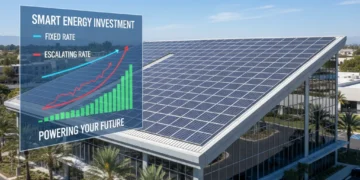
- Fixed Rate: The price per kilowatt-hour (kWh) that the off-taker pays for the solar electricity. This rate can be fixed for the entire term or include a small annual escalator (e.g., 1-3%) to account for inflation, which is still significantly more predictable than fluctuating utility rates.
- Term Length: The duration of the agreement, typically ranging from 15 to 25 years.
- Site Host Agreement: An agreement that grants the PPA provider access to the customer’s property for the installation and operation of the solar system.
How Does a Commercial Solar PPA Work?
The process of entering into a commercial solar PPA is relatively straightforward and designed to be as seamless as possible for the business owner:
- Assessment and Proposal: A solar developer assesses the business’s energy needs, roof or land suitability, and electricity consumption patterns. Based on this, they propose a customized solar system design and a PPA contract outlining the proposed electricity rate, term, and other conditions.
- Agreement and Financing: Once the terms are agreed upon, the business signs the PPA. The developer then secures the necessary financing for the project. This is a crucial distinction, as the business does not need to secure any financing itself.
- Installation: The developer manages the entire installation process, from permitting and procurement to construction and commissioning of the solar array on the business’s property.
- Operation and Maintenance: After installation, the developer owns and operates the system. They are responsible for all maintenance, repairs, and performance monitoring. This includes cleaning panels, replacing inverters, and ensuring optimal energy production.
- Electricity Purchase: The business purchases the electricity generated by the solar system at the agreed-upon PPA rate. This rate is typically lower than what the local utility company charges, leading to immediate savings.
- End of Term Options: At the end of the PPA term, businesses usually have several options: renew the PPA, purchase the system at fair market value, or have the developer remove the system.
The Unrivaled Benefits of a Commercial Solar PPA
Opting for a commercial solar PPA brings a multitude of advantages that can significantly impact a business’s bottom line and public image:
1. Zero Upfront Capital Investment
This is arguably the most significant benefit. Businesses can access clean, renewable energy without having to spend any capital on purchasing and installing solar panels. This frees up valuable capital that can be reinvested into core business operations, expansion, or other critical projects. The PPA provider bears all the costs associated with the system, making solar accessible to a wider range of businesses.
2. Predictable Electricity Costs and Long-Term Savings
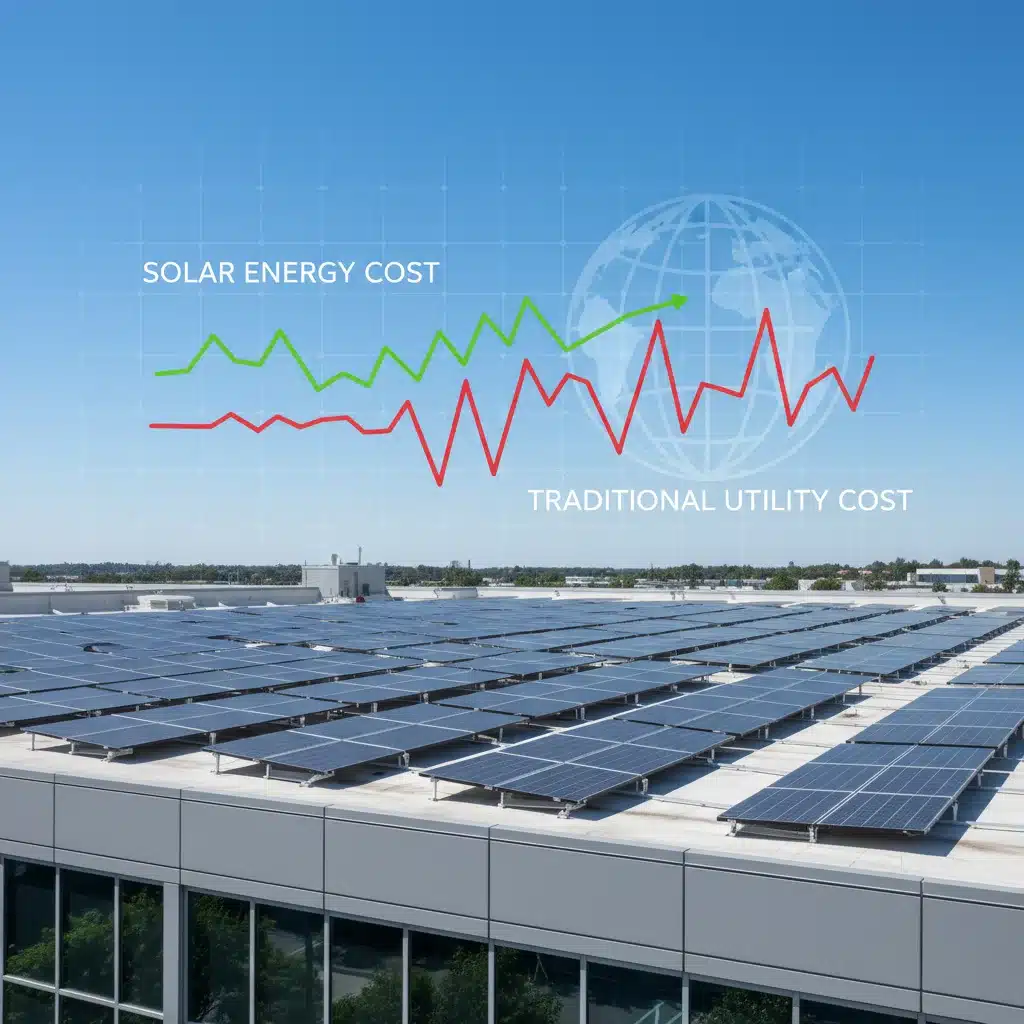
With a PPA, businesses lock in their electricity rate for the duration of the agreement, typically 15 to 25 years. This provides unparalleled budget certainty, protecting against the volatility and unpredictable increases of traditional utility rates. Over two decades, these savings can amount to substantial figures, offering a significant competitive advantage. The PPA rate is often set below current utility rates, ensuring immediate savings from day one.
3. No Operational or Maintenance Burdens
The PPA provider is responsible for all aspects of the solar system’s operation and maintenance. This includes monitoring performance, conducting repairs, cleaning panels, and any necessary upgrades. Businesses can enjoy the benefits of solar energy without needing to develop in-house expertise or allocate staff to manage the system, allowing them to focus on their primary business activities.
4. Enhanced Sustainability and Corporate Social Responsibility (CSR)
Adopting solar energy significantly reduces a business’s carbon footprint, demonstrating a strong commitment to environmental stewardship. This can enhance brand image, attract environmentally conscious customers and employees, and meet sustainability goals. A commercial solar PPA allows businesses to go green without the financial hurdles typically associated with large-scale renewable energy projects.
5. Hedge Against Energy Price Volatility
Energy markets are notoriously volatile, influenced by geopolitical events, supply and demand fluctuations, and regulatory changes. By locking in a long-term electricity rate with a PPA, businesses effectively hedge against future energy price increases, providing stability and predictability in a critical operating expense.
6. Potential for Increased Property Value
Installing a solar energy system can increase the value of commercial property. Even though the PPA provider owns the system, the presence of a long-term, cost-saving energy solution can be an attractive feature for potential buyers or tenants, especially if the PPA can be easily transferred.
7. Access to Advanced Technology
PPA providers often utilize the latest solar technology to maximize efficiency and reliability. As they are responsible for the system’s performance, they have an incentive to install high-quality components and keep them well-maintained and up-to-date.
Considerations Before Entering a Commercial Solar PPA
While the benefits are compelling, it’s essential to consider several factors before committing to a commercial solar PPA:
1. Contract Length and Terms
PPA contracts are long-term commitments, typically 15-25 years. Businesses need to ensure that the terms align with their long-term strategic plans. Review clauses related to early termination, system performance guarantees, and options at the end of the term carefully.
2. PPA Rate Escalator
Some PPAs include an annual escalator (e.g., 1-3%) in the rate to account for inflation. While this is common and often still leads to significant savings compared to utility rates, it’s important to understand how it impacts future energy costs and compare it against projected utility rate increases.
3. System Performance Guarantees
Ensure the PPA includes clear performance guarantees from the developer. This specifies the minimum amount of electricity the system is expected to generate. If the system underperforms, there should be provisions for compensation or rate adjustments.
4. Site Requirements and Suitability
The business property must be suitable for solar installation. This includes adequate roof space or land, minimal shading, and structural integrity. A thorough site assessment by the PPA provider is crucial.
5. Transferability of Agreement
If there’s a possibility of selling the property during the PPA term, understand the terms for transferring the PPA to a new owner. A smooth transfer process can be a selling point for the property.
6. Reputable PPA Provider
Choose a PPA provider with a strong track record, financial stability, and excellent customer service. Due diligence is essential to ensure they can reliably operate and maintain the system for the entire contract duration.
7. Understanding Your Energy Consumption Profile
A detailed understanding of your business’s energy consumption patterns is vital. This helps in sizing the solar system correctly to maximize savings and ensure the PPA effectively meets your needs. Over- or undersizing can impact the financial benefits.
Comparing Commercial Solar PPA with Other Solar Financing Options
While the commercial solar PPA is highly advantageous, it’s useful to briefly compare it with other common solar financing options:
1. Direct Ownership (Cash Purchase)
- Pros: Maximizes long-term savings, eligibility for all tax credits and incentives (e.g., ITC, MACRS depreciation), full control over the system.
- Cons: Requires significant upfront capital investment, business bears all operational and maintenance responsibilities and risks.
2. Solar Loan
- Pros: No upfront capital, business owns the system over time, eligibility for tax credits and incentives.
- Cons: Business is responsible for loan payments and O&M, potential for interest rate fluctuations if not a fixed-rate loan.
3. Solar Lease
- Pros: Similar to a PPA with no upfront costs and O&M handled by the provider.
- Cons: You pay a fixed monthly lease payment, regardless of how much electricity the system produces. A PPA charges you only for the power you consume.
For many businesses, especially those looking to avoid upfront costs and operational complexities, the commercial solar PPA offers the best balance of benefits and ease of adoption.

The Future of Commercial Energy: Why PPAs are Gaining Traction
The shift towards renewable energy is accelerating globally, driven by environmental concerns, regulatory pressures, and the undeniable economic benefits. For businesses, adopting solar through a commercial solar PPA represents a forward-thinking strategy that aligns with both financial prudence and sustainability goals.
Governments worldwide are increasingly incentivizing solar adoption, even indirectly, through policies that favor clean energy. Businesses that embrace solar not only benefit from cost savings but also position themselves as leaders in corporate responsibility, attracting a growing segment of consumers and talent who value environmental consciousness.
Moreover, as solar technology continues to advance and become more efficient, the appeal of PPAs will only grow. The ability to lock in predictable, lower electricity rates for decades provides a significant competitive edge in an economy where energy costs are a major operational factor.
Conclusion: Secure Your Energy Future with a Commercial Solar PPA
For businesses seeking a smart, sustainable, and financially sound approach to energy management, the commercial solar PPA offers an unparalleled solution. It removes the traditional barriers to solar adoption – high upfront costs and maintenance responsibilities – allowing companies to immediately benefit from clean, affordable electricity.
By entering into a PPA, your business can enjoy stable, predictable electricity rates for up to 20 years or more, significant operational savings, enhanced brand reputation, and a reduced carbon footprint, all without any capital outlay. It’s a strategic decision that not only benefits your bottom line today but also fortifies your business against future energy market uncertainties.
If your organization is looking to take control of its energy costs, embrace sustainability, and make a smart long-term investment in its operational efficiency, exploring a commercial solar PPA is a crucial next step. Engage with reputable solar developers, evaluate proposals carefully, and take the leap towards a brighter, more sustainable, and more profitable energy future.