Residential Solar Permitting: Navigating US Changes & 3-Month Outlook
Navigating Residential Solar Permitting Changes: A 3-Month Outlook for US Homeowners
The landscape of residential solar energy is continually evolving, driven by technological advancements, environmental concerns, and, significantly, regulatory frameworks. For US homeowners considering or actively pursuing solar panel installations, understanding the nuances of solar permitting changes is not just beneficial; it’s essential. These changes, often enacted at local, state, and even federal levels, can significantly impact the timeline, cost, and feasibility of your solar project. This comprehensive guide aims to provide a clear, actionable 3-month outlook on anticipated residential solar permitting changes across the United States, helping you navigate the complexities and ensure a smooth transition to renewable energy.
The journey to installing solar panels on your home typically involves several critical steps, with permitting being one of the most significant hurdles. Permits ensure that installations meet safety standards, comply with local building codes, and integrate seamlessly with the existing electrical grid. However, the process can be notoriously complex, varying wildly from one jurisdiction to another. As the demand for solar energy surges, many municipalities and states are revisiting their permitting processes to either streamline them, enhance safety, or adapt to new technologies. Staying informed about these potential shifts in solar permitting changes is paramount for any homeowner looking to invest in solar.
Our 3-month outlook will delve into common areas of change, including updates to electrical codes, structural requirements, interconnection agreements, and digital submission platforms. We’ll also highlight how these changes might affect different regions, offering insights into what homeowners can expect in the near future. By preparing for these potential adjustments, you can minimize delays, avoid unexpected costs, and accelerate your path to energy independence.
Understanding the Current Solar Permitting Landscape
Before we look forward, it’s crucial to grasp the current state of residential solar permitting. In the US, permitting is largely decentralized. This means that while there might be overarching state guidelines, the specific requirements often come down to individual counties, cities, and even homeowners’ associations (HOAs). This fragmented system is both a blessing and a curse. On one hand, it allows for tailored regulations that address local conditions; on the other, it creates a complex web of rules that can be challenging for homeowners and installers alike to navigate.
Common permit types include building permits, electrical permits, and sometimes zoning or historic district approvals. Each permit addresses a different aspect of the installation: building permits ensure the roof can support the weight of the panels and that structural modifications are safe; electrical permits confirm the wiring and grid connection meet safety standards; and zoning permits address aesthetic concerns or property line setbacks. The application process typically involves submitting detailed plans, engineering drawings, and equipment specifications. Review times can range from a few days to several weeks or even months, depending on the jurisdiction’s efficiency and workload.
The ‘soft costs’ of solar, which include permitting, inspection, and customer acquisition, represent a significant portion of the total installation cost. Streamlining these processes is a major focus for industry advocates and policymakers, as reducing soft costs can make solar more affordable and accessible. Initiatives like the SolarAPP+ (Solar Automated Permit Processing) are gaining traction, aiming to standardize and automate permitting for eligible residential solar systems, thereby significantly cutting down review times and costs. These advancements are key drivers behind many of the anticipated solar permitting changes we expect to see in the coming months.
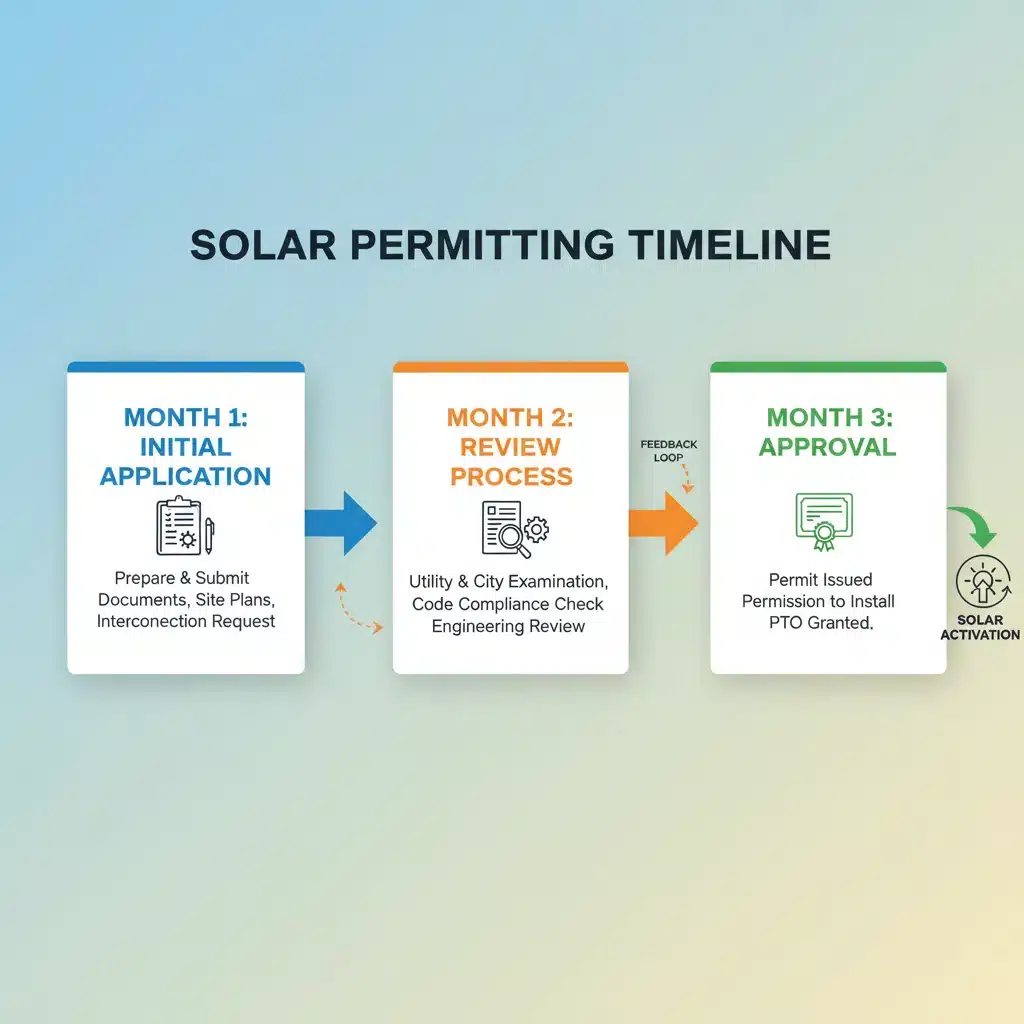
Month 1: Initial Forecast of Regulatory Shifts
As we enter the first month of our outlook, several key areas are likely to see initial discussions or minor adjustments in solar permitting changes. This period often involves municipalities reviewing existing policies, gathering feedback from solar installers and homeowners, and considering updates based on new industry standards or state mandates. Expect to see increased focus on electrical code updates and preliminary discussions around structural requirements.
Electrical Code Updates (NEC Adoption)
The National Electrical Code (NEC) is updated every three years, and its adoption by states and local jurisdictions is a continuous process. Many jurisdictions are currently operating under older NEC versions (e.g., NEC 2017 or NEC 2020), while others are moving to adopt NEC 2023. This first month could see a push for accelerated adoption of the latest NEC standards, particularly concerning rapid shutdown requirements, energy storage systems (batteries), and arc-fault/ground-fault protection. Homeowners should anticipate that new installations might need to comply with stricter electrical safety protocols, potentially requiring specific equipment or design considerations.
For example, NEC 2023 includes enhanced requirements for PV system disconnecting means and updated provisions for energy storage systems. If your local jurisdiction is adopting this, it might mean slight modifications to how your inverter is installed or how battery backups are integrated. While these changes are primarily for safety, they can add complexity to the permitting application if not addressed early. Staying informed on your local building department’s current NEC adoption status is crucial.
Standardization Efforts and Digital Platforms
The drive for standardization continues, especially with the growing popularity of platforms like SolarAPP+. While full adoption takes time, this month might see more jurisdictions initiating pilot programs or expressing interest in such automated systems. For homeowners, this could mean the potential for faster permit approvals for standard, straightforward installations. However, it also means a stricter adherence to standardized designs and equipment lists. Any deviation from these approved templates might still require traditional, lengthier review processes.
Homeowners in areas considering or implementing SolarAPP+ should work with installers who are familiar with its requirements. The benefits, such as instant permit approval for qualifying projects, are substantial, but the initial learning curve for both local authorities and installers can sometimes lead to temporary adjustments in process. This trend towards digital submission and standardized review is a positive step for the industry, aiming to reduce the administrative burden associated with solar permitting changes.
Month 2: Emerging Trends and Preparatory Measures
As we move into the second month of our outlook, the initial discussions from Month 1 are likely to solidify into more concrete proposals or even enacted changes. This period is critical for installers to adapt their processes and for homeowners to understand how these emerging trends might directly affect their projects. Expect to see more definitive guidance on structural requirements, increased scrutiny on grid interconnection, and a continued emphasis on energy storage integration.

Structural Requirements and Roof Integrity
With an aging housing stock in many parts of the US and an increasing awareness of extreme weather events, structural integrity checks for solar installations are becoming more rigorous. Jurisdictions may start requiring more detailed structural analyses or specific certifications from licensed engineers, even for seemingly standard roof types. This is particularly true for older homes or those in areas prone to heavy snow loads or high winds.
These solar permitting changes ensure that your roof can safely bear the additional weight of solar panels and withstand environmental stresses. For homeowners, this might mean an additional inspection or engineering report as part of the permitting process, potentially adding a small amount to the upfront cost and timeline. However, it’s a vital step to ensure the long-term safety and stability of your solar investment. Installers will need to be prepared to provide comprehensive structural documentation to avoid delays.
Grid Interconnection Agreements
Interconnection is the process of connecting your solar system to the utility grid. This often involves a separate application and agreement with your local utility company, distinct from the building permits. As more solar systems come online, utilities are facing new challenges in managing grid stability and capacity. Consequently, we might see adjustments in interconnection rules, particularly regarding net metering policies or requirements for advanced inverters with grid-support functions.
Some states or utilities might introduce new fees for interconnection, modify net metering rates, or require more sophisticated equipment for grid monitoring. While these are often driven by utility-level policy, they directly impact the homeowner’s ability to get their system approved and operational. It’s crucial to understand your utility’s specific interconnection requirements and how any impending solar permitting changes might affect your project’s financial viability and timeline.
Integration of Energy Storage Systems (ESS)
The demand for residential battery storage is skyrocketing, driven by resilience concerns and time-of-use electricity rates. With this surge, permitting for energy storage systems is also evolving. Month 2 could see more refined guidelines specifically for battery installations, covering aspects like placement (indoor vs. outdoor), fire suppression, ventilation, and emergency disconnects. Some jurisdictions might introduce separate permits for ESS or incorporate them more explicitly into existing electrical permits.
These specialized requirements are designed to ensure the safe operation of battery systems, which store significant amounts of energy. Homeowners planning to include battery storage should expect detailed scrutiny of their battery system’s design and installation plan. Working with an installer experienced in ESS permitting will be key to navigating these evolving regulations efficiently.
Month 3: Outlook on Implementation and Long-Term Impact
By the third month, many of the proposed solar permitting changes from the previous months will likely be in various stages of implementation. This period will focus on how these changes are being enforced, the initial feedback from the industry, and what long-term implications they hold for residential solar adoption. Expect to see clearer enforcement of new codes, continued evolution of digital tools, and a focus on homeowner education.
Enforcement of New Regulations
Once new codes or permitting procedures are officially adopted, the focus shifts to enforcement. Building departments will begin applying the updated rules during plan reviews and inspections. Homeowners should anticipate that inspectors will be particularly vigilant about compliance with any recently enacted solar permitting changes, especially those related to safety (electrical, structural, fire). Failure to meet these new standards can lead to delays, requiring rework or resubmission of plans.
This phase emphasizes the importance of choosing a reputable solar installer who stays current with all local and state regulations. An experienced installer will integrate new requirements into their design and installation processes proactively, minimizing potential issues during inspection. For homeowners, this means fewer headaches and a faster path to system activation.
Continued Evolution of Digital Permitting
The trend towards digital permitting platforms and automation is not a fleeting one. By Month 3, jurisdictions that have piloted or adopted systems like SolarAPP+ will likely be evaluating their effectiveness and considering broader implementation or further enhancements. This continuous improvement aims to make the permitting process even more efficient and transparent over time. Homeowners in these areas will increasingly benefit from streamlined approvals, provided their systems meet the standardized criteria.
The long-term vision is a more uniform and predictable permitting experience across different localities, significantly reducing the ‘soft costs’ of solar. As these systems mature, they will likely accommodate a wider range of residential solar projects, making the benefits accessible to more homeowners. Keeping an eye on local government announcements regarding technology adoption in permitting will be beneficial.
Homeowner Education and Resources
As solar permitting changes become more frequent and complex, there will be an increased need for clear, accessible information for homeowners. Expect to see more resources from local governments, utility companies, and solar industry associations aimed at educating the public about new requirements. These resources might include updated online guides, FAQs, and public workshops.
Empowering homeowners with knowledge about the permitting process and upcoming changes is crucial for fostering informed decision-making and preventing frustration. Installers also play a vital role in this education, ensuring their clients understand the specific steps and requirements for their projects. Proactive engagement with available resources can significantly demystify the permitting journey.
Regional Spotlights: Anticipated Localized Changes
While general trends apply nationwide, specific regions often have unique drivers for solar permitting changes. Here’s a brief look at what homeowners in different parts of the US might anticipate:
California: Leading the Charge
California, a perennial leader in solar adoption, often sets precedents for other states. Expect continued efforts to streamline permitting, potentially with further expansion of SolarAPP+ adoption across more cities. There may also be refined regulations concerning wildfire safety, particularly in high-risk areas, impacting panel placement and setback requirements. Interconnection rules, especially related to battery storage and grid services, are also likely to evolve as the state pushes towards greater grid resilience and renewable energy integration.
Northeast: Focus on Resilience and Winter Conditions
States like Massachusetts, New York, and New Jersey are increasingly focused on grid resilience, especially after severe weather events. This could lead to solar permitting changes emphasizing battery storage integration and robust structural requirements to withstand heavy snow loads and high winds. Expect continued efforts to simplify the permitting process, but with a strong emphasis on safety and durability specific to colder climates.
Southeast: Growing Market, Evolving Regulations
The Southeast is a rapidly growing solar market. States like Florida, Georgia, and North Carolina are likely to experience increased pressure to update their permitting processes to handle the surge in applications. This could mean more jurisdictions adopting standardized forms or digital portals. Coastal regions, in particular, may see stricter requirements for wind resistance and flood plain compliance, influencing structural and installation guidelines.
Southwest: Desert Climate Considerations
In states like Arizona, Nevada, and Texas, the focus may be on extreme heat considerations for equipment, fire safety in arid environments, and water conservation measures. Permitting might see specific guidelines for cooling systems for inverters or considerations for shading to reduce heat gain. The expansion of solar in these regions will also likely drive continued improvements in grid infrastructure and related interconnection rules.
How Homeowners Can Prepare for Solar Permitting Changes
Being proactive is the best strategy for navigating potential solar permitting changes. Here are actionable steps homeowners can take:
- Research Local Requirements: Before even selecting an installer, familiarize yourself with your local building department’s website. Look for guides on solar permitting, current code adoptions (e.g., NEC version), and any recent announcements regarding changes.
- Choose a Reputable Installer: Select an installer with a strong track record and deep knowledge of local permitting processes. They should be able to clearly explain the specific permits required for your project and how they plan to navigate any recent or anticipated changes. Ask about their experience with new regulations or digital permitting systems.
- Understand Your Project’s Specifics: Are you adding battery storage? Do you live in a historic district? Is your home older? These factors can trigger additional permits or stricter requirements. Discuss these specifics with your installer early on.
- Budget for Potential Delays/Costs: While streamlining is the goal, some changes might temporarily increase costs (e.g., for engineering reports) or extend timelines. Build a small buffer into your budget and timeline expectations.
- Stay Informed: Follow local government news, utility updates, and reputable solar industry publications. Many solar companies also provide newsletters or blogs that track regulatory changes.
- Ask About SolarAPP+: If your area is considering or has adopted SolarAPP+, ask your installer if your project qualifies for this expedited process.
The Long-Term Outlook for Residential Solar Permitting
Looking beyond the immediate 3-month horizon, the overarching trend for residential solar permitting is towards greater efficiency and standardization. The industry, policymakers, and utilities all recognize the need to reduce soft costs and accelerate solar deployment to meet climate goals and consumer demand. While the path to a fully streamlined, uniform permitting process is long and winding, significant progress is being made.
Future solar permitting changes will likely involve more widespread adoption of automated permitting tools, integration of AI for plan reviews, and potentially national-level guidelines that provide a baseline for local jurisdictions. There will also be continued emphasis on safety, especially as new technologies like advanced energy storage and vehicle-to-grid (V2G) systems become more common. The goal is to make solar energy not just accessible, but also consistently safe, reliable, and straightforward to install for every homeowner.
For homeowners, this means that while the current landscape can feel complex, the future promises a more user-friendly experience. Your patience, informed decision-making, and choice of a knowledgeable solar partner will be your greatest assets in navigating the evolving world of residential solar permitting.
Conclusion
The next three months are poised to bring a dynamic array of solar permitting changes that US homeowners should be aware of. From updates to electrical codes and structural requirements to the expanded use of digital permitting platforms and evolving grid interconnection rules, the landscape is continuously shifting. By staying informed, partnering with experienced professionals, and understanding the specific requirements of your local jurisdiction, you can successfully navigate these changes.
Embracing solar energy is a significant step towards a sustainable future and energy independence. While permitting can seem like a daunting administrative hurdle, it’s a necessary process that ensures the safety, efficiency, and long-term viability of your solar investment. With this 3-month outlook, you are better equipped to anticipate, understand, and prepare for the residential solar permitting changes that will shape your journey to harnessing the power of the sun.