Improve Home Air Quality: Energy-Efficient Solutions for 2026
Upgrading Your Home’s Air Quality: 3 Energy-Efficient Ways to Improve Indoor Air by 2026
In an era where we spend up to 90% of our time indoors, the quality of the air we breathe within our homes has never been more critical. Poor indoor air quality (IAQ) can lead to a host of health issues, from allergies and asthma to more severe respiratory problems. Moreover, inefficient systems designed to maintain air quality can significantly inflate your energy bills. As we look towards 2026, the convergence of health consciousness and environmental responsibility makes it imperative to adopt energy-efficient strategies to improve home air quality. This comprehensive guide will delve into three practical, energy-saving methods that will not only foster a healthier living environment but also reduce your carbon footprint and save you money in the long run.
The journey to improve home air quality is multifaceted, requiring a holistic approach that considers ventilation, filtration, and source control. Many homeowners are unaware of the hidden pollutants lurking in their homes, from volatile organic compounds (VOCs) released by furniture and cleaning products to mold spores and pet dander. Addressing these issues effectively, while keeping energy consumption in check, is the ultimate goal. By focusing on these three key areas, you can make significant strides in creating a sanctuary of clean, fresh air for your family.
Understanding the Importance of Indoor Air Quality (IAQ)
Before diving into solutions to improve home air quality, it’s crucial to grasp why IAQ matters so much. The air inside our homes can often be more polluted than the air outside, a fact that surprises many. Common indoor air pollutants include:
- Particulate Matter (PM): Dust, pollen, pet dander, mold spores, and smoke.
- Volatile Organic Compounds (VOCs): Released from paints, varnishes, cleaning supplies, air fresheners, and building materials.
- Biological Contaminants: Bacteria, viruses, mold, and mildew.
- Combustion Byproducts: Carbon monoxide, nitrogen dioxide from unvented combustion appliances (gas stoves, fireplaces).
- Radon: A naturally occurring radioactive gas that can seep into homes from the ground.
Exposure to these pollutants can lead to short-term effects like headaches, dizziness, fatigue, and irritation of the eyes, nose, and throat. Long-term exposure can contribute to chronic respiratory diseases, heart disease, and even cancer. Children, the elderly, and individuals with pre-existing health conditions are particularly vulnerable. Therefore, proactively working to improve home air quality is not just a comfort; it’s a fundamental aspect of health and well-being.
The energy-efficient aspect comes into play because many traditional methods of improving air quality, such as simply opening windows, can lead to significant heat loss or gain, thus increasing energy consumption for heating or cooling. The strategies we will explore are designed to mitigate these energy penalties, offering a sustainable path to cleaner air.
Strategy 1: Advanced HVAC Filtration and Purification Systems
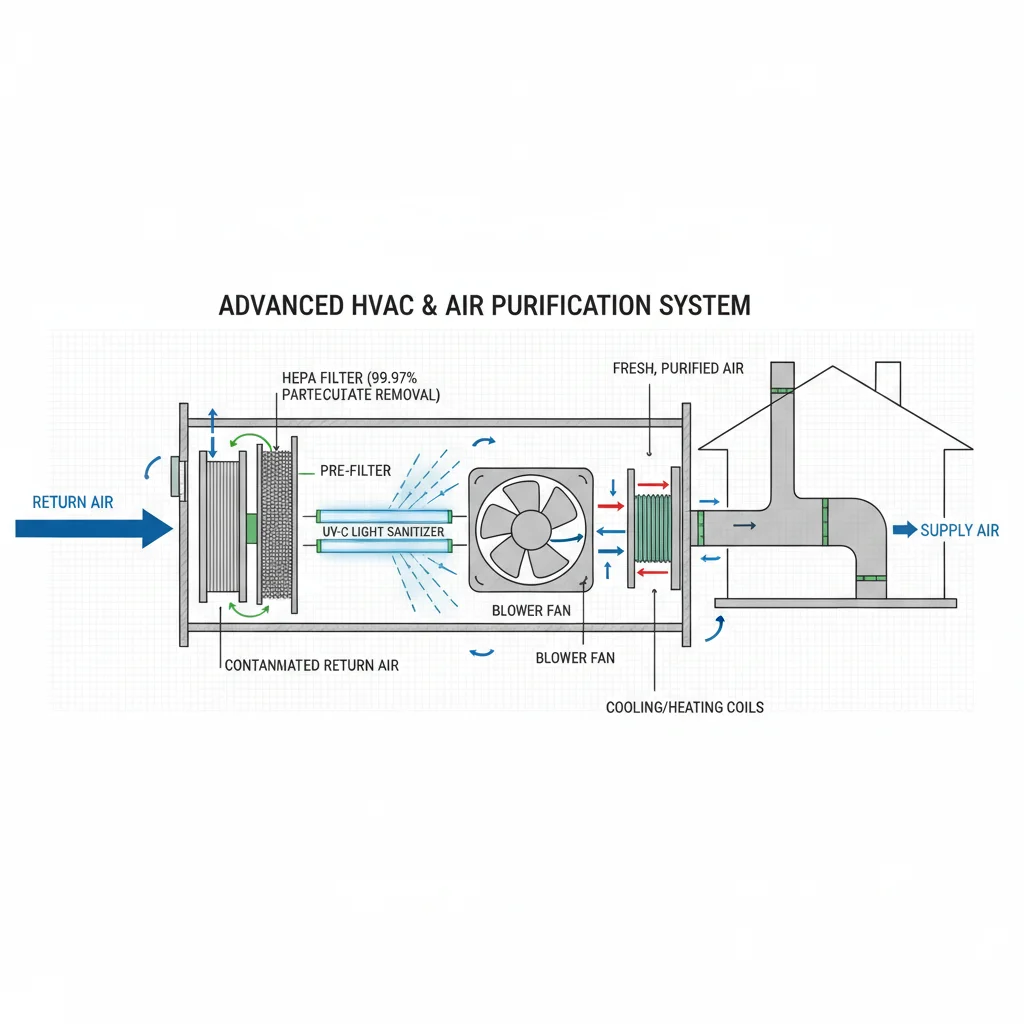
Your home’s heating, ventilation, and air conditioning (HVAC) system is the circulatory system of your indoor air. Upgrading its filtration and integrating purification technologies is one of the most impactful ways to improve home air quality while maintaining energy efficiency.
High-Efficiency Particulate Air (HEPA) Filters
Standard HVAC filters (MERV 1-4) are designed primarily to protect the HVAC equipment, not to significantly improve home air quality. They capture larger particles like dust and lint. To truly filter out microscopic pollutants, you need higher-MERV filters or, ideally, HEPA filters.
- MERV Ratings (Minimum Efficiency Reporting Value): MERV ratings range from 1 to 20. A higher MERV rating indicates finer filtration. For residential use, MERV 11-13 filters are often recommended as a balance between filtration efficiency and airflow restriction. Filters with MERV 14-16 can capture even smaller particles, including bacteria and viruses, but may require a more powerful HVAC fan to maintain adequate airflow, which could impact energy consumption.
- HEPA Filters: True HEPA filters capture 99.97% of airborne particles 0.3 microns or larger. While incredibly effective, they are too dense for most residential HVAC systems as standalone filters, as they severely restrict airflow. However, whole-house HEPA bypass systems can be installed alongside your existing HVAC, drawing a portion of the air, filtering it through a HEPA filter, and returning it to the system. This allows for superior filtration without overworking your primary HVAC fan.
UV-C Light Air Purifiers
Beyond particulate filtration, biological contaminants like mold, bacteria, and viruses are a major concern. UV-C light technology offers an energy-efficient solution to neutralize these pathogens within your HVAC system. Installed in the ductwork or near the evaporator coil, UV-C lamps emit short-wave ultraviolet light that disrupts the DNA of microorganisms, preventing them from reproducing and spreading.
- Coil Sterilization: A common application is to install UV-C lights directly over the evaporator coil. This prevents mold and bacterial growth on the coil, which is a damp, dark environment prone to such issues. Preventing mold growth on the coil not only improves air quality but also enhances the HVAC system’s efficiency, as a clean coil transfers heat more effectively.
- Air Sterilization: UV-C lights can also be installed in the return air duct to treat airborne pathogens as they pass through the system. This provides a continuous purification process.
When considering UV-C systems, ensure they are designed for HVAC integration and do not produce ozone, which itself is a respiratory irritant. Modern, high-quality UV-C systems are safe and highly effective.
Energy Efficiency Considerations for Filtration and Purification
The key to energy-efficient filtration is balancing air quality with airflow. A filter that is too restrictive will make your HVAC system work harder, consuming more energy and potentially shortening its lifespan. Regular maintenance is also crucial:
- Regular Filter Replacement: Replace your HVAC filters every 1-3 months, or more frequently if you have pets or allergies. A dirty filter significantly restricts airflow, increasing energy consumption and reducing air quality.
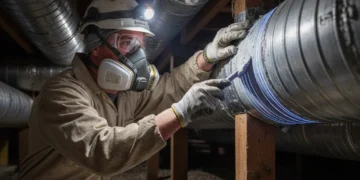
- Professional HVAC Tune-ups: Annual professional maintenance ensures your system is running optimally. Technicians can check for proper airflow, clean coils, and ensure all components are functioning efficiently.
- Smart Thermostats: Integrate smart thermostats that can monitor filter life and even provide insights into energy usage, helping you optimize your system for both comfort and efficiency.
By upgrading to higher-efficiency filters and incorporating UV-C purification, you can significantly improve home air quality, reduce allergens and pathogens, and ensure your HVAC system operates as efficiently as possible.
Strategy 2: Enhanced Ventilation with Energy Recovery Ventilators (ERVs)
Good ventilation is paramount to improve home air quality. It flushes out stale, polluted indoor air and replaces it with fresh outdoor air. However, simply opening windows, especially in extreme weather, is highly energy inefficient. This is where Energy Recovery Ventilators (ERVs) come into play.
The Problem with Traditional Ventilation
Many modern homes are built to be airtight for energy efficiency, which is great for insulation but can trap pollutants indoors. Older homes might have natural ventilation through leaks and cracks, but this is uncontrolled and often insufficient. Exhaust fans in bathrooms and kitchens help, but they only remove air, leading to negative pressure and drawing in unconditioned outdoor air from other leaks, thus wasting energy.
How Energy Recovery Ventilators (ERVs) Work
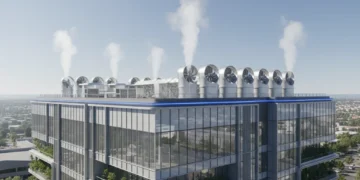
ERVs are sophisticated mechanical ventilation systems that introduce fresh outdoor air while simultaneously exhausting stale indoor air. Their genius lies in their ability to transfer heat and moisture between the incoming and outgoing airstreams.
- Heat Exchange: In winter, the outgoing warm indoor air transfers its heat to the incoming cold outdoor air, pre-heating it before it enters your home. In summer, the outgoing cool indoor air cools down the incoming warm outdoor air. This significantly reduces the energy load on your HVAC system to condition the fresh air.
- Moisture Exchange: ERVs also transfer moisture. In humid climates during summer, they can remove excess moisture from the incoming air, reducing the load on your air conditioner. In dry climates during winter, they can transfer some moisture from the outgoing humid indoor air to the incoming dry outdoor air, helping to maintain comfortable indoor humidity levels.
This energy and moisture exchange makes ERVs incredibly energy-efficient. They allow you to continuously ventilate your home for optimal air quality without the substantial energy penalties associated with traditional methods.
Benefits of Installing an ERV
- Consistent Fresh Air: Provides a continuous supply of filtered, fresh outdoor air, diluting indoor pollutants.
- Improved Humidity Control: Helps manage indoor humidity levels, reducing the likelihood of mold growth and improving comfort.
- Energy Savings: Recovers a significant portion of the energy typically lost through ventilation, leading to lower heating and cooling bills.
- Reduced Drafts: Unlike opening windows, ERVs provide controlled airflow without creating uncomfortable drafts.
- Allergen Reduction: Can be fitted with filters to prevent outdoor allergens like pollen from entering the home.
ERV Installation and Maintenance
Installing an ERV is a more involved process than changing a filter, often requiring professional installation to integrate with your existing ductwork. However, the long-term benefits for both air quality and energy efficiency are substantial. Maintenance typically involves:
- Filter Cleaning/Replacement: ERVs have filters that need regular cleaning or replacement to ensure proper airflow and filtration.
- Core Cleaning: The energy exchange core may need occasional cleaning to maintain its efficiency.
By investing in an ERV, you’re making a strategic choice to improve home air quality, creating a consistently fresh and healthy indoor environment while significantly cutting down on energy waste. This is a crucial step towards a healthier, more sustainable home by 2026.
Strategy 3: Smart Air Quality Monitoring and Source Control
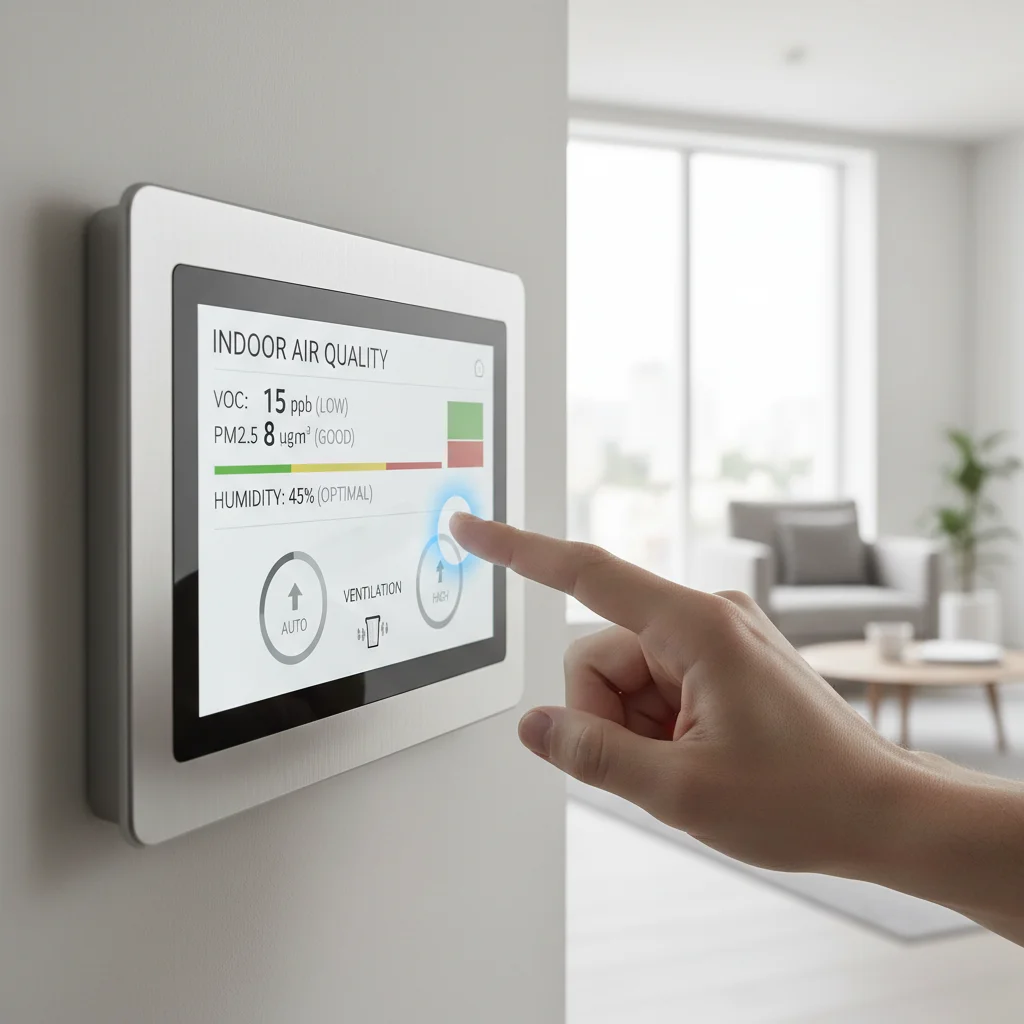
While filtration and ventilation address the symptoms of poor IAQ, source control aims to eliminate or reduce pollutants at their origin. Integrating smart air quality monitoring systems takes this a step further, providing real-time data and allowing for proactive adjustments to improve home air quality efficiently.
Smart Air Quality Monitors
These devices are the eyes and ears of your indoor environment. Smart air quality monitors can detect a range of pollutants, including:
- Particulate Matter (PM2.5, PM10): Microscopic particles that can penetrate deep into the lungs.
- Volatile Organic Compounds (VOCs): Gases emitted from various household products and materials.
- Carbon Dioxide (CO2): An indicator of poor ventilation.
- Carbon Monoxide (CO): A deadly gas produced by incomplete combustion.
- Humidity and Temperature: Crucial for comfort and preventing mold growth.
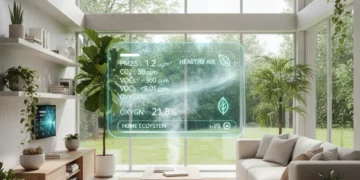
The ‘smart’ aspect comes from their connectivity. These monitors often connect to your home Wi-Fi, allowing you to view real-time data on your smartphone, receive alerts when pollutant levels are high, and even integrate with other smart home devices.
How Smart Monitoring Improves Efficiency
- Demand-Controlled Ventilation: When integrated with smart thermostats or ERVs, these monitors can trigger ventilation systems only when needed. For instance, if CO2 levels rise (indicating more occupants or poor ventilation), the ERV can automatically increase its fan speed. This prevents unnecessary ventilation when air quality is good, saving energy.
- Proactive Source Control: By identifying pollutant spikes, you can pinpoint the source. Did VOCs rise after using a new cleaning product? Or did PM2.5 increase when cooking? This data empowers you to make informed decisions about product choices and habits.
- Optimized Air Purifier Usage: If you use standalone air purifiers, smart monitors can turn them on or increase their fan speed only when pollutant levels cross a certain threshold, conserving energy.
Effective Source Control Strategies
Even the best filtration and ventilation systems can be overwhelmed if pollutant sources are not managed. Implementing source control is a fundamental and often energy-free way to improve home air quality:
- Choose Low-VOC Products: Opt for paints, finishes, adhesives, and cleaning products labeled ‘low-VOC’ or ‘zero-VOC’. When buying new furniture or carpets, look for certifications like GREENGUARD.
- Ventilate During and After Activities: Use exhaust fans in kitchens when cooking and in bathrooms during and after showers to remove moisture and cooking fumes. Ensure these fans vent outdoors, not into attics.
- Control Moisture: Fix leaks promptly. Use dehumidifiers in damp areas like basements. Ensure proper drainage around your home’s foundation to prevent water intrusion and mold growth.
- Regular Cleaning: Dust and vacuum regularly with a HEPA-filtered vacuum cleaner to remove particulate matter, pet dander, and allergens before they become airborne.
- Pet Care: Bathe and groom pets regularly. Keep them off furniture if allergies are a concern.
- Avoid Indoor Smoking: This is one of the most significant contributors to poor IAQ.
- Test for Radon: If you live in an area prone to radon, test your home and mitigate if levels are high.
- Maintain Appliances: Ensure gas stoves, furnaces, and water heaters are properly vented and regularly serviced to prevent carbon monoxide leaks.
By combining smart monitoring with diligent source control, you gain granular insight into your home’s air quality, allowing for targeted interventions that are both effective and energy-efficient. This proactive approach is essential to improve home air quality comprehensively by 2026.
Integrating the Strategies for Optimal Results
To truly improve home air quality in an energy-efficient manner, these three strategies are best implemented in concert. They complement each other, creating a layered defense against indoor pollutants:
- Foundation: Advanced HVAC Filtration and Purification: This forms the baseline by continuously cleaning the air circulated throughout your home, removing particulates and neutralizing biological contaminants. It’s the first line of defense that ensures the air you’re already moving is as clean as possible.
- Enhancement: Enhanced Ventilation with ERVs: This layer ensures a consistent supply of fresh outdoor air without wasting energy. It dilutes remaining pollutants and maintains optimal CO2 levels, preventing the accumulation of stale air. The energy recovery aspect makes it a sustainable choice for continuous ventilation.
- Proactive Control: Smart Air Quality Monitoring and Source Control: This is the intelligence layer. Smart monitors provide the data needed to understand your unique IAQ challenges, allowing you to address pollutant sources directly and optimize the operation of your filtration and ventilation systems. Source control acts as prevention, reducing the load on your other systems.
Consider a scenario: your smart monitor detects a spike in VOCs after you’ve painted a room. The monitor can then automatically signal your ERV to increase ventilation rates to more rapidly exchange the air, while your HVAC’s high-efficiency filters work to capture any airborne particulate matter. Once the VOC levels return to normal, the ERV can revert to its standard, energy-saving operation. This integrated approach ensures that you’re only using energy for air quality management when and where it’s truly needed.
The Financial and Health Benefits
The upfront investment in some of these technologies, particularly ERVs and advanced HVAC upgrades, might seem significant. However, the long-term benefits far outweigh the initial costs:
- Improved Health: Reduced exposure to pollutants means fewer allergies, asthma attacks, respiratory infections, and a lower risk of chronic diseases. This translates to fewer doctor visits and better overall quality of life.
- Enhanced Comfort: Better humidity control and consistent fresh air create a more comfortable living environment.
- Energy Savings: The energy efficiency of ERVs and optimized HVAC operation leads to noticeable reductions in heating and cooling bills over time.
- Increased Home Value: A home with superior indoor air quality and energy-efficient systems is more attractive to potential buyers, increasing its market value.
- Environmental Impact: Lower energy consumption reduces your household’s carbon footprint, contributing to a healthier planet.
The Path to a Healthier Home by 2026
As we approach 2026, the imperative to improve home air quality with energy-efficient solutions is clearer than ever. It’s not just about compliance or trend-following; it’s about making conscious choices for the health of our families and the sustainability of our planet. By understanding the sources of indoor pollution and implementing these three strategies – advanced HVAC filtration and purification, enhanced ventilation with ERVs, and smart air quality monitoring coupled with diligent source control – homeowners can transform their living spaces into havens of clean, fresh air.
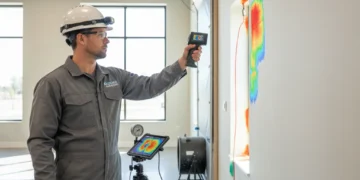
Start by assessing your current situation. Consider a professional home energy audit to identify areas for improvement. Research the best filtration options for your existing HVAC system. Explore the feasibility of installing an ERV. Invest in a smart air quality monitor to gain insights into your home’s unique atmospheric conditions. And, critically, adopt habits that reduce indoor pollutant sources.
The journey to improve home air quality is an ongoing one, but with these energy-efficient strategies, you’ll be well-equipped to create a healthier, more comfortable, and sustainable home for years to come. Make 2026 the year your home truly breathes easy.