Smart Thermostats: Revolutionizing Home Energy Efficiency by 2026
Smart Thermostats: Revolutionizing Home Energy Efficiency by 2026
In an era where environmental consciousness and economic prudence converge, the concept of a ‘smart home’ has transcended from futuristic fantasy to present-day reality. At the heart of this evolution lies the smart thermostat, a device rapidly transforming how we manage our indoor climate and, crucially, our energy consumption. The promise is significant: by 2026, smart thermostats are projected to reduce U.S. home energy waste by an impressive margin of up to 10%. This isn’t merely a technological upgrade; it’s a fundamental shift in our approach to energy management, offering substantial benefits for both our wallets and the planet.
The journey towards energy efficiency often begins with understanding where and how energy is wasted. For most households, heating and cooling systems account for the largest portion of utility bills, sometimes up to 50-70%. Traditional thermostats, with their limited programmability, often fail to adapt to the dynamic needs of a household, leading to unnecessary energy expenditure. This is where the intelligent design of a smart thermostat steps in, offering a sophisticated solution to a perennial problem.
This comprehensive guide will delve into the multifaceted world of smart thermostats, exploring their core functionalities, the mechanisms behind their energy-saving capabilities, and the broader impact they are set to have on residential energy consumption across the United States. We will examine the technological advancements that make these devices so effective, discuss the economic incentives for adoption, and consider the environmental dividends of widespread implementation. By the end, you will have a clear understanding of why investing in a smart thermostat is not just a smart choice for your home, but a vital step towards a more sustainable future.
Understanding the Smart Thermostat: More Than Just a Temperature Control
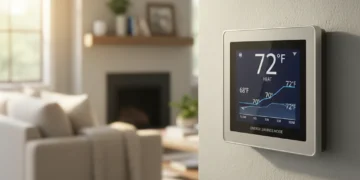
At its core, a smart thermostat performs the same function as its conventional counterpart: regulating your home’s temperature. However, the ‘smart’ aspect introduces a layer of intelligence and connectivity that traditional models simply cannot match. These devices are equipped with advanced sensors, Wi-Fi connectivity, and sophisticated algorithms that allow them to learn, adapt, and be controlled remotely, offering unparalleled precision and convenience in climate management.
Key Features and Technologies
- Learning Capabilities: Many smart thermostats, such as the widely recognized Nest, possess the ability to learn your preferences and schedule over time. They observe when you adjust the temperature, when you’re home or away, and even how long it takes to heat or cool your house. After a few weeks, they can build a personalized schedule that optimizes comfort and energy use without constant manual input.
- Remote Access and Control: One of the most celebrated features is the ability to control your thermostat from anywhere in the world using a smartphone, tablet, or computer. Forgot to turn down the heat before leaving for vacation? No problem. Want to warm up the house before you arrive home? A few taps on an app will do the trick. This remote accessibility is a cornerstone of smart thermostat energy savings.
- Occupancy Sensors: Some models integrate occupancy sensors that detect when a room is empty or occupied. This allows the thermostat to automatically adjust temperatures in unoccupied zones, preventing energy waste in areas that don’t need active heating or cooling.
- Geofencing: This innovative feature uses your smartphone’s location to determine if you are home or away. As you leave a predefined ‘geofence’ around your home, the thermostat can automatically switch to an energy-saving mode. As you approach, it can begin to adjust the temperature to your preferred comfort level, ensuring your home is just right when you walk through the door.
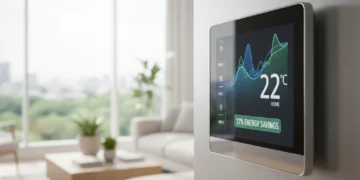
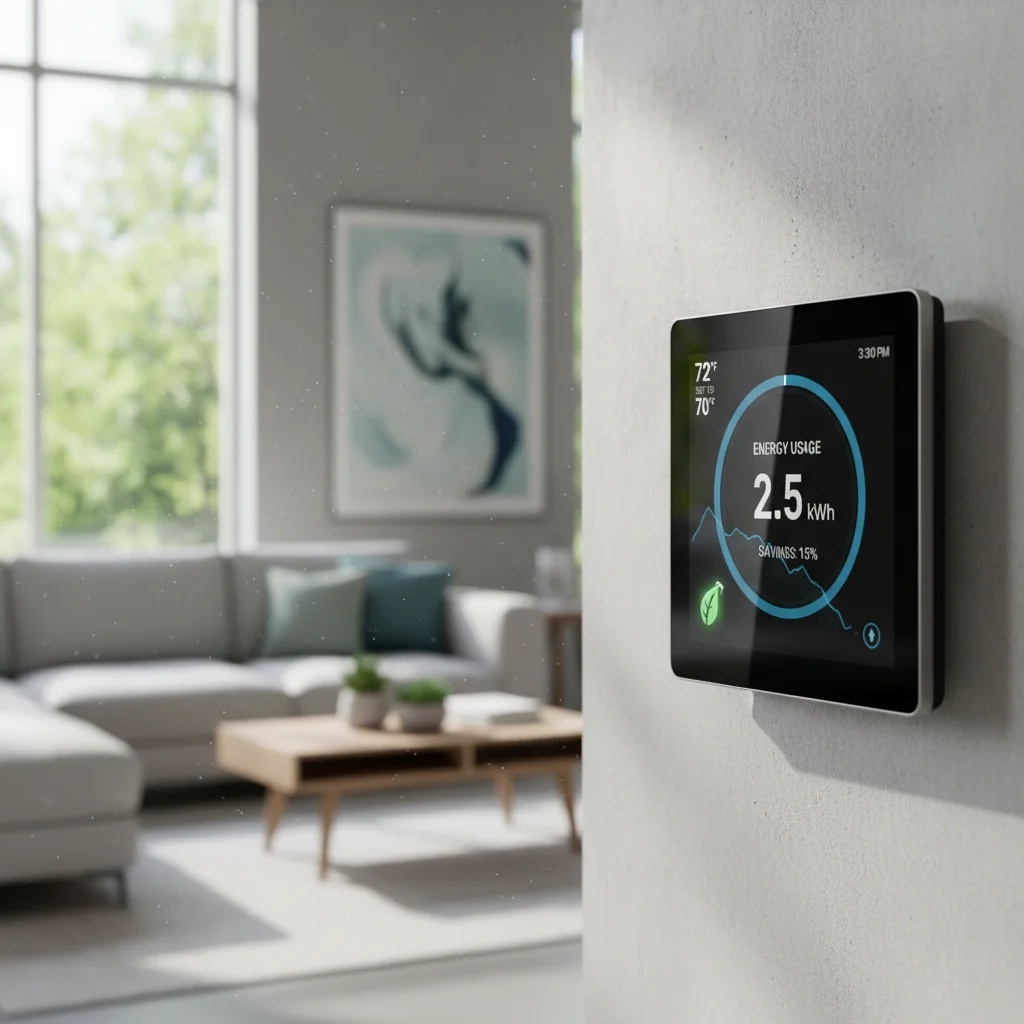
- Energy Reporting: Smart thermostats often provide detailed energy usage reports, giving homeowners invaluable insights into their consumption patterns. These reports can highlight peak usage times, identify potential areas for savings, and even compare your energy use against similar homes in your area, fostering a sense of competitive efficiency.
- Integration with Smart Home Ecosystems: Modern smart thermostats seamlessly integrate with other smart home devices and platforms, such as Amazon Alexa, Google Assistant, and Apple HomeKit. This interoperability allows for voice control and the creation of complex automation routines, further enhancing convenience and energy management. For example, you could set up a routine where your lights turn off and your thermostat adjusts to an away setting when you arm your security system.
- Weather Awareness: By connecting to local weather forecasts, smart thermostats can anticipate external temperature changes. This allows them to pre-heat or pre-cool your home more efficiently, minimizing the need for sudden, energy-intensive temperature adjustments.
These advanced features collectively contribute to the significant energy savings projected for U.S. homes. The ability of a smart thermostat to adapt to individual lifestyles, respond to real-time conditions, and provide actionable data empowers homeowners to take control of their energy consumption in ways previously unimaginable.
The Mechanics of Smart Thermostat Energy Savings
The 10% reduction in U.S. home energy waste by 2026 isn’t an arbitrary figure; it’s a conservative estimate based on the cumulative impact of these devices’ intelligent functionalities. The savings stem from several key areas where smart thermostats outperform traditional models.
Eliminating Unnecessary Heating and Cooling
Perhaps the most significant source of energy waste in homes is heating or cooling an empty house. Traditional programmable thermostats, while an improvement over manual models, often rely on fixed schedules that don’t account for unexpected changes in routine. If you leave for work early, or decide to stay out late, a traditional thermostat will continue to operate according to its programmed schedule, wasting energy.
Smart thermostats, with their geofencing and occupancy sensing capabilities, actively prevent this waste. They know when you’re away and can automatically enter an energy-saving mode, only resuming optimal temperatures when your return is imminent. This dynamic adjustment is a major contributor to smart thermostat energy savings.
Optimizing Setpoints and Schedules
Many homeowners struggle with finding the ‘ideal’ temperature settings that balance comfort and energy efficiency. Smart thermostats simplify this by learning your preferences and creating optimized schedules. They can subtly adjust temperatures by a degree or two when you’re asleep or away, changes that are often imperceptible to occupants but collectively lead to substantial savings. The learning algorithm continuously refines these settings, ensuring maximum efficiency over time.
Proactive Maintenance and System Monitoring
Some advanced smart thermostats can even monitor the performance of your HVAC system. They can detect inefficiencies, alert you to potential issues, and even remind you when it’s time for filter changes or routine maintenance. A well-maintained HVAC system operates more efficiently, consuming less energy and extending its lifespan, further contributing to overall smart thermostat energy savings.
Demand Response Programs
Many utility companies offer demand response programs, where they incentivize customers to reduce energy consumption during peak demand periods. Smart thermostats can be integrated into these programs, allowing the utility to make minor, temporary adjustments to your thermostat settings during critical times. These adjustments are typically small enough not to impact comfort significantly but collectively help stabilize the power grid and reduce the need for costly and carbon-intensive peaker plants. Participants in these programs often receive financial incentives, adding another layer of economic benefit.

The Economic and Environmental Impact
The widespread adoption of smart thermostats promises a dual benefit: significant financial savings for individual households and a positive environmental impact on a national scale. The projected 10% reduction in U.S. home energy waste translates into billions of dollars saved annually and a substantial decrease in carbon emissions.
Financial Savings for Homeowners
Estimates suggest that smart thermostats can save homeowners between 10% and 15% on their heating and cooling bills annually. For an average U.S. household, where energy costs can run into thousands of dollars per year, this translates to hundreds of dollars in savings. Over the lifespan of the device, which is typically 10-15 years, these savings can easily outweigh the initial investment cost, often providing a payback period of just a few years. Furthermore, many utility companies and local governments offer rebates and incentives for installing smart thermostats, making the initial cost even more accessible.
Environmental Benefits
Reducing energy consumption directly correlates with a reduction in greenhouse gas emissions. The less energy homes consume, the less electricity needs to be generated by power plants, many of which still rely on fossil fuels. A 10% reduction in home energy waste across the U.S. would significantly lower the carbon footprint of the residential sector, contributing to national and global climate change mitigation efforts. This reduction also lessens the strain on the electrical grid, potentially reducing the frequency of blackouts and the need for new power plant construction.
Moreover, by promoting more efficient energy use, smart thermostats encourage a culture of conservation. Homeowners become more aware of their energy consumption patterns and are empowered to make more informed decisions, fostering a greater sense of environmental responsibility.
Challenges and Considerations for Widespread Adoption
While the benefits of smart thermostats are clear, achieving the ambitious goal of a 10% reduction in U.S. home energy waste by 2026 requires overcoming certain challenges and addressing key considerations.
Initial Cost and Installation
The upfront cost of a smart thermostat can be higher than traditional models, ranging from $100 to $300 or more. While the long-term savings often justify this investment, it can be a barrier for some households. Professional installation may also be required, adding to the initial expense, although many models are designed for DIY installation.
Technological Literacy
Operating a smart thermostat, especially its advanced features, requires a certain level of technological comfort. While interfaces are generally user-friendly, some individuals may find the setup and optimization process daunting. Educational initiatives and accessible customer support are crucial for broader adoption.
Data Privacy and Security
Smart thermostats collect data on household occupancy, temperature preferences, and energy usage. Concerns about data privacy and security are legitimate. Manufacturers must ensure robust encryption and clear privacy policies to build consumer trust. Homeowners should also be diligent in using strong passwords and understanding how their data is being used.
Compatibility with Existing HVAC Systems
Not all smart thermostats are compatible with every type of HVAC system, particularly older or more complex setups. Homeowners need to verify compatibility before purchasing to avoid installation issues or the need for costly system upgrades.
Behavioral Aspects
Even the most advanced smart thermostat relies to some extent on user engagement. If users override the smart features too frequently or fail to utilize them effectively, the potential for smart thermostat energy savings diminishes. Encouraging users to trust the device’s intelligence and embrace its recommendations is key.
The Future of Home Energy Management: Beyond 2026
The trajectory of smart thermostat technology is one of continuous innovation. Beyond 2026, we can expect even more sophisticated features and deeper integration into the broader energy landscape.
Enhanced AI and Predictive Analytics
Future smart thermostats will likely leverage even more advanced artificial intelligence and machine learning to predict energy needs with greater accuracy. This could include integrating data from smart appliances, personalized health metrics, and even predictive analytics based on individual preferences and historical data to create hyper-optimized energy schedules.
Integration with Renewable Energy Sources
As residential solar panels and battery storage systems become more prevalent, smart thermostats will play a crucial role in optimizing the use of self-generated renewable energy. They could intelligently manage heating and cooling based on solar panel output, battery charge levels, and real-time electricity prices, maximizing self-consumption and minimizing reliance on the grid.
Grid Interactivity and Microgrids
The concept of a ‘smart grid’ is evolving, and smart thermostats are integral to its realization. They will become even more interactive with the grid, not just participating in demand response but potentially contributing to microgrids, where groups of homes can share and manage their energy resources more autonomously.
Personalized Comfort Zones
Imagine a home where each room maintains its ideal temperature based on individual occupancy and preference. Future smart thermostats, combined with advanced zoning systems and individual room sensors, could offer unprecedented levels of personalized comfort and localized energy management, further reducing waste.
Augmented Reality for Home Energy Audits
While not directly a thermostat feature, augmented reality (AR) could integrate with smart thermostat data to provide homeowners with real-time visual insights into heat loss or gain in different areas of their home, making energy audits more intuitive and actionable.
Conclusion: A Smart Step Towards a Sustainable Future
The projection of smart thermostats reducing U.S. home energy waste by up to 10% by 2026 is a testament to the power of intelligent technology in addressing pressing environmental and economic challenges. These devices are not just about convenience; they are fundamental tools for fostering energy efficiency, promoting sustainability, and empowering homeowners to take an active role in managing their environmental impact.
By understanding the sophisticated features, the mechanisms behind their energy-saving capabilities, and the broader implications for our energy infrastructure, it becomes clear that smart thermostats are more than just a passing trend. They represent a pivotal component of the smart home revolution, paving the way for a future where comfort, convenience, and conservation coexist harmoniously.
As technology continues to evolve and adoption rates climb, the impact of smart thermostat energy savings will only grow, moving us closer to a more efficient, sustainable, and responsible energy future for all. Investing in a smart thermostat today is not just an upgrade for your home; it’s an investment in a greener tomorrow.